The Evolution of Plastic Trays: From Traditional to Modern Manufacturing
Plastic trays have come a long way from basic, rigid designs to highly customized, functional solutions. Early trays were produced using injection molding, which, while effective, lacked the flexibility and cost-efficiency needed for mass production. With the advancement of vacuum forming, manufacturers now produce lightweight, durable, and cost-effective plastic trays that meet diverse industry demands.
Key Milestones in Plastic Tray Manufacturing
| Year | Innovation | Impact |
|---|---|---|
| 1950s | Introduction of Injection Molding | Mass production of plastic products |
| 1970s | Development of Vacuum Forming | More design flexibility and lower costs |
| 2000s | Use of Sustainable Materials | Reduced environmental impact |
| 2020s | Advanced Automation & AI Integration | Improved efficiency and precision |
Understanding Vacuum Forming: A Key Process in Plastic Tray Production
Vacuum forming is a thermoforming process that heats a plastic sheet until it becomes pliable, then uses a vacuum to mold it over a form. This process is widely used for creating plastic trays due to its efficiency and cost-effectiveness.
Steps in Vacuum Forming
- Material Selection: PP, PET, and other thermoplastics are chosen based on application needs.
- Heating Process: The plastic sheet is heated until it reaches the forming temperature.
- Molding Stage: A vacuum pulls the softened plastic over a mold to shape the tray.
- Cooling & Trimming: The formed tray is cooled, trimmed, and prepared for use.
Compared to injection molding, vacuum forming provides lower tooling costs and faster production cycles, making it an ideal choice for high-volume orders.
Key Materials Used in Vacuum-Formed Plastic Trays: PP, PET, and More
The choice of material is crucial for determining the durability, sustainability, and functionality of plastic trays. The most commonly used materials include:
| Material | Characteristics | Common Applications |
|---|---|---|
| PP (Polypropylene) | Lightweight, heat-resistant, recyclable | Food packaging, medical trays |
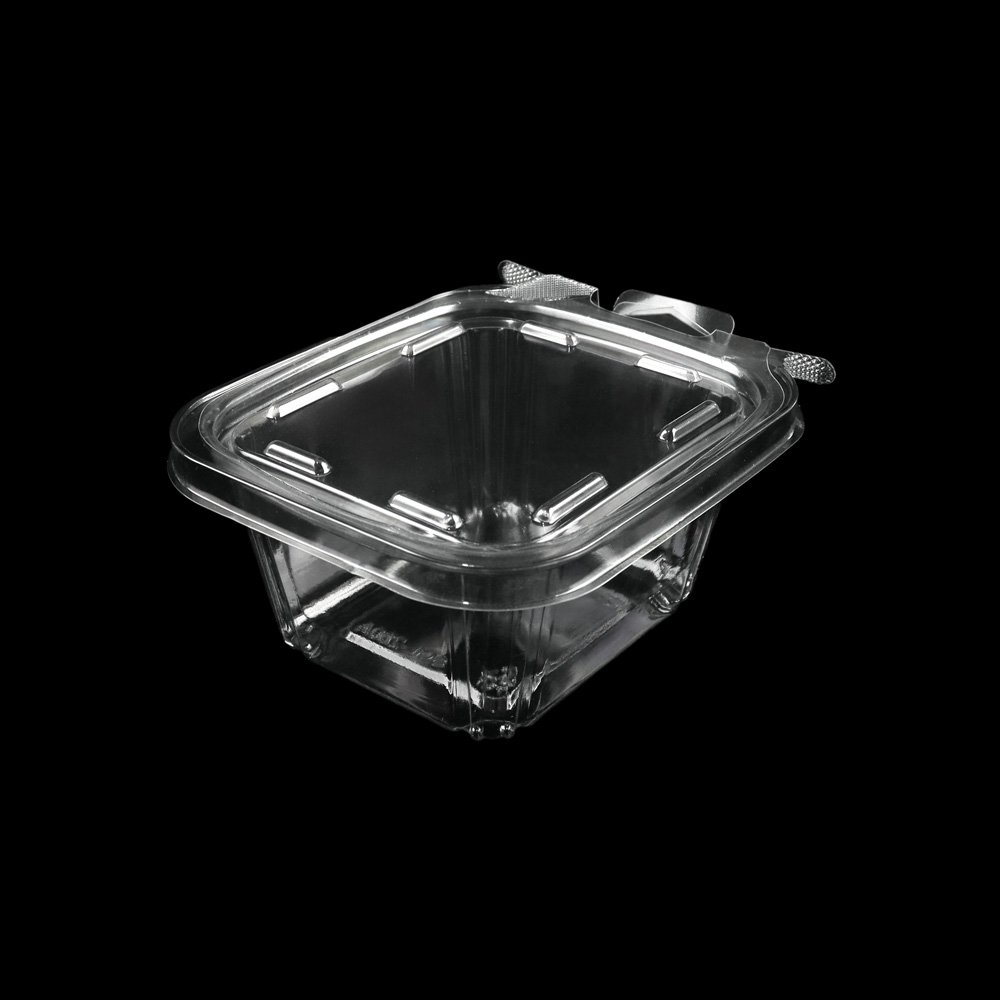
| PET (Polyethylene Terephthalate) | High clarity, strong barrier properties, recyclable | Clamshell packaging, fresh produce trays |
| HIPS (High-Impact Polystyrene) | Rigid, impact-resistant, cost-effective | Electronics packaging, industrial trays |
Using recyclable materials like PET and PP aligns with the growing demand for sustainable packaging solutions.
Cutting-Edge Innovations in Plastic Tray Manufacturing
Advancements in technology have transformed plastic tray production, improving both sustainability and efficiency.
Recent Innovations
- Biodegradable & Recycled Materials – More manufacturers are integrating post-consumer recycled (PCR) content into plastic trays.
- 3D Printed Molds – Speeds up prototyping and reduces mold production costs.
- AI & Automation – Enhances precision and reduces material waste in vacuum forming.
- Multi-Layer Plastic Trays – Combines different materials to improve strength and barrier properties.
By adopting these innovations, businesses can produce high-quality plastic trays while meeting regulatory and environmental standards.
Sustainable Packaging: The Role of Eco-Friendly Plastic Trays
Sustainability is at the forefront of modern packaging, and vacuum-formed plastic trays are no exception. As industries shift toward eco-friendly solutions, manufacturers are embracing recycled materials, biodegradable options, and energy-efficient production techniques.
Key Strategies for Sustainable Plastic Tray Production
- Using Recycled Materials – PET trays made from post-consumer recycled (PCR) content help reduce plastic waste.
- Biodegradable Alternatives – New formulations allow trays to break down faster under industrial composting conditions.
- Lightweighting Technology – Reducing material usage without compromising durability lowers carbon footprints.
- Energy-Efficient Vacuum Forming – Advanced machinery consumes less energy while improving production efficiency.
Industry Data on Sustainable Packaging
| Trend | Impact on Plastic Tray Production |
|---|---|
| Increase in PCR PET usage | Reduces reliance on virgin plastics |
| Government regulations on sustainability | Encourages biodegradable materials |
| Consumer demand for eco-friendly packaging | Drives innovation in material science |
Businesses that prioritize sustainable plastic trays not only meet regulatory requirements but also enhance their brand reputation.
How Vacuum-Formed Plastic Trays Enhance Supply Chain Efficiency
Efficiency in the supply chain is crucial for businesses looking to cut costs and improve logistics. Vacuum-formed plastic trays offer several advantages, from lightweight designs to optimized storage and transportation.
How Plastic Trays Improve Supply Chain Performance
- Reduced Shipping Costs – Lightweight PET and PP trays lower transportation expenses.
- Space Optimization – Stackable tray designs maximize storage space, reducing warehouse costs.
- Product Protection – Custom-molded trays ensure fragile items remain secure during transit.
- Faster Packaging Process – Automated vacuum forming allows rapid production and fulfillment.
Comparison: Plastic Trays vs. Other Packaging Solutions
| Feature | Plastic Trays | Cardboard Packaging | Molded Pulp |
|---|---|---|---|
| Weight | Lightweight | Heavier | Moderate |
| Durability | High | Medium | Low |
| Moisture Resistance | Excellent | Poor | Moderate |
| Customization | High | Limited | Moderate |
For industries like food processing, electronics, and medical supplies, vacuum-formed trays provide an unmatched combination of efficiency and reliability.
Customization Trends: Meeting Industry-Specific Needs
One-size-fits-all packaging no longer meets the needs of modern industries. Customization is a major trend, allowing plastic trays to be tailored for specific applications.
Key Customization Features in Plastic Tray Manufacturing
- Material Selection – PP trays for food applications, PET trays for high-clarity packaging.
- Size & Shape Adjustments – Designed to fit unique product dimensions.
- Branding & Aesthetic Enhancements – Logos, color variations, and textures improve product presentation.
- Specialized Functional Features – Anti-static trays for electronics, sterile trays for medical devices.
Industry-Specific Custom Tray Solutions
| Industry | Customization Example |
|---|---|
| Food Packaging | Compartmentalized trays for meal prep |
| Electronics | Anti-static PET trays for circuit boards |
| Medical | Sterile PP trays for surgical instruments |
Companies that invest in customized plastic trays benefit from improved product protection, enhanced branding, and a better end-user experience.
Future Trends in Plastic Tray Manufacturing and Market Demand
The plastic tray industry is evolving rapidly, driven by technological advancements, sustainability goals, and changing consumer preferences. Manufacturers must stay ahead of these trends to remain competitive.
Emerging Trends in Plastic Tray Manufacturing
- Advanced Automation & AI Integration – AI-powered systems optimize vacuum forming, reducing waste and improving precision.
- Smart Packaging Features – RFID tags and QR codes enhance traceability and consumer engagement.
- Biodegradable & Compostable Materials – Demand for sustainable alternatives is increasing, especially in food packaging.
- Hybrid Material Solutions – Combining plastic with paper-based elements for reduced plastic content.
Market Demand for Plastic Trays by Industry
| Industry | Growth Driver | Estimated Market Growth (CAGR) |
|---|---|---|
| Food Packaging | Rising demand for convenience foods | 5-6% |
| Medical & Pharma | Increased use of sterile packaging | 6-8% |
| Electronics | Expanding consumer electronics sector | 4-5% |
Manufacturers that invest in innovation and sustainability will benefit from these growing market opportunities.

Choosing the Right Supplier for High-Quality Vacuum-Formed Plastic Trays
Selecting a reliable supplier is critical for businesses that rely on plastic trays for their packaging and logistics. The right supplier ensures consistent quality, cost-efficiency, and regulatory compliance.
Key Factors When Evaluating a Plastic Tray Supplier
- Material Expertise – Can the supplier provide a variety of materials like PET, PP, and biodegradable options?
- Production Capabilities – Do they offer customization, rapid prototyping, and large-scale production?
- Sustainability Commitments – Are they using recycled or eco-friendly plastic trays?
- Quality Certifications – Look for ISO, FDA, and food-grade compliance where applicable.
- Cost & Logistics – Consider lead times, pricing, and shipping efficiency.
Supplier Evaluation Checklist
| Factor | Why It Matters |
|---|---|
| Material Selection | Ensures suitability for your industry |
| Customization Options | Supports branding and product fit |
| Certifications | Guarantees safety and compliance |
| Production Capacity | Meets your demand efficiently |
| Sustainability Practices | Aligns with modern eco-friendly goals |
A strategic partnership with the right plastic tray manufacturer helps businesses improve packaging efficiency and reduce costs.
The Future of Vacuum-Formed Plastic Trays in Packaging
The evolution of vacuum-formed plastic trays reflects broader trends in automation, sustainability, and customization. As industries demand lightweight, durable, and eco-friendly solutions, manufacturers must innovate to meet these expectations.
By investing in advanced materials, smart packaging, and supply chain efficiency, plastic tray manufacturers can secure long-term success in a competitive market.