
Freezing muffins is a fantastic way to preserve their deliciousness and enjoy them later. But can you freeze muffins directly in a muffin container? And what are the best practices for long-term storage? At Reliancepak, we know all about packaging and how it affects the quality and longevity of your baked goods. Let’s dive in!
Why Freeze Muffins?
Freezing muffins is a game-changer for busy bakers and anyone who loves a convenient treat. Here’s why you should consider it:
- Extends Shelf Life: Muffins typically last only a few days at room temperature. Freezing extends their lifespan significantly, allowing you to enjoy them weeks or even months later.
- Reduces Food Waste: Prevent muffins from going stale or moldy by freezing any extras.
- Convenient Meal Prep: Bake a large batch of muffins and freeze them for quick breakfasts, snacks, or desserts.
- Preserves Freshness: When done correctly, freezing preserves the flavor and texture of muffins remarkably well.


Can You Freeze Muffins in Muffin Containers?
The short answer is: it depends on the type of muffin container. Some are freezer-friendly, while others aren’t. Let’s explore the most common types:
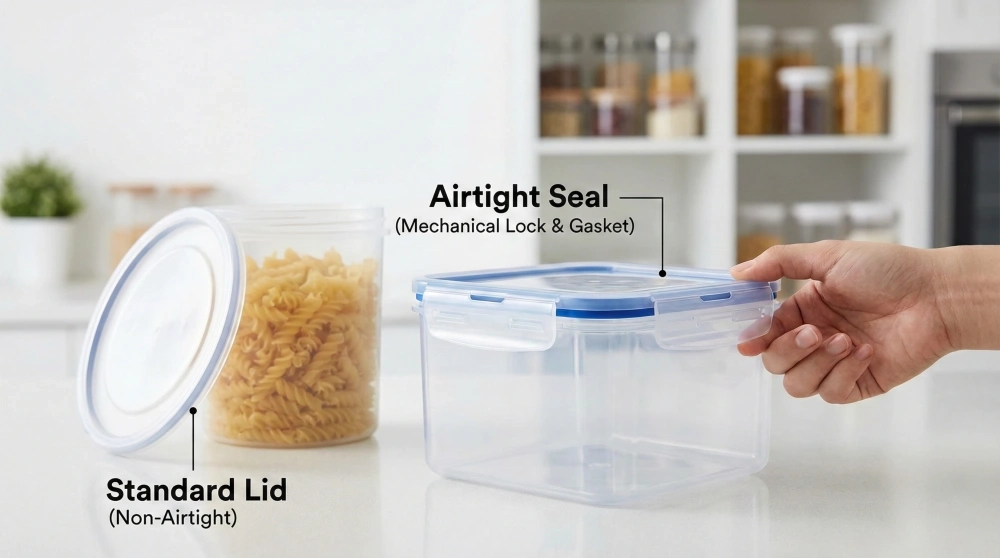
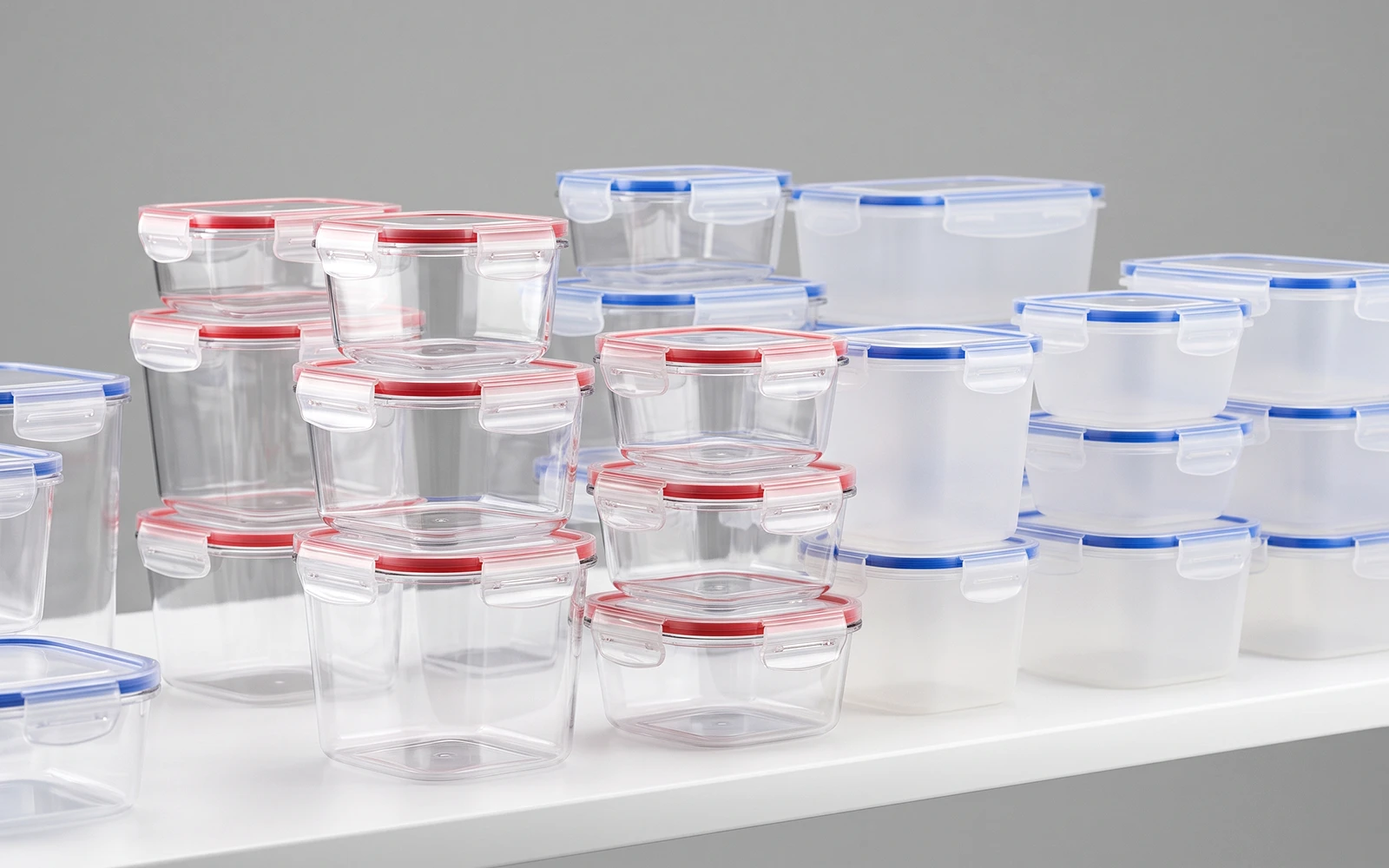
Plastic Muffin Containers
- Pros: Often reusable, stackable, and provide a good seal.
- Cons: Not all plastics are freezer-safe. Some can become brittle and crack at low temperatures.
- Recommendation: If using plastic muffin containers, ensure they are specifically labeled as freezer-safe. Look for containers made from durable, freezer-grade plastic.
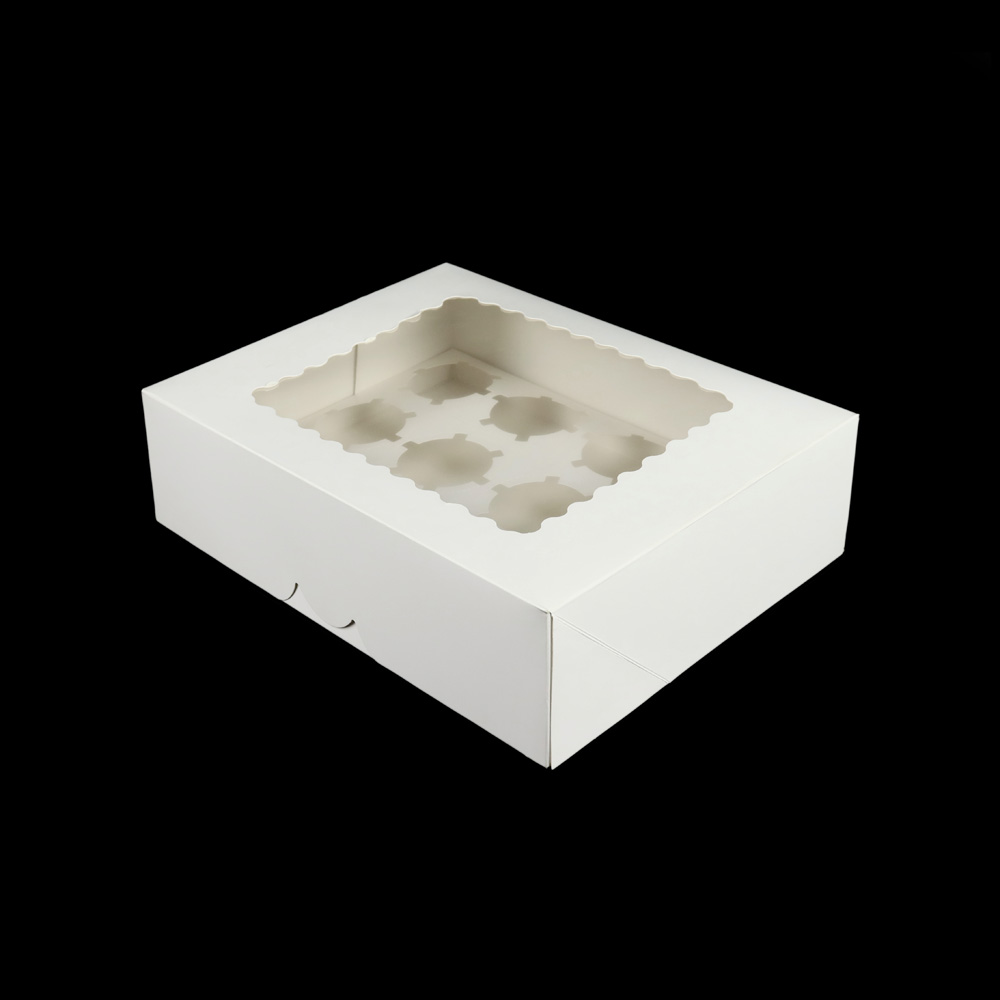
Cardboard Muffin Containers
- Pros: Eco-friendly and often recyclable.
- Cons: Not ideal for freezing as they can absorb moisture, leading to soggy muffins and freezer burn. Cardboard can also lose its structural integrity when wet.
- Recommendation: Avoid using cardboard muffin containers directly in the freezer for long-term storage.
Aluminum Muffin Containers
- Pros: Excellent for freezing as they are moisture-resistant and can withstand low temperatures without becoming brittle. They also provide good protection against freezer burn.
- Cons: Not always reusable and can be more expensive than other options.
- Recommendation: A solid choice for freezing muffins, especially if you want to maintain their quality for an extended period.
Silicone Muffin Containers
- Pros: Flexible, reusable, and oven-safe (making them great for baking and then freezing). Easy to clean.
- Cons: Can be a bit flimsy and may require support when transferring to and from the freezer. They may also absorb odors over time.
- Recommendation: A good option, especially if you already use silicone muffin tins for baking. Just ensure they are properly sealed to prevent freezer burn.
Biodegradable Muffin Containers
- Pros: Environmentally friendly and made from sustainable materials.
- Cons: Similar to cardboard, they can absorb moisture and are not ideal for long-term freezing. They may also break down more quickly in the freezer.
- Recommendation: Best for short-term storage or transport. Avoid using biodegradable muffin containers for extended freezer storage.
To help you visualize the best options, here’s a quick comparison table:
| Container Type | Freezer-Safe? | Pros | Cons | Best Use |
|---|---|---|---|---|
| Plastic | Depends | Reusable, stackable, good seal (if airtight) | Not all are freezer-safe, can become brittle | Freezing for shorter periods, freezer-safe plastic containers only |
| Cardboard | No | Eco-friendly, recyclable | Absorbs moisture, leads to soggy muffins and freezer burn, loses structural integrity | Transporting muffins, short-term storage at room temperature |
| Aluminum | Yes | Moisture-resistant, withstands low temperatures, protects against freezer burn | Not always reusable, can be more expensive | Long-term freezing, maintaining quality |
| Silicone | Yes | Flexible, reusable, oven-safe, easy to clean | Can be flimsy, may require support, may absorb odors | Baking and freezing, versatile use |
| Biodegradable | No | Environmentally friendly, made from sustainable materials | Absorbs moisture, not ideal for long-term freezing, may break down quickly | Short-term storage, eco-conscious consumers |

The Best Way to Freeze Muffins: A Step-by-Step Guide from Reliancepak
Regardless of the type of muffin container you choose, here’s a detailed guide to freezing muffins1 effectively:
- Cool Muffins Completely: Allow your muffins to cool completely on a wire rack before freezing. This prevents condensation, which can lead to ice crystals and freezer burn.
- Individual Wrapping (Recommended): Wrap each muffin individually in plastic wrap or aluminum foil. This provides an extra layer of protection against freezer burn and prevents them from sticking together.
- Container Selection: Choose a suitable muffin container based on the information above. Freezer-safe plastic containers or aluminum containers are generally the best options.
- Arrange Muffins in the Container: Place the wrapped muffins in the chosen container. Ensure they are not overcrowded to maintain their shape.
- Seal Tightly: If using a plastic container, ensure the lid is tightly sealed. For aluminum containers, crimp the edges tightly to create a good seal.
- Label and Date: Label the container with the date and contents. This helps you keep track of how long the muffins have been frozen.
- Flash Freezing (Optional but Recommended): For optimal results, consider flash freezing2 the muffins before placing them in the container. To do this, arrange the unwrapped muffins on a baking sheet lined with parchment paper and freeze them for 1-2 hours. Once frozen solid, transfer them to the container. This helps prevent sticking and maintains their shape even better.
What About Muffin Liners?
Yes, you can freeze muffins with the liners on! Muffin liners don’t typically interfere with the freezing process. However, here are a few considerations:
- Paper Liners: Sometimes, the paper liners can stick to the muffins after freezing. To minimize this, use high-quality, grease-resistant liners.
- Silicone Liners: Silicone liners are a great option as they release the muffins easily after freezing.
How Long Can You Freeze Muffins?
When stored properly, muffins can last in the freezer for 2-3 months without significant loss of quality. After this time, they are still safe to eat, but their texture and flavor may start to deteriorate. Always check for signs of freezer burn before consuming.
Thawing and Reheating Muffins
Here’s how to thaw and reheat your frozen muffins for the best results:
- Thawing:
- Room Temperature: The easiest method is to thaw the muffins at room temperature for 30-60 minutes.
- Refrigerator: For a slower thaw, place the muffins in the refrigerator overnight.
- Microwave: If you’re in a hurry, you can thaw the muffins in the microwave using the defrost setting. Be careful not to overheat them.
- Reheating (Optional):
- Oven: Wrap the thawed muffin in foil and reheat in a preheated oven at 350°F (175°C) for 5-10 minutes.
- Microwave: Microwave the thawed muffin for 10-20 seconds.
- Toaster Oven: Toast the muffin for a few minutes until warmed through.
Reliancepak’s Tips for Freezer-Perfect Muffins
At Reliancepak, we’re passionate about helping you achieve the best results with your baking. Here are some additional tips for freezing muffins:
- Bake Muffins Slightly Underdone: Since the muffins will undergo further changes during freezing and thawing, baking them slightly underdone can help prevent them from becoming dry.
- Use High-Quality Ingredients: Start with fresh, high-quality ingredients for the best flavor and texture.
- Avoid Overfilling Muffin Tins: Overfilled muffin tins can lead to misshapen muffins that are difficult to wrap and freeze.
- Experiment with Flavors: Freezing is a great way to preserve seasonal flavors. Try freezing pumpkin muffins in the fall or blueberry muffins in the summer.
- Consider Individual Freezing: Flash freezing individual muffins before placing them in a container, as mentioned earlier, is a game-changer for preserving shape and preventing sticking.
Common Mistakes to Avoid When Freezing Muffins
- Freezing Warm Muffins: This leads to condensation and ice crystal formation. Always cool muffins completely first.
- Using Inadequate Packaging: Skimping on wrapping or using non-freezer-safe containers results in freezer burn.
- Forgetting to Label: Labeling is crucial for tracking how long the muffins have been frozen.
- Overcrowding the Container: This can crush the muffins and affect their shape.
- Leaving Air in the Container: Air contributes to freezer burn. Ensure the container is tightly sealed.
Beyond Muffins: Other Baked Goods You Can Freeze
The principles of freezing muffins apply to many other baked goods as well. Here are a few examples:
- Cakes: Freeze cake slices or whole cakes (unfrosted is best) wrapped tightly in plastic wrap and then foil.
- Cookies: Freeze cookie dough or baked cookies in airtight containers.
- Breads: Freeze bread slices or whole loaves wrapped in plastic wrap and then foil.
- Scones: Freeze scones similarly to muffins, wrapped individually for best results.
Choosing the Right Muffin Container: What Reliancepak Offers
At Reliancepak, we understand the importance of proper packaging. While we don’t directly sell muffin containers for consumers, we work with businesses that provide a variety of packaging solutions, including freezer-safe options ideal for storing and transporting muffins and other baked goods. We encourage you to look for containers that offer:
- Freezer-Safe Materials: Ensure the container is made from materials that can withstand low temperatures without becoming brittle or cracking.
- Airtight Seal: An airtight seal is crucial for preventing freezer burn and maintaining freshness.
- Durability: Choose a container that is sturdy enough to protect the muffins from being crushed during storage and transport.
- Appropriate Size: Select a container that is the right size for the number of muffins you want to freeze.
By partnering with Reliancepak, businesses can ensure their customers receive baked goods that are not only delicious but also packaged to maintain their quality and freshness for as long as possible.
Conclusion: Freeze with Confidence!
Freezing muffins is a simple and effective way to extend their shelf life and enjoy them at your convenience. By choosing the right muffin container, following proper freezing techniques, and avoiding common mistakes, you can enjoy delicious, freezer-perfect muffins any time you want. Remember Reliancepak’s tips for achieving the best results, and happy baking!
FAQ: Your Muffin Freezing Questions Answered
Here are some frequently asked questions about freezing muffins:
- Q: Can I freeze muffins with fruit in them?
- A: Yes, you can freeze muffins with fruit. However, be aware that some fruits may become slightly softer after thawing.
- Q: Can I freeze muffins with frosting?
- A: While you can freeze frosted muffins, the frosting may not hold up as well. It’s generally best to freeze muffins unfrosted and add the frosting after thawing.
- Q: How can I tell if a muffin has freezer burn?
- A: Freezer burn appears as dry, discolored patches on the surface of the muffin. The muffin may also have a stale or off-flavor.
- Q: Can I refreeze muffins after thawing?
- A: It’s generally not recommended to refreeze muffins after thawing, as this can further degrade their quality and texture.
- Q: What’s the best way to prevent muffins from sticking together in the freezer?
- A: Wrap each muffin individually in plastic wrap or flash freeze them before placing them in a container.
This comprehensive guide should give you all the information you need to successfully freeze muffins in muffin containers for long-term storage! Enjoy!