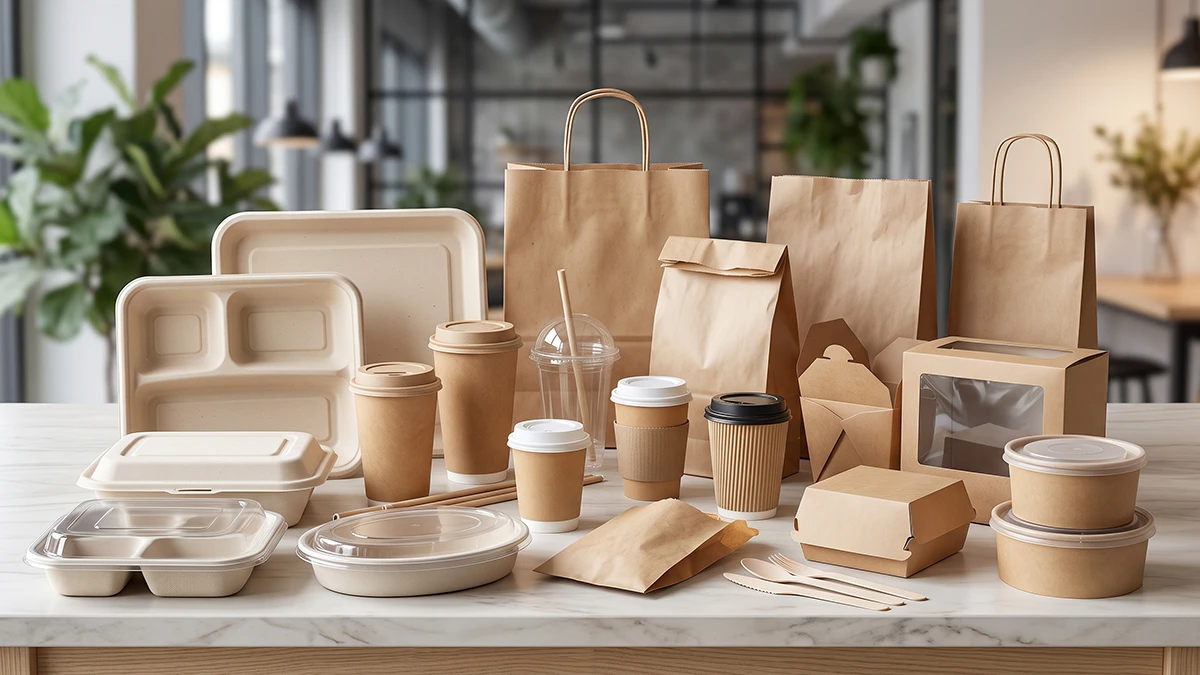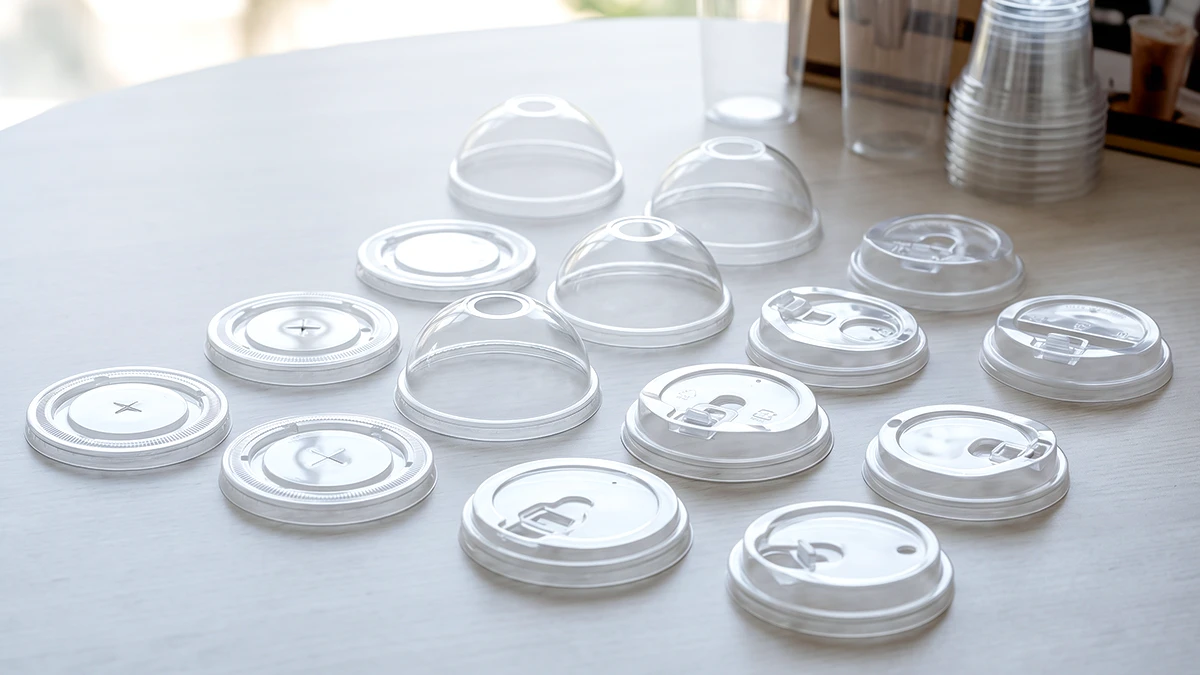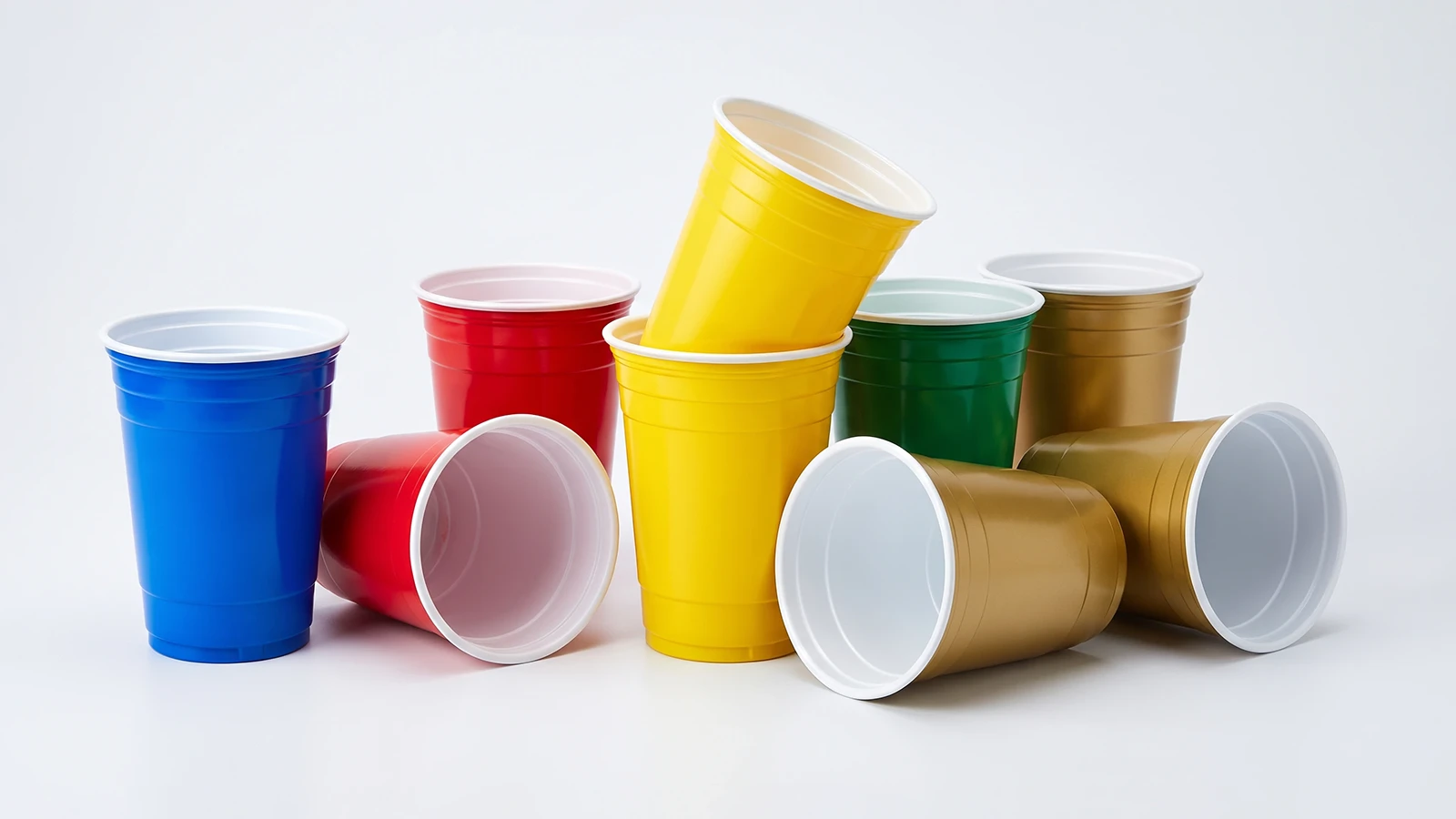

In the competitive catering industry, every penny counts. Smart choices in catering packaging1 can significantly reduce costs, improve efficiency, and boost your bottom line. This comprehensive guide will explore how selecting the right packaging materials, optimizing portion sizes, reducing waste, and leveraging innovative technologies can help you save money and enhance your catering services. We’ll also highlight how Reliancepak can be your trusted partner in finding cost-effective and sustainable packaging solutions.
Why Does Catering Packaging Matter for Cost Savings?
Catering packaging is more than just a container; it’s a strategic element that directly affects your operational costs. Here’s why:
- Material Costs: The type of material used for packaging (plastic, paper, aluminum, etc.) has a direct impact on your expenses.
- Portion Control: Smart packaging can help control portion sizes, minimizing food waste and reducing ingredient costs.
- Storage Efficiency: Space-saving packaging designs can optimize storage, reducing warehouse or kitchen space requirements.
- Transportation Costs: Lighter and more compact packaging can lower transportation costs, especially for off-site catering events.
- Waste Disposal Fees: Eco-friendly packaging can reduce waste disposal fees and potentially generate revenue through recycling programs.
- Labor Costs: Easy-to-handle packaging can improve efficiency and reduce labor costs associated with packing and serving food.

What are the Key Strategies for Cutting Costs with Smarter Packaging?
1. Choosing Cost-Effective Packaging Materials
Selecting the right materials is crucial for minimizing packaging expenses.
- Polypropylene (PP): PP is a versatile and cost-effective plastic option that offers good durability and heat resistance. It’s suitable for a wide range of catering applications, including hot and cold dishes. Reliancepak offers a variety of PP containers designed for reuse and recyclability, further reducing costs and environmental impact.
- Recycled Polyethylene Terephthalate (rPET): rPET is made from recycled plastic bottles and offers a sustainable and cost-effective alternative to virgin PET. It’s ideal for cold foods, salads, and desserts, providing excellent clarity and recyclability. Reliancepak’s rPET containers are designed to be durable and visually appealing, enhancing the presentation of your food.
- Bagasse: Bagasse is a biodegradable and compostable material made from sugarcane fiber. While it may be slightly more expensive than PP or rPET, its sustainability benefits can attract environmentally conscious customers and potentially reduce waste disposal fees. Reliancepak offers a range of Bagasse containers that are both eco-friendly and functional.
- Aluminum Foil: Aluminum foil containers are excellent for hot dishes and offer superior heat retention. They are also recyclable, making them a sustainable option. However, aluminum can be more expensive than plastic alternatives.
2. Optimizing Portion Sizes with Smart Packaging Design
Smart packaging design can help you control portion sizes, reducing food waste and saving money on ingredients.
- Pre-Portioned Containers2: Using containers with built-in portion dividers can help ensure consistent serving sizes and prevent over-portioning.
- Clear Measurement Markings: Containers with clear measurement markings allow staff to accurately measure portions, reducing waste and improving consistency.
- Customized Container Sizes: Working with Reliancepak, you can customize container sizes to match your specific menu items and portion requirements, minimizing wasted space and reducing material costs.
- Stackable Designs: Stackable containers optimize storage space, reducing the need for larger storage areas and potentially lowering rental costs.
3. Reducing Food Waste Through Effective Packaging
Food waste is a significant cost driver in the catering industry. Effective packaging can help reduce waste in several ways.
- Extended Shelf Life: Packaging that provides a good barrier against oxygen and moisture can extend the shelf life of food, reducing spoilage and waste.
- Proper Sealing: Airtight containers prevent food from drying out or becoming contaminated, extending its usability.
- Temperature Control: Insulated packaging helps maintain food temperature, preventing spoilage and ensuring food safety.
- Easy Reclosing: Reclosable containers allow customers to easily store leftovers, reducing food waste at the consumer level.
- Modified Atmosphere Packaging (MAP): MAP technology can extend the shelf life of certain foods by altering the atmosphere inside the packaging.
4. Leveraging Sustainable Packaging Options
Sustainable packaging can not only reduce your environmental impact but also offer cost savings in the long run.
- Reduced Waste Disposal Fees: Compostable and recyclable packaging can reduce waste disposal fees and potentially generate revenue through recycling programs.
- Enhanced Brand Image: Using sustainable packaging can attract environmentally conscious customers and enhance your brand’s reputation, potentially leading to increased sales.
- Government Incentives: Some regions offer tax incentives or rebates for businesses that use sustainable packaging.
- Reduced Dependency on Fossil Fuels: Choosing packaging made from renewable resources reduces your dependency on fossil fuels and helps mitigate climate change.
- Lower Carbon Footprint: Sustainable packaging options often have a lower carbon footprint than traditional packaging materials, contributing to your overall sustainability goals.
5. Utilizing Innovative Technologies in Catering Packaging
Technology is transforming the catering packaging industry, offering new ways to cut costs and improve efficiency.
- Smart Labels: Smart labels can track food temperature and freshness, providing real-time information to staff and customers.
- Active Packaging: Active packaging can release preservatives or absorb unwanted gases, extending the shelf life of food.
- Edible Packaging: Edible packaging is a novel concept that eliminates waste altogether. While still in its early stages of development, it holds significant potential for reducing environmental impact.
- QR Codes: QR codes on packaging can provide customers with information about the food’s ingredients, nutritional value, and preparation methods. They can also be used to track inventory and manage waste.
- RFID Technology: RFID (Radio-Frequency Identification) technology can be used to track packaging throughout the supply chain, improving inventory management and reducing losses.
Case Studies: How Catering Businesses Are Saving Money with Smart Packaging
- Case Study 1: Restaurant X
- Restaurant X switched from standard plastic containers to Reliancepak’s reusable PP containers. This reduced their packaging costs by 30% and significantly lowered their waste disposal fees.
- Case Study 2: Catering Company Y
- Catering Company Y implemented pre-portioned containers and reduced their food waste by 15%, saving them thousands of dollars per year on ingredient costs.
- Case Study 3: Café Z
- Café Z adopted Bagasse containers for their takeout orders and saw a 20% increase in sales from environmentally conscious customers.

Calculating the ROI of Smart Catering Packaging
To determine the return on investment (ROI) of smart catering packaging, consider the following factors:
- Initial Investment: The cost of purchasing new packaging materials and equipment.
- Material Cost Savings: The reduction in packaging material expenses.
- Waste Disposal Savings: The reduction in waste disposal fees.
- Food Waste Savings: The reduction in ingredient costs due to reduced food waste.
- Labor Savings: The reduction in labor costs associated with packaging and serving food.
- Increased Revenue: The potential increase in revenue due to enhanced brand image and customer loyalty.
Example Calculation:
| Factor | Amount |
|---|---|
| Initial Investment | $5,000 |
| Material Cost Savings | $2,000/year |
| Waste Disposal Savings | $1,000/year |
| Food Waste Savings | $1,500/year |
| Labor Savings | $500/year |
| Increased Revenue | $2,000/year |
| Total Savings/Revenue | $7,000/year |
ROI = (Total Savings/Revenue – Initial Investment) / Initial Investment
ROI = ($7,000 – $5,000) / $5,000 = 40%
In this example, the catering business would achieve a 40% ROI on its investment in smart packaging within one year.
Common Mistakes to Avoid When Choosing Catering Packaging
- Ignoring Sustainability: Failing to consider the environmental impact of your packaging can alienate environmentally conscious customers.
- Overlooking Portion Control: Inefficient portioning can lead to food waste and increased costs.
- Neglecting Food Safety: Choosing packaging that doesn’t protect food from contamination can jeopardize food safety and damage your reputation.
- Failing to Consider Storage and Transportation: Selecting packaging that is difficult to store or transport can increase labor costs and logistical challenges.
- Not Partnering with a Reliable Supplier: Working with an unreliable supplier can lead to delays, quality issues, and increased costs.
How Reliancepak Can Help You Optimize Your Catering Packaging
Reliancepak is your trusted partner in finding cost-effective and sustainable catering packaging solutions. We offer a wide range of products and services, including:
- Custom Packaging Design: We can design custom packaging solutions tailored to your specific menu items and portion requirements.
- Sustainable Material Options: We offer a variety of sustainable packaging materials, including Bagasse, rPET, and compostable plastics.
- Cost-Effective Solutions: We can help you identify the most cost-effective packaging options for your budget.
- Reliable Supply Chain: We have a robust supply chain to ensure timely delivery of your packaging materials.
- Expert Consultation: Our team of packaging experts can provide guidance and support to help you optimize your catering packaging strategy.
Conclusion: Investing in Smart Packaging for a Profitable Future
Smarter catering packaging is an investment that can yield significant cost savings, improve efficiency, and enhance your brand’s reputation. By carefully considering your packaging materials, portion sizes, waste reduction strategies, and technological innovations, you can optimize your catering operations and achieve a more profitable future. Partner with Reliancepak today to explore the possibilities and discover how we can help you transform your catering packaging into a strategic asset.