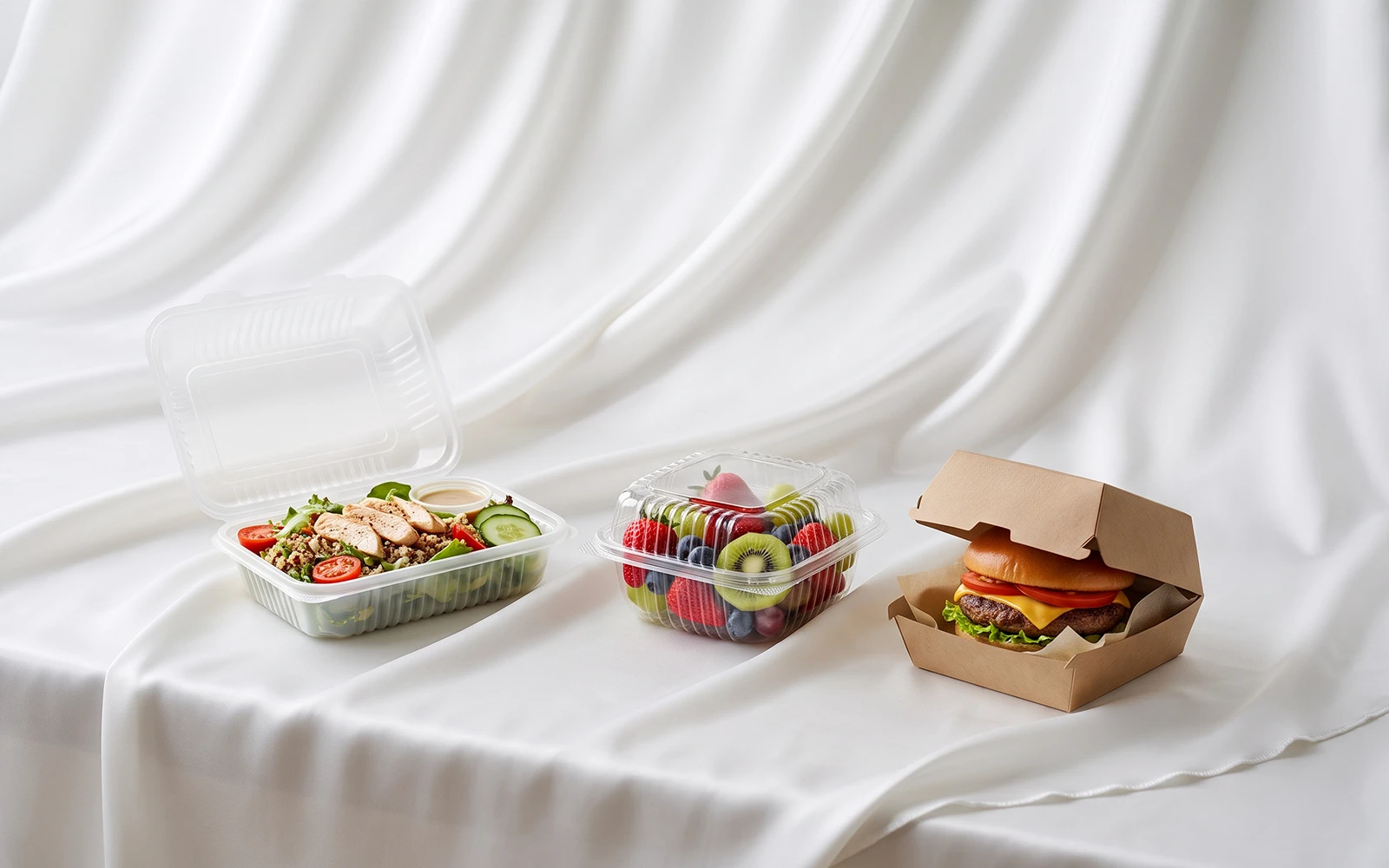

The ubiquitous disposable food tray has become an essential component of modern food service operations. From quick-service restaurants and hospital cafeterias to airline meals and school lunches, these convenient containers have transformed how we package, transport, and consume prepared foods. For procurement managers in the food service industry, disposable food trays represent a significant purchasing category that intersects operational efficiency, cost management, and increasingly, environmental responsibility.
While the convenience and sanitary benefits of disposable food trays are well-established, their environmental impact1 has come under increasing scrutiny from consumers, regulators, and sustainability advocates. This heightened attention has created both challenges and opportunities for food service businesses seeking to balance practical needs with environmental responsibility. Understanding the true environmental impact of different disposable food tray options has become essential for making informed procurement decisions2.
This article examines the complex environmental footprint of disposable food trays across their entire lifecycle, from raw material extraction and manufacturing to distribution, use, and end-of-life management. By exploring the nuances of different materials, production processes, and disposal scenarios, we aim to provide food service procurement professionals with a comprehensive understanding that goes beyond simplistic “good versus bad” narratives. This knowledge can inform more sophisticated purchasing strategies that align operational requirements with genuine environmental improvement.

Understanding the Lifecycle Environmental Impact
Assessing the true environmental impact of disposable food trays requires examining their entire lifecycle rather than focusing on a single aspect.
Raw Materials and Resource Consumption
The environmental journey begins with the materials that form the foundation of different disposable food trays:
Fossil fuel-based plastics like polystyrene (PS), polypropylene (PP), and polyethylene terephthalate (PET) dominate the conventional disposable food tray market. These materials derive from petroleum or natural gas, non-renewable resources with significant extraction impacts including habitat disruption, potential water contamination, and greenhouse gas emissions. The production of virgin plastic resins is energy-intensive, with approximately 4-8% of global oil production directed toward plastic manufacturing. For food service businesses using conventional plastic trays, this upstream resource consumption represents a significant portion of their packaging’s environmental footprint, though it often remains invisible to end users.
Paper and molded fiber alternatives utilize cellulose from trees or agricultural residues as their primary raw material. While renewable, these resources still carry environmental implications including land use, water consumption, and potential habitat impacts if not sourced responsibly. Sustainable forestry practices and certification systems like FSC (Forest Stewardship Council) can significantly reduce these impacts. For food service operations transitioning to paper-based alternatives, understanding fiber sourcing becomes an important component of environmental due diligence, particularly as demand for these materials increases across multiple industries.
Bioplastics derived from crops like corn, sugarcane, or cassava represent a growing category of disposable food tray materials. These renewable feedstocks reduce dependence on fossil resources but introduce their own environmental considerations including agricultural land use, water consumption, fertilizer application, and potential competition with food production. The environmental profile of these materials varies significantly based on agricultural practices, with organic or regenerative farming methods potentially offering improved outcomes. For food service businesses considering bioplastic trays, the agricultural production methods behind these materials merit attention beyond simply choosing “plant-based” options.
Aluminum used in some disposable food trays derives from bauxite ore, requiring energy-intensive mining and processing operations. While aluminum is technically a non-renewable resource, it’s highly recyclable with minimal quality loss, potentially reducing the need for virgin material extraction over time. The initial production of aluminum carries a substantial environmental footprint, but this impact can be amortized through multiple recycling cycles. For food service applications using aluminum trays, the actual environmental performance depends heavily on successful collection and recycling rather than the inherent properties of the material itself.
The following table compares typical resource requirements for producing different disposable food tray materials:
| Material | Primary Resources | Water Usage (per kg) | Energy Input (per kg) | Land Use Implications | Renewability |
|---|---|---|---|---|---|
| Polystyrene (PS) | Petroleum, natural gas | 80-200 liters | 80-115 MJ | Minimal direct land use | Non-renewable |
| PET | Petroleum, natural gas | 100-300 liters | 70-85 MJ | Minimal direct land use | Non-renewable |
| Molded Pulp | Wood pulp, water | 300-500 liters | 25-35 MJ | Forestry management critical | Renewable if managed sustainably |
| Bioplastic (PLA) | Corn, sugarcane, etc. | 200-500 liters | 40-55 MJ | Agricultural land use | Renewable |
| Aluminum | Bauxite ore, electricity | 400-500 liters | 150-220 MJ | Mining footprint | Non-renewable but infinitely recyclable |
The above data is for reference only.
Manufacturing Processes and Emissions
The conversion of raw materials into finished food trays involves various processes with environmental implications:
Energy consumption during manufacturing varies significantly across different tray materials and production technologies. Conventional plastic trays typically undergo energy-intensive processes including extrusion, thermoforming, and sometimes foam expansion, with polystyrene foam (EPS) trays generally requiring more energy than solid plastic alternatives. Paper-based trays utilize pulping, molding, and drying processes that can be energy-intensive, particularly during the drying phase. The environmental impact of this energy use depends heavily on the energy sources powering manufacturing facilities, with renewable energy potentially reducing the carbon footprint substantially. For food service businesses evaluating tray options, understanding both the energy intensity of production and the energy sources used can provide important differentiation beyond material type alone.
Water usage in production processes is particularly significant for paper-based alternatives, which require substantial water for pulping and forming operations. While much of this water is typically recirculated within manufacturing systems, some consumption and wastewater generation remains inevitable. Plastic production generally requires less direct water usage during the manufacturing phase, though water is consumed during the earlier petrochemical processing stages. For food service operations in water-stressed regions or with specific water conservation goals, these differences in manufacturing water requirements may be relevant to procurement decisions.
Chemical inputs vary across production processes, with potential environmental implications from both the chemicals themselves and their management. Plastic production involves various additives including plasticizers, stabilizers, and colorants, some of which have raised environmental or health concerns. Paper production typically involves chemicals for pulping, bleaching (if whitened), and sometimes coatings or additives to provide moisture resistance. Responsible manufacturers implement chemical management systems to minimize releases to the environment and worker exposure. For food service businesses concerned about chemical footprints, inquiring about manufacturing chemical management practices and potential residual chemicals in finished products provides insight beyond basic material selection.
Transportation emissions between production stages can contribute significantly to overall environmental impact, particularly when global supply chains involve multiple processing locations. For instance, raw materials might be extracted in one region, processed into base materials in another, converted to packaging in a third, and finally shipped to food service operations. These transportation links add carbon emissions and other pollutants to the lifecycle footprint. For food service procurement teams, understanding the geographic footprint of their packaging supply chain can identify opportunities for environmental improvement through more localized sourcing or consolidated production.
Distribution and Storage Considerations
The journey from manufacturer to end-user involves environmental factors often overlooked in packaging assessments:
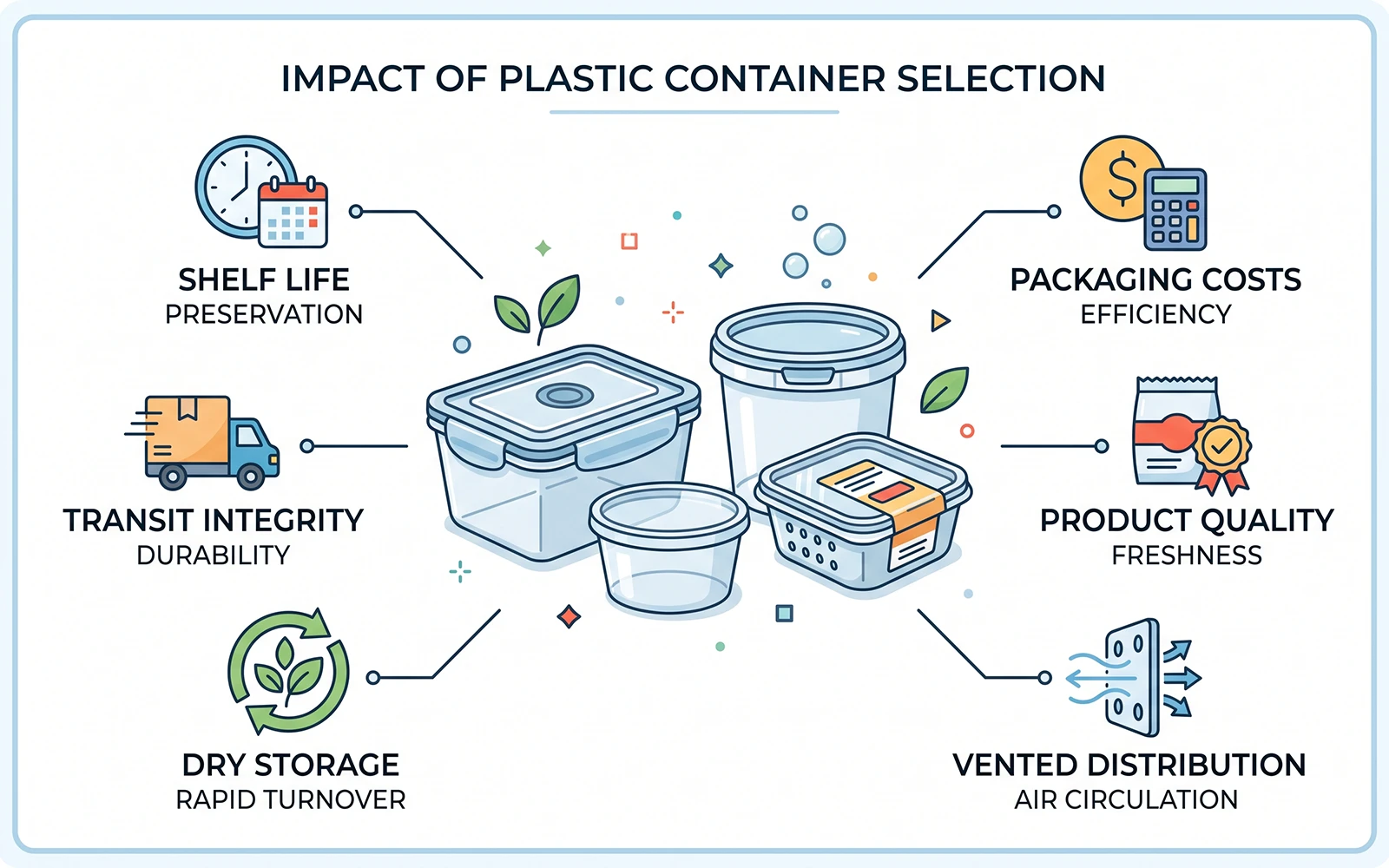
Shipping efficiency varies significantly between different tray designs and materials. Nested rigid plastic trays typically offer good shipping density, while foam trays occupy more volume per unit due to their inherent bulkiness. Some innovative designs feature stackable or collapsible configurations that maximize transportation efficiency. The environmental implications include not only reduced transportation emissions per unit but also potential warehouse space optimization and handling efficiencies. For food service operations managing large volumes of disposable trays, these shipping efficiencies can simultaneously reduce environmental impact and operational costs.
Packaging for packaging represents an often-overlooked environmental consideration. Disposable food trays typically arrive at food service operations in secondary packaging including cardboard boxes, plastic wrapping, and sometimes individual sleeves or separators. This additional packaging creates its own environmental footprint and waste management requirements. Some manufacturers have developed reduced-packaging delivery systems or reusable transport packaging to address this challenge. For procurement managers, evaluating not just the trays themselves but also how they’re packaged for delivery can identify hidden environmental impacts and improvement opportunities.
Storage requirements vary between materials, with some requiring climate-controlled environments to prevent degradation or deformation. Bioplastics like PLA, for instance, may require cooler storage temperatures than conventional plastics to maintain their properties in certain climates. Paper-based products might require humidity control to prevent moisture absorption and quality degradation. These storage requirements can create additional environmental impacts through energy consumption for climate control. For food service operations with limited storage space or in challenging climates, these material-specific storage considerations may influence both environmental outcomes and practical usability.
Shelf life differences between materials can affect waste rates from expired or damaged inventory. Conventional plastics typically offer excellent stability and long shelf life, while some alternative materials may degrade more quickly, particularly in challenging storage conditions. This degradation can lead to increased waste if inventory management doesn’t account for these differences. For food service businesses transitioning to alternative materials, adjusting ordering patterns and inventory management to align with potentially different shelf life characteristics helps prevent unintended waste generation that could undermine environmental benefits.
Use Phase and Functional Performance
The actual use of disposable food trays introduces additional environmental considerations:
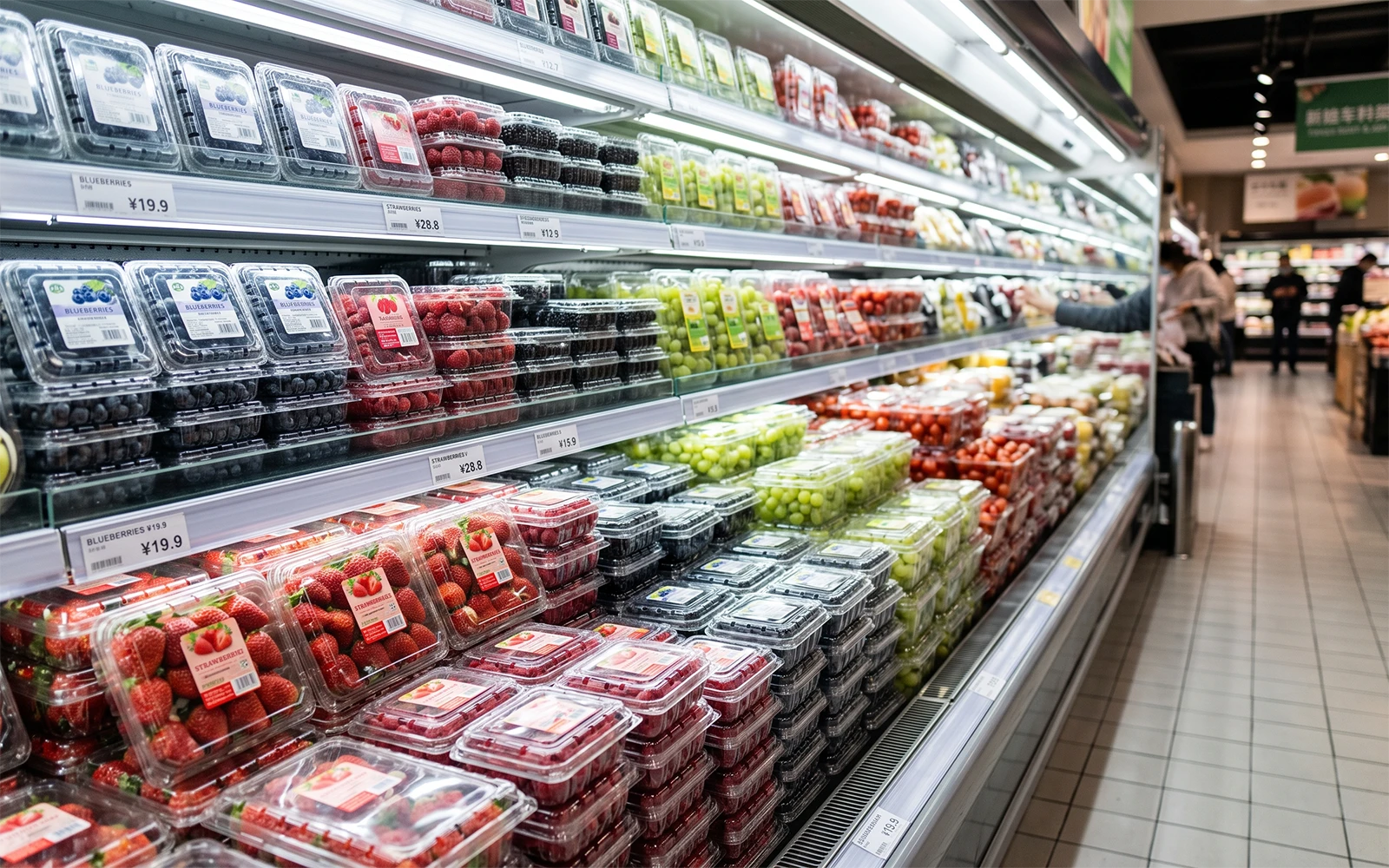
Food preservation effectiveness varies between tray materials and designs, potentially affecting food waste rates. Trays with appropriate barrier properties and structural integrity help maintain food quality and safety throughout the intended service life. Since food production typically carries a much larger environmental footprint than packaging, preventing food waste through effective packaging can sometimes outweigh the environmental impact of the packaging itself. For food service operations, especially those with extended holding times or delivery services, evaluating how different tray options perform in actual use conditions provides important environmental context beyond material selection alone.
Energy requirements for use differ across materials, particularly for applications involving heating or cooling. Aluminum trays conduct heat efficiently, potentially reducing heating energy in applications like catering or meal delivery. Some plastic trays require lower energy for heating than fiber alternatives due to lower thermal mass. These differences in energy efficiency during use can be particularly significant for operations with high-volume heating or cooling processes. For food service businesses with substantial energy use during the packaging use phase, these operational energy differences may significantly influence the overall environmental profile.
Secondary packaging needs vary based on the inherent properties of different tray materials. Some trays might require additional items like plastic film covers, cardboard sleeves, or separate sauce containers based on their design and material properties. These additional components create their own environmental footprints that should be considered in the overall system assessment. For comprehensive environmental evaluation, food service operations should consider the complete packaging system required for their specific applications rather than focusing exclusively on the tray itself.
Reuse potential exists for some disposable tray types, particularly more durable options like certain plastic or aluminum designs. While not intended for commercial reuse, consumer repurposing for food storage or other applications can extend the useful life before disposal. Some food service businesses have explored semi-durable designs specifically intended to encourage consumer reuse. For operations interested in this approach, selecting materials and designs that facilitate safe consumer reuse can provide additional environmental benefits beyond the initial use case, though this requires clear communication about proper cleaning and appropriate reuse scenarios.
End-of-Life Pathways and Waste Management
The final stage of the lifecycle often determines the ultimate environmental impact of disposable food trays:
Landfill outcomes vary significantly between materials. Conventional plastics may persist for hundreds of years with minimal degradation, contributing to long-term landfill volume. Paper-based materials generally break down more quickly but may generate methane, a potent greenhouse gas, if decomposing in anaerobic landfill conditions without methane capture systems. Biodegradable materials like PLA also require specific conditions to break down properly and may not degrade significantly in modern landfills designed to minimize moisture and biological activity. For food service operations in regions where landfilling remains the primary waste management approach, these differences in landfill behavior represent important environmental considerations.
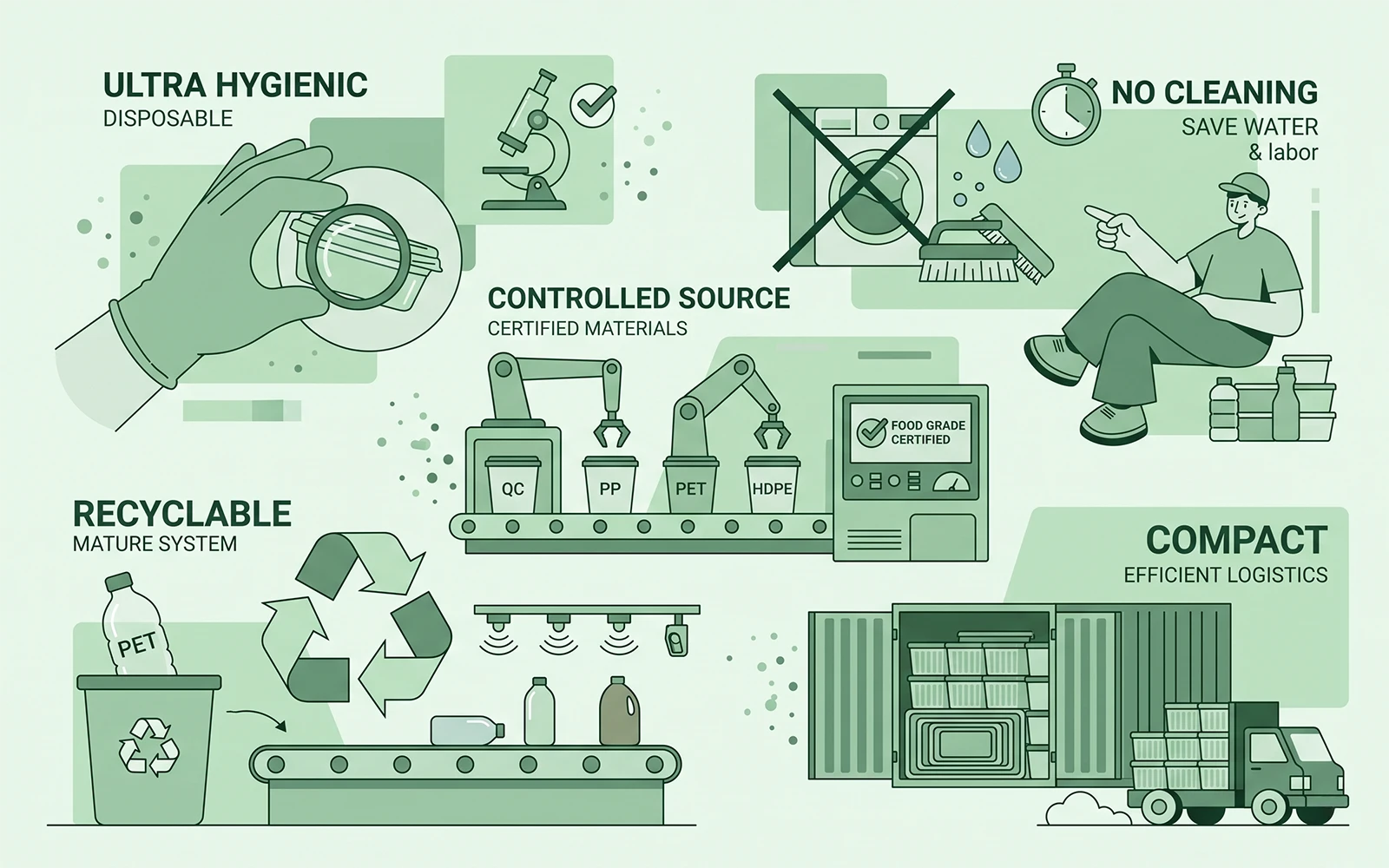
Recycling feasibility differs dramatically across tray materials and local recycling infrastructure. Clean, single-material trays made from widely recycled plastics like PET or PP may be recyclable in many systems, while foam polystyrene typically faces more limited recycling options. Paper-based trays with plastic coatings or food contamination often prove challenging for recycling systems. Aluminum trays generally offer excellent recyclability when clean. The actual environmental benefit of potentially recyclable packaging depends entirely on whether effective collection, sorting, and processing systems exist in the specific market. For food service businesses, understanding the actual recycling rates and infrastructure for different materials in their operating regions provides crucial context for environmental claims about recyclability.
Composting potential exists for certain fiber-based trays and certified compostable bioplastics, but with important caveats. These materials typically require industrial composting facilities rather than home composting or natural environments to break down properly. The environmental benefit depends entirely on whether appropriate composting infrastructure exists and whether the trays actually reach these facilities rather than landfills or recycling streams. For food service operations considering compostable options, verifying the existence of appropriate composting infrastructure and establishing systems to ensure proper sorting and collection is essential for realizing potential environmental benefits.
Incineration with energy recovery represents another end-of-life pathway in some regions, with different materials offering varying energy values. Plastics typically provide high calorific value in waste-to-energy systems, essentially serving as fossil fuel alternatives. Paper-based materials offer lower but still significant energy content. The environmental implications of this pathway depend on the efficiency of energy recovery systems, emissions controls, and the energy sources being displaced. For operations in regions utilizing waste-to-energy systems, understanding how different materials perform in these systems provides additional context for environmental assessment.
The following table summarizes typical end-of-life scenarios for common disposable food tray materials:
| Material | Recyclability | Compostability | Landfill Behavior | Energy Recovery Value |
|---|---|---|---|---|
| Polystyrene (PS) | Limited infrastructure | Not compostable | Persists indefinitely | High energy value |
| PET | Widely recyclable when clean | Not compostable | Persists indefinitely | High energy value |
| Uncoated Paper | Recyclable when clean | Compostable | Degrades over time, may produce methane | Moderate energy value |
| Coated Paper | Limited recyclability | Varies by coating | Slower degradation than uncoated | Moderate energy value |
| PLA Bioplastic | Limited infrastructure | Industrial composting only | Minimal degradation in modern landfills | Moderate energy value |
| Aluminum | Highly recyclable | Not compostable | Persists indefinitely | Not typically incinerated |
The above data is for reference only.

Comparative Environmental Impact of Common Tray Materials
Different tray materials present distinct environmental profiles with various tradeoffs.
Conventional Plastic Trays
Polystyrene, polypropylene, and PET represent the most common conventional plastic tray materials:
Carbon footprint considerations for conventional plastic trays include both the embedded fossil carbon in the material itself and the emissions generated during production. Polystyrene foam (EPS) trays typically have lower production emissions per unit than solid plastic alternatives due to their lower material content, but their larger volume increases transportation emissions. Rigid PET or PP trays generally offer good material efficiency but still carry the carbon burden of fossil-based materials. Life cycle assessments typically show that the majority of greenhouse gas impacts occur during the raw material and manufacturing phases rather than end-of-life management. For food service operations with carbon reduction goals, these production-phase emissions represent a significant consideration when evaluating conventional plastic options.
Waste volume implications vary between plastic tray types. Foam trays occupy significant landfill volume relative to their weight and compress poorly in waste management systems. Rigid plastic trays generally create less physical waste volume but still persist in landfill environments. The visual impact of plastic waste, particularly in litter or marine environments, has created significant public concern beyond the quantitative waste volume. For food service businesses in regions with limited landfill capacity or high disposal costs, the physical waste volume of different plastic options may have both environmental and economic relevance.
Resource efficiency perspectives on plastic trays present a complex picture. While petroleum-based plastics consume non-renewable resources, they typically require relatively little material per functional unit due to their inherent strength and barrier properties. This material efficiency can translate to transportation efficiency and potentially lower overall resource consumption compared to some alternatives requiring more material for equivalent performance. For balanced environmental assessment, food service operations should consider this resource efficiency alongside the non-renewable nature of the resources consumed.
Chemical concerns associated with certain plastic trays include potential leaching of additives or residual monomers, particularly when containing hot, fatty, or acidic foods. Styrene from polystyrene and plasticizers from some other plastics have raised health questions, though regulatory agencies generally consider approved food-contact plastics safe when used as intended. Beyond direct human health considerations, some plastic additives may have environmental persistence or toxicity concerns if released during production or after disposal. For food service businesses, understanding the specific formulation of plastic trays and selecting options without chemicals of concern provides additional environmental and safety assurance.
Paper and Fiber-Based Alternatives
Molded pulp, paperboard, and other fiber-based materials offer different environmental characteristics:
Renewable resource advantages represent a primary environmental benefit of paper-based trays. When sourced from responsibly managed forests or agricultural byproducts, these materials utilize renewable resources that can be replenished within human timeframes, unlike fossil-based alternatives. Certification systems like FSC provide verification of sustainable forestry practices. The renewable nature of these materials reduces dependence on finite resources and potentially offers climate benefits through ongoing carbon sequestration in managed forests. For food service operations prioritizing renewable resource use, these fiber-based options align well with sustainability objectives focused on resource type rather than just efficiency metrics.
Manufacturing energy and water intensity often exceeds that of plastic alternatives, particularly for molded pulp products requiring significant drying energy. The pulping process also typically consumes substantial water, though modern facilities implement extensive water recycling systems. The environmental impact of this energy and water use depends significantly on the specific manufacturing facilities and their efficiency measures. For comprehensive environmental assessment, food service businesses should consider these manufacturing impacts alongside the renewable nature of the base materials.
Functional limitations of fiber-based trays include generally lower moisture and grease resistance unless treated with additional coatings or additives. These functional requirements often necessitate either plastic laminations, which can complicate recycling, or chemical treatments, which may introduce their own environmental considerations. The need for these additional treatments to achieve necessary performance characteristics can partially offset the environmental advantages of the base fiber materials. For food service applications with demanding performance requirements, understanding the specific treatments used in fiber-based options provides important context for environmental evaluation.
Biodegradability benefits vary significantly based on specific formulations. Uncoated paper products generally biodegrade relatively quickly in appropriate conditions, while heavily coated or treated papers may break down more slowly or incompletely. This biodegradability can reduce long-term waste persistence compared to conventional plastics, particularly in environments where littering or unmanaged disposal occurs. However, in modern landfills designed to minimize degradation, even biodegradable materials may persist for extended periods. For food service operations, understanding the actual biodegradation behavior in likely disposal environments provides more realistic environmental assessment than assuming rapid breakdown in all scenarios.
Bioplastic-Based Trays
PLA and other bioplastic materials offer distinct environmental characteristics:
Renewable feedstock benefits include reduced dependence on fossil resources and potential carbon sequestration during crop growth. These agricultural feedstocks like corn, sugarcane, or cassava represent renewable resources that can be replenished annually, unlike the petroleum or natural gas used for conventional plastics. However, the environmental impact of these agricultural inputs varies significantly based on farming practices, with conventional intensive agriculture carrying higher impacts than organic or regenerative approaches. For food service businesses considering bioplastic trays, understanding the specific agricultural practices behind the raw materials provides important environmental context beyond simply choosing “plant-based” options.
Carbon footprint complexities arise from the agricultural production, processing, and manufacturing phases of bioplastic trays. While the growing plants absorb carbon dioxide, the farming operations, fertilizer production, and conversion processes also generate emissions. The net climate impact depends on these factors along with end-of-life management scenarios. Some life cycle assessments show modest climate benefits for certain bioplastics compared to fossil-based alternatives, while others show similar or even higher lifecycle emissions depending on production methods and system boundaries. For food service operations with specific carbon reduction goals, requesting specific life cycle assessment data for particular bioplastic products provides more reliable guidance than general material category assumptions.
End-of-life reality challenges include the limited availability of industrial composting facilities required for proper biodegradation of many bioplastics. Materials like PLA require specific temperature and microbial conditions typically found only in industrial composting operations, not in home composting systems or natural environments. Without access to these facilities, bioplastic trays may end up in landfills where they degrade very slowly or in recycling streams where they can contaminate conventional plastic recycling. For food service businesses considering compostable bioplastics, verifying the existence of appropriate composting infrastructure in their operating regions is essential for realizing potential environmental benefits.
Land use implications arise from the agricultural production of bioplastic feedstocks, raising questions about competition with food production and potential habitat conversion. While current bioplastic production utilizes a tiny fraction of global agricultural capacity, significant scaling could potentially compete with food crops or drive land use changes. Some newer approaches utilize agricultural residues or non-food crops grown on marginal lands to address these concerns. For food service operations with comprehensive sustainability programs, considering these broader land use implications provides important context for bioplastic adoption decisions.
Aluminum Trays
Aluminum offers unique environmental characteristics compared to other disposable tray materials:
High initial production impact represents aluminum’s primary environmental challenge. The extraction of bauxite ore and its conversion to aluminum through the energy-intensive Hall-Héroult electrolysis process results in significant greenhouse gas emissions and other environmental impacts. This high production footprint creates a substantial initial environmental investment that must be considered alongside aluminum’s other characteristics. For single-use applications with no recycling, this high production impact makes aluminum a relatively high-impact choice compared to alternatives.
Infinite recyclability without quality loss represents aluminum’s most significant environmental advantage. Unlike most materials that degrade through recycling cycles, aluminum can be recycled repeatedly while maintaining its essential properties. Recycling aluminum requires approximately 95% less energy than primary production, dramatically reducing the environmental footprint for recycled content or products that actually get recycled after use. For food service operations in regions with effective aluminum recycling systems, this recyclability can significantly improve the lifecycle environmental performance of aluminum trays.
Excellent functional properties include superior heat conductivity, absolute barrier properties, and structural integrity. These characteristics make aluminum particularly suitable for certain applications like dual-oven compatibility (conventional and microwave with appropriate design), long-term storage, or situations requiring excellent food preservation. In some applications, these functional advantages may prevent food waste or reduce energy use during heating, potentially offsetting some of the material’s higher production impacts. For food service applications where these functional properties provide significant operational benefits, these advantages should be considered alongside the material’s environmental profile.
Collection and recycling rates ultimately determine aluminum’s actual environmental performance in specific markets. While technically recyclable indefinitely, aluminum trays only deliver on this potential if effective collection systems exist and consumers properly participate in them. Actual recycling rates for aluminum trays vary dramatically between regions and between commercial and consumer environments. For food service operations considering aluminum trays, understanding the specific recycling rates and infrastructure in their operating regions provides essential context for environmental assessment.
Contextual Factors Affecting Environmental Impact
The actual environmental impact of disposable food trays depends heavily on specific contextual factors beyond just material selection.
Regional Infrastructure Variations
Local waste management systems dramatically influence environmental outcomes:
Recycling infrastructure availability varies enormously between regions, affecting the actual environmental performance of theoretically recyclable trays. Some regions have sophisticated collection, sorting, and processing systems for a wide range of materials, while others have limited or non-existent recycling programs. Even within the same country, recycling access and effectiveness can vary dramatically between urban and rural areas or between different municipalities. For food service operations with locations across different regions, these infrastructure variations may necessitate different packaging strategies for optimal environmental performance in each market.
Composting facility access remains limited in many regions, particularly for commercial composting operations capable of processing compostable packaging. Without these facilities, compostable trays often end up in landfills where they may not break down as intended or in recycling streams where they can cause contamination. The environmental benefit of compostable packaging depends entirely on whether appropriate processing facilities exist and whether the packaging actually reaches these facilities. For food service businesses considering compostable options, verifying not just the technical compostability of the packaging but also the practical availability of appropriate processing infrastructure is essential for realizing potential benefits.
Landfill management practices vary significantly in their environmental implications. Modern engineered landfills with methane capture systems, leachate management, and proper siting minimize environmental impacts compared to older or less regulated facilities. In regions with advanced landfill gas capture and energy recovery, even landfilled materials can generate some environmental benefit through energy production from captured methane. For food service operations in regions with different landfill standards, these variations in waste management infrastructure provide important context for packaging environmental assessments.
Energy grid composition significantly affects the environmental impact of manufacturing processes and waste management operations. Regions powered primarily by renewable energy will show lower carbon footprints for energy-intensive manufacturing processes compared to those relying on coal or other high-carbon sources. Similarly, the environmental benefit of waste-to-energy systems depends partly on the carbon intensity of the energy they displace. For global food service businesses, these regional energy differences can create situations where the same packaging material or design might have significantly different environmental profiles when produced or used in different locations.
Application-Specific Considerations
The specific use case significantly influences environmental impact:
Food type compatibility requirements may limit material options for certain applications. Hot foods with high moisture content may not be compatible with untreated fiber-based containers, while acidic or fatty foods may interact problematically with some bioplastics or coatings. Forcing an environmentally preferable material into an incompatible application can lead to performance failures, food waste, or safety concerns that outweigh potential environmental benefits. For food service operations, aligning packaging material selection with specific food compatibility requirements ensures both functional performance and environmental improvement.
Service temperature range needs vary dramatically between cold salads, ambient temperature snacks, and hot prepared meals. Different materials perform differently across temperature ranges, with some becoming brittle when cold or deforming when hot. These temperature performance requirements may necessitate specific materials or designs that affect environmental profiles. For operations serving foods across different temperature ranges, understanding these performance variations helps identify the most appropriate environmentally improved options for each specific application.
Expected service duration influences the required durability and barrier properties of food trays. Applications with very short service times between packaging and consumption may perform adequately with simpler, less resource-intensive packaging compared to those requiring extended freshness or integrity. Aligning packaging performance with actual service requirements can prevent over-specification that increases environmental impact without functional benefit. For food service operations with diverse service duration needs, tailoring packaging selection to specific timeframe requirements can optimize both functional performance and environmental impact.
Branding and presentation requirements sometimes conflict with environmental optimization. Premium visual presentation may require materials or features that carry higher environmental impacts, creating tension between marketing objectives and environmental goals. Creative design approaches can sometimes resolve these tensions through innovative solutions that meet both sets of requirements. For food service businesses where visual presentation significantly influences consumer purchasing decisions, finding this balance between environmental improvement and necessary presentation quality represents an important optimization challenge.
Scale and Volume Implications
The quantity of packaging used significantly affects both environmental and economic considerations:
High-volume applications amplify both environmental impacts and improvement opportunities. Operations using millions of disposable trays annually will see more significant absolute environmental impacts from their packaging choices than small-scale users. However, these high-volume operations also have greater leverage with suppliers to request environmental improvements and may achieve economies of scale that make premium environmental options more economically viable. For large food service operations, this scale advantage can create opportunities to drive market transformation through purchasing power while potentially accessing better pricing for environmentally improved options.
Custom design possibilities increase with volume, potentially enabling optimized environmental performance. High-volume users can often justify custom designs that minimize material use, optimize transportation efficiency, or incorporate specific environmental features not available in standard offerings. These custom solutions can deliver environmental improvements while also providing brand differentiation and operational benefits. For food service operations with sufficient volume to support custom development, working directly with packaging manufacturers to create optimized designs can yield superior environmental outcomes compared to off-the-shelf options.
Transportation efficiency becomes increasingly important at scale, with small design changes potentially yielding significant environmental and economic benefits when multiplied across millions of units. Stackable or nestable designs that increase shipping density can reduce transportation emissions and costs substantially for high-volume applications. For large food service operations, considering these transportation efficiencies alongside material selection provides a more comprehensive environmental assessment and often identifies synergies between environmental and economic objectives.
Waste management costs scale directly with volume, potentially creating economic incentives aligned with environmental improvement. For high-volume operations, reducing packaging weight, switching to materials with lower disposal costs, or implementing systems that divert packaging from expensive disposal pathways can deliver substantial cost savings alongside environmental benefits. These economic drivers can help justify investments in packaging improvements or system changes that might otherwise appear financially challenging. For food service businesses operating at scale, calculating these potential waste management savings provides important financial context for environmental improvement initiatives.
Strategies for Reducing Environmental Impact
Several approaches can meaningfully improve the environmental profile of disposable food trays.
Material Selection and Optimization
Thoughtful material choices can significantly reduce environmental impact:
Fit-for-purpose material selection matches environmental performance with actual functional requirements rather than over-specifying. This approach identifies the minimum necessary performance characteristics for each specific application and selects materials that meet these requirements with the lowest environmental impact. For instance, a short service-time application might perform adequately with a simpler material compared to one requiring extended shelf life or heat resistance. For food service operations with diverse packaging needs, this tailored approach typically yields better environmental outcomes than applying a single material solution across all applications.
Multi-factor assessment frameworks help navigate complex environmental tradeoffs between different impact categories. Rather than focusing exclusively on a single metric like recyclability or carbon footprint, comprehensive frameworks consider multiple environmental dimensions including resource depletion, energy use, water consumption, pollution potential, and waste management pathways. These balanced assessments prevent problem-shifting where improving one environmental aspect inadvertently worsens others. For food service businesses seeking genuine environmental improvement rather than simplified marketing claims, these multi-factor assessments provide more reliable guidance despite their greater complexity.
Recycled content incorporation reduces virgin resource consumption and often lowers overall environmental impact, particularly for materials with energy-intensive primary production like aluminum or certain plastics. The environmental benefit varies based on the specific material, recycling process efficiency, and quality requirements of the application. Food contact regulations limit recycled content options for direct food contact surfaces, though some materials like PET and aluminum have established food-grade recycling processes. For food service operations looking to improve packaging environmental performance, maximizing recycled content within regulatory constraints and performance requirements offers a straightforward improvement pathway.
Weight reduction through design optimization or material selection can yield environmental benefits across the entire lifecycle. Lighter packaging typically requires less material and energy to produce, generates less transportation emissions, and creates less waste by weight at disposal. However, weight reduction must not compromise necessary functional performance or durability, as packaging failures that cause food waste typically create larger environmental impacts than the packaging itself. For food service businesses, working with packaging suppliers to identify weight reduction opportunities while maintaining performance can deliver environmental improvements that often align with cost reduction objectives.
System Design Approaches
Looking beyond individual packaging items to broader systems can identify additional improvement opportunities:
Portion size optimization reduces both food and packaging waste by aligning serving sizes with actual consumption patterns. Offering appropriate portion options prevents the environmental impact of both excess food production and unnecessary packaging. This system-level approach recognizes the interconnection between food and packaging environmental footprints rather than treating them as separate considerations. For food service operations with flexibility in portion offerings, analyzing consumption patterns to optimize serving sizes can yield environmental benefits beyond packaging-specific improvements.
Secondary packaging reduction or reusable systems can significantly decrease overall packaging environmental impact. Disposable food trays often arrive in cardboard boxes, plastic wraps, or other secondary packaging that creates additional environmental footprint beyond the trays themselves. Minimizing this secondary packaging through design improvements or implementing reusable shipping containers for business-to-business distribution can reduce overall system impact. For food service operations receiving large volumes of disposable trays, working with suppliers to optimize or create return programs for secondary packaging offers environmental improvement opportunities beyond the primary packaging itself.
Centralized preparation with reusable containers for internal operations can reduce disposable packaging needs in some food service environments. For instance, preparing food in central kitchens using durable containers and only transferring to disposable packaging for final service or delivery can significantly reduce overall packaging use. This approach maintains the convenience and hygiene benefits of disposable packaging for consumer-facing applications while reducing internal packaging waste. For operations with centralized production and multiple service points, evaluating these hybrid systems can identify substantial packaging reduction opportunities.
Supply chain collaboration creates opportunities for system-level environmental improvements beyond what individual businesses can achieve alone. Working with suppliers on packaging design, manufacturers on material development, and waste management providers on recovery systems creates more comprehensive solutions than isolated efforts. These collaborative approaches can address challenges like material innovation, recycling infrastructure development, or compostable packaging collection that require coordination across multiple stakeholders. For food service businesses seeking transformative rather than incremental environmental improvements, these collaborative initiatives often yield more significant long-term benefits despite requiring greater initial coordination effort.
Operational Best Practices
Day-to-day operational practices significantly influence packaging environmental impact:
Inventory management optimization prevents waste from expired or damaged packaging. Implementing appropriate stock rotation, storage practices, and ordering patterns ensures packaging is used before it deteriorates, particularly important for materials with shorter shelf life like some bioplastics or paper-based options. This operational discipline prevents the environmental impact of producing packaging that never serves its intended purpose. For food service operations transitioning to alternative materials with different shelf life characteristics than conventional options, adjusting inventory management practices accordingly helps prevent unintended waste generation.
Staff training on proper handling and storage extends packaging usable life and prevents waste from damage. Training programs should address material-specific considerations like moisture sensitivity for paper-based options or temperature limitations for certain bioplastics. This operational knowledge helps maintain packaging functionality while preventing unnecessary waste from improper handling. For food service businesses implementing new packaging materials, incorporating specific handling guidance into staff training programs helps ensure successful transition while preventing waste from mishandling.
Consumer communication about proper disposal significantly influences end-of-life environmental impact, particularly for recyclable or compostable options that require specific waste streams. Clear labeling, in-store signage, and staff guidance can improve proper sorting and disposal rates. This communication becomes particularly important when implementing packaging with specific disposal requirements different from conventional options. For food service operations implementing environmentally improved packaging, developing clear consumer communication strategies helps ensure that theoretical environmental benefits translate to actual improvements through proper end-of-life management.
Waste audit implementation provides data-driven insights about packaging flows and disposal patterns, identifying specific improvement opportunities. Regular waste audits help quantify packaging waste volumes, identify problematic items, and measure the effectiveness of reduction or diversion initiatives. This empirical approach ensures that environmental improvement efforts target the most significant impact areas rather than focusing on visible but potentially less impactful aspects. For food service businesses serious about packaging environmental improvement, establishing regular waste audit protocols provides essential baseline data and progress metrics.

Reliancepak’s Approach to Environmentally Improved Food Trays
As a leading supplier of food packaging solutions, Reliancepak has developed comprehensive approaches to environmental improvement.
Material Innovation and Development
Ongoing research and development efforts focus on environmental performance:
Balanced performance formulations optimize environmental characteristics while maintaining essential functionality. Rather than maximizing a single environmental attribute at the expense of performance, these balanced formulations seek the optimal combination of functional properties and environmental benefits for specific applications. This approach recognizes that packaging that fails to perform its essential functions creates more environmental harm through food waste or replacement needs than packaging optimized for both performance and environment. For food service customers with specific performance requirements, these balanced formulations provide practical environmental improvements without operational compromises.
Application-specific material development creates tailored environmental solutions for different food service needs. Rather than one-size-fits-all approaches, these application-specific materials address the particular requirements of different food types, service temperatures, and usage scenarios. This targeted approach delivers better environmental performance than generic solutions by optimizing material selection and design for each specific use case. For food service operations with diverse packaging needs, these application-specific options provide optimized environmental performance across their full packaging portfolio.
Recycled content maximization within safety and performance constraints represents a core environmental strategy. Reliancepak continuously works to increase recycled content percentages while maintaining compliance with food safety regulations and performance requirements. This approach reduces virgin resource consumption and often lowers carbon footprint without compromising essential functionality. For food service customers seeking straightforward environmental improvements, these recycled content options provide verified benefits with minimal operational changes.
Continuous improvement processes ensure ongoing environmental enhancement rather than static solutions. Regular review of material formulations, manufacturing processes, and design features identifies incremental improvement opportunities that collectively deliver significant environmental progress over time. This evolutionary approach recognizes that packaging environmental optimization is a journey rather than a destination, with new opportunities emerging as technologies, materials, and systems advance. For food service partners seeking long-term environmental progress, this commitment to continuous improvement ensures that packaging solutions evolve alongside environmental knowledge and capabilities.
Design and Engineering Services
Technical expertise helps optimize environmental performance for specific applications:
Lightweighting engineering identifies opportunities to reduce material use while maintaining necessary performance. Through structural design optimization, material selection, and performance testing, these engineering services can often achieve significant material reductions compared to standard designs. Since material production typically represents a major portion of packaging environmental impact, these lightweighting initiatives deliver environmental benefits throughout the product lifecycle. For food service operations seeking to reduce packaging environmental footprint while maintaining functionality, these engineering services provide practical pathways to meaningful improvement.
Life cycle assessment support helps quantify environmental impacts across multiple categories and identify improvement priorities. These assessments consider the full packaging lifecycle from raw material extraction through end-of-life management, providing comprehensive environmental profiles rather than single-attribute evaluations. This holistic approach prevents unintended consequences where improving one environmental aspect inadvertently worsens others. For food service businesses seeking data-driven environmental improvement rather than assumption-based decisions, these assessment capabilities provide essential insights despite the complexity involved.
Custom design services create packaging solutions optimized for specific operational and environmental requirements. Rather than adapting standard products, these custom designs address the particular needs of each food service application, often delivering superior environmental performance through optimized material use, improved functionality, or enhanced end-of-life management. While requiring greater development investment than standard options, these custom solutions can provide significant environmental and operational benefits for suitable applications. For food service operations with unique requirements or sufficient volume to justify custom development, these design services can create differentiated solutions with optimized environmental profiles.
Transportation efficiency optimization reduces environmental impact beyond the packaging itself. Through designs that maximize shipping density, minimize secondary packaging, or enable more efficient logistics, these optimizations can significantly reduce transportation-related emissions and costs. For high-volume food service operations, these transportation efficiencies can deliver substantial environmental benefits that complement material-specific improvements while often reducing costs simultaneously.
Transparency and Documentation
Clear information supports informed decision-making:
Environmental impact data provides quantitative information about key metrics like carbon footprint, water usage, and energy consumption for different packaging options. This data helps food service customers understand the relative environmental performance of various alternatives and make informed decisions aligned with their specific environmental priorities. Rather than relying on generic claims or assumptions, this quantitative approach enables data-driven decision-making despite the complexity of packaging environmental assessment. For food service businesses with specific environmental goals or reporting requirements, this impact data provides essential information for both decision-making and communication.
Certification documentation verifies environmental claims through independent third-party assessment. Reliancepak maintains comprehensive documentation for certifications like recycled content verification, compostability certification, sustainable forestry certification, and other relevant environmental credentials. This documentation provides assurance that environmental claims meet established standards rather than representing unverified marketing assertions. For food service operations making specific environmental claims about their packaging, this verification documentation provides essential substantiation for both regulatory compliance and stakeholder communication.
Material disclosure provides transparency about packaging composition, including base materials, additives, and coatings. This disclosure helps food service customers understand exactly what their packaging contains beyond generic material categories, enabling more informed environmental assessment and communication. For businesses with specific chemical policies or concerns about particular substances, this material transparency provides necessary information to align packaging choices with broader environmental and safety objectives.
Regulatory compliance guidance helps navigate the complex landscape of packaging environmental regulations. From extended producer responsibility requirements to restrictions on specific chemicals or materials, this guidance helps food service customers understand regulatory implications of different packaging choices across various markets. For businesses operating in multiple jurisdictions or anticipating regulatory changes, this compliance support helps prevent unexpected challenges while ensuring packaging selections remain viable as regulations evolve.
Future Trends and Developments
Several emerging trends are likely to influence the environmental impact of disposable food trays in coming years.
Regulatory Evolution
Policy developments will increasingly shape packaging environmental performance:
Extended Producer Responsibility (EPR) expansion is creating financial incentives for packaging environmental improvement through fee structures that penalize difficult-to-recycle or high-impact materials while rewarding recyclability, recycled content, and reduced environmental footprint. These systems shift recycling and disposal costs from municipalities to packaging producers, creating direct economic drivers for environmental improvement. For food service businesses, these evolving EPR systems will increasingly influence the total cost of ownership for different packaging options, potentially changing the economic equation for environmentally improved alternatives.
Single-use plastic restrictions continue to expand globally, with bans or taxes on specific materials or applications becoming more common. These restrictions typically target items with high environmental impact, limited recycling options, or common presence in litter or marine environments. While complete bans on food service packaging remain relatively rare due to food safety and practical considerations, restrictions on specific materials like expanded polystyrene are becoming more widespread. For food service operations, monitoring these evolving restrictions helps prevent business disruption from sudden regulatory changes while providing direction for proactive packaging transitions.
Recycled content mandates are emerging in various jurisdictions, requiring minimum percentages of recycled material in certain packaging applications. While food contact applications often receive exemptions or modified requirements due to safety considerations, these mandates are driving increased demand for high-quality recycled materials and investments in food-grade recycling technologies. For food service packaging, these mandates will likely accelerate the availability and quality of recycled content options while potentially affecting material costs and availability as markets adjust.
Chemical regulation tightening continues to restrict substances of concern in food packaging, with particular focus on perfluorinated compounds (PFAS), bisphenols, phthalates, and other chemicals with potential health or environmental concerns. These restrictions drive reformulation of coatings, additives, and processing aids used in various packaging materials. For food service businesses, these evolving chemical regulations highlight the importance of understanding not just basic packaging materials but also specific formulations and additives to ensure both compliance and alignment with consumer expectations for safety.
Material and Technology Innovation
Ongoing development continues to expand environmentally improved options:
Next-generation barrier materials derived from renewable resources are addressing one of the primary functional limitations of many environmentally preferable packaging materials. Innovations in plant-based coatings, cellulose derivatives, and biopolymer formulations are gradually improving moisture, oxygen, and grease resistance without compromising environmental benefits or introducing chemicals of concern. For food service applications requiring significant barrier properties, these emerging materials may soon enable environmental improvements in previously challenging applications.
Advanced recycling technologies are expanding the range of materials that can be effectively recycled and improving the quality of recycled content for food contact applications. Chemical recycling processes that break polymers down to their basic building blocks, enhanced sorting technologies using artificial intelligence, and specialized processes for complex materials are gradually addressing current recycling limitations. For food service packaging, these technologies may eventually enable closed-loop recycling for a wider range of materials, improving the environmental profile of disposable options.
Compostable material performance improvements are addressing current limitations in moisture resistance, heat tolerance, and shelf stability while maintaining biodegradability in appropriate conditions. These advances are gradually expanding the range of food service applications where compostable packaging can deliver both functional performance and environmental benefits. For food service operations in regions with effective composting infrastructure, these improved materials may enable broader adoption of compostable packaging across more challenging applications.
Carbon-negative packaging concepts incorporate materials that sequester more carbon during production than is emitted throughout the entire lifecycle. Approaches include materials derived from regenerative agriculture, packaging incorporating captured carbon dioxide, and systems that generate environmental benefits exceeding their impacts. While still emerging and requiring careful verification to prevent greenwashing, these concepts represent the frontier of packaging environmental improvement. For food service businesses with ambitious climate goals, these developing options may eventually provide packaging solutions that actively benefit rather than merely minimize harm to environmental systems.
System and Business Model Evolution
Broader changes in food service systems will influence packaging environmental impact:
Reusable system expansion for appropriate applications represents a growing trend, particularly for defined environments like corporate campuses, universities, or delivery services with established return mechanisms. These systems typically use durable containers with collection, washing, and redistribution infrastructure to replace single-use packaging. While not suitable for all food service applications, these systems can dramatically reduce environmental impact in appropriate scenarios. For food service operations with controlled environments or predictable customer relationships, evaluating these reusable systems alongside disposable improvements provides a more comprehensive approach to environmental optimization.
Digital technology integration is enabling new approaches to packaging environmental management through QR codes linking to disposal information, blockchain-based material tracking, or apps facilitating packaging return systems. These digital tools help address information gaps, verification challenges, and logistical barriers that currently limit some environmental improvement opportunities. For food service businesses exploring innovative environmental approaches, these digital integrations can provide enabling infrastructure for systems that would be impractical with analog approaches alone.
Collaborative industry initiatives are addressing system-level challenges beyond what individual businesses can solve independently. These collaborations focus on issues like recycling infrastructure development, material innovation, standardization of compostable packaging identification, and consumer education about proper disposal. By sharing costs, expertise, and influence across multiple stakeholders, these initiatives can create broader system changes that enable better environmental outcomes for all participants. For food service businesses seeking transformative rather than incremental environmental improvements, participation in these collaborative efforts often yields greater long-term benefits than isolated actions.
Circular economy business models are reimagining the relationship between packaging, waste, and resources. Rather than linear take-make-dispose approaches, these models design packaging as part of closed-loop systems where materials maintain value and utility through multiple cycles. This fundamental reconceptualization shifts focus from minimizing negative impacts to creating regenerative systems that provide ongoing value. For forward-thinking food service businesses, exploring these circular approaches provides both environmental leadership opportunities and potential long-term competitive advantages as resource constraints and disposal challenges intensify.
Conclusion
The environmental impact of disposable food trays extends far beyond simplistic material comparisons or end-of-life considerations. A comprehensive understanding requires examining the entire lifecycle from raw material extraction through manufacturing, distribution, use, and final disposal. This holistic perspective reveals complex tradeoffs between different environmental impacts and highlights the importance of context-specific assessment rather than universal solutions.
For food service procurement professionals, several key principles can guide more environmentally responsible decisions:
- Match materials to specific application requirements rather than seeking universal solutions, recognizing that different food types, service durations, and disposal scenarios may call for different packaging approaches.
- Consider the complete packaging system including secondary packaging, associated items like cutlery or napkins, and operational factors that influence total environmental impact.
- Understand the actual waste management infrastructure in your specific operating locations, as theoretical recyclability or compostability delivers environmental benefits only when appropriate processing systems exist and are utilized.
- Implement continuous improvement approaches that progressively reduce environmental impact through material optimization, design improvements, operational practices, and system innovations.
- Partner with knowledgeable suppliers like Reliancepak who can provide both environmentally improved products and the technical expertise to ensure they deliver genuine benefits in your specific applications.
While perfect solutions rarely exist, thoughtful analysis and strategic implementation can achieve meaningful environmental improvements while maintaining necessary functionality and business viability. By moving beyond simplistic approaches to embrace the complexity of packaging environmental impact, food service businesses can make genuine progress toward more sustainable operations while continuing to meet customer needs for safe, convenient, and appealing food experiences.