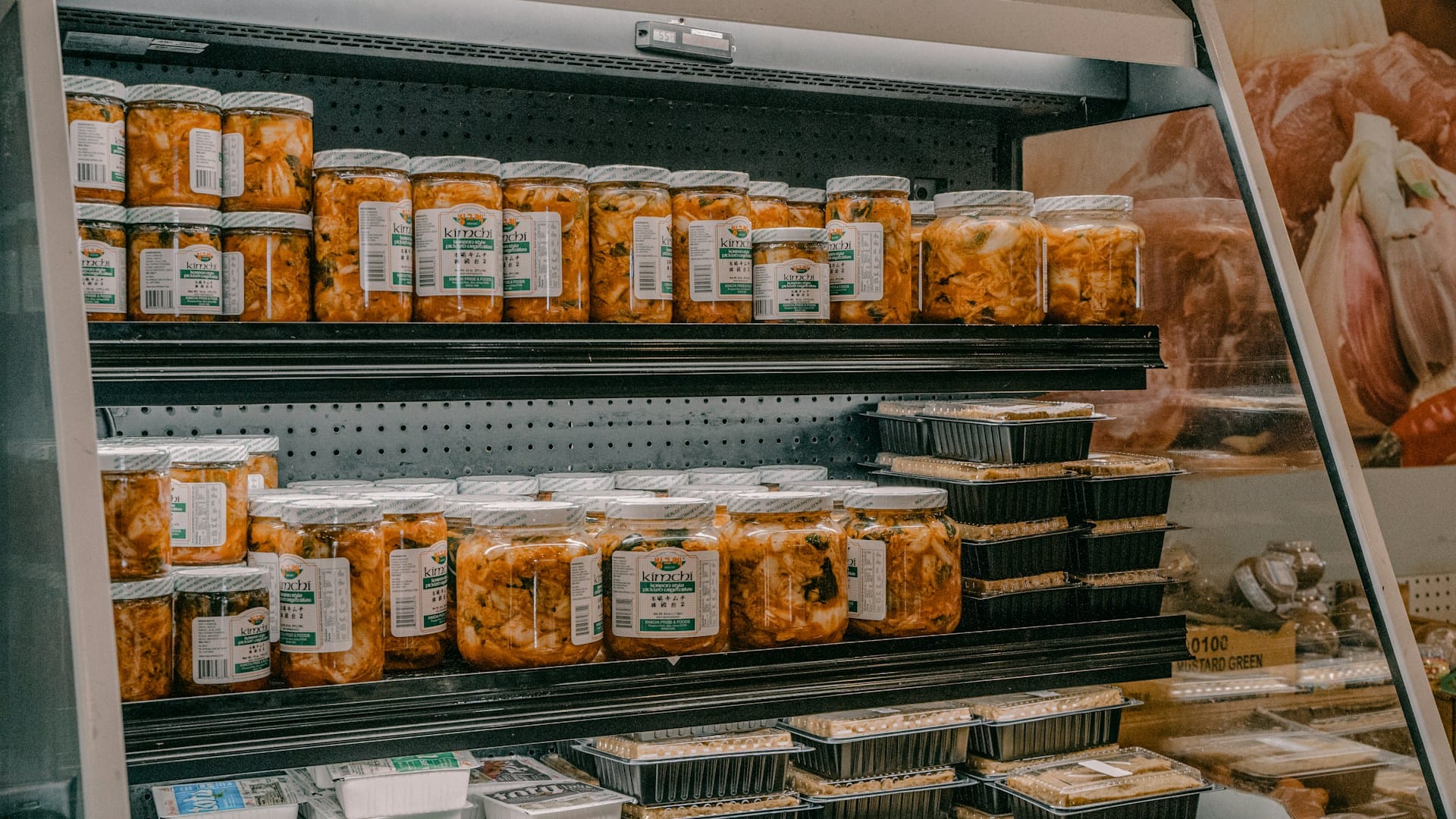
Selecting the right blister tray manufacturer for food packaging is a critical decision that impacts product quality, safety, shelf life, and ultimately, business success. With numerous suppliers claiming expertise in this specialized field, conducting a thorough evaluation process is essential. This article provides a comprehensive framework for identifying, evaluating, and partnering with the ideal blister packaging tray manufacturer for your specific food packaging needs.
Understanding Your Blister Packaging Requirements
Before beginning your search for a manufacturer, clearly defining your specific requirements is essential for making informed comparisons.
Product-Specific Considerations
Different food products demand different packaging properties:
- Moisture Sensitivity1: Products like dried foods require excellent moisture barriers, while fresh produce may need controlled moisture transmission.
- Oxygen Sensitivity: Foods vulnerable to oxidation (e.g., fatty meats, nuts) need packaging with superior oxygen barrier properties.
- Light Sensitivity: Products affected by light exposure (e.g., dairy, oils) benefit from packaging with UV protection.
- Temperature Requirements: Consider whether your products will be frozen, refrigerated, microwaved, or stored at ambient temperatures.
- Product Weight and Dimensions: The physical characteristics of your food products will influence tray design and material requirements.
Documenting these requirements creates a clear benchmark against which potential manufacturers can be evaluated.
Regulatory and Compliance Needs
Food packaging must meet stringent regulatory standards:
- FDA Compliance: In the US, all food contact materials must comply with FDA regulations.
- EU Regulations: European markets require compliance with Regulation (EC) No 1935/2004 and specific measures for plastic materials.
- Migration Testing: Requirements for testing the transfer of substances from packaging to food.
- Industry-Specific Standards: Additional requirements for specific food categories (e.g., dairy, meat, ready-to-eat).
- Sustainability Regulations: Emerging requirements regarding recyclability, compostability, or recycled content.
Your manufacturer must demonstrate compliance with all regulations relevant to your target markets.
Volume and Scalability Requirements
Consider both current and future production needs:
- Initial Order Volumes: Minimum order quantities that align with your production scale.
- Growth Projections: Ability to scale production as your business expands.
- Seasonal Variations: Capacity to handle fluctuations in demand throughout the year.
- Just-in-Time Capabilities: For manufacturers requiring frequent, smaller deliveries.
- Inventory Management Options: Whether the supplier offers warehousing or vendor-managed inventory services.
A manufacturer that can accommodate your growth trajectory will save the disruption of switching suppliers later.
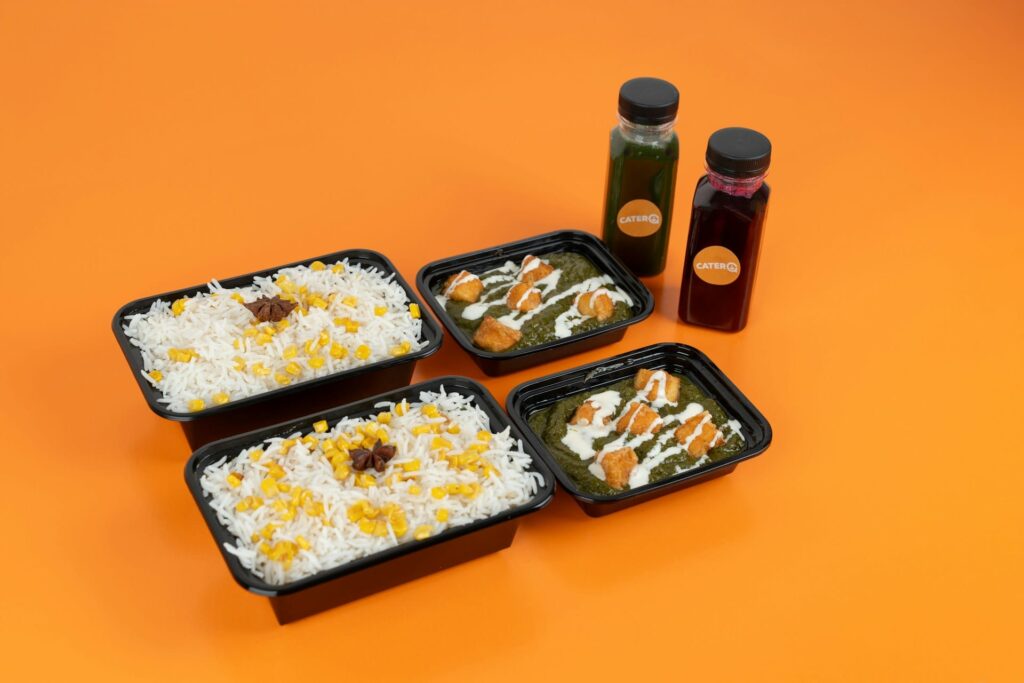
Key Criteria for Evaluating Blister Tray Manufacturers
Once your requirements are defined, these criteria will help identify manufacturers capable of meeting your needs.
Manufacturing Capabilities and Technology
Assess the technological sophistication of potential partners:
- Production Processes: Thermoforming, injection molding, or other relevant technologies.
- Equipment Age and Condition: Modern machinery typically offers better precision and efficiency.
- Automation Level: Higher automation generally provides more consistent quality and competitive pricing.
- Capacity Utilization: A facility running at 95%+ capacity may struggle to accommodate growth or urgent orders.
- Technical Capabilities: Ability to produce complex designs, multi-layer structures, or specialized features.
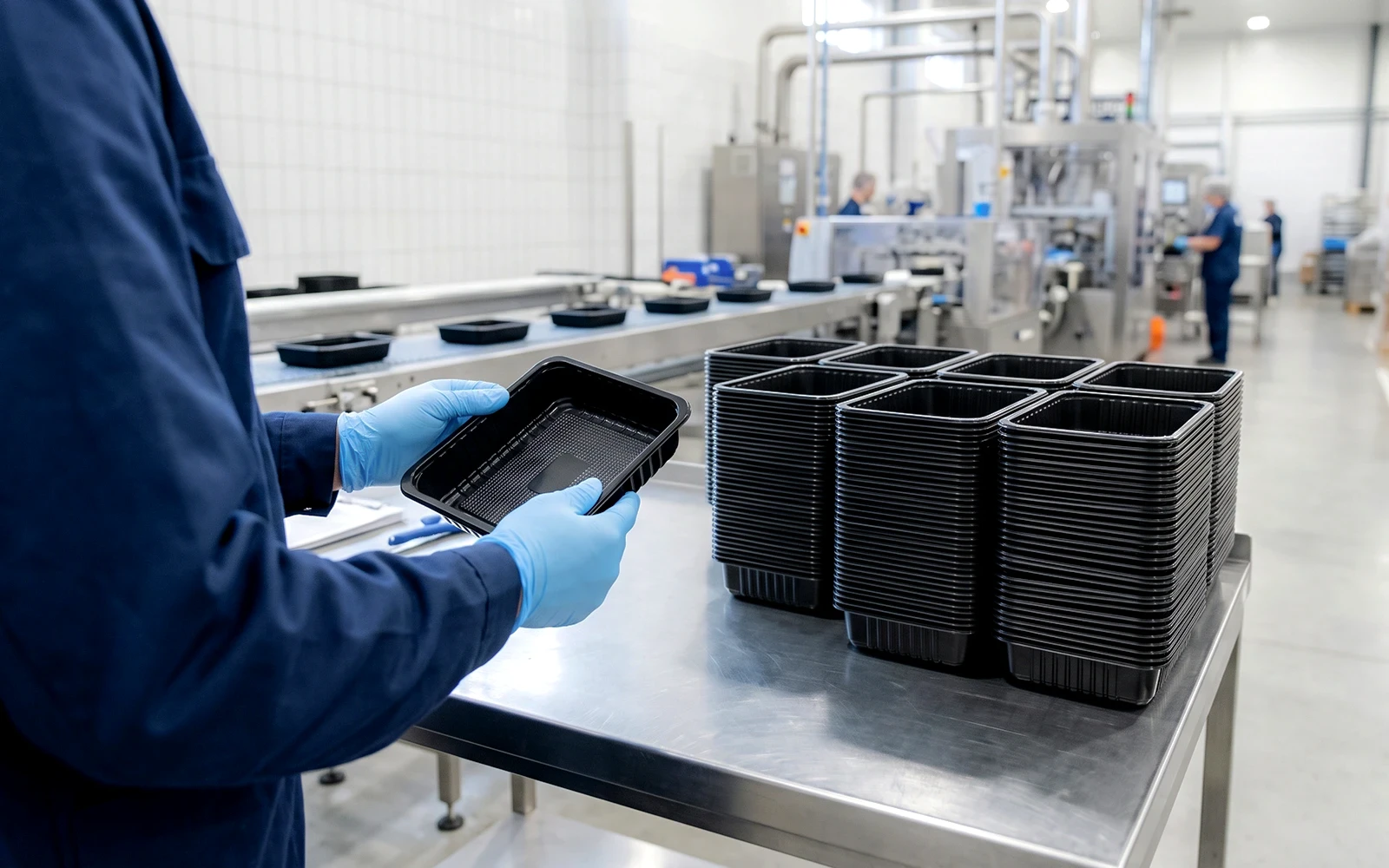
Reliancepak maintains state-of-the-art production facilities with the latest thermoforming and injection molding technologies, operating at optimal capacity to ensure both quality and flexibility.
Material Expertise and Options
Evaluate the manufacturer’s knowledge and access to appropriate materials:
- Material Range: Variety of polymers offered (PET, PP, PLA, etc.) and their specific grades.
- Multi-Layer Capabilities: Ability to produce structures with barrier properties or other specialized characteristics.
- Material Sourcing: Relationships with resin suppliers and ability to secure consistent supply.
- Custom Formulations: Capability to develop or source materials with specific properties.
- Sustainable Options: Availability of recycled content, bio-based, or compostable materials.
Leading manufacturers like Reliancepak maintain extensive material libraries and relationships with multiple suppliers to ensure material availability and innovation.
Quality Management Systems
Robust quality systems are essential for food packaging:
- Certifications: Look for ISO 9001, FSSC 22000, BRC, or IFS certification.
- Clean Room Facilities: For sensitive applications requiring controlled environments.
- Testing Capabilities: In-house equipment for quality verification and regulatory compliance testing.
- Statistical Process Control: Systems that monitor production parameters to ensure consistency.
- Traceability Systems: Ability to track materials and products throughout the production process.
Reliancepak maintains comprehensive certifications and employs advanced quality management systems with full traceability from raw material to finished product.
Design and Engineering Support
Value-added technical services can significantly improve your packaging outcomes:
- Design Capabilities: In-house designers who understand both aesthetics and functional requirements.
- Engineering Expertise: Technical knowledge to optimize designs for performance and production efficiency.
- Prototyping Services: Ability to produce samples or prototypes for testing before full production.
- Material Selection Guidance: Expert advice on selecting the optimal materials for specific applications.
- Packaging Testing: Facilities to evaluate performance under simulated distribution and use conditions.
Manufacturers offering comprehensive design and engineering support can help optimize your packaging for both performance and cost-effectiveness.
Evaluating Manufacturing Facilities and Processes
A thorough assessment of production capabilities is essential for ensuring consistent quality and reliability.
Production Environment Standards
The manufacturing environment directly impacts product safety and quality:
- Cleanliness Standards: General facility cleanliness and housekeeping practices.
- Pest Control Programs: Comprehensive systems to prevent contamination.
- Environmental Controls: Temperature, humidity, and air quality management.
- Personnel Practices: Hygiene protocols, protective clothing, and training programs.
- Material Handling Systems: Procedures to prevent cross-contamination or damage.
For food packaging, these standards are particularly critical to prevent contamination risks.
Quality Control Procedures
Effective quality systems should include:
- Incoming Material Inspection: Verification of raw material quality before production.
- In-Process Monitoring: Checks during production to catch issues early.
- Final Product Inspection: Comprehensive evaluation of finished products.
- Statistical Sampling Plans: Appropriate sampling methods based on production volumes.
- Non-Conformance Procedures: Systems for identifying, segregating, and addressing defective products.
Ask potential manufacturers about their quality metrics, such as defect rates and customer complaint frequency.
Sustainability and Environmental Considerations
As environmental concerns become increasingly important to consumers and regulators, evaluating a manufacturer’s sustainability practices is essential.
Sustainable Material Options
Assess the availability of environmentally preferable materials:
- Recycled Content: Post-consumer or post-industrial recycled materials.
- Bio-Based Alternatives: Materials derived from renewable resources.
- Biodegradable Options: Materials that break down under specific conditions.
- Material Reduction Capabilities: Ability to produce thinner or lighter packaging while maintaining performance.
- Mono-Material Designs: Structures that facilitate recycling by avoiding material combinations.
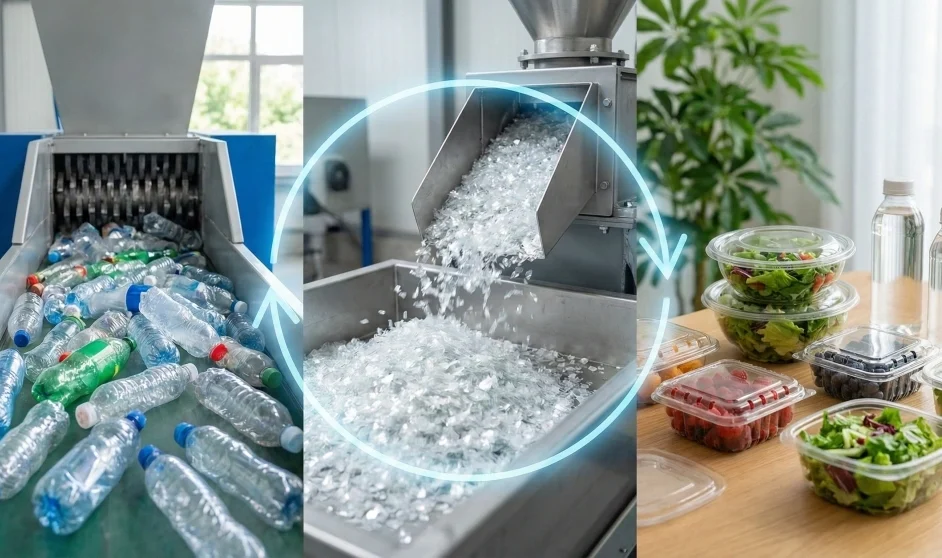
Reliancepak offers a comprehensive EcoChoice™ portfolio of sustainable blister packaging options, including recycled PET with up to 100% post-consumer content and bio-based alternatives.
Manufacturing Environmental Impact
Consider the environmental footprint of the production process:
- Energy Efficiency: Use of energy-saving equipment and processes.
- Renewable Energy Usage: Implementation of solar, wind, or other renewable energy sources.
- Water Conservation: Practices to minimize water consumption and wastewater generation.
- Waste Management: Programs to reduce, reuse, or recycle production waste.
- Carbon Footprint: Overall greenhouse gas emissions and reduction initiatives.
Leading manufacturers increasingly publish sustainability reports detailing their environmental performance and improvement targets.

Geographic and Logistical Factors
The physical location of your manufacturer has significant implications for cost, lead time, and risk management.
Proximity Advantages and Disadvantages
Consider the trade-offs of local versus distant manufacturing:
- Transportation Costs: Shipping expenses as a percentage of total product cost.
- Lead Time Requirements: Time from order to delivery, including transit time.
- Carbon Footprint: Environmental impact of transportation.
- Import Duties and Taxes: Additional costs for international sourcing.
- Currency Exchange Risks: Potential price volatility for international suppliers.
While global sourcing may offer cost advantages, local or regional manufacturing often provides greater flexibility and reduced lead times.
Distribution Network Alignment
Evaluate how the manufacturer’s locations align with your operations:
- Proximity to Your Facilities: Distance to your production or distribution centers.
- Shipping Options: Available carriers and service levels from the manufacturer’s location.
- Warehousing Capabilities: Manufacturer’s ability to store finished goods for just-in-time delivery.
- Cross-Docking Possibilities: Options for efficient transfer between transportation modes.
- Consolidation Opportunities: Ability to combine shipments for greater efficiency.
Optimal alignment between your supply chain and the manufacturer’s distribution capabilities can significantly reduce logistics costs and lead times.
The Evaluation and Selection Process
A structured approach to manufacturer selection increases the likelihood of finding the optimal partner.
Request for Information (RFI) Development
Create a comprehensive document to gather initial information:
- Company Background: Basic information about your business and packaging needs.
- Technical Requirements: Detailed specifications for your packaging applications.
- Volume Projections: Current and anticipated production volumes.
- Service Expectations: Lead time, quality, and support requirements.
- Sustainability Goals: Environmental priorities and requirements.
A well-crafted RFI provides potential manufacturers with the information they need to determine if they can meet your requirements.
Site Visits and Audits
Direct observation provides insights that documentation alone cannot:
- Facility Tour: First-hand assessment of cleanliness, organization, and technology.
- Staff Interactions: Opportunity to evaluate expertise and culture.
- Process Observation: Seeing actual production methods and quality controls.
- Management Meetings: Discussions with leadership to assess alignment and commitment.
- Impromptu Questions: Ability to ask unplanned questions based on observations.
While virtual tours became more common during the pandemic, in-person visits remain the gold standard for thorough evaluation.
Sample Evaluation and Testing
Assess actual product quality before committing to a partnership:
- Initial Samples: Evaluation of standard products to assess general capabilities.
- Custom Prototypes: Development of samples specific to your requirements.
- Performance Testing: Verification that samples meet functional requirements.
- Compatibility Testing: Confirmation that packaging works with your product and processes.
- Consumer Testing: Feedback from end-users on usability and perception.
Thorough sample testing can identify potential issues before they become costly problems in full production.
Building a Successful Manufacturer Partnership
Once you’ve selected a manufacturer, these strategies will help establish a productive long-term relationship.
Clear Specifications and Requirements
Detailed documentation prevents misunderstandings:
- Product Specifications: Comprehensive technical requirements for the packaging.
- Quality Standards: Clear definitions of acceptable and unacceptable quality.
- Testing Protocols: Agreed methods for verifying compliance with requirements.
- Certification Requirements: Specific documentation needed with each shipment.
- Revision Control: Process for managing and communicating specification changes.
Investing time in developing thorough specifications pays dividends in reduced quality issues and disputes.
Communication Protocols and Expectations
Establish effective information exchange processes:
- Regular Review Meetings: Scheduled discussions of performance and opportunities.
- Key Contacts: Designated representatives for various functions (technical, commercial, quality).
- Escalation Procedures: Clear path for addressing urgent issues or disputes.
- Performance Metrics: Shared understanding of how success will be measured.
- Feedback Mechanisms: Structured process for providing and receiving feedback.
Regular, structured communication helps identify and address issues before they become significant problems.
Case Study: Successful Blister Tray Manufacturer Selection
The following example illustrates the manufacturer selection process in action.
Company Background
A mid-sized specialty food producer sought a new blister tray supplier for their premium prepared meals:
- Product Line: Gourmet ready-to-eat meals requiring microwave reheating
- Volume: 500,000 units monthly with 20% projected annual growth
- Key Requirements: Excellent clarity, microwave safety, premium appearance, and recyclability
- Challenges: Previous supplier struggled with inconsistent quality and limited design capabilities
Implementation Results
The partnership delivered significant benefits:
- Quality Improvement: Defect rate reduced by 87% compared to previous supplier
- Cost Savings: 12% reduction in total packaging costs despite higher unit price
- Sales Growth: Enhanced packaging aesthetics contributed to 15% sales increase
- Sustainability Progress: Transition to 30% post-consumer recycled content reduced carbon footprint by 22%
- Innovation Pipeline: Collaborative development of next-generation packaging with enhanced functionality
This case demonstrates the value of a thorough selection process that considers factors beyond unit price.
Conclusion
Selecting the right blister tray manufacturer for food packaging is a strategic decision with far-reaching implications for product quality, cost, and market success. By implementing a structured evaluation process that considers technical capabilities, quality systems, business stability, sustainability practices, and geographic factors, you can identify a manufacturing partner that will contribute to your long-term success.
Key Takeaways
- Define Requirements Clearly: Begin with a comprehensive understanding of your specific needs.
- Evaluate Comprehensively: Look beyond price to assess quality, capability, reliability, and service.
- Consider Total Cost: Factor in all costs, including quality, logistics, and administrative burden.
- Visit in Person: Direct observation provides insights that documentation alone cannot.
- Build Partnership: Invest in developing a collaborative relationship focused on mutual success.
Final Recommendations
For businesses seeking a blister tray manufacturer for food packaging:
- Allocate sufficient time and resources for a thorough selection process; rushing this decision often leads to costly mistakes.
- Involve cross-functional stakeholders, including operations, quality, marketing, and sustainability teams.
- Request detailed samples and conduct thorough testing under actual use conditions.
- Develop clear specifications and communication protocols before beginning production.
- Consider working with an experienced manufacturer like Reliancepak that offers comprehensive design, engineering, and quality support in addition to production capabilities.
By following these guidelines, you can establish a manufacturing partnership that delivers consistent quality, competitive costs, and ongoing innovation for your food packaging needs.
- Explore this link to understand how to choose the right packaging materials that protect your food from moisture damage, ensuring quality and longevity. ↩︎