Plastic clamshell containers are vital for food service, offering convenience and protection for products like berries and takeout salads. For B2B buyers—procurement managers, distributors, or farmers—understanding their production ensures quality and efficiency. Reliancepak’s guide reveals the manufacturing process, showcasing advanced technology, strict quality controls, and food safety commitment. Discover how our high-quality clamshells are made and why partnering with Reliancepak drives your success.
Why Understanding Manufacturing Matters for B2B Buyers
For B2B buyers, delving into the manufacturing process of plastic clamshell containers goes far beyond mere technical knowledge. It’s about strategic decision-making that directly impacts your product’s integrity, your brand’s reputation, and your bottom line.
Ensuring Product Integrity and Safety
When you purchase plastic clamshell containers, you’re not just buying a piece of plastic; you’re investing in a critical component that protects your food products. A thorough understanding of the manufacturing process allows you to assess whether a supplier adheres to the highest standards of hygiene, material purity, and structural integrity. This directly translates to:
- Food Safety: Knowing that containers are produced in a clean environment, using food-grade materials, and free from contaminants is paramount. Any lapse can lead to product recalls, health risks, and severe damage to your brand.
- Product Protection: The manufacturing process dictates the container’s ability to withstand handling, transport, and storage. A well-manufactured clamshell prevents crushing, spoilage, and leakage, ensuring your product reaches the end-consumer in pristine condition.
- Extended Shelf Life: Proper manufacturing techniques, including precise sealing mechanisms and material selection, contribute to creating an optimal environment within the container, which can significantly extend the shelf life of perishable goods.
Optimizing Supply Chain and Cost-Efficiency
Manufacturing insights empower B2B buyers to make informed decisions that optimize their supply chain and reduce costs in the long run:
- Material Efficiency: Understanding how materials are processed can help you identify opportunities for cost savings, such as optimizing container design for less material usage without compromising strength.
- Production Lead Times: A clear picture of the manufacturing steps allows for more accurate forecasting and scheduling, preventing costly delays and ensuring a consistent supply of packaging.
- Waste Reduction: By partnering with manufacturers who prioritize efficient processes and waste reduction, you can contribute to a more sustainable supply chain and potentially reduce your own operational waste.
Building Trust with Your End-Consumers
In today’s market, consumers are increasingly conscious about the products they buy, including their packaging. Transparency in your supply chain, starting from the manufacturing of your packaging, can significantly enhance consumer trust:
- Brand Reputation: Associating your brand with high-quality, safely manufactured packaging reinforces your commitment to excellence and customer well-being.
- Sustainability Claims: If you aim for sustainable packaging solutions, understanding a manufacturer’s green practices (e.g., use of recycled content, energy-efficient processes) allows you to confidently communicate these efforts to your customers.
- Compliance and Certifications: Being able to assure your customers that your packaging meets stringent international food safety and quality standards (like FDA or EU regulations) builds confidence and differentiates your brand.
At Reliancepak, we understand these critical needs of B2B buyers. Our manufacturing process is designed with these considerations at its core, ensuring that every plastic clamshell container we produce not only meets but exceeds your expectations for quality, safety, and efficiency.
The Foundation: Raw Materials for Plastic Clamshell Containers
The journey of a plastic clamshell container begins with the careful selection of raw materials. The type of plastic chosen is paramount, as it dictates the container’s properties, suitability for food contact, and environmental impact.
Types of Plastics Used in Clamshell Manufacturing
Several types of plastics are commonly used for clamshell containers, each with distinct characteristics:
- PET (Polyethylene Terephthalate): This is the most widely used plastic for clamshells, especially for fresh produce and baked goods. PET offers excellent clarity, strength, and barrier properties against oxygen and moisture. It is also highly recyclable.
- PP (Polypropylene): PP is known for its durability, flexibility, and heat resistance, making it suitable for microwaveable containers. It is also recyclable.
- PS (Polystyrene): PS is lightweight and rigid, often used for deli containers and some bakery items. However, its recyclability is more limited compared to PET and PP.
- PVC (Polyvinyl Chloride): While once common, PVC use in food packaging has declined due to environmental and health concerns. It offers good clarity and barrier properties but is less preferred today.
Reliancepak primarily utilizes high-quality, food-grade PET and PP for our plastic clamshell containers, ensuring optimal performance and safety for your products.
Importance of Virgin vs. Recycled Materials
The choice between virgin (newly produced) and recycled plastics is a significant consideration for sustainability:
- Virgin Materials: Offer consistent quality and clarity, and are often necessary for direct food contact applications where specific purity standards must be met.
- Recycled Materials (rPET, rPP): Using post-consumer recycled (PCR) content, such as rPET, significantly reduces the environmental footprint by diverting plastic waste from landfills and decreasing reliance on virgin fossil resources. However, rPET for food contact must undergo rigorous purification processes to ensure safety.
Reliancepak is committed to exploring and integrating sustainable practices. We offer plastic clamshell containers made from both virgin food-grade materials and, where appropriate and safe, options incorporating recycled content, aligning with our commitment to environmentally friendly packaging solutions.
Ensuring Food-Grade Compliance and Safety Standards
Food safety is non-negotiable. All raw materials used in our plastic clamshell containers are rigorously tested and certified to meet international food-grade standards. This includes:
- FDA Compliance: Ensuring materials meet the strict requirements of the U.S. Food and Drug Administration for safe food contact.
- EU Food Contact Material Regulations: Adhering to European Union regulations that govern materials and articles intended to come into contact with food.
- Other Certifications: Depending on the market, additional certifications (e.g., BRC, ISO) may be relevant, all of which Reliancepak strives to meet or exceed.
Our meticulous sourcing and verification processes guarantee that the foundational materials for your plastic clamshell containers are of the highest quality and safety.
Step-by-Step: The Thermoforming Process Explained
Thermoforming is the most common manufacturing method for plastic clamshell containers, known for its efficiency and versatility. It involves heating a plastic sheet and then forming it into a desired shape using molds.
Sheet Extrusion: From Pellets to Rolls
The first stage of thermoforming is the creation of the plastic sheet itself. This process, known as extrusion, transforms raw plastic pellets into a continuous, uniform sheet:
- Heating Plastic Pellets: Food-grade plastic pellets (e.g., PET, PP) are fed into an extruder, where they are heated to their melting point.
- Extruding into Continuous Sheets: The molten plastic is then forced through a die, which shapes it into a thin, continuous sheet. This sheet is then cooled and wound onto large rolls.
- Controlling Thickness and Consistency: Precision machinery ensures that the sheet has a consistent thickness and uniform properties throughout its length. This consistency is crucial for the subsequent forming process and the final quality of the plastic clamshell containers.
Heating and Forming: Shaping the Clamshell
Once the plastic sheet is ready, it moves to the forming stage, where it takes on the familiar clamshell shape:
- Heating Plastic Sheets: Sections of the plastic sheet are fed into a thermoforming machine, where they are heated to a precise temperature, making them pliable and ready for shaping.
- Vacuum Forming and Pressure Forming Techniques:
- Vacuum Forming: The heated plastic sheet is draped over a mold, and a vacuum is applied to pull the sheet tightly against the mold’s surface, creating the desired shape.
- Pressure Forming: In addition to vacuum, positive air pressure is applied from above the sheet, forcing it more tightly into the mold. This technique allows for finer details, sharper corners, and more precise dimensions, often preferred for high-quality plastic clamshell containers.
- Molds and Tooling: Precision and Customization: The molds are critical. They are precisely engineered tools that define the final shape, size, and features of the clamshell. Custom molds allow for unique designs, branding elements, and specific product fits, enabling Reliancepak to offer professional customization solutions.
Trimming and Finishing: The Perfect Edge
After forming, the plastic clamshell containers are still attached to the larger plastic sheet. The final steps involve separating them and ensuring a clean finish:
- Removing Excess Material: The formed clamshells are moved to a trimming station, where excess plastic (webbing) is precisely cut away. This excess material is typically collected and recycled back into the production process, minimizing waste.
- Smooth Edges and Secure Closures: The trimming process ensures that the edges of the clamshells are smooth and free from sharp burrs, making them safe for handling. For hinged clamshells, the hinge mechanism and locking tabs are carefully formed to ensure a secure and reliable closure, crucial for preventing spills and maintaining product freshness.
This multi-stage thermoforming process, executed with advanced machinery and skilled technicians, is what allows Reliancepak to produce high-quality plastic clamshell containers efficiently and consistently.
Beyond Thermoforming: Other Manufacturing Methods (Briefly)
While thermoforming is dominant for clamshells, other plastic manufacturing methods are used for different types of plastic packaging, offering insights into the broader capabilities of a comprehensive supplier like Reliancepak.
Injection Molding for Specialized Designs
Injection molding is a process where molten plastic is injected into a mold cavity, where it cools and solidifies into the desired shape. This method is typically used for:
- Complex Shapes and High Precision: When plastic clamshell containers require intricate designs, very tight tolerances, or thicker walls than thermoforming can easily achieve.
- High Volume Production of Specific Parts: Ideal for producing large quantities of identical, highly detailed plastic components.
While less common for standard clamshells, injection molding might be employed for specific features or for other types of plastic food containers that Reliancepak also offers.
Blow Molding (if applicable for certain types of containers)
Blow molding is primarily used for creating hollow plastic objects, such as bottles and jars. It involves inflating a heated plastic parison (a tube-like piece of plastic) inside a mold until it takes the shape of the mold cavity. While not directly used for clamshells, understanding a manufacturer’s capabilities in various molding techniques speaks to their overall expertise in plastic packaging production.
Quality Control at Every Stage: Our Commitment to Excellence
At Reliancepak, quality control is not an afterthought; it’s an integrated part of our plastic clamshell containers manufacturing process, ensuring that every single unit meets the highest standards of safety, functionality, and aesthetics.
Raw Material Inspection
The first line of defense in quality control begins even before manufacturing starts. Incoming raw plastic pellets are subjected to rigorous inspection:
- Verifying Material Specifications: Checks are performed to ensure the plastic type (e.g., PET, PP), melt flow index, and other physical properties match the required specifications.
- Certifications and Documentation: We verify that all raw materials come with the necessary food-grade certifications (e.g., FDA, EU compliance) and origin documentation.
- Contaminant Screening: Materials are screened for any potential contaminants to ensure purity and safety.
In-Process Monitoring
During the thermoforming process, continuous monitoring ensures consistency and prevents defects:
- Temperature and Pressure Checks: Automated systems constantly monitor the heating and forming temperatures, as well as the vacuum and pressure levels, to ensure optimal molding conditions.
- Dimension and Thickness Consistency: Laser sensors and other precision tools continuously measure the dimensions and wall thickness of the formed plastic clamshell containers, flagging any deviations immediately.
- Visual Inspection: Our skilled technicians perform regular visual checks for common defects such as webbing, thin spots, bubbles, or incomplete forming.
Post-Production Inspection
Once the clamshells are trimmed, they undergo a final, comprehensive inspection before packaging:
- Visual Checks: Each plastic clamshell container is visually inspected for clarity, surface defects, scratches, and overall appearance.
- Leak Tests: Random samples are subjected to leak tests to ensure the integrity of the seals and hinges, especially crucial for containers holding liquids or semi-liquids.
- Closure Integrity Tests: The locking mechanisms are tested to ensure they close securely and remain latched during handling and transport.
- Automated Inspection Systems: Advanced camera systems and other automated technologies are employed for high-speed, precise defect detection, ensuring consistency across large production runs.
This multi-layered approach to quality control ensures that every plastic clamshell container leaving Reliancepak’s facility is of superior quality, ready to protect and present your products effectively.
Ensuring Food Safety: Certifications and Compliance
For B2B buyers in the food industry, food safety is paramount. At Reliancepak, our commitment to producing safe plastic clamshell containers is underpinned by adherence to stringent international certifications and compliance standards.
FDA Compliance for Plastic Food Containers
In the United States, the U.S. Food and Drug Administration (FDA) sets strict regulations for materials that come into contact with food. All plastic clamshell containers manufactured by Reliancepak for the U.S. market are produced using materials and processes that comply with FDA requirements. This ensures that our containers will not leach harmful substances into food and are safe for their intended use.
EU Food Contact Material Regulations
For our European clients, Reliancepak adheres to the comprehensive EU Food Contact Material (FCM) Regulations (e.g., Regulation (EC) No 1935/2004 and Regulation (EU) No 10/2011). These regulations ensure that FCMs do not transfer their constituents to food in quantities that could endanger human health, cause unacceptable changes in the composition of the food, or deteriorate its organoleptic characteristics. Our compliance ensures seamless import and distribution within the EU.
Other Relevant Certifications (e.g., BRC, ISO)
Beyond primary food contact regulations, Reliancepak also pursues and maintains other relevant certifications that demonstrate our commitment to quality management and food safety throughout our operations:
- ISO 9001: This international standard for quality management systems ensures that our manufacturing processes are consistent, efficient, and focused on continuous improvement.
- BRC Global Standard for Packaging Materials: While not always mandatory, this standard is highly regarded in the food industry and demonstrates a robust system for managing product safety, integrity, legality, and quality within the packaging manufacturing process.
Reliancepak’s proactive approach to certifications and compliance provides our B2B clients with the assurance that their plastic clamshell containers are not only high-quality but also meet the most rigorous global food safety standards, facilitating a smooth import process and ensuring peace of mind.
Customization: Tailoring Plastic Clamshell Containers to Your Brand
In a competitive market, generic packaging simply won’t cut it. Custom plastic clamshell containers offer a powerful opportunity to differentiate your products, enhance brand recognition, and create a memorable consumer experience. Reliancepak specializes in professional customization, transforming standard containers into bespoke branding solutions.
Design Consultation and Prototyping
The customization process begins with a collaborative design phase. Our expert team works closely with you to understand your specific product needs, brand aesthetics, and market positioning:
- Understanding Your Vision: We listen to your requirements for shape, size, features, and desired visual impact.
- Material Selection Guidance: Advising on the best plastic type (PET, PP, etc.) to meet your product’s protection needs and sustainability goals.
- 3D Renderings and Prototypes: We provide detailed 3D renderings and, if needed, physical prototypes. This allows you to visualize the final product and make any necessary adjustments before full-scale production, ensuring the custom plastic clamshell containers perfectly match your expectations.
Branding Opportunities: Embossing, Debossing, Labeling
Customization extends beyond just shape and size; it’s about integrating your brand identity directly into the packaging:
- Embossing and Debossing: These techniques create raised (embossed) or recessed (debossed) logos, text, or patterns directly onto the plastic surface. This adds a premium, tactile element to your plastic clamshell containers, enhancing brand perception without the need for additional labels.
- Custom Labeling and Sleeves: For vibrant graphics and detailed product information, custom-printed labels or full-wrap sleeves can be applied. Our high-quality printing capabilities ensure your brand’s colors and imagery are accurately represented, making your products pop on the shelf.
- Color Matching: We can produce plastic clamshell containers in specific plastic colors to align with your brand guidelines, further reinforcing your brand identity.
By leveraging these customization options, your plastic clamshell containers become more than just packaging; they become a powerful extension of your brand, communicating quality and uniqueness to your customers. Reliancepak’s expertise in custom plastic containers ensures your products stand out.
Sustainability in Manufacturing: Reducing Our Footprint
As a responsible manufacturer of plastic clamshell containers, Reliancepak is deeply committed to minimizing our environmental footprint. Sustainability is integrated into our manufacturing processes, from energy consumption to waste management.
Energy Efficiency in Production
We continuously invest in modern, energy-efficient machinery and optimize our production lines to reduce energy consumption. This includes:
- Optimized Thermoforming Cycles: Fine-tuning heating and cooling cycles to use less energy per unit.
- LED Lighting and Smart Energy Management: Implementing energy-saving solutions across our facilities.
- Renewable Energy Exploration: Actively exploring opportunities to incorporate renewable energy sources into our operations.
Waste Reduction and Recycling Programs
Minimizing waste is a core principle of our manufacturing philosophy:
- In-House Scrap Recycling: During the trimming phase of thermoforming, excess plastic material (scrap) is collected, granulated, and reprocessed for use in non-food contact applications or sold to recyclers. This significantly reduces waste sent to landfills.
- Process Optimization: Continuous improvement initiatives aim to reduce material waste at every step of the production process.
- Water Conservation: Implementing closed-loop water systems where possible to minimize water usage in cooling and cleaning processes.
Exploring Recycled Content Options for Plastic Clamshell Containers
Reliancepak is at the forefront of offering plastic clamshell containers that incorporate recycled content, particularly rPET (recycled PET). This initiative directly supports the circular economy by:
- Diverting Waste: Utilizing post-consumer recycled plastic diverts significant amounts of plastic waste from landfills and incinerators.
- Reducing Virgin Material Demand: Less reliance on newly produced plastics means a reduction in fossil fuel consumption and associated greenhouse gas emissions.
- Meeting Sustainability Goals: Providing B2B clients with an option to choose more environmentally friendly packaging, helping them meet their own corporate sustainability targets and appeal to eco-conscious consumers.
We ensure that any recycled content used in our plastic clamshell containers meets stringent safety and quality standards, especially for food contact applications, through rigorous testing and certification. Our commitment to sustainable packaging solutions is unwavering.
Reliancepak’s Manufacturing Advantage: Why Partner With Us
Choosing the right manufacturing partner for your plastic clamshell containers is a strategic decision. At Reliancepak, we offer a distinct advantage built on advanced capabilities, unwavering quality, and a customer-centric approach.
State-of-the-Art Facilities and 9 Production Lines
Reliancepak operates modern manufacturing facilities equipped with state-of-the-art machinery. Our nine production lines are designed for high-volume, efficient production of plastic clamshell containers, ensuring we can meet the demands of large company buyers and distributors. This extensive capacity allows for flexibility and scalability, accommodating diverse order sizes and product specifications.
Experienced Engineering and Production Teams
Our strength lies in our people. Reliancepak boasts a team of highly experienced engineers, designers, and production specialists. Their expertise spans material science, mold design, thermoforming techniques, and quality assurance. This collective knowledge ensures that every plastic clamshell container is designed for optimal performance and manufactured with precision.
Commitment to Quality, Innovation, and Customer Satisfaction
Quality is at the heart of everything we do. From raw material sourcing to final inspection, every step is governed by stringent quality control protocols. We are also driven by innovation, constantly researching new materials, technologies, and sustainable practices to offer cutting-edge plastic packaging solutions. Above all, customer satisfaction is our priority. We work closely with our clients, offering professional customization and responsive support to ensure their needs are met.
Fast Delivery and Reliable Supply Chain
With a robust global supply chain and efficient logistics networks, Reliancepak ensures fast delivery of your plastic clamshell containers. Our strategic location and established relationships with shipping partners enable us to serve clients across various main export countries, including Malaysia, Peru, Austria, Spain, France, Netherlands, Saudi Arabia, United States, South America, and Tanzania. This reliability minimizes disruptions to your operations and ensures you have the packaging you need, when you need it.
Rare Products for One-Stop Purchase
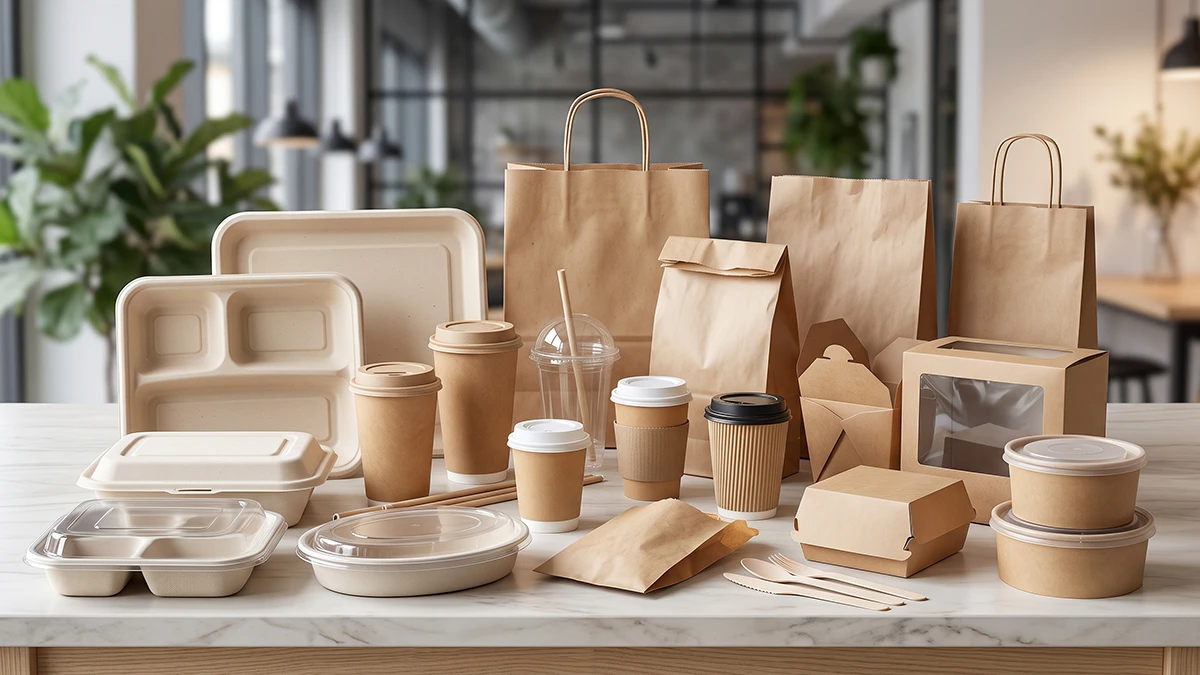
Beyond plastic clamshell containers, Reliancepak offers a wide range of disposable food packaging products, including plastic packaging trays, disposable food containers, paper boxes, paper bags, plastic cups, and paper cups. This diverse product portfolio makes us a rare one-stop purchase solution for all your packaging needs, simplifying procurement and streamlining your supply chain.
The Future of Plastic Clamshell Containers: Trends and Innovations
The plastic packaging industry is constantly evolving, driven by technological advancements, changing consumer preferences, and increasing environmental awareness. The future of plastic clamshell containers will be shaped by several key trends.
Lightweighting and Material Reduction
Manufacturers are continuously seeking ways to reduce the amount of plastic used in each container without compromising strength or functionality. Lightweighting not only reduces material costs but also lowers transportation emissions and the overall environmental impact. Innovations in design and material science will enable thinner yet equally robust plastic clamshell containers.
Enhanced Barrier Properties for Extended Shelf Life
Future plastic clamshell containers will feature even more advanced barrier technologies to protect food from oxygen, moisture, and UV light. This will further extend the shelf life of perishable goods, reducing food waste and providing greater convenience for consumers and businesses alike. These enhanced barriers will be crucial for sensitive food products.
Increased Use of Recycled and Bio-based Plastics
The push towards a circular economy will accelerate the adoption of recycled content (rPET, rPP) in plastic clamshell containers. Furthermore, research and development into bio-based plastics1 derived from renewable resources (e.g., plant-based polymers) will offer new sustainable alternatives, reducing reliance on fossil fuels. Reliancepak is actively involved in exploring and implementing these sustainable material innovations.
Smart Packaging Integration
Future plastic clamshell containers may incorporate smart technologies such as QR codes, NFC tags, or even embedded sensors. These features can provide consumers with detailed product information, track freshness, offer recipe suggestions, or facilitate recycling instructions, enhancing consumer engagement and product traceability.
Design for Recyclability and Circularity
Packaging design will increasingly focus on ensuring that plastic clamshell containers are easily recyclable. This includes designing for mono-material construction where possible, using compatible coatings, and providing clear labeling to guide consumers in proper disposal. The goal is to ensure that plastic clamshell containers can be effectively collected, sorted, and reprocessed into new products, closing the loop.
Conclusion: Partner with Reliancepak for Superior Plastic Clamshell Containers
Understanding the manufacturing process of plastic clamshell containers reveals the intricate balance of material science, engineering precision, and stringent quality control required to produce high-quality, safe, and effective food packaging. For B2B buyers, this knowledge is invaluable, enabling informed decisions that impact product integrity, supply chain efficiency, and brand reputation.
At Reliancepak, we pride ourselves on our advanced manufacturing capabilities, our unwavering commitment to food safety and quality, and our dedication to sustainable practices. Our state-of-the-art facilities, experienced teams, and comprehensive product range, including custom plastic clamshell containers, position us as your ideal partner in the competitive food packaging market. We are not just a supplier; we are an extension of your team, working to ensure your products are packaged to perfection.
By choosing Reliancepak, you gain access to a reliable supply chain, professional customization services, and a partner who understands the nuances of global food packaging requirements. Let us help you streamline your procurement, enhance your product presentation, and achieve your business goals with our superior plastic clamshell containers.
Contact Reliancepak today to discuss your specific plastic clamshell container needs, request a free sample, or learn more about our manufacturing process. Visit reliancepak.com to explore our full range of packaging solutions.
- Exploring bio-based plastics reveals innovative solutions that can significantly reduce our carbon footprint and reliance on fossil fuels. ↩︎