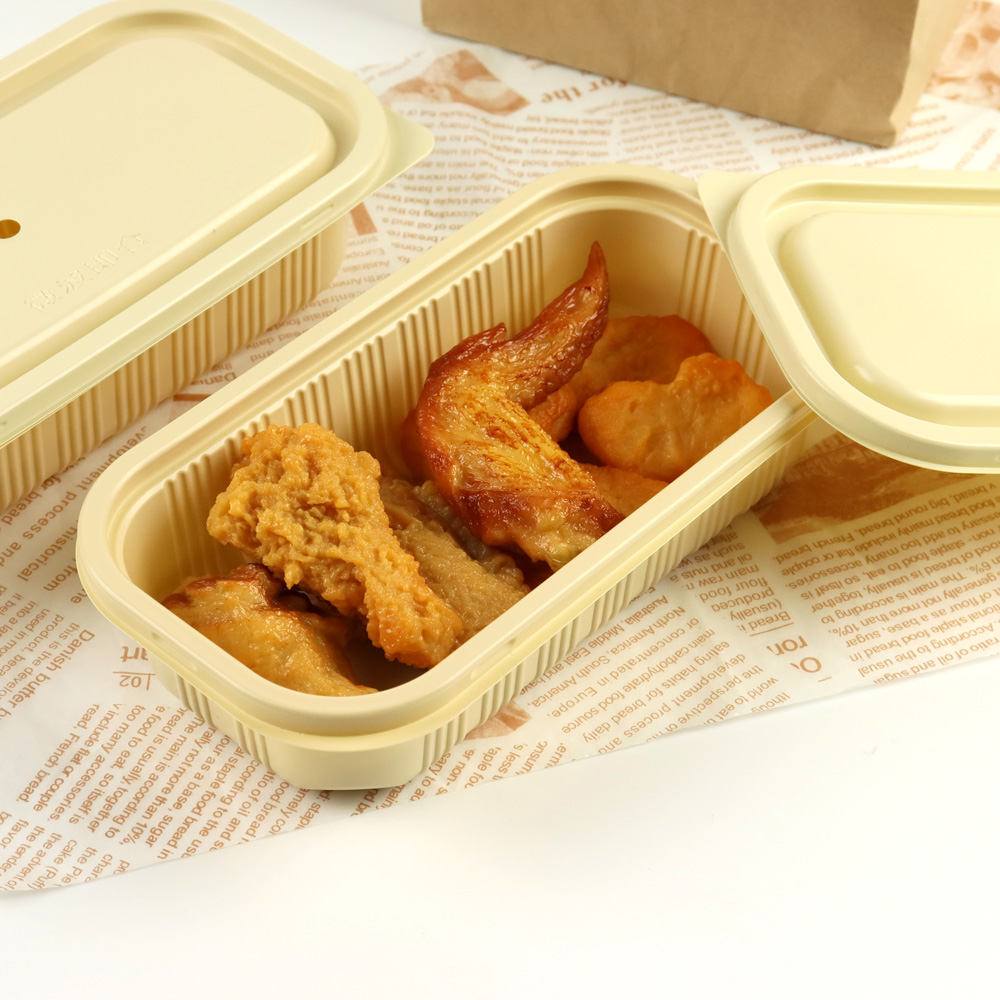
Polypropylene, commonly known as PP, is a thermoplastic polymer used in a wide variety of applications. It is one of the most versatile and widely produced plastics in the world, known for its durability, heat resistance, and flexibility. From food containers to automotive parts, PP plastic plays a significant role in our daily lives due to its unique properties and cost-effectiveness.

What is PP?
PP is a type of polymer that is produced from the monomer propylene. It is a thermoplastic, meaning it can be melted and reformed without significant degradation, making it recyclable. PP is part of the polyolefin family of polymers, which are known for their high resistance to chemicals and good insulation properties.
Chemical Structure
The chemical formula for the repeating unit of PP is (C3H6)n. It is characterized by its methyl group attached to every other carbon atom in the polymer chain, which gives it distinct properties compared to other plastics.

Properties of PP Plastic
PP plastic boasts a range of beneficial properties that contribute to its widespread use:
- High Heat Resistance: Can withstand high temperatures (up to 160°C or 320°F), making it ideal for microwaveable containers, hot-fill packaging, and medical sterilization.
- Chemical Resistance: Highly resistant to many chemical solvents, bases, and acids, which makes it safe for storing various food products and chemicals.
- Durability and Flexibility: Offers a good balance of stiffness and flexibility, making it resistant to fatigue, impact, and cracking, even when repeatedly bent.
- Lightweight: Contributes to reduced material usage and transportation costs, making it an economical choice for packaging.
- Low Cost: One of the most economical plastics available, contributing to its widespread adoption.
- Good Barrier Properties: Provides a good barrier against moisture, helping to keep food fresh and prevent spoilage.
- Food Safe: Approved by regulatory bodies for food contact, ensuring it does not leach harmful substances into food.
Common Uses of PP Plastic
PP’s versatility allows it to be used in numerous applications across various industries:
Food and Beverage Packaging
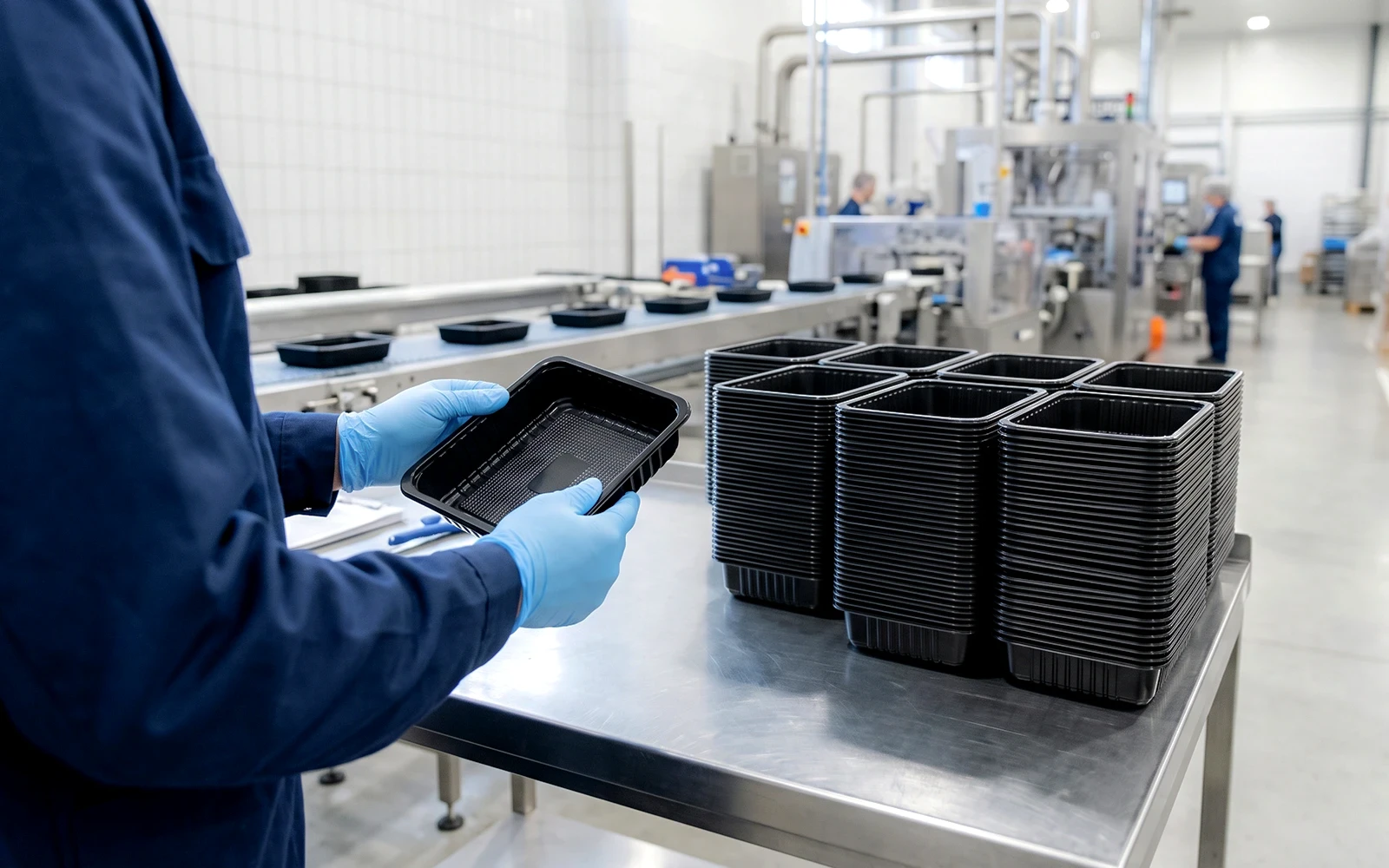
PP is extensively used in food packaging due to its heat resistance, chemical inertness, and moisture barrier properties. It’s a preferred material for items that need to be microwaved or hot-filled.
- Yogurt Containers: Its rigidity and heat resistance make it perfect for dairy products.
- Margarine Tubs: Excellent for spreadable fats due to its chemical resistance.
- Microwaveable Food Trays: Can safely withstand heating in microwave ovens.
- Bottle Caps and Closures: Provides a secure and chemical-resistant seal for beverages and other liquids.
- Flexible Packaging: Used for snack food wrappers, bread bags, and other flexible films where moisture barrier is important.
- Disposable Food Containers: Often used for deli containers, takeout boxes, and single-serve food packaging.
Automotive
Its durability and heat resistance make it ideal for automotive components:
- Battery cases
- Bumpers
- Interior trim and dashboards
Consumer Goods
Many household items are made from PP:
- Plastic furniture
- Luggage
- Toys
- Appliances components
Other Applications
- Textiles: Used in ropes, carpets, and thermal underwear due to its strength and moisture-wicking properties.
- Medical: Syringes, medical devices, and laboratory equipment, benefiting from its sterilizability and chemical resistance.
- Industrial: Pipes, fittings, and various industrial components.
PP Recycling and Sustainability
PP is recyclable, identified by the #5 resin identification code. While its recycling rate has historically been lower than PET or HDPE, efforts are increasing to improve PP recycling1 infrastructure and technologies. The challenges often include sorting complexities and the wide variety of PP applications, which can lead to different grades of material.
The PP Recycling Process:
- Collection: PP items are collected through municipal recycling programs.
- Sorting: Advanced sorting technologies are used to separate PP from other plastics.
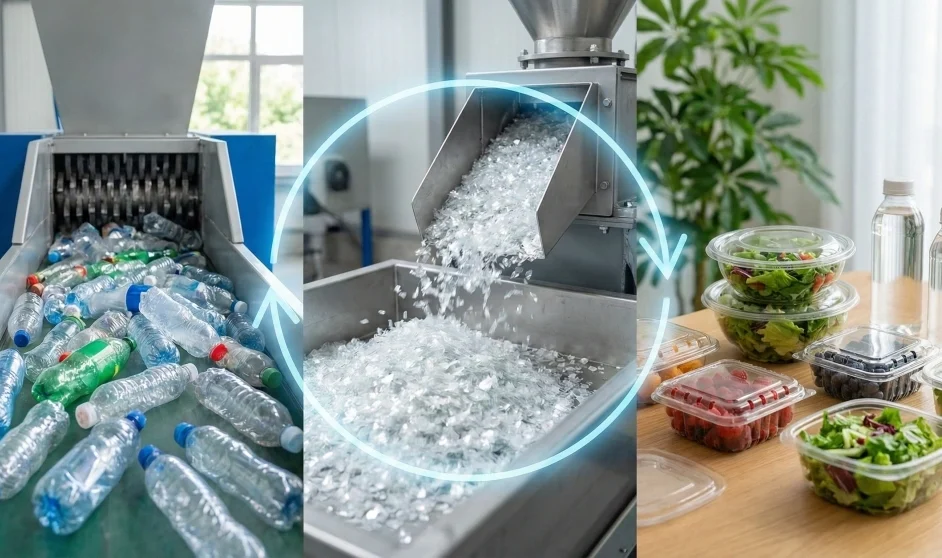
- Cleaning and Shredding: The collected PP is cleaned to remove contaminants and then shredded into flakes.
- Melting and Pelletizing: These flakes are melted and formed into pellets, which are then used as raw material.
Recycled PP (RPP) can be used in various applications, contributing to a circular economy:
- Automotive parts (e.g., car battery cases, bumpers)
- Industrial fibers and strapping
- Landscape edging and garden products
- Compost bins and recycling bins
- Brooms, brushes, and other household goods
Increasing PP recycling is crucial for reducing plastic waste, conserving resources, and lowering the environmental impact associated with virgin plastic production. Many companies are now incorporating recycled PP into their products to meet sustainability goals.
PP vs. Other Plastics
Here’s a comparison of PP with some other common plastics:
| Property | PP (5) | PET (1) | HDPE (2) | LDPE (4) | PS (6) | PVC (3) |
|---|---|---|---|---|---|---|
| Heat Resistance | High | Moderate | Moderate | Low | Low | Low |
| Chemical Resistance | High | Moderate | High | High | Low | High |
| Flexibility | Semi-rigid | Rigid | Flexible | Very Flexible | Rigid/Brittle | Rigid/Flexible |
| Barrier to Moisture | Good | Good | Good | Moderate | Poor | Good |
| Food Safety | Excellent | Excellent | Excellent | Excellent | Good | Good |
| Cost | Low | Moderate | Low | Low | Low | Moderate |
Note: Numbers in parentheses refer to the Resin Identification Code (RIC).
Conclusion
Polypropylene is a remarkably versatile and widely used plastic, essential to numerous industries and everyday products, particularly in food packaging where its heat and chemical resistance are highly valued. Its combination of beneficial properties and cost-effectiveness makes it an indispensable material. As recycling technologies advance and collection efforts improve, the environmental footprint of PP continues to shrink, solidifying its role in a sustainable future and contributing significantly to the circular economy.
- Explore the latest advancements in PP recycling technologies to understand how they are improving recycling rates and sustainability. ↩︎