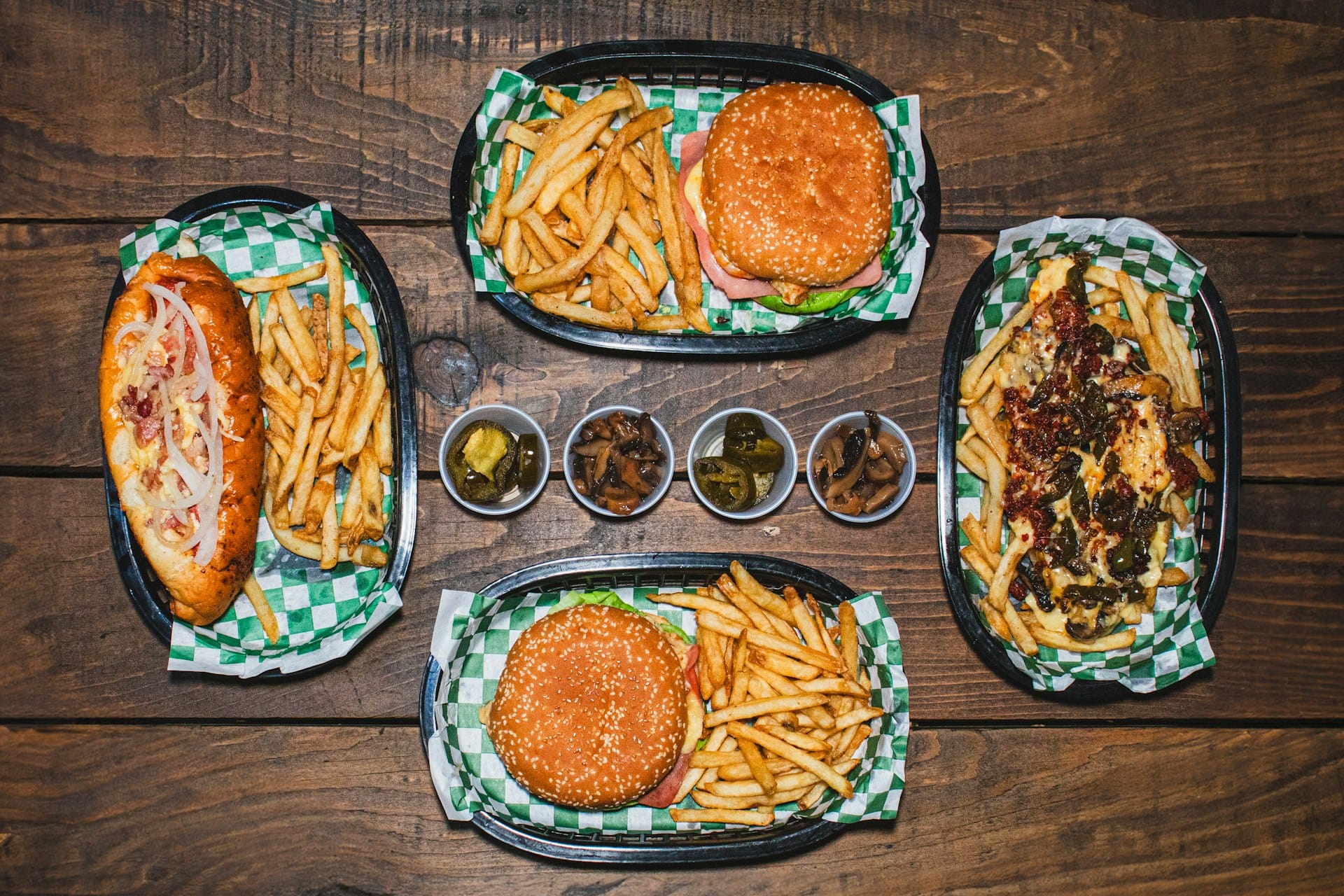
In the dynamic landscape of food service, convenience is a key driver of customer satisfaction. As consumers increasingly seek on-the-go meal solutions that can be easily reheated, the demand for microwave-safe disposable lunch boxes has surged. For restaurants, catering businesses, and meal delivery services, providing packaging that seamlessly transitions from refrigerator to microwave is not just a convenience—it’s a necessity. This blog post delves into the critical aspects of microwave-safe disposable lunch boxes, exploring their benefits, material considerations, and how they contribute to an enhanced customer experience. Reliancepak offers a robust selection of microwave-safe options, ensuring your customers can enjoy their meals at the perfect temperature, anytime, anywhere.
The Rising Demand for Reheating Convenience
The modern lifestyle often leaves little time for elaborate meal preparation or dining out. Consequently, consumers are increasingly relying on pre-prepared meals, takeout, and delivery services. A significant aspect of this convenience is the ability to reheat food quickly and safely at home, in the office, or on the go. This shift in consumer behavior has placed a direct demand on food service providers to offer packaging that supports this need. Microwave-safe disposable lunch boxes address this requirement directly, allowing customers to simply pop their meal into a microwave without transferring it to another dish. This not only saves time and effort for the consumer but also ensures that the food retains its quality and taste upon reheating, leading to higher customer satisfaction and repeat business. Businesses that prioritize this convenience gain a competitive edge in a crowded market.
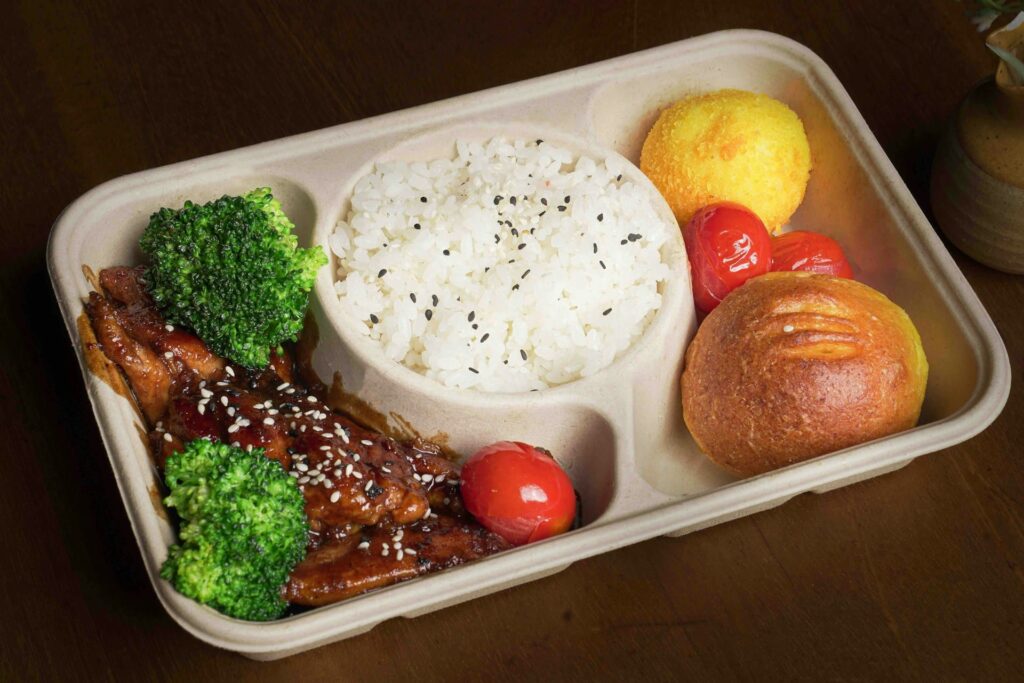
Benefits of Microwave-Safe Disposable Lunch Boxes
Integrating microwave-safe disposable lunch boxes into your food service operations offers a range of benefits that extend beyond mere convenience. These advantages can significantly impact your business’s efficiency, customer satisfaction, and overall market appeal.
- Enhanced Customer Satisfaction: The primary benefit is the unparalleled convenience offered to customers. They can easily reheat their meals without needing to transfer food, saving time and reducing dishwashing. This leads to a more positive dining experience and fosters customer loyalty.
- Preservation of Food Quality: Microwave-safe containers are designed to withstand heating without leaching harmful chemicals or altering the food’s taste. This ensures that the meal retains its intended flavor, texture, and nutritional value even after reheating, providing a consistent quality experience.
- Increased Operational Efficiency: For businesses, using microwave-safe packaging streamlines the takeout and delivery process. There’s no need for customers to transfer food, which reduces complaints related to food quality upon reheating. This also simplifies instructions for consumers, making the entire process smoother.
- Versatility for Various Cuisines: These containers are suitable for a wide array of dishes, from pasta and curries to casseroles and stews. Their ability to handle different food types makes them a versatile choice for diverse menus, accommodating various culinary offerings.
- Reduced Waste and Mess: Since customers can reheat directly in the container, there’s less need for additional plates or bowls, contributing to less household waste and mess. This subtle benefit adds to the overall convenience factor for the end-user.
- Brand Image and Modernity: Offering microwave-safe packaging positions your brand as modern, customer-focused, and attuned to contemporary lifestyle needs. It signals a commitment to providing practical and high-quality solutions, enhancing your brand’s reputation in the market.
By leveraging these benefits, businesses can not only meet but exceed customer expectations, solidifying their position in the competitive food service industry.
Materials for Microwave-Safe Disposable Lunch Boxes
The microwave-safe designation is not universal across all disposable packaging materials. Understanding which materials are safe and effective for microwave reheating is crucial for both food safety and product performance. The most common materials used for microwave-safe disposable lunch boxes are polypropylene (PP) plastic and certain types of paper-based containers.
Polypropylene (PP) Plastic
Polypropylene (PP) is the most widely used plastic for microwave-safe disposable food containers. It is known for its high heat resistance, durability, and chemical inertness, meaning it does not leach harmful substances into food when heated. PP containers are typically translucent or opaque and can withstand temperatures up to 250°F (121°C), making them ideal for reheating a variety of dishes. They are also often recyclable, adding an environmental benefit.
Crystallized Polyethylene Terephthalate (CPET)
CPET is another plastic material specifically designed for higher temperature applications, including oven and microwave reheating. Unlike standard PET, CPET undergoes a crystallization process that makes it more heat-resistant and opaque. While less common for general disposable lunch boxes, it is often used for frozen meals that require both freezing and oven/microwave reheating.
Certain Paper-Based Containers
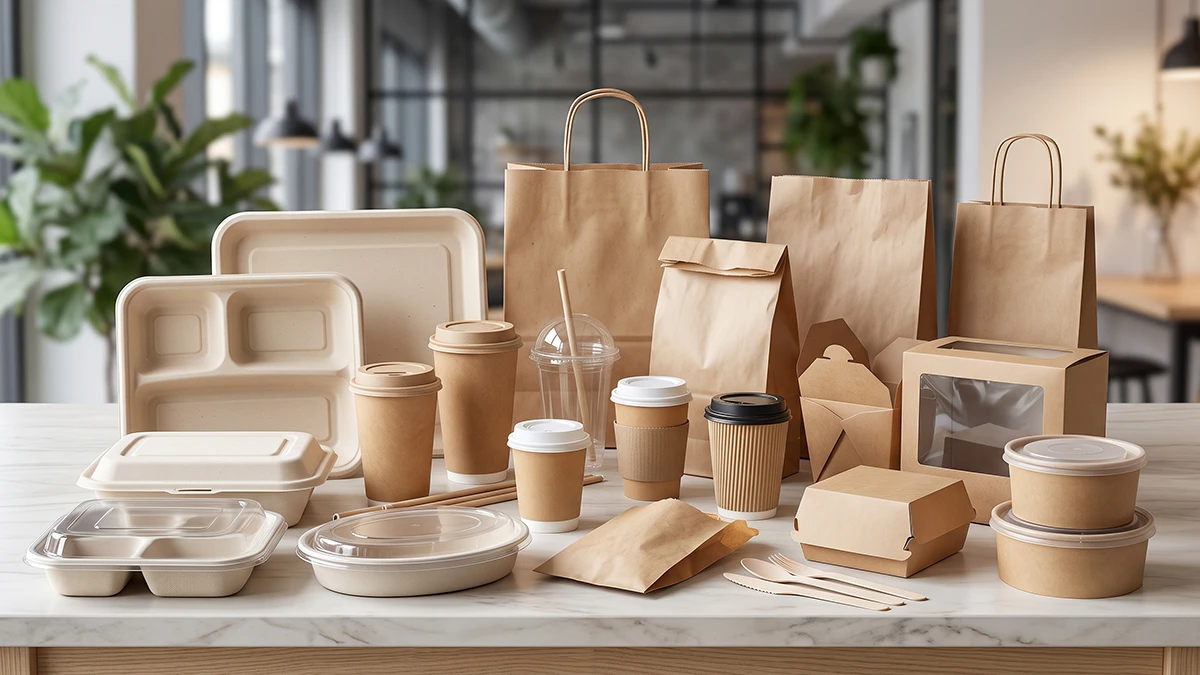
Some paper-based disposable containers, particularly those with specific coatings or linings, can be microwave-safe. These are often made from virgin paperboard or recycled paper, coated with a food-grade material that can withstand microwave heat without deforming or releasing chemicals. It is essential to check the manufacturer’s specifications, as not all paper containers are suitable for microwave use. These options are increasingly popular for businesses seeking more sustainable solutions.
Materials to Avoid in the Microwave
Conversely, certain materials should never be microwaved. These include:
- Aluminum: Aluminum foil containers reflect microwaves, which can cause arcing and damage the microwave oven.
- Styrofoam (Polystyrene): Styrofoam can melt or warp when exposed to microwave heat, potentially leaching chemicals into food.
- Standard PET (Polyethylene Terephthalate): While safe for cold foods, standard PET is not designed for high temperatures and can deform in the microwave.
Here’s a quick guide to common materials and their microwave safety:
| Material Type | Microwave Safe? | Notes |
|---|---|---|
| Polypropylene (PP) | Yes | Most common, high heat resistance |
| CPET | Yes | Designed for higher temperatures, oven-safe |
| Paper-based (coated) | Varies | Check manufacturer’s specifications |
| Aluminum | No | Reflects microwaves, can damage oven |
| Styrofoam | No | Melts, can leach chemicals |
| Standard PET | No | Deforms at high temperatures |
Choosing the correct material is paramount for ensuring both the safety of the food and the integrity of the packaging during reheating.
Design Features for Optimal Microwave Performance
Beyond material selection, the design of microwave-safe disposable lunch boxes plays a crucial role in their performance during reheating. Thoughtful design features can enhance heat distribution, prevent spills, and improve the overall user experience. Reliancepak incorporates these design considerations to deliver superior products.
Vented Lids
Many microwave-safe containers feature vented lids or small vents that can be opened before microwaving. These vents allow steam to escape during heating, preventing pressure buildup that can cause lids to pop off or containers to deform. Proper venting also helps to prevent food from becoming soggy, especially for items that benefit from a crisp texture.
Sturdy Construction
Containers designed for microwaving should have a robust and sturdy construction. This prevents warping or collapsing during heating, ensuring the container maintains its shape and integrity. A strong base and walls also make the container easier to handle when hot, reducing the risk of spills or burns.
Secure Sealing Mechanisms
While vents are important for steam release, a secure sealing mechanism is equally vital for preventing leaks during transport and ensuring food freshness. Snap-on lids or those with tight-fitting seals are preferred. The seal should be strong enough to contain liquids but easy enough for the customer to open after reheating.
Stackability and Storage
For businesses, the ability to stack containers efficiently, both when empty and filled, is a practical design consideration. Stackable designs save valuable storage space in kitchens and during transport. This also contributes to operational efficiency, allowing for easier packing and delivery of multiple orders.
Ergonomic Design
An ergonomic design, including features like easy-grip edges or finger tabs, can significantly improve the customer experience. These small details make it easier for consumers to handle the container, especially when it’s hot, and to open it without difficulty. Consider how the container feels in the hand and its ease of use.
| Design Feature | Benefit | Impact on User Experience |
|---|---|---|
| Vented Lids | Prevents pressure buildup, avoids sogginess | Safer reheating, better food texture |
| Sturdy Construction | Maintains shape, easy to handle when hot | Reduced spills, enhanced safety |
| Secure Sealing | Prevents leaks, maintains freshness | No mess, better food quality |
| Stackability | Saves storage space, efficient packing | Streamlined operations |
| Ergonomic Design | Easy to handle and open | Improved convenience and safety |
These design elements collectively contribute to a microwave-safe disposable lunch box that is not only functional but also enhances the overall convenience and satisfaction for the end-user.
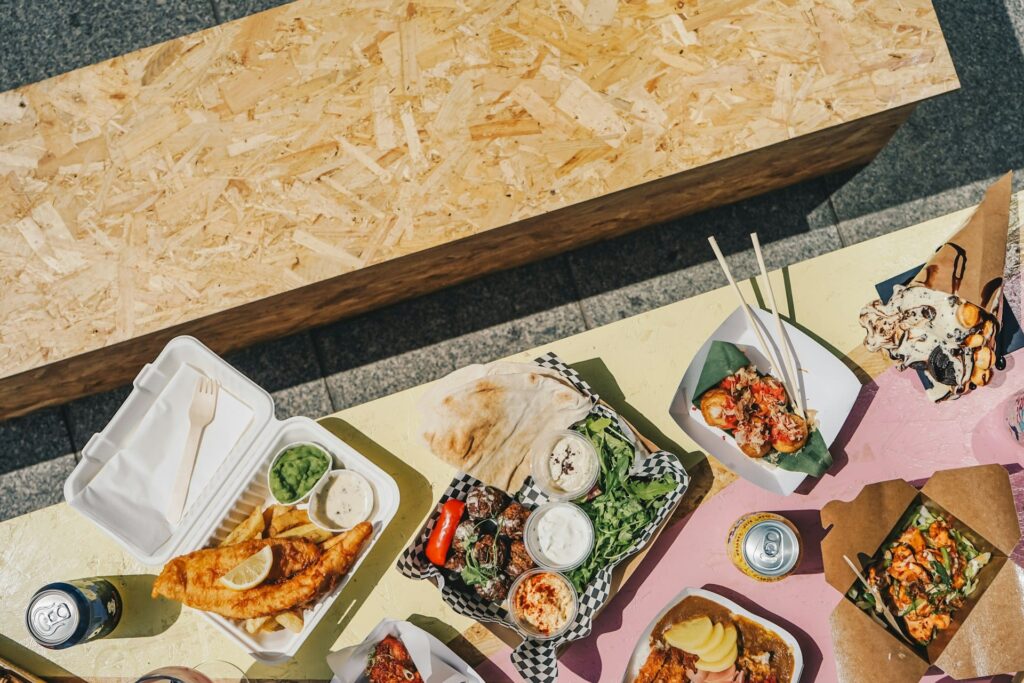
Choosing the Right Microwave-Safe Disposable Lunch Boxes for Your Business
Selecting the appropriate microwave-safe disposable lunch boxes for your business requires careful consideration of several factors. These choices directly impact your operational efficiency, food quality, and customer perception. Making an informed decision ensures that your packaging solution aligns with your business model and customer expectations.
Assess Your Menu and Reheating Needs
First, evaluate the types of food you offer and how they will be reheated. Do your dishes contain sauces or liquids that require leak-proof designs? Are there components that need to remain crispy? Understanding the specific characteristics of your menu items will guide your material and design choices. For instance, a meal with multiple components might benefit from a multi-compartment microwave-safe container.
Consider Material Properties and Certifications
As discussed, polypropylene (PP) is a common and reliable choice for microwave safety. Always verify that the material is food-grade and has relevant certifications (e.g., FDA, EU food-grade). These certifications assure that the containers are safe for food contact and will not leach harmful chemicals when heated. Request documentation from your supplier to confirm compliance.
Evaluate Cost-Effectiveness and Bulk Purchasing
While quality is paramount, cost-effectiveness is also a significant factor for B2B clients. Compare pricing from different suppliers, but always consider the overall value, including durability, design features, and the potential for reduced food waste. Reliancepak offers competitive pricing for wholesale disposable lunch boxes, allowing businesses to purchase in bulk and achieve significant cost savings without compromising on quality. Bulk purchasing also ensures a consistent supply, preventing disruptions in your operations.
Prioritize Sustainability Goals
With growing environmental awareness, many businesses are seeking sustainable packaging solutions. If sustainability is a key objective for your brand, explore microwave-safe options made from recycled content or those that are recyclable after use. While truly compostable microwave-safe options are still evolving, choosing recyclable PP containers can be a step towards reducing your environmental footprint. Communicate your sustainability efforts to your customers to enhance your brand image.
Supplier Reliability and Support
Finally, choose a supplier that is reliable and offers excellent customer support. A good supplier can provide samples, offer customization options, and ensure timely delivery. Reliancepak, as both a manufacturer and trading company, offers comprehensive support, from product selection to professional customization and efficient logistics, ensuring a seamless procurement process for your business.
Practical Applications in Food Service
Microwave-safe disposable lunch boxes are incredibly versatile, finding practical applications across various segments of the food service industry. Their utility extends to restaurants, catering services, meal delivery platforms, and even institutional settings, offering tailored solutions for diverse operational needs.
Restaurants and Takeout Services
For restaurants offering takeout and delivery, microwave-safe containers are a game-changer. They allow customers to enjoy restaurant-quality meals at their convenience, even if they choose to reheat them later. This is particularly beneficial for dishes that taste best when served hot, such as pasta, curries, or stir-fries. The ability to reheat directly in the container enhances the overall customer experience, encouraging repeat orders.
Catering and Event Management
Catering businesses often deal with large volumes of food that need to be transported and sometimes reheated at the event location or by individual attendees. Microwave-safe disposable containers simplify this process, ensuring that food can be kept warm or reheated efficiently without compromising quality. They are ideal for corporate lunches, private parties, and large-scale events where convenience and food safety are paramount.
Meal Delivery and Subscription Services
The booming meal delivery and subscription service industry heavily relies on packaging that can withstand transit and facilitate easy consumption. Microwave-safe lunch boxes are a natural fit, allowing subscribers to receive pre-portioned, ready-to-heat meals. This enhances the value proposition of these services, as customers can enjoy fresh, hot meals with minimal effort, directly from the convenience of their homes or offices.
Institutional Food Service (Schools, Hospitals, Offices)
In institutional settings, where large quantities of meals are prepared and distributed, microwave-safe containers offer significant advantages. They ensure that individuals can reheat their meals safely and hygienically, accommodating varied schedules and preferences. This is particularly important in environments like hospitals, where patients may need meals at specific times, or in offices, where employees might use communal microwaves.
| Application Area | Key Benefit | Example Dishes |
|---|---|---|
| Restaurants/Takeout | Customer convenience, food quality | Pasta, curries, stir-fries |
| Catering/Events | Efficient reheating, large volume handling | Corporate lunches, party platters |
| Meal Delivery | Ready-to-heat, enhanced value | Pre-portioned subscription meals |
| Institutional | Safety, hygiene, flexibility | Hospital meals, office lunches |
These diverse applications highlight the indispensable role of microwave-safe disposable lunch boxes in modern food service, providing practical solutions that meet the evolving demands of both businesses and consumers.
Conclusion
Microwave-safe disposable lunch boxes are an indispensable asset for modern food service businesses. They cater directly to the consumer’s desire for convenience, allowing for easy and safe reheating of meals, thereby enhancing the overall dining experience. By carefully selecting materials like polypropylene and considering design features such as venting and sturdy construction, businesses can ensure food quality and customer satisfaction. Partnering with a reliable supplier like Reliancepak, which offers a wide range of certified microwave-safe options and professional customization, empowers businesses to meet evolving market demands and strengthen their brand reputation. Embrace the practicality and versatility of microwave-safe disposable lunch boxes to deliver hot, fresh, and convenient meals to your valued customers.
FAQ
Q1: What is the best material for microwave-safe disposable lunch boxes?
A1: Polypropylene (PP) plastic is widely considered the best material for microwave-safe disposable lunch boxes due to its high heat resistance, durability, and food safety properties. Some specially coated paper-based containers can also be microwave-safe.
Q2: How can I tell if a disposable lunch box is microwave-safe?
A2: Look for a microwave-safe symbol, usually a small icon resembling a microwave with wavy lines, or text indicating ‘microwave safe’ or ‘microwaveable.’ If unsure, it’s best to avoid microwaving.
Q3: Can I put hot food directly into a microwave-safe disposable lunch box?
A3: Yes, microwave-safe containers are designed to hold hot food. However, always ensure the food temperature does not exceed the container’s maximum temperature rating, especially if it’s going to be reheated later.
Q4: Do microwave-safe containers affect the taste of food?
A4: High-quality, food-grade microwave-safe containers, particularly those made from PP, are designed to be inert and should not affect the taste or quality of your food. Avoid using containers not specifically labeled as microwave-safe, as they may leach chemicals or alter food taste.
Q5: Are microwave-safe disposable lunch boxes recyclable?
A5: Many PP microwave-safe containers are recyclable. Check the recycling symbol (usually a number 5 within a chasing arrows triangle) on the container and your local recycling guidelines. Paper-based microwave-safe containers may or may not be recyclable depending on their coating and local facilities.