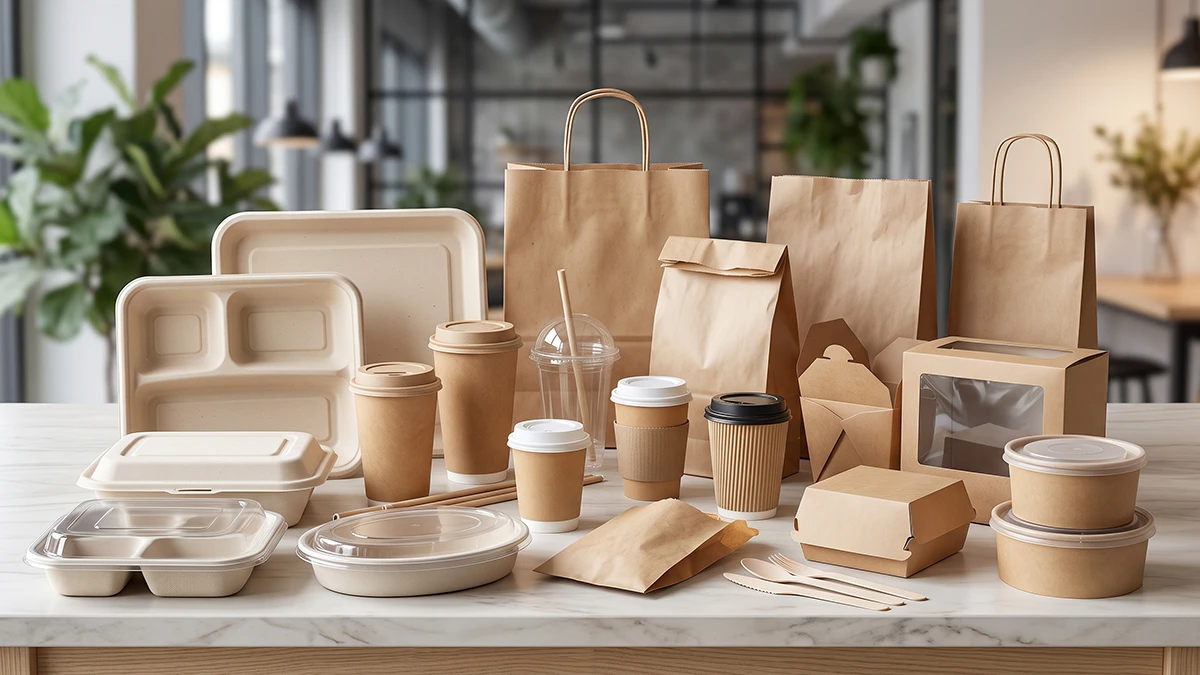

The landscape of produce packaging is undergoing a fundamental transformation as sustainability becomes a central concern for businesses, consumers, and regulators worldwide. In 2025, the demand for environmentally responsible packaging solutions has reached unprecedented levels, driven by growing awareness of environmental challenges and the urgent need for circular economy practices. For produce packaging suppliers and buyers, understanding these evolving demands is essential for maintaining competitiveness and meeting stakeholder expectations in an increasingly conscious marketplace.
The Urgent Need for Sustainable Produce Packaging
The shift toward sustainable produce packaging represents more than a passing trend; it reflects a fundamental change in how businesses and consumers view their environmental responsibilities. Recent market research indicates that over 73% of global consumers are willing to pay premium prices for products packaged in environmentally friendly materials, while 67% of businesses have established formal sustainability targets that include packaging optimization as a key component.
This growing demand stems from increased awareness of packaging\’s environmental impact throughout its lifecycle, from raw material extraction through disposal or recycling. Traditional packaging materials, particularly single-use plastics, have come under intense scrutiny due to their contribution to pollution, resource depletion, and climate change. As a result, buyers are actively seeking alternatives that minimize environmental impact while maintaining the functional performance required for produce protection and preservation.
Unique Sustainability Challenges in Produce Packaging
The produce industry faces unique sustainability challenges due to the perishable nature of fresh fruits and vegetables. Packaging must balance environmental considerations with critical functions such as freshness preservation, contamination prevention, and shelf life extension. This complex requirement set has driven innovation in sustainable materials and design approaches that deliver both environmental benefits and superior product protection.
Market Dynamics Driving Sustainable Packaging Adoption
Market dynamics have also shifted significantly, with sustainability becoming a key differentiator in purchasing decisions. Buyers increasingly evaluate suppliers based on their environmental credentials, sustainable material usage, and commitment to circular economy principles. This evolution has created new opportunities for packaging suppliers who can demonstrate genuine sustainability leadership while delivering high-quality solutions.
Key Drivers of Sustainable Produce Packaging Trends in 2025
Multiple interconnected factors are driving the accelerated adoption of sustainable produce packaging solutions in 2025. Understanding these drivers helps businesses anticipate market changes and develop strategies that align with evolving stakeholder expectations and regulatory requirements.
Consumer Awareness and Preferences
Consumer consciousness regarding environmental issues has reached new heights in 2025. Sustainability considerations play increasingly important roles in purchasing decisions. Modern consumers are better informed about packaging\’s environmental impact and actively seek products that align with their values.
Heightened Consumer Scrutiny
Research shows 82% of consumers consider packaging sustainability when buying produce. This awareness extends to efficiency, recyclability, and disposal options.
Influence of Younger Demographics
Millennials and Generation Z strongly prefer sustainable packaging. They are willing to pay more for eco-friendly options and avoid excessive or non-recyclable packaging.
Role of Digital Platforms
Social media and digital platforms amplify consumer awareness. Easy access to information about packaging materials and environmental impacts creates transparency, rewarding sustainable practices.
Rise of Conscious Consumption
Consumers view purchasing decisions as expressions of personal values. This drives market demand for packaging solutions that enable sustainable choices.
Regulatory Pressures and Policy Changes
Government regulations and policy initiatives are powerful drivers of sustainable packaging adoption. Regulatory frameworks continue to evolve rapidly, creating both challenges and opportunities.
Strengthening EU Directives
The EU\’s Packaging and Packaging Waste Directive has new requirements for recycled content, recyclability, and extended producer responsibility. These mandate specific sustainability performance levels.
Global Regulatory Landscape
Similar developments occur in North America, Asia-Pacific, and Latin America. Many jurisdictions plan plastic reduction targets, recycled content requirements, and waste reduction mandates.
Expanding EPR Programs
Extended Producer Responsibility (EPR) programs are expanding globally. They require packaging producers to take financial responsibility for end-of-life management, incentivizing sustainable design.
Carbon Pricing and Environmental Taxes
Carbon pricing and environmental taxes are increasingly applied to packaging materials. This makes sustainable alternatives more economically attractive and creates market-based incentives for improvements.
International Trade Standards
International trade agreements incorporate sustainability requirements. Companies operating globally must navigate complex regulatory landscapes while maintaining consistent sustainability approaches.
Corporate Sustainability Goals
Corporate sustainability commitments are central to business strategy. Produce packaging plays a critical role in achieving environmental targets and meeting stakeholder expectations.
Ambitious Corporate Targets
Many major retailers and food companies have comprehensive sustainability programs. These include targets for packaging waste reduction, recycled content, and circular economy implementation.
Supply Chain Focus
Supply chain sustainability is a key focus. Companies extend environmental commitments to include supplier performance and material sourcing practices, requiring detailed environmental impact data.
Brand Reputation and Stakeholder Expectations
Sustainability performance is a competitive necessity. Companies failing to demonstrate progress risk losing customers, investors, and employees who prioritize sustainability.
Investor Pressure and ESG Criteria
Investor pressure has intensified, with ESG criteria becoming standard for investment evaluation. Strong sustainability performance often leads to better access to capital and higher valuations.
Sophisticated Reporting
Corporate sustainability reporting is more sophisticated. Frameworks like GRI and SASB provide guidance for packaging-related disclosures, rewarding genuine leadership.
Technological Advancements in Materials
Innovation in sustainable packaging materials has accelerated dramatically. Increased R&D investment, improved manufacturing, and growing market demand drive these advances.
Improved Biodegradables and Compostables
Biodegradable and compostable materials show significant performance improvements. New formulations offer enhanced barrier properties and strength. Biopolymers from renewable sources are commercially viable.
Advanced Recycling Technologies
Recycling technologies enable higher-quality recycled content. Chemical recycling can handle previously non-recyclable materials, expanding options for circular economy principles.
Nanotechnology Applications
Nanotechnology enables ultra-thin barrier coatings, providing superior protection with minimal material usage. These innovations support lightweighting strategies.
Smart Packaging Integration
Smart packaging technologies integrate with sustainable materials. This optimizes product freshness and minimizes waste through sensors and indicators.
Bio-based Additives
Bio-based additives replace synthetic chemicals in packaging production. This reduces environmental impact and improves end-of-life disposal options, supporting fully renewable systems.
Top Sustainable Produce Packaging Trends in 2025
The sustainable packaging landscape in 2025 is characterized by several key trends. These reshape how produce is packaged, distributed, and consumed, reflecting convergence of innovation, regulations, and market demands.
Recycled Content and Circularity
Integrating recycled content into produce packaging is now a fundamental requirement. Advanced recycling technologies and improved collection systems make high-quality recycled materials readily available.
Increased PCR Content
Post-consumer recycled (PCR) content is increasingly in plastic packaging, with many suppliers offering 50% or higher levels. These materials maintain performance while reducing environmental impact.
Closed-Loop Systems
Closed-loop recycling systems are developed for produce packaging. They create dedicated collection and processing streams, ensuring materials remain in productive use.
Design for Recyclability
Design for recyclability is standard practice. Packaging engineers consider end-of-life scenarios, facilitating efficient recycling and material recovery.
Embedding Circular Economy Principles
Circular economy principles are embedded throughout supply chains. Companies implement take-back programs and material tracking, ensuring sustainability benefits across the lifecycle.
| Recycled Content Type | Typical Applications | Performance Characteristics | Availability |
|---|---|---|---|
| Post-Consumer Recycled Plastic | Rigid containers, trays | Good strength, moderate clarity | High |
| Recycled Paperboard | Cartons, displays | Excellent printability, good strength | Very High |
| Recycled Fiber | Molded pulp, protective inserts | Good cushioning, biodegradable | High |
| Mixed Recycled Content | Flexible films, bags | Variable properties, cost-effective | Medium |
Compostable and Biodegradable Materials
Development and adoption of compostable and biodegradable packaging materials have accelerated. This is driven by improved performance and growing infrastructure for organic waste processing.
Expanding Industrial Composting
Industrial composting facilities have expanded globally, creating infrastructure to process compostable packaging under controlled conditions. This makes adoption more practical.
Rise of Home Compostables
Home compostable materials gain popularity where industrial infrastructure is limited. They break down under backyard composting conditions, offering convenient disposal.
Certification and Standards
Certification programs (ASTM D6400, EN 13432, BPI) establish clear standards for compostable packaging. These ensure materials meet biodegradation and safety requirements.
Marine Biodegradable Solutions
Marine biodegradable materials address concerns about aquatic pollution. They break down safely in marine conditions, reducing ocean damage risk.
Performance Improvements
Performance improvements in biodegradable materials address previous limitations. Modern formulations match or exceed traditional materials in many applications, offering superior end-of-life benefits.
Reduced Plastic and Lightweighting
Plastic reduction strategies are central to sustainable packaging. Companies implement comprehensive programs to minimize plastic usage while maintaining product protection.
Lightweighting Initiatives
Lightweighting focuses on reducing material usage through improved design and advanced manufacturing. Thinner films and optimized structures enable significant material reductions.
Alternative Material Substitution
This involves replacing plastic components with renewable or recyclable alternatives like paper or bio-based materials. Careful engineering ensures functional requirements are met.
Elimination of Unnecessary Components
Companies audit packaging to identify simplification opportunities. This often reveals elements with minimal value but significant environmental impact.
Efficient Packaging Designs
Concentrated designs maximize product-to-packaging ratios, reducing material requirements. Innovative structural approaches optimize space utilization and material efficiency.
Multi-functional Solutions
Multi-functional packaging combines several functions into single components. Examples include packaging that serves as both protection and display, or repurposable containers.
Reusable and Refillable Systems
Reusable packaging systems gain traction as businesses and consumers recognize their benefits. These durable, multi-use solutions require initial investment but provide long-term sustainability.
Return and Refill Programs
Retailers implement return and refill programs to reuse packaging materials. These often involve deposit systems or incentives for consumer participation.
Durable Material Design
Durable materials (reinforced plastics, metals) are designed for multiple-use applications. They must withstand repeated handling, cleaning, and transportation while maintaining food safety.
Logistics Optimization
Efficient collection, cleaning, and redistribution systems are critical for reusable packaging success. Advanced tracking technologies monitor assets and optimize return logistics.
Consumer Education
Education and engagement programs ensure proper use and return of reusable systems. Clear instructions, incentives, and convenient return options are essential.
Hybrid Approaches
Hybrid approaches combine reusable primary packaging with recyclable or compostable secondary packaging. This optimizes sustainability while maintaining practical functionality.
Smart and Active Packaging for Sustainability
Intelligent packaging technologies integrate with sustainable materials. These create solutions that optimize environmental performance and product quality.
Freshness Indicators and Sensors
These enable precise monitoring of produce quality, reducing waste by providing accurate information on product condition and shelf life. This optimizes inventory rotation.
Active Packaging Systems
Active systems incorporate natural antimicrobials and moisture control elements. They extend shelf life without synthetic preservatives, often using renewable materials.
Temperature and Humidity Monitoring
Monitoring ensures optimal storage conditions during transport, reducing spoilage. Real-time data enables proactive intervention when conditions deviate.
Blockchain and Traceability
Blockchain provides transparency on packaging materials and production. This enables informed decision-making and supports sustainability claim verification.
Predictive Analytics
Predictive analytics use packaging sensor data to optimize supply chain operations. These systems forecast optimal harvest timing, routes, and inventory management.
Overcoming Challenges in Sustainable Packaging Adoption
The transition to sustainable produce packaging presents both significant challenges and substantial opportunities. Understanding these factors is essential for effective strategies.
Cost Considerations
Sustainable alternatives often have higher initial prices. However, total cost of ownership analysis reveals long-term value through reduced waste disposal and regulatory benefits.
Performance Trade-offs
Transitioning to sustainable materials can involve performance trade-offs. Careful material selection and design optimization are crucial for maintaining product protection.
Supply Chain Complexity
Sustainable packaging increases supply chain complexity. New materials, suppliers, and logistics require careful planning and coordination.
Infrastructure Limitations
Lack of adequate recycling or composting facilities can constrain adoption. This requires collaborative efforts to develop necessary infrastructure.
Consumer Behavior Change
Consumer education and behavior change are essential for reusable or compostable options. Effective communication and incentives are critical for participation.
Regulatory Compliance Complexity
Sustainability requirements vary across markets. Companies operating globally must navigate diverse regulatory landscapes.
Seizing Opportunities in Sustainable Packaging
Innovation and Breakthroughs
Significant potential exists for companies developing breakthrough materials or systems. These innovations often create competitive advantages and market leadership.
Market Differentiation
Genuine sustainability leadership enhances brand reputation, customer loyalty, and access to sustainability-focused market segments.
Cost Reduction
Improved efficiency, waste reduction, and circular economy implementation can lead to cost savings. Many sustainable strategies ultimately reduce total costs.
Partnership and Collaboration
Collaboration enables companies to share costs, risks, and expertise. Partnerships accelerate innovation and market adoption.
Reliancepak’s Leadership in Sustainable Produce Packaging
Reliancepak leads in sustainable produce packaging solutions through environmental responsibility, innovative material development, and customer-focused services. Our approach includes immediate improvements and long-term strategic initiatives.
Eco-Friendly Product Portfolio
Our product portfolio emphasizes environmentally friendly materials meeting stringent food safety standards. Reliancepak\’s plastic packaging trays, disposable food containers, paper boxes, paper bags, plastic cups, and paper cups integrate sustainability from development.
Certifications and Quality Assurance
Food-grade certifications (EU, FDA) ensure our sustainable packaging meets high safety and quality. These demonstrate Reliancepak\’s commitment to responsible manufacturing.
Optimized Manufacturing Processes
Our nine production lines incorporate energy efficiency, waste reduction, and resource conservation. Continuous improvement programs optimize environmental performance and operational efficiency.
Robust Supply Chain Sustainability
Supply chain initiatives extend environmental commitments throughout the value chain. This includes supplier evaluation, material traceability, and circular economy implementation.
Strategic Innovation and R&D
Investments focus on next-generation sustainable materials and technologies. R&D emphasizes breakthrough solutions for environmental benefits and superior functional performance.
Comprehensive Customer Support and Consulting
Customer services include sustainability consulting and material selection guidance. These help customers achieve their goals while optimizing packaging performance.
Extensive Global Market Expertise
Experience across Malaysia, Peru, Austria, Spain, France, Netherlands, Saudi Arabia, United States, South America, and Tanzania provides insights into diverse requirements. This enables solutions meeting local needs with global consistency.
Professional Customization and Fast Delivery
Professional customization capabilities develop unique sustainable solutions for specific needs. Fast delivery supports time-sensitive initiatives and rapid implementation.
Valuable Free Sample Program
Free sample programs allow customers to evaluate options before large orders. This reduces risk and ensures satisfaction with environmental and functional characteristics.
FAQ
What are the main benefits of switching to sustainable produce packaging?
Sustainable packaging offers reduced environmental impact, improved brand reputation, regulatory compliance, potential cost savings, and alignment with consumer preferences. It can also enhance employee engagement and investor interest.
How do sustainable packaging materials compare to traditional options in terms of performance?
Modern sustainable materials often match or exceed traditional packaging performance in barrier properties, mechanical strength, and shelf life. Continuous innovation has made them viable for demanding produce packaging applications.
What should I consider when evaluating sustainable packaging suppliers?
Key criteria include material certifications, environmental impact data, supply chain transparency, innovation capabilities, regulatory compliance, and long-term sustainability commitments. Choose suppliers demonstrating genuine environmental leadership.
How can I ensure that sustainable packaging meets food safety requirements?
Select suppliers with relevant food safety certifications (FDA, EU food contact materials) and established quality management systems. Request documentation of testing protocols and material safety data.
What are the cost implications of transitioning to sustainable packaging?
While initial material costs might be higher, total cost of ownership analysis often shows long-term savings through reduced waste disposal, regulatory benefits, and operational efficiencies.
How do I communicate sustainable packaging benefits to customers?
Focus on specific environmental benefits, proper disposal instructions, and alignment with customer values. Clear labeling, educational materials, and transparency about commitments help customers understand and appreciate improvements.