
Polyvinyl Chloride (PVC) is a widely used polymer with a diverse range of applications, particularly in the packaging industry. Its versatility, durability, and cost-effectiveness have made it a popular choice for various products. This blog post will delve into the common applications of PVC in packaging, address important safety considerations, and explore current market trends shaping its future.
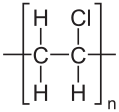
Diverse Applications of PVC in Packaging
PVC’s unique properties allow it to be used in both rigid and flexible packaging formats. This adaptability makes it suitable for a broad spectrum of goods across different sectors. Here are some key applications:
- Blister and Clamshell Packaging: Rigid PVC is extensively used for blister packs and clamshells. These transparent packages are ideal for consumer goods like electronics, toys, and hardware, offering excellent product visibility and protection.
- Food Packaging Films: Flexible PVC films are commonly employed as cling film for fresh produce, meats, and other food items. Its ability to stretch and adhere tightly helps preserve freshness and prevent contamination.
- Medical and Pharmaceutical Packaging: PVC’s chemical resistance and sterilizability make it crucial for medical packaging. It is found in IV bags, blood bags, and packaging for disposable syringes and other sterile devices.
- Shrink Sleeves and Labels: PVC shrink sleeves conform tightly to containers, providing 360-degree branding opportunities. They are widely used for beverages, cosmetics, and household products.
Common PVC Packaging Formats
| Packaging Format | Description | Typical Products |
|---|---|---|
| Rigid Films | Stiff, transparent sheets for forming shapes. | Blister packs, clamshells, clear boxes |
| Flexible Films | Stretchable, self-adhering films. | Cling film for food, stretch wrap |
| Bottles | Rigid containers for liquids. | Some household cleaners, automotive fluids |
| Shrink Sleeves | Heat-shrinkable labels that conform to product shape. | Beverage bottles, personal care products |
Safety Considerations for PVC Packaging
The safety of PVC in packaging, especially for food contact, has been a subject of ongoing discussion. Regulatory bodies worldwide have established guidelines to ensure its safe use. It is important to understand the nuances of PVC composition and its interaction with packaged goods.
- Additives and Migration: PVC often contains plasticizers, such as phthalates, to enhance its flexibility. Concerns have been raised about the potential migration of these additives into food or other contents, particularly under certain conditions like heating.
- Regulatory Compliance: In many regions, including the EU and US, PVC used in food contact materials must comply with strict regulations regarding the types and levels of additives. Virgin PVC that meets these standards is generally considered safe for approved applications.
- Alternatives and Innovations: Due to safety concerns and environmental pressures, the industry is actively exploring alternative materials and developing new PVC formulations with safer plasticizers or without them entirely.
PVC Safety Guidelines for Consumers
| Guideline | Explanation |
|---|---|
| Avoid Heating | Do not microwave or heat food in PVC containers or with PVC cling film, as this can increase additive migration. |
| Check Labels | Look for specific labeling indicating |
food-safe or microwave-safe use, though for PVC, microwave use is generally not recommended.
| Proper Disposal | Follow local recycling guidelines for PVC. While challenging, some PVC can be recycled.
Market Trends and the Future of PVC Packaging
The PVC packaging market is dynamic, influenced by technological advancements, evolving consumer preferences, and increasing environmental awareness. Several key trends are shaping its trajectory:
- Sustainability Initiatives: There is a growing demand for more sustainable packaging solutions. This has led to research and development in biodegradable and compostable PVC alternatives, as well as improved recycling technologies for PVC.
- Demand for Convenience: The rise of ready-to-eat meals, processed foods, and on-the-go consumption continues to drive the demand for convenient and protective packaging, where PVC still plays a role due to its barrier properties.
- Regulatory Scrutiny: Increased scrutiny from regulatory bodies and consumer advocacy groups regarding plasticizers and environmental impact is pushing manufacturers to innovate and find safer, more eco-friendly solutions.
- Technological Advancements: Innovations in PVC formulation and processing are leading to materials with enhanced performance characteristics, such as improved barrier properties and reduced material usage.
Global Plastic Packaging Market Growth (Projected)
| Year | Projected Market Size (USD Billion) |
|---|---|
| 2024 | 432.11 |
| 2030 | 492.30 |
| 2034 | 636.64 |
Note: These figures represent the overall plastic packaging market, of which PVC is a component.
Frequently Asked Questions (FAQ)
Q1: Is PVC packaging recyclable?
PVC is technically recyclable, but its recycling rate is lower compared to other plastics like PET or HDPE due to its complex composition and the presence of additives. Specialized recycling facilities are often required.
Q2: What are phthalates, and why are they a concern in PVC?
Phthalates are a group of chemicals used to make plastics more flexible and durable. In PVC, they are used as plasticizers. Concerns arise because some phthalates have been linked to potential health effects, especially when they migrate from the plastic into food or beverages.
Q3: How does PVC compare to PET for clear packaging?
Both PVC and PET offer excellent clarity. However, PET is generally preferred for food and beverage bottles due to its superior barrier properties for gases and its higher recycling rates. PVC is often chosen for blister packaging where rigidity and formability are key.