Polyethylene (PE) is a cornerstone material in the packaging industry, widely recognized for its versatility, durability, and cost-effectiveness. This comprehensive guide delves into the fundamental properties of PE, explores its diverse applications, with a special focus on food packaging, and examines crucial considerations for B2B stakeholders. Understanding PE packaging is essential for businesses seeking efficient, safe, and sustainable solutions.

Understanding Polyethylene: Key Properties
Polyethylene’s widespread adoption in packaging stems from its unique combination of physical and chemical properties. These characteristics make it adaptable for various applications, from rigid containers to flexible films. The specific properties can vary significantly depending on the type of PE, such as High-Density Polyethylene (HDPE), Low-Density Polyethylene (LDPE), and Linear Low-Density Polyethylene (LLDPE).
Material Composition and Structure
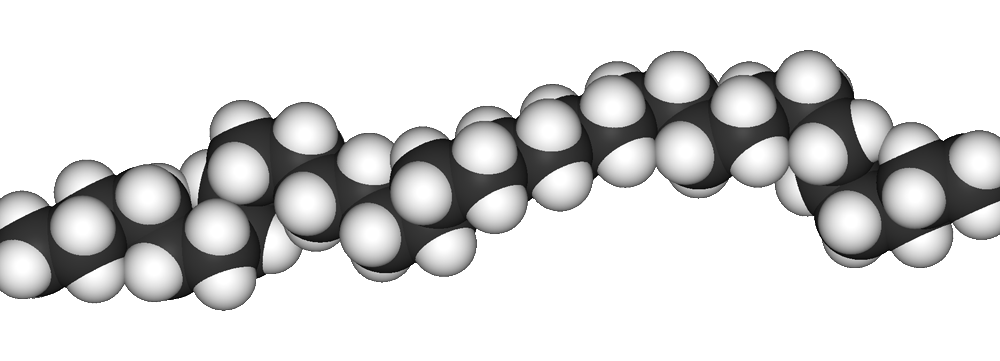
Polyethylene is a thermoplastic polymer derived from the polymerization of ethylene monomers. Its molecular structure, primarily a long chain of carbon atoms with hydrogen atoms attached, dictates its flexibility and strength. The degree of branching in these chains differentiates the various types of PE, influencing their density and overall performance.
Physical and Chemical Attributes
PE exhibits excellent chemical resistance, making it impervious to many acids, bases, and solvents. This resistance is crucial for protecting packaged contents from external contaminants and preventing chemical reactions. Furthermore, PE is known for its impressive moisture barrier properties, effectively preventing water vapor transmission and preserving product freshness. However, its oxygen barrier is generally poor, which is a consideration for oxygen-sensitive products.
PE is also lightweight, durable, and impact-resistant, contributing to reduced transportation costs and enhanced product protection during transit. Its transparency varies from opaque (HDPE) to clear (LDPE and LLDPE), allowing for diverse aesthetic and functional applications.
| Property | Description | Relevance to Packaging |
|---|---|---|
| Chemical Resistance | Resists attack from acids, bases, and many solvents. | Ensures product integrity and prevents contamination. |
| Moisture Barrier | Excellent at preventing water vapor transmission. | Preserves freshness, extends shelf life, and protects moisture-sensitive products. |
| Flexibility | Ranges from rigid (HDPE) to highly flexible (LDPE, LLDPE). | Allows for diverse packaging formats, from bottles to films. |
| Impact Resistance | Withstands shocks and drops without breaking. | Protects products during handling, shipping, and storage. |
| Lightweight | Low density reduces material usage and transportation costs. | Contributes to cost-effectiveness and reduced carbon footprint in logistics. |
| Transparency | Varies by type, from opaque to clear. | Enables product visibility for consumers and brand presentation. |
| Cost-Effectiveness | Relatively inexpensive to produce and process. | Makes it a preferred choice for mass-produced packaging solutions. |
The Manufacturing Process of PE Packaging
The journey of PE packaging from raw material to finished product involves several key stages. The process begins with the polymerization of ethylene gas, which is then transformed into PE resins. These resins serve as the foundational material for various manufacturing techniques that shape them into the final packaging forms.
From Raw Material to Resin
Ethylene, derived from natural gas or crude oil, undergoes polymerization under controlled temperature and pressure. Catalysts are often used to facilitate this reaction, resulting in long polymer chains. The resulting polyethylene is then processed into small pellets or granules, known as resins, which are easy to transport and handle in subsequent manufacturing steps.
Common Manufacturing Techniques
Several manufacturing processes are employed to convert PE resins into packaging products. The choice of technique depends on the desired final form and the type of PE being used.
- Blow Molding: This process is used to create hollow objects like bottles and jars. Air is blown into a heated PE tube (parison) inside a mold, forcing the plastic to take the shape of the mold.
- Injection Molding: Melted PE is injected into a mold cavity under high pressure. This technique is ideal for producing items with complex shapes, such as caps, closures, and containers.
- Film Extrusion: This method produces thin films and bags. Melted PE is extruded through a die to form a continuous sheet, which can be rolled up or further processed into bags.
PE Packaging in the Food Industry: A Closer Look
PE packaging is ubiquitous in the food and beverage sector due to its ability to preserve freshness, ensure safety, and offer convenience. Different types of PE are chosen based on the specific requirements of the food product.
Protecting and Preserving Freshness
PE’s excellent moisture barrier properties are critical for protecting a wide range of food products. For instance, it keeps baked goods soft, prevents dry foods from absorbing moisture, and protects fresh produce from dehydration. This extends the shelf life of products, reducing food waste and ensuring consumers receive high-quality goods.
Ensuring Food Safety and Hygiene
Food-grade PE resins are manufactured to meet stringent regulatory standards, such as those set by the FDA. This ensures that no harmful chemicals migrate from the packaging into the food. The material’s durability also protects food from physical damage and contamination during transportation and handling.
Common Food Packaging Applications
PE is used in a vast array of food packaging applications, showcasing its versatility.
| Packaging Type | PE Type Commonly Used | Examples of Food Products |
|---|---|---|
| Flexible Films & Bags | LDPE, LLDPE | Bread bags, frozen food bags, fresh produce bags, snack packaging |
| Rigid Bottles & Jars | HDPE | Milk jugs, juice bottles, condiment containers, oil bottles |
| Caps & Closures | HDPE, LDPE | Bottle caps, jar lids, dispensing closures |
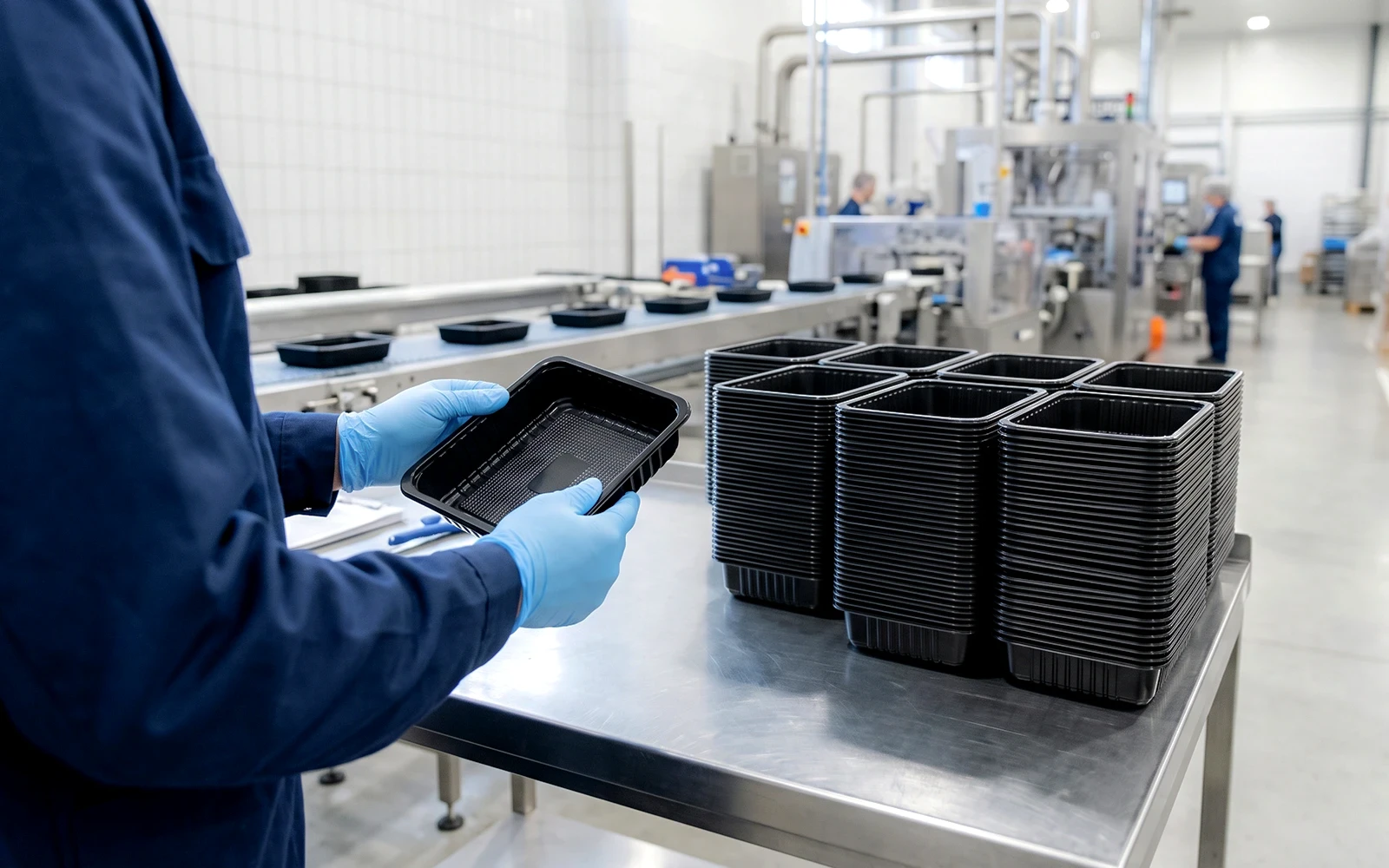
| Containers & Trays | HDPE | Meat trays, take-out containers, microwaveable meal trays |
| Laminates & Liners | LDPE | Cereal box liners, carton laminates for liquids |
B2B Considerations for PE Packaging
For businesses operating in the B2B space, selecting the right packaging material is a strategic decision that impacts supply chain efficiency, cost-effectiveness, and brand reputation. PE packaging offers several advantages that cater to the unique demands of B2B operations.
Supply Chain Efficiency and Logistics
PE’s lightweight nature translates into lower shipping costs and reduced fuel consumption, which are significant factors in large-scale B2B logistics. Its durability minimizes product damage during transit, leading to fewer returns and improved customer satisfaction. Furthermore, the ease of processing PE allows for high-speed manufacturing, ensuring a consistent supply of packaging materials to meet production demands.
Customization and Branding Opportunities
PE packaging can be easily customized to meet specific product requirements and branding needs. This includes variations in size, shape, color, and printing capabilities. Businesses can leverage these customization options to create distinctive packaging that reinforces their brand identity and provides essential product information. For example, custom-printed PE films can enhance shelf appeal and communicate key features of a product.
Cost-Effectiveness and Scalability
Polyethylene is generally more cost-effective than many alternative packaging materials, making it an attractive option for businesses looking to optimize their packaging budget without compromising on quality. Its widespread availability and established manufacturing infrastructure also ensure scalability, allowing businesses to procure large volumes of packaging as their production needs grow.
Environmental Aspects of PE Packaging
The environmental impact of plastic packaging, including PE, is a significant concern. However, ongoing advancements in recycling technologies and sustainable practices are addressing these challenges, making PE a more environmentally responsible choice.
Recyclability and Circular Economy
PE is a recyclable material, and efforts are continuously being made to improve its collection and reprocessing. HDPE and LDPE are among the most commonly recycled plastics, often designated with recycling codes #2 and #4, respectively. The push towards a circular economy encourages the reuse and recycling of PE, reducing reliance on virgin resources and minimizing landfill waste.
Life Cycle Assessment and Sustainability
Life cycle assessments (LCAs) often show that PE packaging can have a lower environmental footprint compared to alternative materials when considering factors like energy consumption, greenhouse gas emissions, and water usage throughout its entire life cycle, from production to disposal or recycling. This is particularly true when its lightweight nature and protective qualities reduce food waste and transportation impacts.
Innovations in Sustainable PE
The industry is actively developing more sustainable PE solutions, including:
- Post-Consumer Recycled (PCR) Content: Incorporating recycled PE into new packaging reduces the demand for virgin plastic.
- Bio-based PE: Derived from renewable resources like sugarcane, bio-based PE offers a more sustainable alternative to traditional fossil fuel-based plastics.
- Design for Recyclability: Packaging designs are evolving to enhance recyclability, such as using mono-material structures and avoiding incompatible additives.
| Environmental Aspect | Description | Impact on Sustainability |
|---|---|---|
| Recyclability | Widely recyclable, especially HDPE and LDPE. | Reduces landfill waste and conserves natural resources. |
| Lightweight | Low material usage and reduced transportation emissions. | Decreases carbon footprint throughout the supply chain. |
| Durability | Protects products, reducing spoilage and waste. | Minimizes environmental impact associated with product loss. |
| Energy Efficiency | Production and processing can be energy-efficient compared to some alternatives. | Contributes to lower overall energy consumption. |
| Circular Economy | Efforts to increase PCR content and design for recyclability. | Promotes resource efficiency and reduces reliance on virgin materials. |
Frequently Asked Questions (FAQ)
Q1: Is PE packaging safe for food contact?
A1: Yes, food-grade PE resins are specifically manufactured to comply with strict regulatory standards, such as those from the FDA and EU, ensuring they are safe for direct contact with food products and do not leach harmful substances.
Q2: What is the difference between HDPE and LDPE in food packaging?
A2: HDPE (High-Density Polyethylene) is more rigid, opaque, and has a higher tensile strength, making it suitable for milk jugs and detergent bottles. LDPE (Low-Density Polyethylene) is more flexible, transparent, and has better clarity, commonly used for plastic bags, films, and squeezable bottles.
Q3: Can PE packaging be recycled?
A3: Yes, PE is widely recyclable. HDPE (Recycling Code #2) and LDPE (Recycling Code #4) are among the most commonly recycled plastics. However, recycling infrastructure and practices vary by region, so it’s important to check local guidelines.
Q4: How does PE packaging contribute to reducing food waste?
A4: PE packaging provides excellent barrier properties against moisture and oxygen, which helps to preserve the freshness and extend the shelf life of food products. By protecting food from spoilage and contamination, it significantly contributes to reducing food waste throughout the supply chain.
Q5: What are the B2B advantages of using PE packaging?
A5: For B2B, PE packaging offers advantages such as cost-effectiveness, lightweight properties that reduce shipping costs, durability for product protection during transit, and versatility for customization and branding. Its widespread availability and established manufacturing processes also ensure reliable supply.