As the world seeks more sustainable solutions, bio-based plastics are emerging as a promising alternative in the food packaging industry. These innovative materials, derived from renewable biomass sources, offer a reduced environmental footprint compared to traditional fossil-based plastics. This blog post explores the characteristics, production, applications, and environmental impact of bio-based plastics in food packaging.
What Are Bio-Based Plastics?
Bio-based plastics, also known as bioplastics, are a category of plastics that are either entirely or partially derived from renewable biological resources. These resources include corn starch, sugarcane, cellulose, and vegetable oils, as opposed to petroleum. It is important to note that being bio-based does not automatically mean a plastic is biodegradable or compostable.
Types of Bio-Based Plastics
Bio-based plastics can be broadly categorized into:
- Bio-based but non-biodegradable plastics: These are chemically identical to conventional plastics but are made from renewable resources. Examples include bio-polyethylene (Bio-PE), bio-polypropylene (Bio-PP), and bio-PET.
- Biodegradable and compostable plastics: These plastics can break down into natural elements in specific environments. Examples include Polylactic Acid (PLA), Polyhydroxyalkanoates (PHAs), and Polybutylene Adipate Terephthalate (PBAT).
Production of Bio-Based Plastics
The manufacturing process for bio-based plastics typically involves converting biomass into monomers, which are then polymerized to create the plastic material. For instance, PLA is produced by fermenting plant starches to create lactic acid, which is then polymerized.
Key Benefits of Bio-Based Plastics in Food Packaging
Bio-based plastics offer several compelling advantages that make them attractive for food packaging applications, particularly in the context of sustainability.
Reduced Reliance on Fossil Resources
The primary benefit of bio-based plastics is their origin from renewable resources. This significantly reduces dependence on finite fossil fuels, contributing to a more sustainable and circular economy. By utilizing plant-based feedstocks, the carbon footprint associated with plastic production can be lowered.
Potential for Biodegradability and Compostability
Some bio-based plastics are designed to biodegrade or compost under specific conditions, offering an end-of-life solution that can reduce plastic accumulation in landfills and oceans. This property is particularly valuable for single-use food packaging where recycling is challenging.
Versatility and Performance
Modern bio-based plastics can be engineered to possess a wide range of properties, including strength, flexibility, and barrier characteristics, making them suitable for diverse food packaging needs. They can be processed using existing manufacturing infrastructure, facilitating their adoption.
Applications of Bio-Based Plastics in Food Packaging
Bio-based plastics are finding increasing use across various segments of the food packaging industry, driven by consumer demand for sustainable options and regulatory pressures.
Common Food Applications
Bio-based plastics are used in:
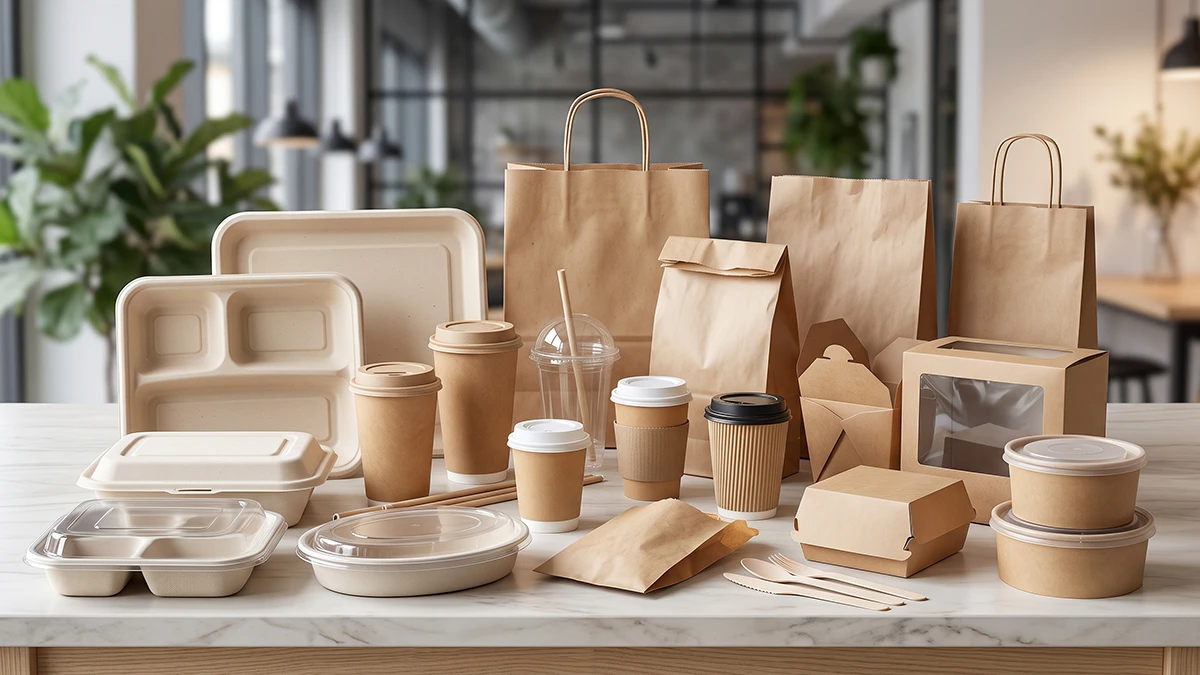
- Flexible Packaging: Films and pouches for snacks, baked goods, and fresh produce, often utilizing Bio-PE or PLA blends.
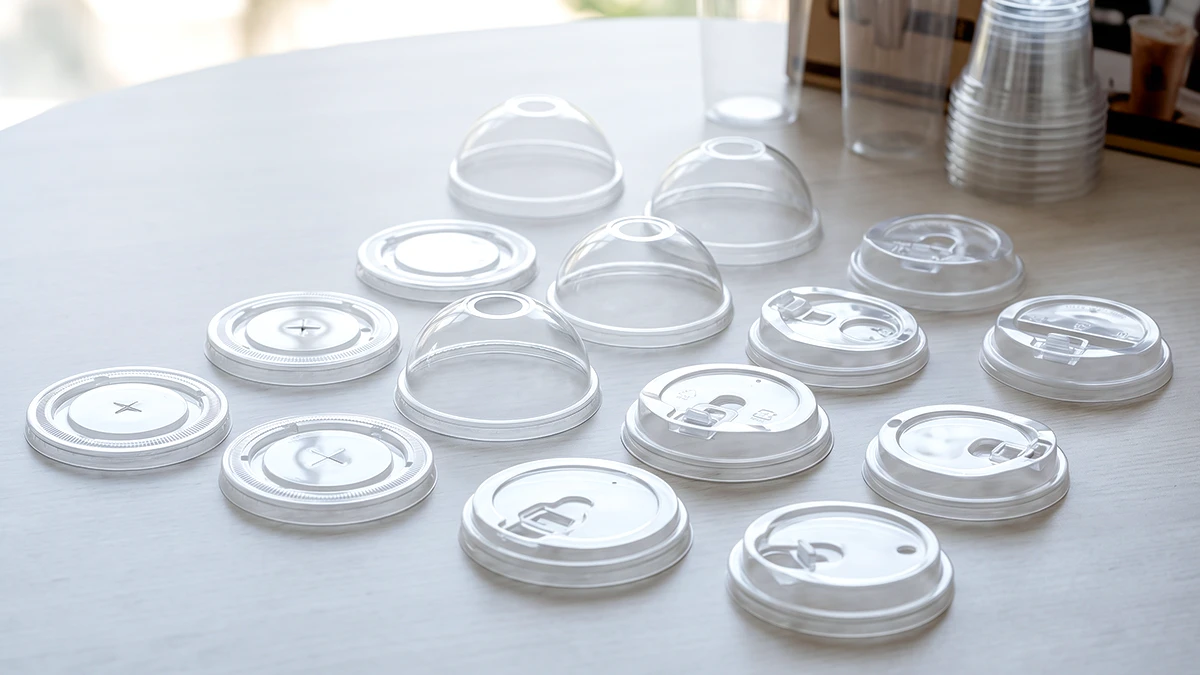
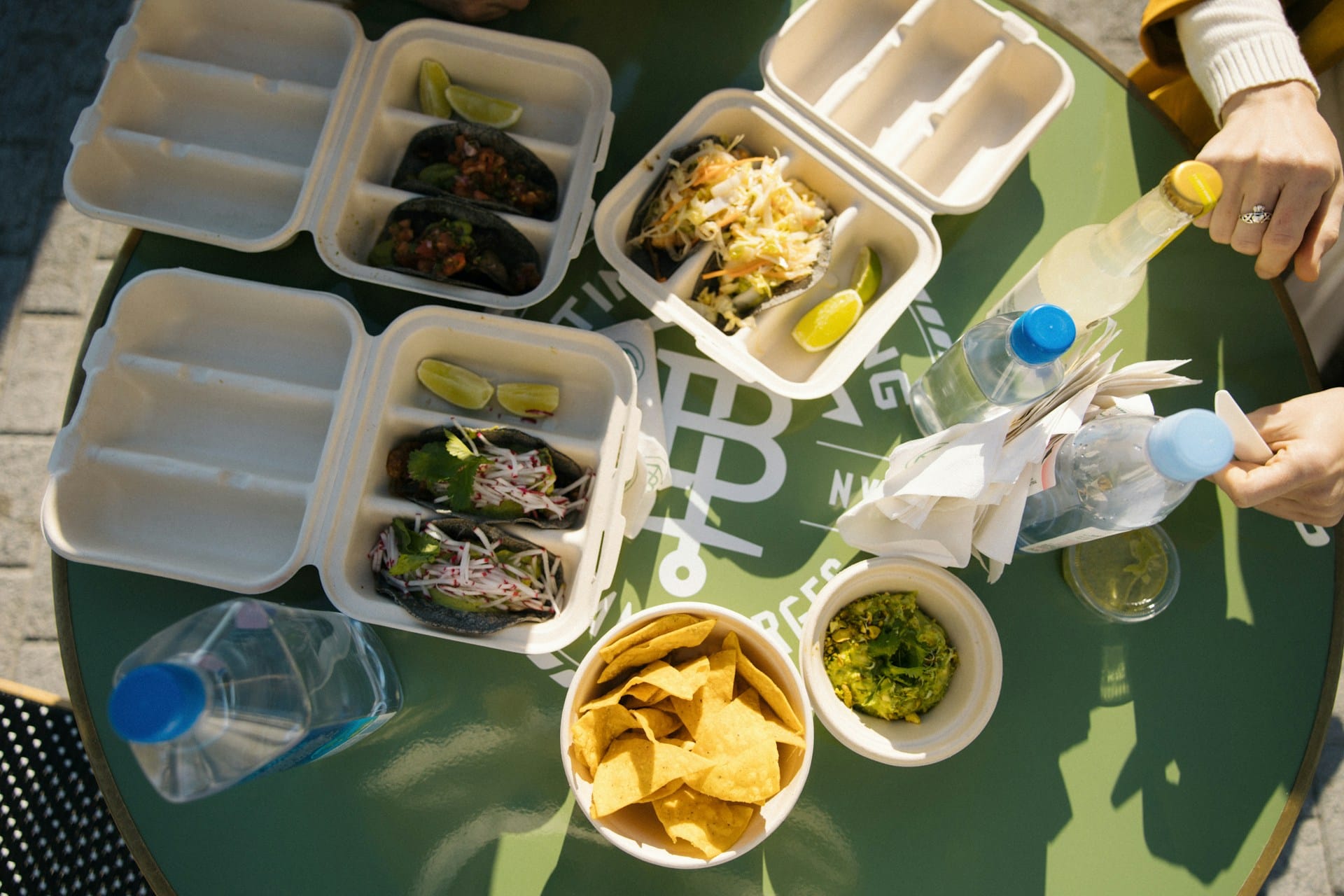
- Rigid Containers: Clamshells, trays, and bottles for salads, dairy products, and beverages, frequently made from PLA or bio-PET.
- Cutlery and Tableware: Disposable forks, spoons, and plates, commonly produced from PLA or starch-based bioplastics.
- Compostable Bags: Bags for fresh produce or food waste, often made from compostable bioplastics like PBAT.
Emerging Applications
Research and development are continuously expanding the potential uses of bio-based plastics, including active and intelligent packaging systems that can extend food shelf life or indicate spoilage.
Environmental Impact and Considerations
The environmental benefits of bio-based plastics are significant, but it is crucial to understand their nuances, especially regarding biodegradability and end-of-life management.
Life Cycle Assessment
While bio-based plastics reduce reliance on fossil fuels and can lower greenhouse gas emissions during production, their overall environmental impact depends on factors such as land use for feedstock cultivation, water consumption, and the energy used in processing. A comprehensive life cycle assessment is necessary to evaluate their true sustainability.
End-of-Life Management
For biodegradable bioplastics, proper composting infrastructure is essential for them to break down effectively. If sent to landfills, they may not biodegrade due to a lack of oxygen. Non-biodegradable bio-based plastics, like their fossil counterparts, require recycling to minimize environmental impact.
Comparison: Bio-Based Plastics vs. Conventional Plastics
Understanding the differences between bio-based and conventional plastics is key to appreciating the role of sustainable packaging.
| Feature | Bio-Based Plastics | Conventional Plastics |
|---|---|---|
| Raw Material | Renewable biomass (e.g., corn, sugarcane) | Fossil fuels (e.g., petroleum, natural gas) |
| Carbon Footprint | Generally lower (can be carbon neutral/negative) | Higher (releases stored carbon) |
| Biodegradability | Some types are biodegradable/compostable | Generally non-biodegradable |
| Recyclability | Varies by type, some are recyclable | Many types are recyclable |
| Performance | Comparable to conventional plastics for many uses | Wide range of established performance |
| Cost | Often higher due to nascent market | Generally lower, mature market |
Frequently Asked Questions (FAQ)
Q1: Are all bio-based plastics biodegradable?
A1: No, not all bio-based plastics are biodegradable. Some are chemically identical to conventional plastics but are made from renewable resources. It is important to check the specific properties of each bio-based plastic.
Q2: How do bio-based plastics contribute to a circular economy?
A2: Bio-based plastics contribute by utilizing renewable resources as feedstock, and some types can be composted or recycled, reducing waste and keeping materials in circulation.
Q3: Can bio-based plastics be recycled with conventional plastics?
A3: It depends on the type. Some bio-based plastics (e.g., bio-PET) can be recycled with their conventional counterparts. Others, particularly biodegradable ones, may contaminate conventional recycling streams and require separate collection and processing.
Q4: What are the main challenges for wider adoption of bio-based plastics?
A4: Challenges include higher production costs, limited availability of dedicated composting facilities, and the need for clearer labeling and consumer education regarding proper disposal.