In the dynamic world of food packaging, the demand for sustainable solutions is growing rapidly. Businesses, from small delis to large food manufacturers, are increasingly seeking packaging that not only preserves food quality but also aligns with environmental responsibility. Recyclable plastic deli containers offer a practical solution, balancing convenience with ecological considerations. This article delves into the materials used, the complexities of recycling, and how choosing the right packaging can benefit your business and the planet.
Understanding Recyclable Plastic Deli Containers
Recyclable plastic deli containers are designed to be collected, processed, and reused as raw materials for new products. This process helps reduce waste, conserve resources, and lower the environmental impact associated with traditional single-use plastics. For businesses, adopting these containers can enhance brand image and appeal to environmentally conscious consumers. It also demonstrates a commitment to sustainability within the supply chain.
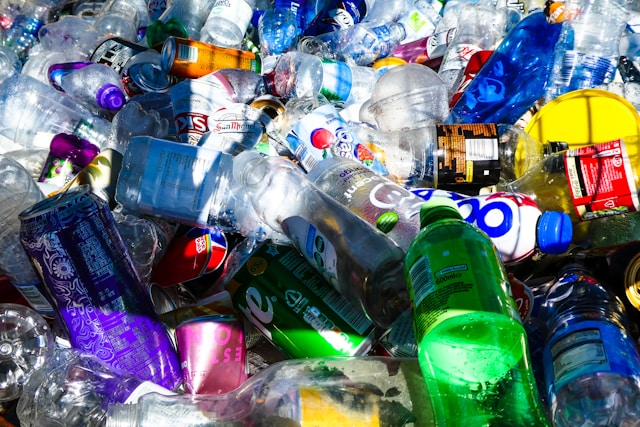
Common Materials Used in Recyclable Deli Containers
Several types of plastic are commonly used for recyclable deli containers, each with distinct properties and recycling characteristics. Understanding these materials is crucial for both manufacturers and buyers. The choice of material impacts food preservation, durability, and the ease of recycling. It also influences the container’s suitability for various food types and temperatures.
Polyethylene Terephthalate (PET or PETE)
PET is widely recognized for its clarity, strength, and light weight. It is a common choice for beverage bottles and food containers due to its excellent barrier properties. PET is highly recyclable and is often collected in curbside recycling programs. Its versatility makes it suitable for a wide range of deli products, from salads to sandwiches.
High-Density Polyethylene (HDPE)
HDPE is known for its durability and chemical resistance. It is commonly used for milk jugs, detergent bottles, and some food containers. While not as clear as PET, HDPE is opaque and offers good protection against moisture. HDPE is also widely recyclable and is often accepted in most recycling facilities.
Polypropylene (PP)
PP is a versatile plastic with good heat resistance, making it suitable for microwaveable deli containers. It is also known for its flexibility and durability. PP is increasingly being recycled, though its recycling infrastructure may not be as widespread as PET or HDPE in all regions. It is a popular choice for hot food applications and reusable containers.
Polystyrene (PS)
PS is often used for disposable cutlery, foam cups, and some clear deli containers. It can be rigid or foamed. While PS is technically recyclable, its recycling rate is generally lower due to collection and processing challenges. Many efforts are underway to improve PS recycling, but it remains a less preferred option for environmental reasons.
Other Plastics and Bioplastics
Beyond the common types, other plastics like PVC (Polyvinyl Chloride) and LDPE (Low-Density Polyethylene) are sometimes used, though less frequently for deli containers. Bioplastics, derived from renewable biomass sources, are also emerging as sustainable alternatives. These materials, such as PLA (Polylactic Acid), offer biodegradability or compostability under specific conditions, presenting new recycling considerations.
Common Recyclable Plastic Materials for Deli Containers
To provide a clearer overview, here is a table summarizing the common plastic materials used in deli containers and their key characteristics:
| Material | Recycling Code | Key Properties | Common Uses in Deli Containers | Recycling Availability |
|---|---|---|---|---|
| PET (Polyethylene Terephthalate) | 1 | Clear, strong, lightweight, good barrier | Salads, fruits, sandwiches, cold foods | Widely recyclable |
| HDPE (High-Density Polyethylene) | 2 | Durable, chemical resistant, opaque | Bulk deli items, some dairy products | Widely recyclable |
| PP (Polypropylene) | 5 | Heat resistant, flexible, durable | Hot foods, microwaveable meals, reusable containers | Increasingly recyclable |
| PS (Polystyrene) | 6 | Rigid or foamed, lightweight | Disposable cutlery, some clear containers | Limited recycling |
| PLA (Polylactic Acid) | 7 (often) | Biodegradable/Compostable (under specific conditions) | Cold foods, eco-friendly options | Specialized composting facilities |
The Complexities of Plastic Recycling
Despite the availability of recyclable plastic materials, the actual process of recycling deli containers faces several challenges. These hurdles can impact the efficiency and economic viability of recycling programs. Understanding these complexities is vital for businesses aiming to implement truly sustainable packaging solutions. It also highlights areas where innovation and improved practices are most needed.
Contamination Issues
Food residue is a primary contaminant in plastic recycling streams. Even small amounts of leftover food can render an entire batch of plastics unrecyclable. This issue is particularly prevalent with deli containers, which often come into direct contact with various food items. Proper rinsing by consumers is crucial but not always consistently practiced, leading to significant challenges for recycling facilities.
Sorting and Processing Challenges
Recycling facilities face the complex task of sorting different types of plastics. While recycling codes (the numbers inside the chasing arrows symbol) help identify plastic types, manual sorting is often required for mixed plastics. The variety of shapes, sizes, and colors of deli containers further complicates automated sorting processes. This can increase operational costs and reduce the purity of recycled materials.
Market Demand for Recycled Materials
The demand for recycled plastic, also known as post-consumer resin (PCR), fluctuates based on economic conditions and industry trends. If the market price for virgin plastic is low, it can be less economically attractive for manufacturers to use recycled materials. This directly impacts the viability of recycling programs and the incentive for collecting and processing plastics. A stable and robust market for PCR is essential for a circular economy.
Best Practices for Businesses: Enhancing Recyclability
Businesses play a pivotal role in promoting the effective recycling of plastic deli containers. By implementing strategic practices, companies can significantly contribute to a more sustainable packaging ecosystem. These efforts not only benefit the environment but also resonate positively with increasingly eco-conscious consumers. Embracing these practices can also lead to operational efficiencies and cost savings in the long run.
Choosing the Right Materials
Selecting easily recyclable materials like PET and HDPE is a fundamental step. Prioritize containers made from a single type of plastic to simplify the recycling process. Avoid multi-layer plastics or those with non-recyclable components, as these are difficult to separate and process. Reliancepak, for instance, offers a range of food-grade plastic packaging solutions designed with recyclability in mind, ensuring your business makes an environmentally sound choice.
Clear Labeling and Consumer Education
Educating consumers on proper disposal and recycling practices is paramount. Clear labeling with recycling codes and instructions can guide users to rinse containers and dispose of them correctly. Businesses can also provide information through in-store signage, website content, or social media campaigns. Empowering consumers with knowledge helps reduce contamination and increases recycling rates.
Partnering with Recycling Initiatives
Collaborating with local recycling facilities or industry initiatives can streamline the collection and processing of used containers. Some businesses participate in take-back programs or support infrastructure development for hard-to-recycle plastics. Such partnerships demonstrate corporate responsibility and can create a closed-loop system for your packaging. This proactive approach strengthens the entire recycling value chain.
The Future of Recyclable Deli Containers
The landscape of food packaging is continuously evolving, driven by technological advancements and increasing environmental awareness. The future of recyclable deli containers looks promising, with ongoing innovations aimed at improving both material properties and recycling processes. These developments are crucial for achieving a truly circular economy in packaging. Businesses that stay ahead of these trends will be better positioned for long-term success.
Innovations in Material Science
Researchers are developing new types of plastics that are easier to recycle or have enhanced biodegradability. This includes advanced bioplastics that can break down more efficiently in industrial composting facilities. There is also a focus on creating plastics with improved barrier properties that are still fully recyclable. These innovations aim to overcome current limitations and expand the range of recyclable options available.
Advanced Recycling Technologies
Beyond traditional mechanical recycling, chemical recycling technologies are gaining traction. These processes can break down plastics into their original monomers, allowing them to be re-polymerized into new, high-quality plastics. This opens up possibilities for recycling mixed or contaminated plastics that are currently difficult to process. Such technologies offer a more robust solution for complex waste streams.
Policy and Regulatory Support
Governments and international bodies are increasingly implementing policies to support sustainable packaging and boost recycling rates. Extended Producer Responsibility (EPR) schemes, plastic taxes, and mandatory recycled content targets are becoming more common. These regulations create a stronger incentive for businesses to adopt recyclable packaging and invest in recycling infrastructure. Staying informed about these policies is essential for compliance and strategic planning.
Future Trends in Recyclable Deli Containers
Here’s a summary of the key trends shaping the future of recyclable deli containers:
| Trend Category | Description | Impact on Deli Containers |
|---|---|---|
| Material Innovation | Development of new, easily recyclable plastics and advanced bioplastics. | Wider range of sustainable options, improved performance. |
| Advanced Recycling | Chemical recycling and other technologies to process mixed/contaminated plastics. | Higher recycling rates, reduced waste, more circular economy. |
| Policy & Regulation | EPR schemes, plastic taxes, mandatory recycled content targets. | Increased adoption of recyclable packaging, investment in infrastructure. |
Choosing the Right Partner for Recyclable Deli Containers
Selecting a reliable and knowledgeable supplier for your recyclable plastic deli containers is as crucial as choosing the right materials. A good partner can provide not only high-quality products but also valuable insights into sustainability practices and regulatory compliance. This partnership ensures that your packaging solutions are both effective and environmentally responsible. It also streamlines your procurement process and supports your business goals.
Reliancepak, a leading manufacturer and trading company with 9 production lines, specializes in providing a wide range of plastic packaging solutions, including disposable food containers. With a strong focus on environmentally friendly materials and food-grade certifications (EU, FDA, etc.), Reliancepak is committed to helping B2B clients like large company buyers, distributors, and food factories find the perfect balance between functionality, safety, and sustainability. Our expertise ensures fast delivery, professional customization, and a one-stop purchase experience for rare products. Partnering with Reliancepak means gaining access to a comprehensive selection of recyclable options that meet stringent quality and environmental standards.
Conclusion
Recyclable plastic deli containers are an essential component of modern food packaging, offering both convenience and a pathway to environmental responsibility. While challenges in recycling persist, advancements in material science, processing technologies, and supportive policies are paving the way for a more sustainable future. By understanding the different plastic materials, implementing best practices for enhancing recyclability, and partnering with committed suppliers like Reliancepak, businesses can make informed choices that benefit their operations, their customers, and the planet. Embracing these sustainable solutions is not just an environmental imperative but also a strategic business advantage in today’s market.
Frequently Asked Questions (FAQ)
What do the recycling codes on plastic containers mean?
Recycling codes, often found as a number inside a chasing arrows triangle, identify the type of plastic resin used. For example, ‘1’ indicates PET, ‘2’ indicates HDPE, and ‘5’ indicates PP. These codes help recycling facilities sort plastics and inform consumers about recyclability. It’s important to check with your local recycling program, as not all codes are accepted everywhere.
Can all plastic deli containers be recycled?
While many plastic deli containers are technically recyclable, their actual recyclability depends on several factors. These include the type of plastic, the presence of food residue, and the capabilities of local recycling facilities. Containers made from PET, HDPE, and PP are generally more widely accepted for recycling than those made from PS or mixed materials.
How can businesses ensure their plastic deli containers are truly recycled?
Businesses can enhance the recyclability of their containers by choosing widely accepted materials, educating consumers on proper disposal, and partnering with effective recycling programs. Working with suppliers like Reliancepak who prioritize sustainable materials and provide clear guidance can also make a significant difference. Promoting clean recycling habits among end-users is also key.
What are the benefits of using recyclable plastic deli containers?
Using recyclable plastic deli containers offers numerous benefits, including reducing landfill waste, conserving natural resources, and lowering carbon emissions. For businesses, it enhances brand reputation, appeals to environmentally conscious customers, and can contribute to corporate sustainability goals. It also demonstrates a commitment to responsible business practices.