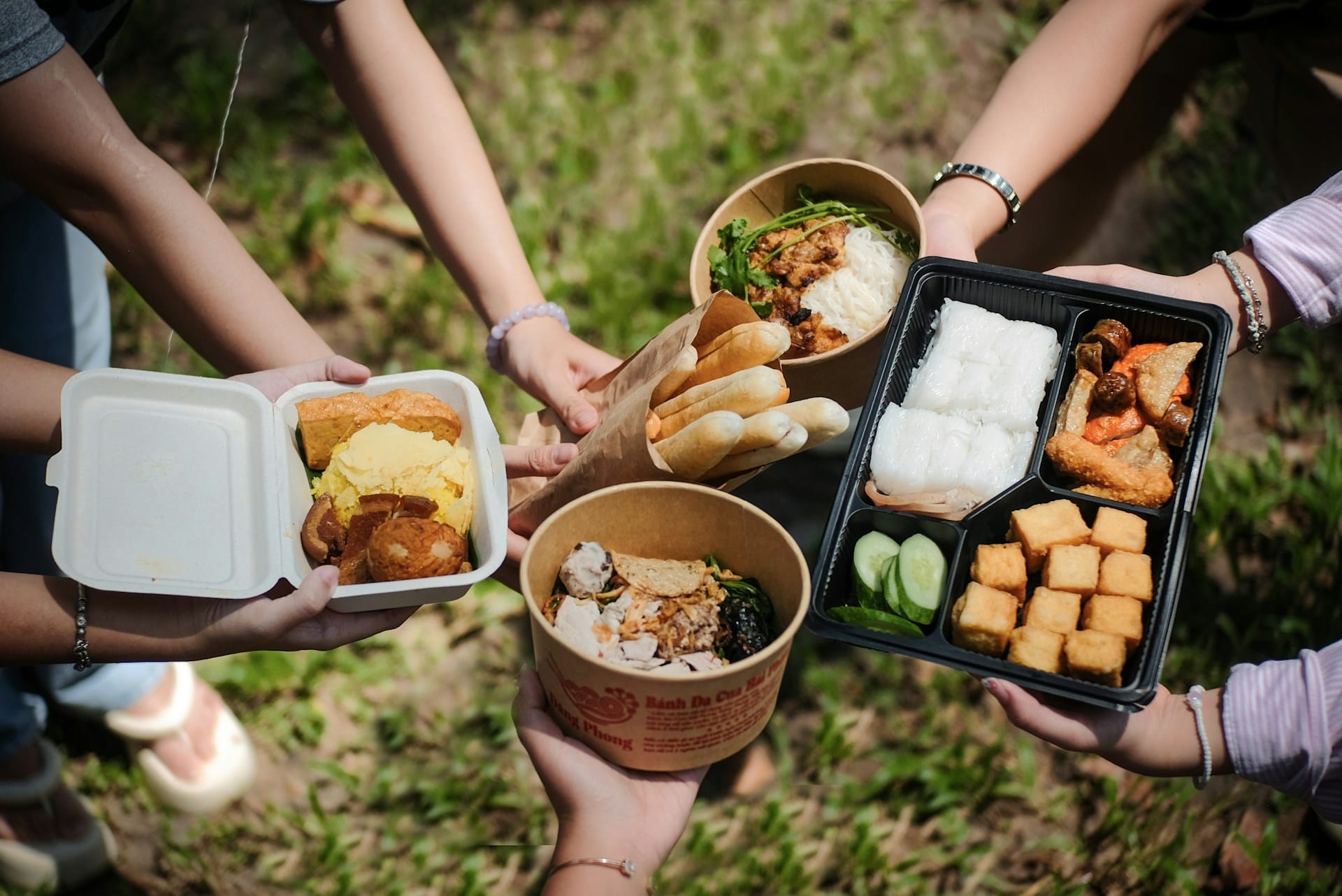
In today’s fast-paced world, packaging is more than just a container; it’s a critical component that ensures product safety, extends shelf life, and enhances consumer appeal. For businesses in the food and medical sectors, choosing the right packaging solution is paramount. This is where thermoforming packaging shines. It’s a versatile and efficient method that offers numerous benefits, making it an indispensable choice for a wide range of products. In this blog post, we’ll delve into what thermoforming packaging is, explore its advantages, and understand why it plays such a vital role in the food and medical industries.
What is Thermoforming Packaging?
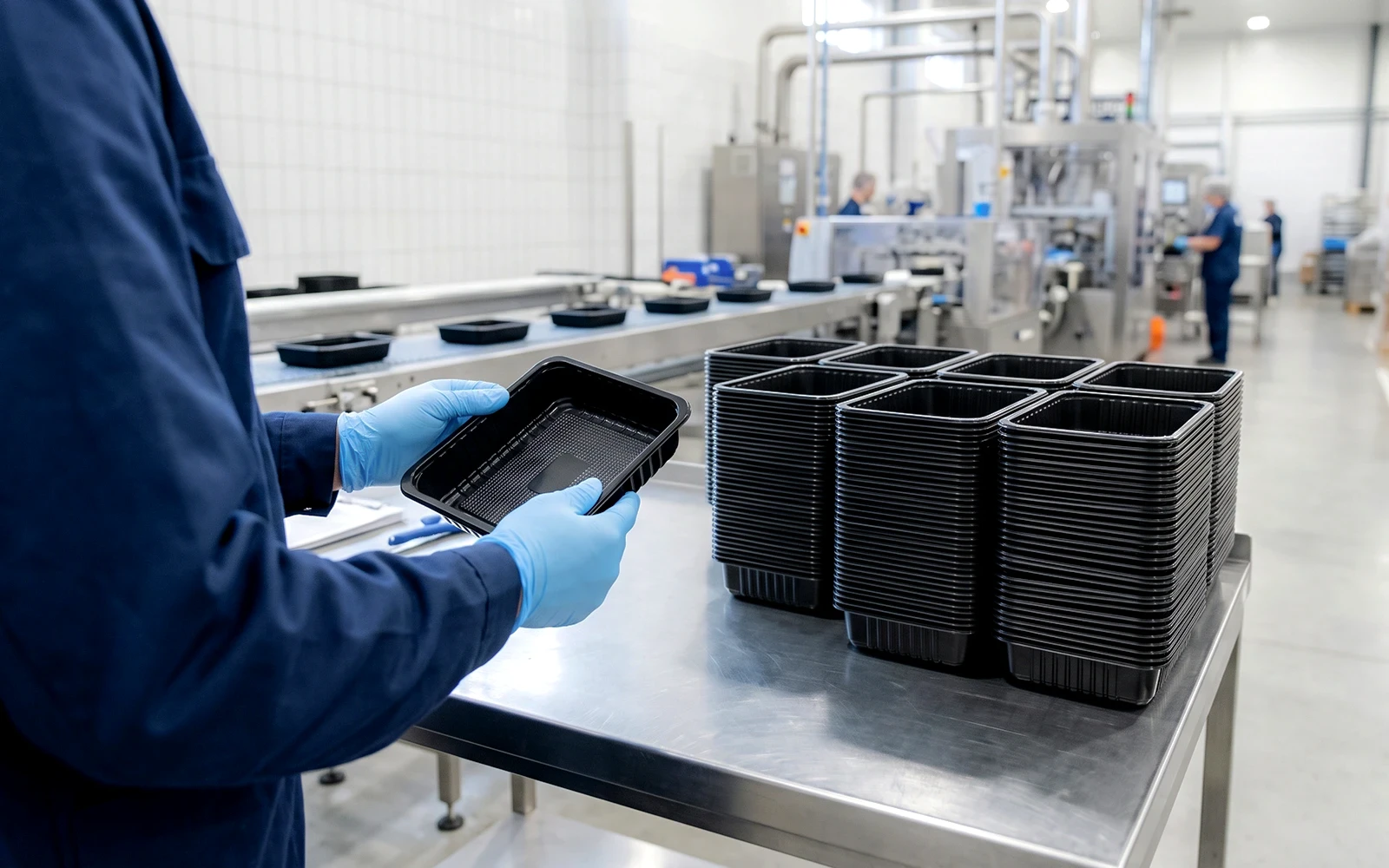
Thermoforming is a manufacturing process where a plastic sheet is heated to a pliable temperature, formed into a specific shape in a mold, and then trimmed to create a finished product. This technique is highly valued for its ability to produce custom packaging solutions with precision and efficiency. Unlike other molding processes, thermoforming allows for rapid production cycles and significant design flexibility, making it a go-to method for various industries.
The Thermoforming Process Explained
The thermoforming process typically involves several key steps. First, a plastic sheet, often supplied in rolls, is fed into a thermoforming machine. The sheet is then heated in an oven section until it becomes soft and pliable. Once heated, the sheet is draped over or into a mold. A vacuum is then applied to pull the softened plastic tightly against the mold’s contours, or pressure is used to force the plastic into the mold, creating the desired shape. After cooling, the plastic retains its new form, and the excess material is trimmed away, leaving the finished product. The trimmed waste can often be recycled, contributing to sustainability efforts.
Common materials used in thermoforming include:
- PET (Polyethylene Terephthalate): Known for its clarity, strength, and excellent barrier properties, widely used in food and medical packaging.
- PP (Polypropylene): Offers good chemical resistance and is suitable for microwaveable applications.
- PS (Polystyrene): A cost-effective option for disposable containers and trays.
- PVC (Polyvinyl Chloride): Provides good clarity and impact resistance, often used for blister packaging.
- PETG (Polyethylene Terephthalate Glycol): Offers enhanced durability and chemical resistance compared to PET, ideal for medical devices.
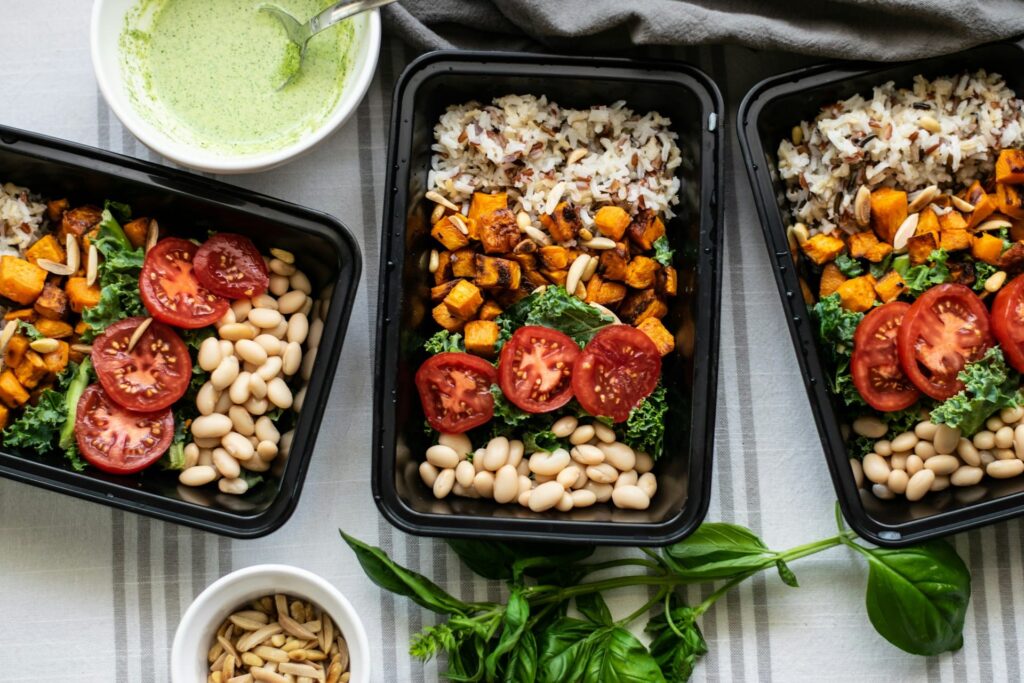
Advantages of Thermoforming Packaging
Thermoforming offers a compelling set of advantages that make it a preferred choice for many businesses, especially those requiring high-volume, cost-effective, and customized packaging solutions.
Cost-Efficiency
One of the primary benefits of thermoforming is its cost-effectiveness. The tooling costs for thermoforming molds are generally lower compared to other molding techniques like injection molding. This makes it an attractive option for both small and large production runs. Additionally, the process optimizes material usage, reducing waste and overall production expenses.
Design Flexibility
Thermoforming allows for immense design flexibility. Manufacturers can create intricate and custom shapes, sizes, and features to meet specific product requirements and branding needs. This adaptability is crucial for products that demand unique packaging to stand out on the shelves or to accommodate unusual forms.
Speed of Production
The speed at which thermoformed products can be manufactured is a significant advantage. Thermoforming machines can operate at high speeds, enabling rapid production of large quantities of packaging. This high-volume capability is essential for industries with high demand and tight production schedules.
Material Versatility
As mentioned earlier, thermoforming is compatible with a wide array of plastic materials. This versatility allows businesses to select the most appropriate material based on factors such as product protection needs, shelf life requirements, aesthetic preferences, and cost considerations. Each material offers distinct properties, from barrier protection to temperature resistance.
Sustainability Aspects
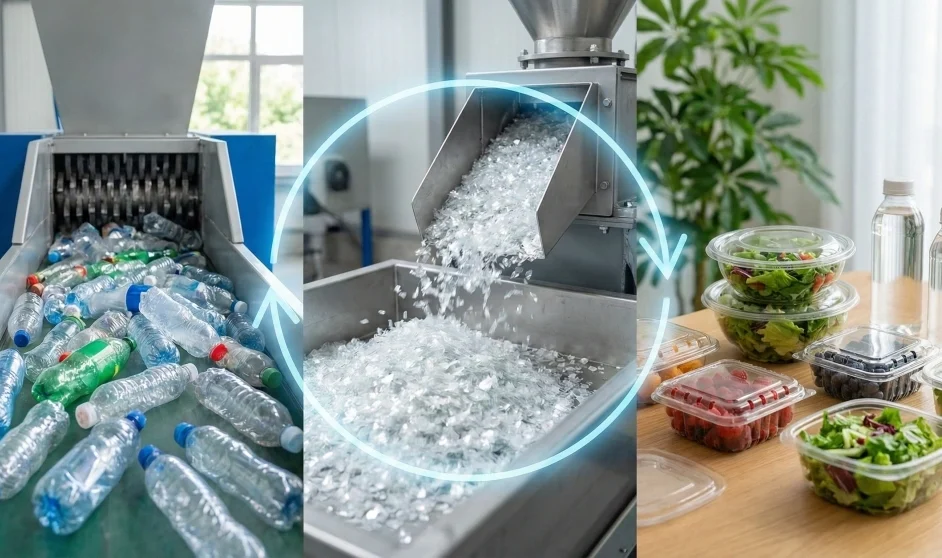
Sustainability is a growing concern across all industries, and thermoforming can contribute positively to environmental efforts. Many thermoforming plastics are recyclable, and the process itself can incorporate recycled content. This focus on circularity helps reduce the environmental footprint of packaging, aligning with modern ecological goals.
Thermoforming in the Food Industry
In the food industry, packaging plays a critical role in maintaining freshness, preventing contamination, and ensuring product integrity from farm to fork. Thermoforming packaging is widely adopted due to its ability to meet these stringent demands effectively.
Enhancing Food Safety and Shelf Life
Thermoformed packaging provides excellent barrier properties against moisture, oxygen, and other external contaminants, which are crucial for preserving food quality and extending shelf life. Features like tamper-evident seals and leak-resistant designs further enhance food safety, giving consumers confidence in the products they purchase. For instance, fresh produce, meats, and ready-to-eat meals often rely on thermoformed trays and clamshells to stay fresh longer.
Customization for Food Brands
Food brands leverage thermoforming for its customization capabilities to create visually appealing packaging that reflects their brand identity. Clear thermoformed containers offer excellent product visibility, allowing consumers to see the quality of the food inside. This transparency, combined with unique designs, helps products capture attention on crowded supermarket shelves.
Thermoforming in the Medical Industry
The medical industry demands the highest standards of sterility, protection, and compliance for its packaging solutions. Thermoforming is a cornerstone in medical packaging due to its precision, reliability, and ability to meet strict regulatory requirements.
Ensuring Sterility and Protection
Medical devices, pharmaceuticals, and diagnostic kits require packaging that can withstand sterilization processes (such as gamma irradiation or ethylene oxide) without compromising integrity. Thermoformed blister packs and trays are designed to provide a sterile barrier, protecting sensitive medical products from contamination and physical damage. Materials like PETG are often chosen for their compatibility with sterilization methods and their robust protective qualities.
Compliance and Regulations
Compliance with regulatory bodies like the FDA (Food and Drug Administration) in the US and similar health authorities globally is non-negotiable in the medical sector. Thermoforming processes and materials can be precisely controlled to meet these rigorous standards, ensuring that medical packaging is safe, effective, and compliant. Cleanroom manufacturing environments are often utilized to produce medical thermoformed packaging, minimizing particulate contamination.
Why Reliancepak Excels in Thermoforming Packaging
At Reliancepak, we understand the critical role that high-quality packaging plays in your business success. As a leading manufacturer and trading company from China with 9 production lines, we specialize in providing exceptional thermoforming packaging solutions for B2B clients worldwide. Our expertise spans plastic packaging trays, disposable food containers, and more, all designed to meet the diverse needs of industries like food and medical.
We pride ourselves on:
- Professional Customization: Tailoring packaging to your exact specifications, ensuring perfect fit and brand alignment.
- Fast Delivery: Our efficient production processes and robust supply chain ensure timely delivery to your location, whether in Malaysia, Peru, the US, or beyond.
- Environmentally Friendly Materials: Offering solutions made from sustainable and recyclable materials, supporting your green initiatives.
- Food Grade Certifications: Holding certifications like EU and FDA Food Grade, guaranteeing the safety and compliance of our products.
- One-Stop Purchase: Providing a wide range of packaging products, making Reliancepak your comprehensive partner for all packaging needs.
Partner with Reliancepak to elevate your product’s protection, presentation, and market appeal with our advanced thermoforming packaging solutions.
Conclusion
Thermoforming packaging is a dynamic and essential solution that addresses the complex needs of the food and medical industries. Its blend of cost-efficiency, design flexibility, production speed, and material versatility makes it an ideal choice for businesses seeking reliable and innovative packaging. As industries continue to evolve, thermoforming will undoubtedly remain at the forefront, driven by its adaptability and commitment to product integrity. For businesses looking to enhance their packaging strategy, exploring thermoforming with a trusted partner like Reliancepak is a strategic move.
FAQ
Q: What is the main difference between thermoforming and injection molding?
A: Thermoforming involves heating a plastic sheet and molding it over a form, while injection molding melts plastic pellets and injects them into a mold cavity. Thermoforming generally has lower tooling costs and faster prototyping, while injection molding is better for complex, high-precision parts with thicker walls.
Q: Is thermoforming packaging sustainable?
A: Yes, thermoforming packaging can be sustainable. Many thermoforming plastics are recyclable, and manufacturers can incorporate recycled content into their products. The process also allows for efficient material use, reducing waste.
Q: What types of products can be packaged using thermoforming?
A: Thermoforming is used for a wide range of products, including food containers (clamshells, trays), medical device packaging (blister packs, sterile trays), consumer goods packaging, and industrial components.
Q: How does thermoforming ensure food safety?
A: Thermoforming ensures food safety through the use of food-grade materials, creation of effective barriers against contaminants, and designs that allow for tamper-evident and leak-resistant seals. It helps extend shelf life and maintain product freshness.
Q: Can thermoforming packaging be customized?
A: Absolutely. Thermoforming offers high design flexibility, allowing for extensive customization in terms of shape, size, features, and branding elements to meet specific product and market needs.