
In today’s rapidly evolving packaging landscape, businesses are increasingly prioritizing sustainability without compromising on performance. Thermoforming packaging, known for its versatility and cost-effectiveness, is at the forefront of this shift. This blog post explores how recyclable materials like PET, RPET, and others are transforming the thermoforming industry, offering innovative solutions for a greener future. Discover how these materials can benefit your supply chain and meet growing consumer demands for eco-friendly products.
The Rise of Sustainable Thermoforming
The packaging industry faces immense pressure to adopt sustainable practices. Consumers and regulations alike demand environmentally responsible solutions. Thermoforming, a process of heating plastic sheets and molding them into desired shapes, is adapting to these demands. This evolution focuses on using materials that minimize environmental impact.
Why Recyclable Materials Matter
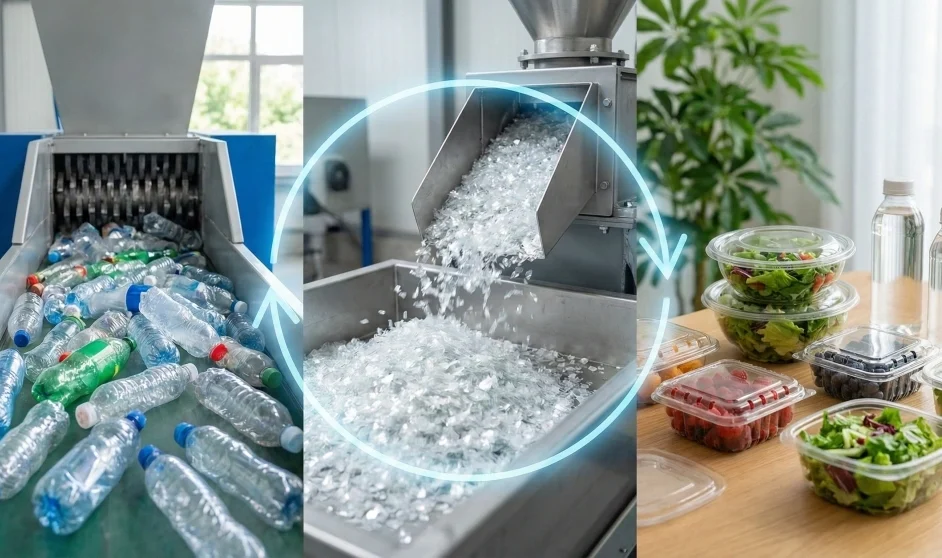
Recyclable materials are crucial for reducing waste and conserving resources. They allow for a circular economy where materials are reused, not discarded. This approach significantly lowers the carbon footprint of packaging. It also enhances brand reputation and meets corporate social responsibility goals.

Key Recyclable Materials in Thermoforming
Several materials are leading the charge in sustainable thermoforming. Each offers unique properties and benefits for various applications. Understanding these materials is vital for making informed packaging decisions.
Polyethylene Terephthalate (PET)
PET is a widely used plastic resin known for its clarity, strength, and barrier properties. It is commonly found in beverage bottles and food containers. PET is highly recyclable and accepted in most recycling programs globally. Its versatility makes it an excellent choice for thermoformed packaging.
Recycled Polyethylene Terephthalate (RPET)
RPET is PET that has been recycled and reprocessed into new material. Using RPET significantly reduces reliance on virgin plastics and lowers energy consumption. It offers similar performance characteristics to virgin PET, making it ideal for food-grade thermoformed packaging. Reliancepak actively utilizes RPET to provide sustainable solutions to its clients.
Other Emerging Recyclable Materials
Beyond PET and RPET, other materials are gaining traction. These include polypropylene (PP) and polylactic acid (PLA). PP is durable and heat-resistant, suitable for microwaveable containers. PLA is a bioplastic derived from renewable resources like corn starch, offering a compostable alternative.
| Material | Key Properties | Common Applications | Recyclability | Notes |
|---|---|---|---|---|
| PET (Polyethylene Terephthalate) | Clear, strong, good barrier properties | Beverage bottles, food containers, blister packs | High | Widely recycled |
| RPET (Recycled PET) | Similar to virgin PET, reduced environmental impact | Food-grade packaging, trays, clamshells | High | Supports circular economy |
| PP (Polypropylene) | Durable, heat-resistant, flexible | Microwaveable containers, automotive parts, living hinges | Moderate | Less widely recycled than PET |
| PLA (Polylactic Acid) | Biodegradable, compostable, derived from renewable resources | Disposable cups, food packaging, compostable bags | Varies (industrial composting required) | Bioplastic, not universally recyclable with traditional plastics |
Benefits of Using Recyclable Materials in Thermoforming
Adopting recyclable materials in thermoforming offers numerous advantages for businesses. These benefits extend beyond environmental impact, influencing cost-efficiency and market perception. Companies can achieve significant improvements across their operations.
Environmental Advantages
Using recyclable materials drastically reduces landfill waste. It conserves natural resources by decreasing the need for new raw materials. This practice also lowers greenhouse gas emissions associated with plastic production. It supports a circular economy model, promoting sustainability.
Economic Benefits
Recyclable materials can lead to cost savings in the long run. Reduced reliance on virgin plastics can stabilize material costs. Furthermore, meeting sustainability goals can open doors to new markets and partnerships. Many consumers and businesses prefer eco-conscious suppliers.
Enhanced Brand Image and Consumer Trust
Companies that prioritize sustainable packaging often see improved brand perception. Consumers are increasingly aware of environmental issues and favor brands that align with their values. This commitment to sustainability builds trust and loyalty. It can differentiate a brand in a competitive market.
Applications of Recyclable Thermoforming Packaging
Recyclable thermoformed packaging is versatile and used across many industries. Its adaptability makes it suitable for diverse product needs. From food to medical, these materials provide effective and sustainable solutions.
Food and Beverage Industry
This sector heavily relies on thermoforming for trays, clamshells, and containers. Recyclable PET and RPET are ideal for fresh produce, baked goods, and ready meals. They offer excellent clarity, protecting food while showcasing its appeal. These materials also ensure food safety and extend shelf life.
Medical and Pharmaceutical Packaging
Sterile medical devices and pharmaceutical products often require precise packaging. Thermoformed trays made from recyclable materials provide secure and hygienic solutions. They protect sensitive items from contamination and damage. This application highlights the material’s reliability and safety.
Retail and Consumer Goods
Blister packs and display trays are common in retail. Recyclable thermoforming offers an attractive and protective way to present products. It enhances product visibility and prevents tampering. This helps businesses meet both aesthetic and environmental goals.
Challenges and Solutions in Recyclable Thermoforming
While promising, the adoption of recyclable thermoforming materials faces certain challenges. These include collection, sorting, and processing issues. However, the industry is actively developing innovative solutions to overcome these hurdles.
Collection and Sorting Infrastructure
One primary challenge is the varied recycling infrastructure across regions. Not all facilities can efficiently sort and process thermoformed plastics, especially mixed materials. This can lead to lower recycling rates for some products. Improving public awareness and standardized collection systems are vital.
Material Contamination
Contamination from food residues or other plastics can compromise the quality of recycled materials. This makes it harder to produce high-grade RPET suitable for new packaging. Advanced washing and sorting technologies are being developed to address this. Collaboration across the supply chain is also crucial.
Innovation in Material Science
Ongoing research is focused on creating new materials and improving existing ones. This includes developing more easily recyclable multi-layer structures. Innovations in chemical recycling also offer potential solutions. These processes can break down plastics into their basic monomers for reuse.
Future Trends in Recyclable Thermoforming
The future of thermoforming with recyclable materials is dynamic and promising. Several key trends are shaping its evolution. These advancements aim to further enhance sustainability and efficiency.
Increased Use of Post-Consumer Recycled (PCR) Content
There is a growing push for higher percentages of PCR content in packaging. This reduces reliance on virgin resources and supports a circular economy. Brands are setting ambitious targets for PCR inclusion. This trend will drive innovation in recycling technologies.
Bioplastics and Compostable Materials
Bioplastics, derived from renewable biomass sources, are gaining traction. Materials like PLA offer compostable alternatives for specific applications. While still niche, their use is expected to expand. This provides more options for end-of-life solutions.
Design for Recyclability
Packaging designers are increasingly focusing on “design for recyclability.” This means creating products that are easy to collect, sort, and reprocess. Simplification of material types and clear labeling are key aspects. This proactive approach ensures higher recycling rates.
Conclusion
Thermoforming packaging with recyclable materials is not just a trend; it’s a fundamental shift towards a more sustainable future. By embracing materials like PET, RPET, PP, and PLA, businesses can meet environmental goals, reduce costs, and enhance their brand image. Reliancepak is committed to providing innovative and eco-friendly thermoforming solutions, helping our clients navigate this evolving landscape. Partner with us to create packaging that is both high-performing and environmentally responsible.
FAQ
Q1: What is the main difference between PET and RPET?
A1: PET is virgin polyethylene terephthalate, while RPET is recycled PET. RPET is made from post-consumer PET waste, reducing the need for new plastic production and lowering environmental impact.
Q2: Are all thermoformed plastics recyclable?
A2: While many thermoformed plastics, especially PET and RPET, are technically recyclable, the actual recyclability depends on local recycling infrastructure and consumer sorting practices. Materials like PP are less widely recycled than PET.
Q3: Can recyclable thermoforming packaging be used for food?
A3: Yes, food-grade recyclable thermoforming materials like PET and RPET are widely used for food packaging. They meet strict safety standards and provide excellent protection for various food products.
Q4: What are the benefits of using bioplastics like PLA in thermoforming?
A4: Bioplastics like PLA are derived from renewable resources and are compostable under industrial conditions. They offer an alternative to traditional plastics, reducing reliance on fossil fuels and providing an end-of-life option that returns materials to the earth.
Q5: How can businesses ensure their thermoformed packaging is truly sustainable?
A5: Businesses can ensure sustainability by choosing materials with high recycled content (like RPET), designing for recyclability, partnering with manufacturers committed to sustainable practices (like Reliancepak), and educating consumers on proper disposal.