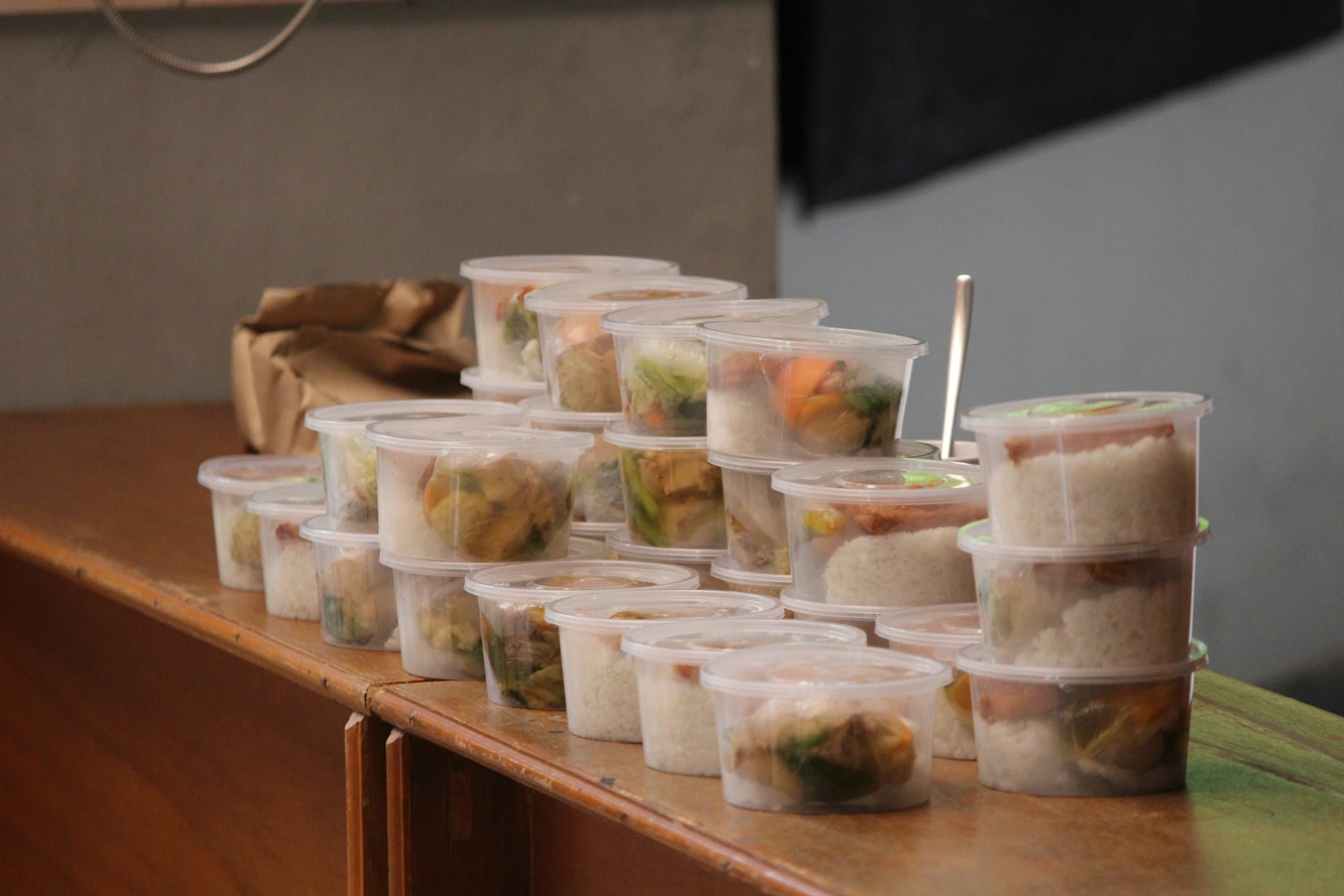
In the bustling world of food production and consumption, the humble plastic food box plays a pivotal role. From ensuring freshness to facilitating convenience, these containers are indispensable for businesses across the food industry. But have you ever wondered about the intricate journey a plastic food box undertakes before it reaches your table? This blog post delves into the fascinating process, from raw material to the final product, highlighting the critical stages and considerations for businesses seeking reliable and high-quality plastic food packaging solutions. Understanding this journey is key to making informed procurement decisions and ensuring food safety and sustainability.
The Genesis: Raw Materials and Their Selection
The journey of a plastic food box begins long before it takes its familiar shape. It starts with the careful selection of raw materials, primarily polymers. The choice of polymer is crucial, as it dictates the container’s properties, including its strength, transparency, heat resistance, and most importantly, its food-grade safety. Businesses must prioritize materials that comply with international food safety standards like FDA and EU regulations.
Key Polymer Types for Food Packaging
Several types of plastics are commonly used in food packaging, each with unique characteristics. Understanding these differences helps in selecting the right material for specific food applications. For instance, PET is excellent for cold beverages, while PP is preferred for microwave-safe containers.
| Polymer Type | Common Uses | Key Properties | Food Safety Considerations |
|---|---|---|---|
| PET (Polyethylene Terephthalate) | Beverage bottles, clear food containers | Lightweight, strong, transparent, good barrier properties | Widely recycled, generally safe for single-use |
| HDPE (High-Density Polyethylene) | Milk jugs, detergent bottles, some food containers | Durable, opaque, good chemical resistance | Safe for food contact, less transparent |
| PVC (Polyvinyl Chloride) | Cling film, some food trays | Versatile, good clarity, chemical resistance | Concerns about plasticizers, less common for direct food contact |
| LDPE (Low-Density Polyethylene) | Plastic bags, squeeze bottles, flexible lids | Flexible, tough, good moisture barrier | Generally safe, commonly used for flexible packaging |
| PP (Polypropylene) | Microwaveable containers, yogurt cups, deli containers | High heat resistance, strong, versatile | Microwave-safe, good for hot foods |
| PS (Polystyrene) | Disposable cups, clam-shell containers | Rigid, clear, inexpensive | Brittle, less heat resistant, environmental concerns |
Sourcing and Quality Control
Reputable manufacturers like Reliancepak meticulously source their raw materials from trusted suppliers. Rigorous quality control checks are performed to ensure that the polymers meet stringent purity and safety specifications. This initial step is foundational to producing safe and reliable plastic food boxes, preventing contamination and ensuring product integrity throughout the supply chain.
The Manufacturing Process: From Pellets to Perfection
Once the raw materials are selected and verified, they embark on a transformative journey through various manufacturing stages. This process converts plastic pellets into the diverse range of plastic food boxes we see daily. Each step is carefully controlled to ensure consistency, quality, and adherence to design specifications.
Extrusion and Thermoforming: Shaping the Future of Food Packaging
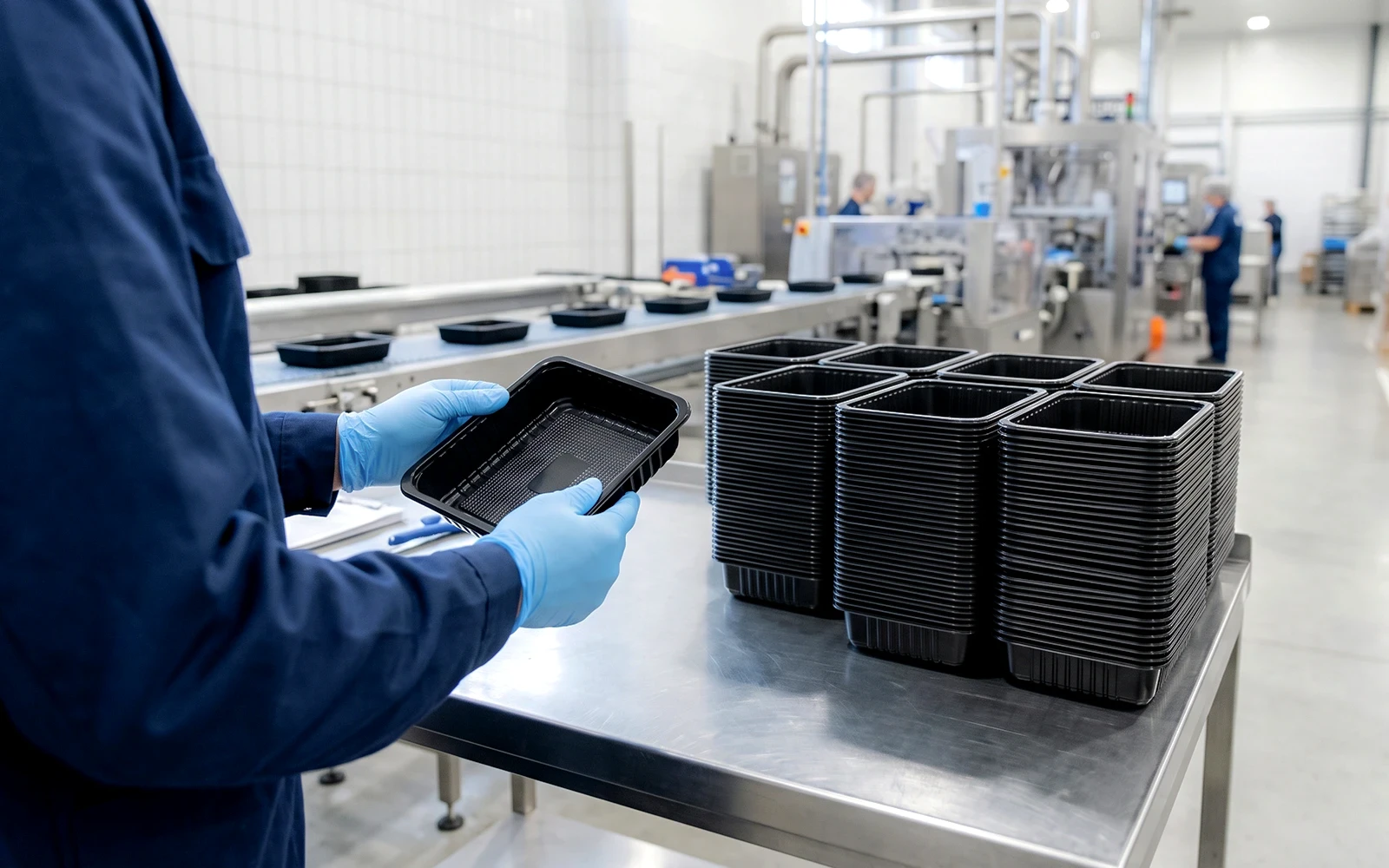
Many plastic food boxes are produced using extrusion and thermoforming. In extrusion, plastic pellets are melted and pushed through a die to create a continuous sheet. This sheet is then fed into a thermoforming machine, where it is heated again and molded into the desired container shape using vacuum and pressure. This method allows for high-volume production and intricate designs.
Injection Molding: Precision and Durability
For more complex or rigid plastic food boxes, injection molding is often employed. In this process, molten plastic is injected under high pressure into a mold cavity. Once cooled, the plastic solidifies into the final product. This method is ideal for creating durable, precisely shaped containers with tight tolerances, often used for reusable plastic food boxes.
Quality Assurance: Ensuring Every Box Meets Standards
Throughout the manufacturing process, rigorous quality assurance checks are implemented. This includes visual inspections, dimensional measurements, and functional tests to ensure that each plastic food box meets the required specifications. Defects are identified and rectified, guaranteeing that only high-quality products proceed to the next stage. This commitment to quality is paramount for businesses like Reliancepak, which prioritize customer satisfaction and product reliability.
Post-Production: Finishing Touches and Rigorous Testing
After the plastic food boxes are formed, they undergo a series of post-production processes to ensure they are ready for use. These steps include trimming, printing, and various testing procedures to confirm their suitability for food contact and their intended application.
Trimming and Finishing: Perfecting the Edges
Once molded, plastic food boxes often have excess material, known as flash, around their edges. This flash is carefully trimmed to create smooth, clean edges, ensuring a professional finish and preventing any sharp points that could compromise safety or usability. Automated trimming machines ensure precision and efficiency in this crucial step.
Printing and Labeling: Branding and Information
Many plastic food boxes require printing for branding, product information, or regulatory compliance. This can involve various printing techniques, such as offset printing, screen printing, or in-mold labeling. Clear and durable printing is essential for product visibility and consumer information, making the packaging an effective marketing tool.
Leak-Proof and Durability Testing: Ensuring Reliability
Before leaving the factory, plastic food boxes undergo rigorous testing to ensure their performance. This includes leak-proof tests, where containers are filled with liquid and subjected to pressure to check for any weaknesses. Drop tests and compression tests are also conducted to assess their durability and ability to withstand the rigors of transportation and handling. Reliancepak ensures that every plastic food box meets these high standards.
| Test Type | Purpose | Method | Standard |
|---|---|---|---|
| Leak-Proof Test | Verify seal integrity | Fill with water, apply pressure | No leakage observed |
| Drop Test | Assess impact resistance | Drop from specified height | No cracks or breakage |
| Compression Test | Evaluate stacking strength | Apply force until deformation | Withstand specified load |
| Temperature Resistance Test | Check heat/cold tolerance | Expose to extreme temperatures | Maintain structural integrity |
Packaging and Storage: Ready for Distribution
Once manufactured and tested, the plastic food boxes are carefully packaged and prepared for storage and distribution. Efficient packaging protects the containers during transit and optimizes storage space, while proper storage conditions maintain their quality and integrity.
Efficient Packaging Solutions
Plastic food boxes are typically stacked and shrink-wrapped or placed in corrugated cardboard boxes for bulk transport. This packaging not only protects the containers from dust and damage but also makes handling and shipping more efficient. For businesses, optimized packaging means reduced shipping costs and less waste.
Optimal Storage Conditions
Storing plastic food boxes in a clean, dry, and temperature-controlled environment is crucial. Extreme temperatures or humidity can affect the plastic’s properties, potentially compromising its performance. Manufacturers like Reliancepak ensure their products are stored under optimal conditions before dispatch, guaranteeing they arrive in perfect condition.
Distribution and End-User Experience: Completing the Cycle
The final leg of the plastic food box’s journey involves its distribution to businesses and ultimately, its use by consumers. This stage emphasizes the importance of a robust supply chain and the practical application of these containers in various food service settings.
Seamless Supply Chain Management
For B2B clients, a reliable and efficient supply chain is paramount. Manufacturers work with logistics partners to ensure timely delivery of plastic food boxes to food factories, restaurants, catering services, and distributors. This seamless flow is critical for businesses to maintain their operations without interruption. Reliancepak prides itself on fast delivery and efficient supply chain management, serving clients globally.
Versatile Applications in the Food Industry
Plastic food boxes are incredibly versatile, finding applications across a wide spectrum of the food industry. They are used for packaging ready-to-eat meals, fresh produce, baked goods, and even catering services. Their ability to protect food, extend shelf life, and offer convenience makes them an indispensable tool for businesses aiming to deliver quality products to their customers.
| Application Area | Examples of Use | Benefits of Plastic Food Boxes |
|---|---|---|
| Food Manufacturing | Packaging processed foods, frozen meals | Hygiene, extended shelf life, cost-effectiveness |
| Restaurants & Takeaways | Takeout containers, meal prep | Convenience, portability, heat retention |
| Catering Services | Bulk food transport, individual portions | Stackability, secure sealing, temperature control |
| Supermarkets & Retail | Fresh produce, deli items, baked goods | Visibility, protection, attractive display |
| Agriculture | Harvesting and transporting fruits/vegetables | Durability, reusability (for some types), protection from damage |
Consumer Convenience and Safety
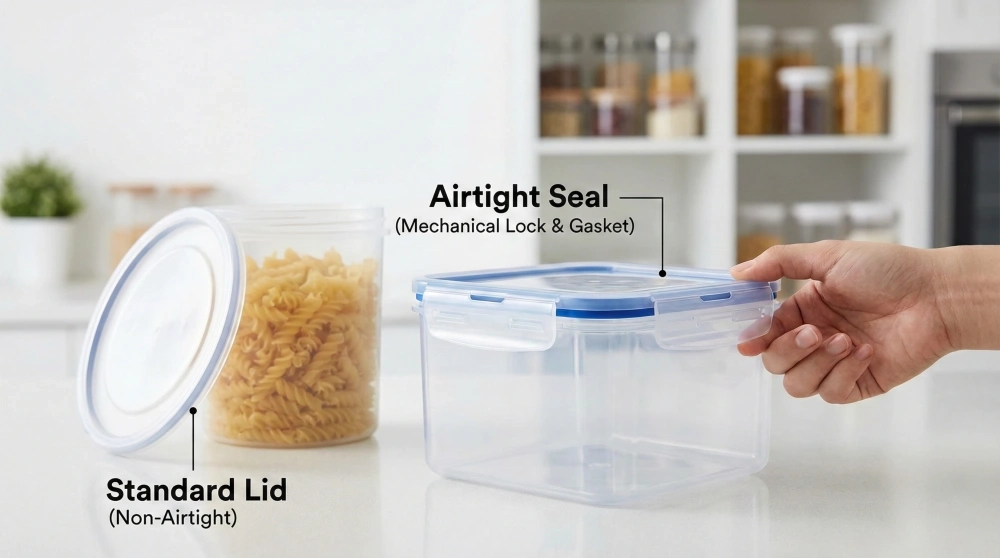
Ultimately, the plastic food box serves the end consumer by providing a safe and convenient way to store, transport, and consume food. Features like microwave-safe materials, secure lids, and easy-to-open designs enhance the user experience. Ensuring these containers are food-grade and free from harmful chemicals is a top priority for manufacturers and businesses alike.
Conclusion: A Small Box, A Big Impact
The journey of a plastic food box from factory to table is a testament to modern manufacturing and supply chain efficiency. From the careful selection of raw materials to rigorous testing and seamless distribution, every step ensures that these containers meet the highest standards of safety, quality, and functionality. For businesses in the food industry, understanding this journey is vital for making informed decisions about their packaging needs. Partnering with experienced manufacturers like Reliancepak, who prioritize quality, customization, and fast delivery, ensures that your products are not only well-protected but also presented in a way that enhances consumer appeal and trust. The plastic food box, though seemingly simple, plays a critical role in bringing safe, fresh, and convenient food to tables around the world.
Frequently Asked Questions (FAQs)
Q1: What makes a plastic food box food-grade?
A1: A plastic food box is considered food-grade if it’s made from virgin (new) plastic materials that do not contain harmful chemicals that can leach into food, and it complies with international safety standards like FDA and EU regulations.
Q2: Can all plastic food boxes be microwaved?
A2: No, only plastic food boxes made from specific materials like Polypropylene (PP) are microwave-safe. Always check for the microwave-safe symbol on the container.
Q3: How does Reliancepak ensure the quality of its plastic food boxes?
A3: Reliancepak employs rigorous quality control checks from raw material sourcing to the final product. This includes material verification, in-process inspections, and post-production testing for leak-proof, durability, and temperature resistance.
Q4: What are the benefits of custom-shaped plastic food boxes?
A4: Custom-shaped plastic food boxes can enhance brand appeal, optimize product presentation, and provide better protection for unique food items, ultimately improving consumer experience and product differentiation.
Q5: Are plastic food boxes environmentally friendly?
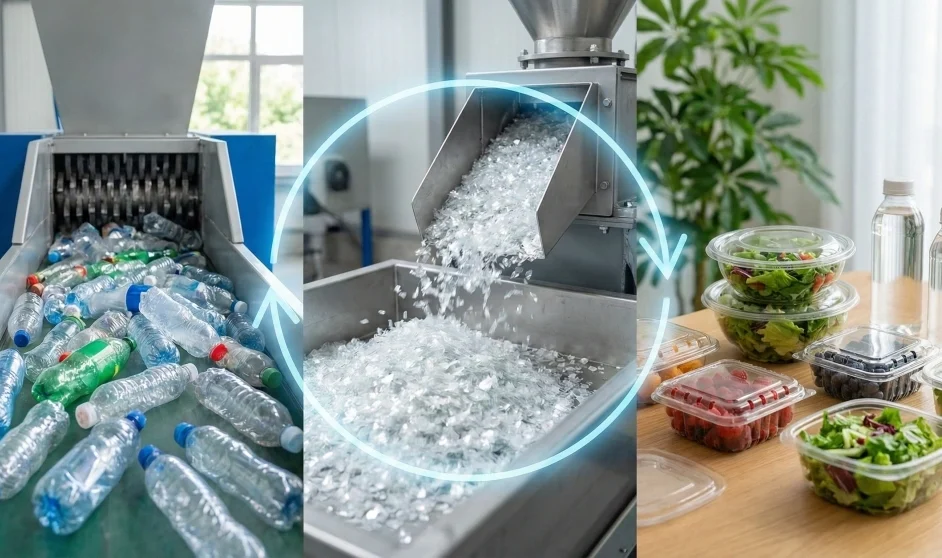
A5: The environmental impact varies by plastic type and disposal methods. Many plastic food boxes are recyclable, and some are made from recycled content or biodegradable materials. Proper recycling and responsible consumption are key to minimizing environmental impact.