In an era where sustainability is paramount, understanding the origins of eco-friendly products is crucial. Bagasse plates, celebrated for their environmental benefits, undergo a fascinating transformation from agricultural waste to functional tableware. This journey highlights innovation in sustainable manufacturing, turning a byproduct into a valuable resource.
For food businesses seeking genuinely green solutions, knowing the manufacturing process of bagasse plates offers deeper insight into their eco-credentials. It reinforces the commitment to reducing waste and promoting a circular economy. Let’s delve into how these remarkable plates are made.
The Raw Material: Sugarcane Bagasse
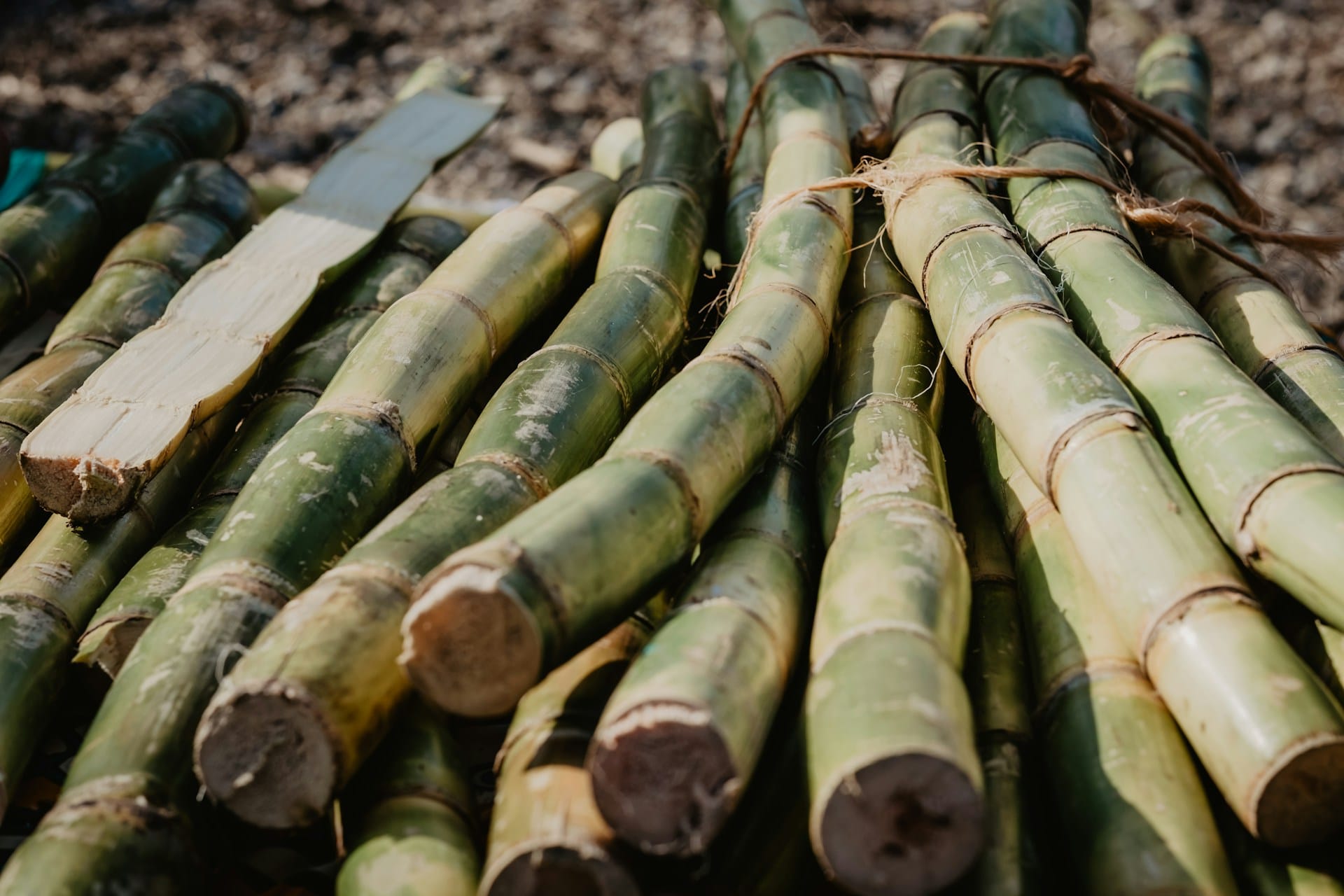
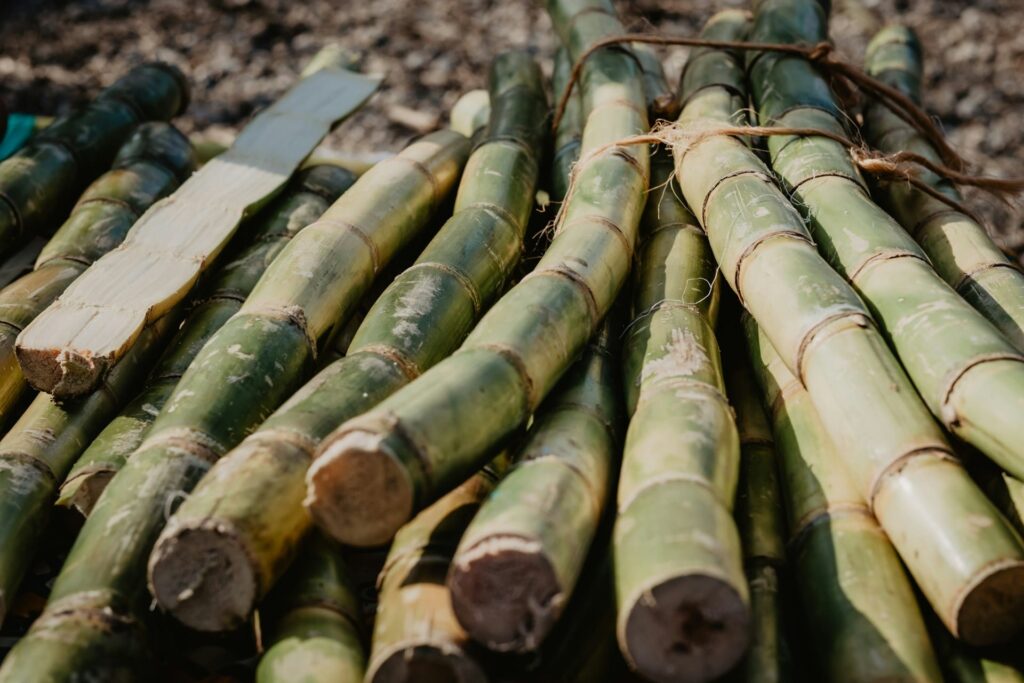
The story of a bagasse plate begins in sugarcane fields. After sugarcane stalks are harvested, they are transported to mills where their juice is extracted to produce sugar. The fibrous residue left behind is known as bagasse.
Historically, bagasse was often considered waste, either burned for energy or discarded, contributing to environmental concerns. However, its high cellulose content makes it an excellent raw material for pulp and paper products, including disposable tableware. This repurposing of agricultural waste is a cornerstone of bagasse plates’ sustainability.
Step-by-Step: The Manufacturing Journey
The manufacturing process of bagasse plates involves several key stages, transforming the raw fibers into durable, food-safe products. Each step is carefully controlled to ensure quality, strength, and environmental integrity.
1. Collection and Preparation of Bagasse
The first step involves collecting the bagasse from sugar mills. This fibrous material is then thoroughly cleaned to remove any impurities, such as residual sugar, dirt, or other foreign matter. After cleaning, the bagasse is dried to achieve the optimal moisture content for pulping.
This initial preparation is critical for ensuring the purity and quality of the final product. A clean and properly dried raw material leads to stronger and more consistent bagasse pulp.
2. Pulping the Bagasse Fibers
Once prepared, the bagasse is subjected to a pulping process. This typically involves mechanical or chemical methods to break down the fibers into a slurry. The goal is to separate the cellulose fibers, which are the building blocks of the plates.
The pulping process creates a homogeneous mixture of bagasse fibers and water, forming a pulp similar to that used in traditional paper making. This pulp is the foundational material for molding the plates.
3. Molding and Forming the Plates
The bagasse pulp is then transferred to specialized molding machines. These machines use a combination of vacuum suction and pressure to form the pulp into the desired plate shapes. The pulp is drawn into molds, which are typically made of fine mesh to allow water to drain away.
This molding process is precise, ensuring uniform thickness and shape for each plate. The wet pulp takes on the form of the mold, beginning to solidify as water is removed.
4. Hot Pressing and Drying
After molding, the wet plates are transferred to a hot pressing stage. Here, the plates are subjected to high heat and pressure. This step serves multiple purposes: it further removes moisture, compresses the fibers for added strength, and sterilizes the plates.
Hot pressing gives the bagasse plates their final rigid structure and smooth finish. It also enhances their resistance to water and grease, making them suitable for various food applications. This stage is crucial for the plate’s performance characteristics.
5. Trimming and Finishing
Once dried and pressed, the plates undergo trimming to remove any excess material and ensure clean, smooth edges. This step refines the appearance and ensures consistency in size and shape. Quality control checks are performed throughout this stage to identify and remove any defective products.
Some manufacturers may also apply a natural, food-grade coating to enhance water and grease resistance, though many bagasse plates are naturally resistant. The finishing touches ensure the plates are ready for packaging and distribution.
6. Quality Control and Packaging
The final stage involves rigorous quality control inspections. Plates are checked for strength, uniformity, absence of defects, and adherence to food safety standards. Only plates that meet strict quality criteria are approved for packaging.
Once approved, the bagasse plates are stacked and packaged, often in recyclable or compostable materials. They are then ready for shipment to food businesses worldwide, including those partnered with Reliancepak.
Key Technologies in Bagasse Plate Production
The production of bagasse plates relies on advanced machinery and processes to ensure efficiency and quality. These technologies are continuously evolving to make the manufacturing process even more sustainable and cost-effective.
| Manufacturing Stage | Key Technologies/Equipment | Purpose |
|---|---|---|
| Pulping | Hydrapulpers, Refiners | Breaking down fibers into uniform pulp |
| Molding | Pulp Molding Machines (vacuum-assisted, hydraulic presses) | Forming wet pulp into desired plate shapes |
| Drying/Hot Pressing | Hot Pressing Machines, Drying Ovens | Removing moisture, increasing density, sterilizing, setting shape |
| Trimming/Finishing | Die-cutting machines, Automated trimming systems | Removing excess material, creating smooth edges, quality assurance |
| Water Management | Water recycling systems, Filtration units | Minimizing water consumption and treating wastewater |
These technologies enable high-volume production while maintaining the eco-friendly integrity of the bagasse material. Reliancepak partners with manufacturers utilizing state-of-the-art processes to ensure the highest quality and most sustainable products for our clients.
The Environmental Impact of the Process
The manufacturing process of bagasse plates is inherently designed to minimize environmental impact. By transforming agricultural waste into a valuable product, it reduces landfill burden and the need for virgin resources. Furthermore, many modern facilities prioritize energy efficiency and water conservation.
Water used in pulping is often recycled and treated, reducing overall consumption. The energy required for hot pressing can sometimes be sourced from burning bagasse itself, creating a closed-loop energy system. This commitment to sustainable production practices makes bagasse plates a truly green choice.
Why This Matters for Your Food Business
Understanding the manufacturing journey of bagasse plates provides valuable talking points for your business. It allows you to confidently communicate the sustainability story behind your disposable tableware to your customers. This transparency builds trust and reinforces your brand’s commitment to environmental responsibility.
Partnering with suppliers like Reliancepak, who prioritize ethical and sustainable manufacturing, ensures you receive products that align with your values. Our commitment to quality and eco-friendly practices, combined with fast delivery and professional customization, makes us an ideal choice for your food packaging needs.
Conclusion
The journey of bagasse plates from sugarcane waste to your table is a testament to sustainable innovation. Each step in the manufacturing process is designed to transform a byproduct into a high-quality, eco-friendly disposable solution. By choosing bagasse plates, food businesses not only opt for superior performance but also actively contribute to a healthier planet.
Reliancepak is proud to offer a comprehensive range of bagasse plates, manufactured with precision and a deep commitment to sustainability. We empower businesses to make responsible choices without compromising on quality or efficiency, helping you serve your customers and the environment better.
Frequently Asked Questions (FAQ)
Q1: Is the bagasse manufacturing process environmentally friendly?
A1: Yes, it repurposes agricultural waste, reduces landfill burden, and often incorporates energy and water-saving technologies.
Q2: What is the main raw material for bagasse plates?
A2: The main raw material is bagasse, the fibrous residue left after sugarcane juice extraction.
Q3: How are bagasse plates made rigid and water-resistant?
A3: Through a hot pressing process that removes moisture, compresses fibers, and enhances their natural resistance.
Q4: Are chemicals used in the manufacturing of bagasse plates?
A4: While some pulping methods may use chemicals, many processes aim for minimal chemical use, and the final products are typically non-toxic and food-safe.
Q5: How does Reliancepak ensure the quality of its bagasse plates?
A5: Reliancepak partners with manufacturers using state-of-the-art processes and conducts rigorous quality control checks to ensure high standards.