TL;DR: Picking the perfect disposable food container isn’t just about price—it’s about material, size, eco-impact, and customer experience. We’ll walk you through the key factors so you can make a smart, sustainable, and cost-effective choice.
Choosing the right disposable food container means balancing durability, cost, sustainability, and customer satisfaction. Start by matching materials to your food type—greasy or hot dishes need leak-proof, heat-resistant options like polypropylene or compostable fiber. If your brand values eco-friendliness, choose plant-based or recycled paper instead of single-use plastics. Pick the right size to avoid waste and ensure a good presentation. Secure lids matter too—snap lids for transport, vented lids for steam, and clear lids for visibility. Add custom printing for branding, and check local plastic regulations. For large orders, buy in bulk to cut unit costs. Always test samples before purchase. The right container improves delivery efficiency, enhances customer experience, and reflects your brand’s sustainability commitment.
You didn’t click here to hear generic advice. You want real, actionable steps to pick the best disposable food container for your restaurant, catering service, or meal prep business. Let’s get into it.
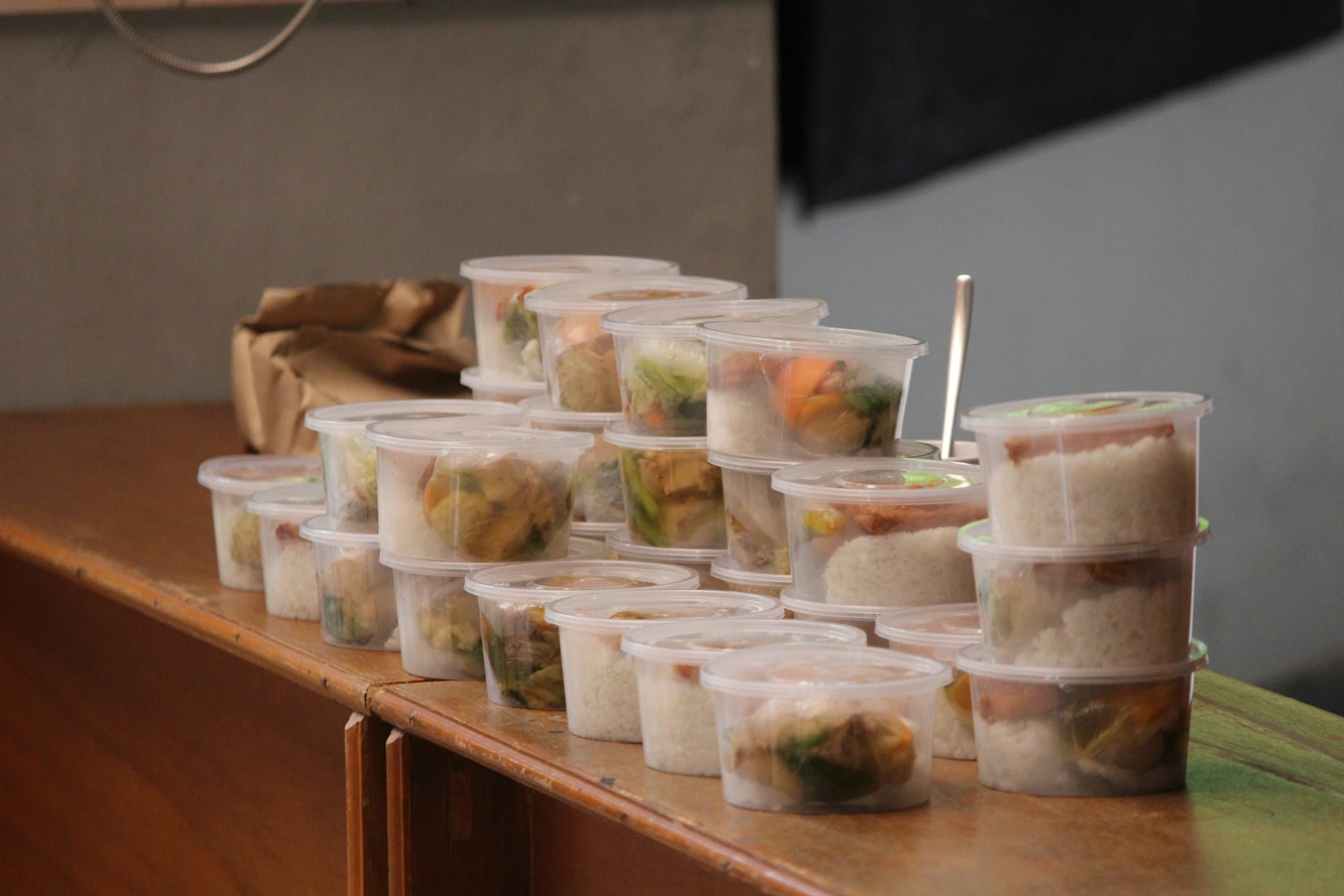
What Food Are You Packing? (Match Material to Menu)
Not all containers are created equal. A greasy burger needs a different box than a steaming bowl of ramen.
- Late-night fries? Go for rigid plastic or paperboard with oil-resistant lining.
- Soups or stews? Look for leak-proof, heat-stable containers—polypropylene (PP) or compostable PLA-lined fiber.
- Desserts or salads? Clear lids help customers see the product. Recycled paper or PLA-based containers work well here.
Tip: Always test your menu item with the container. Spill a bit of sauce. Microwave it. Shake it. Real-world testing reveals what marketing claims won’t.
What’s Your Sustainability Goal?
Today’s customers care where your packaging ends up—if you’re not thinking about eco-impact, you’re losing brand trust.
- Compostable? Great for eco-conscious brands—but only if local facilities exist to process it.
- Recyclable? Check your local recycling rules. Some “recyclable” containers aren’t accepted curbside.
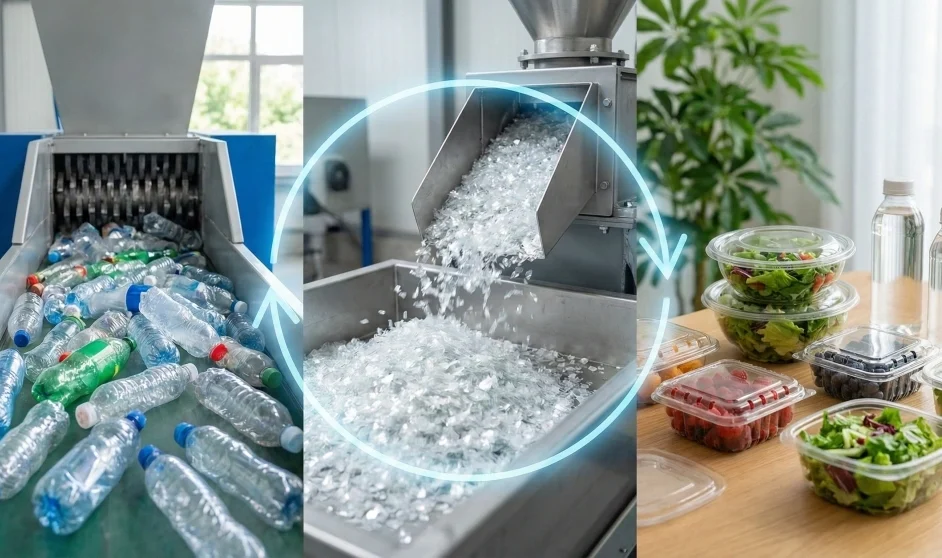
- Recycled content? Look for containers made with 30–100% post-consumer recycled material.
- Reusable? Yes, even in takeout—you can offer deposit systems with durable containers.
Table: Material Comparison at a Glance
| Material | Best For | Eco-Friendly? | Microwave Safe? | Cost Level |
|---|---|---|---|---|
| Polypropylene (PP) | Hot, oily foods | ❌ Low | ✅ Yes | $$ |
| Compostable Fiber | Cold/salads | ✅ High | ⚠️ Sometimes | $$$ |
| Recycled Paper | Dry/baked goods | ✅ Medium | ❌ No | $ |
| PLA (Plant-based) | Cold/ambient | ✅ High | ❌ No | $$$ |
Size, Shape, and Stackability – The Hidden Costs
Oversized containers = more shipping cost, more storage space, more waste.
- Portion-to-box ratio: Aim for 80–90% fill. Too much air = splashing. Too little = food sliding.
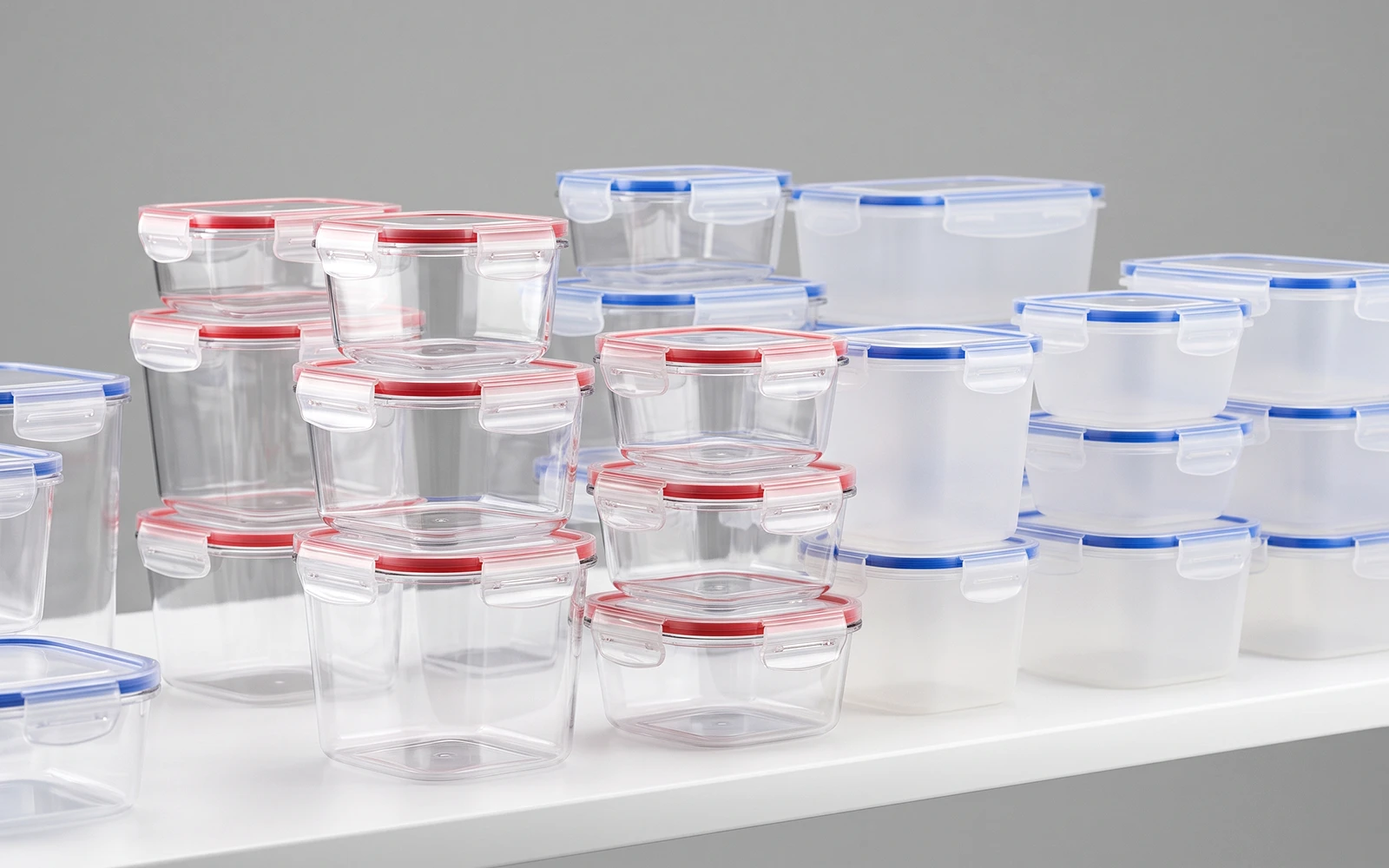
- Stackable? If you’re delivering or storing, stacked containers reduce logistics cost.
- Lid fit matters: Snug lids prevent spills. Vented lids keep steamy food from getting soggy.
- Shape: Rectangular boxes stack better than round. Oval shapes suit burgers and sandwiches.
Branding & Customer Experience
Your container is your ambassador. It’s the last thing customers see before eating.
- Custom printing: Add your logo, tagline, or QR code for feedback or loyalty programs.
- Clear windows: Let the food do the talking. Customers love seeing what they paid for.
- Color and design: Match your brand. A minimalist sushi brand? Use clean white or earth tones.
- Handy features: Easy-open lids, built-in forks, or compartmentalized sections add perceived value.
Budget vs. Value – Don’t Just Buy the Cheapest
Yes, you want to cut costs. But the cheapest container might cost you more in the long run.
- Bulk discounts: Buying 10,000 units often slashes unit cost by 20–40%.
- Hidden fees: Shipping, customs, minimum order quantities—factor them in.
- Waste reduction: Less breakage, fewer returns, and happier customers = long-term savings.
- Partner with suppliers: Some offer sample packs, technical support, or eco-certification help.
Final Tip: Test Before You Buy
Order 3–5 sample options. Try them with your top 3 menu items. Ask staff and customers for feedback.
- Does the lid stay on during delivery?
- Does the container leak?
- Does the food look appetizing when opened?
You’ll be amazed how many “perfect” containers fall apart in real use.
Conclusion
The right disposable food container is a combo of practicality, sustainability, and brand power. Match it to your menu. Respect your customer’s values. And never underestimate the power of a well-designed package to turn a one-time buyer into a loyal fan. Spend time choosing wisely—it pays off in saved costs, fewer complaints, and a greener brand.
FAQ
Q: What’s the most eco-friendly disposable food container?
A: Compostable fiber or recycled paper containers—but only if your area has composting facilities.
Q: Can I microwave disposable containers?
A: Only if labeled “microwave safe.” Polypropylene (PP) and some compostable PLA can handle it.
Q: How do I reduce waste with disposable containers?
A: Use the right size, optimize stacking, and choose materials your customers can actually recycle or compost.
Q: Are paper containers better than plastic?
A: Not always. Paper gets soggy with sauces. Plastic can be reused or recycled. Choose based on your food and goals.
Q: How much should I expect to pay per unit?
A: From $0.10 for basic paper to $0.50+ for premium compostable or branded options.
Q: Can I get custom-branded containers?
A: Yes—many suppliers offer minimum order quantities starting around 500–1,000 units.