
TL;DR: Don’t let poor planning or overlooked details ruin your food packaging supply. Avoid these 7 common mistakes when ordering disposable food containers — from wrong sizing to ignoring eco-friendly options.
When ordering disposable food containers, buyers often pick the wrong size, ignore material specs, forget bulk discounts, skip testing samples, overlook eco-compliance, misjudge shipping timelines, or neglect supplier reliability. Avoiding these can save time, reduce waste, and boost customer satisfaction. Always order samples, confirm dimensions, check certifications, and plan ahead.
If you’re sourcing disposable food containers for your restaurant, catering service, or food delivery business — you’ve probably faced a supply hiccup. Maybe the lids don’t fit. Or the material melts under hot food. Or worse — you run out mid-week with no backup. These aren’t just inconveniences. They cost money, damage your brand, and frustrate customers. Let’s walk through the most common mistakes — and how to dodge them like a pro.
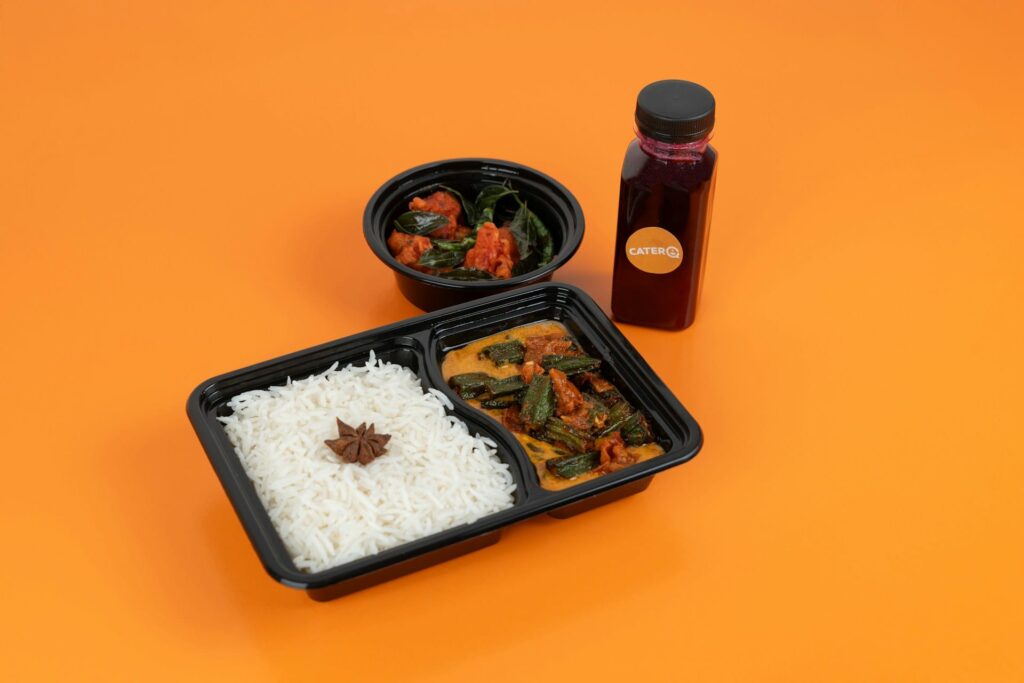
1. Choosing the Wrong Size or Shape
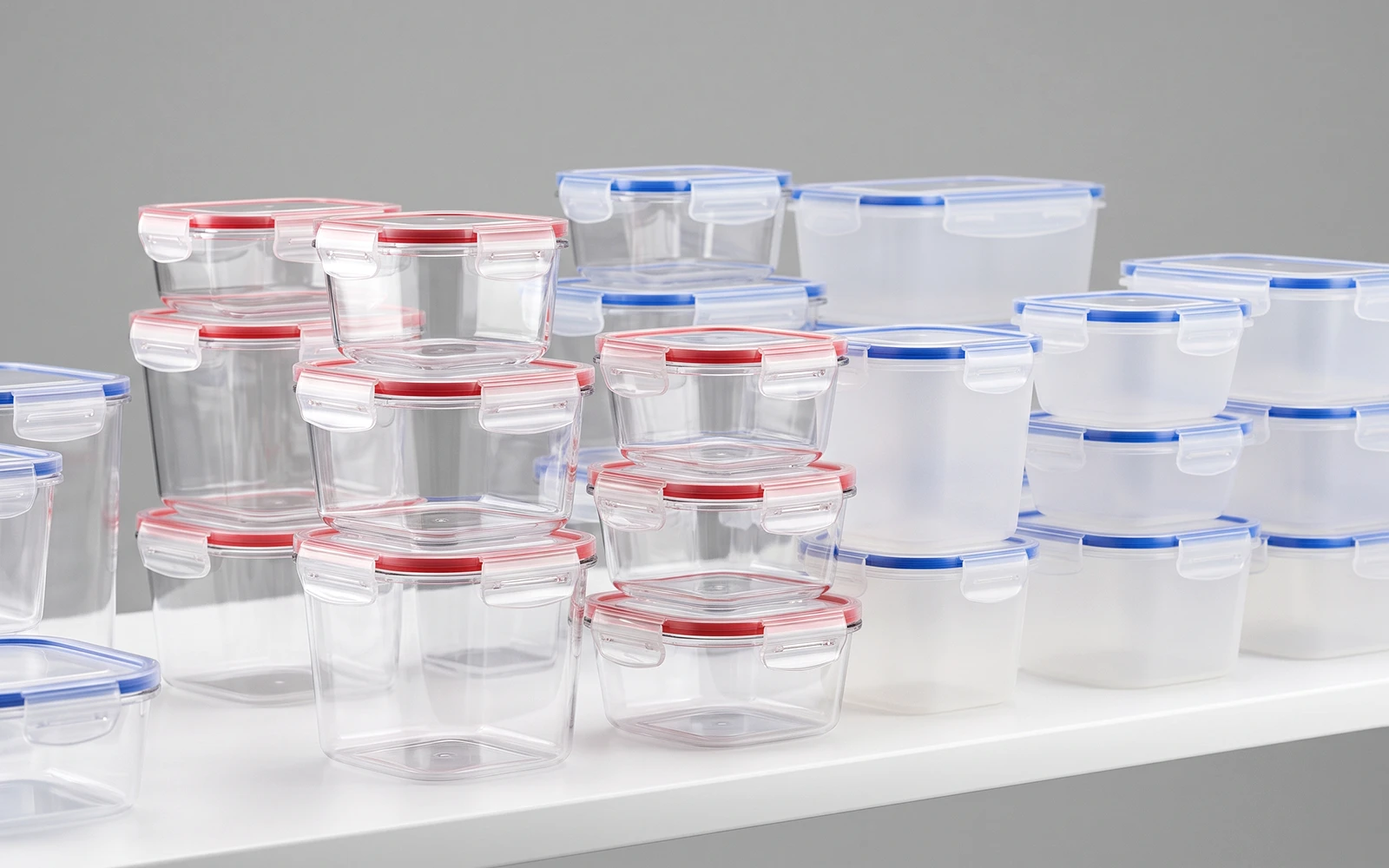
It’s tempting to go with the “most popular” container. But your lasagna won’t fit snugly in a square 16-oz salad box. Measure your portions. Consider how the food will be served — stacked, carried, reheated. Ask for a dimension chart from your supplier, not just “small/medium/large.”
2. Ignoring Material Properties
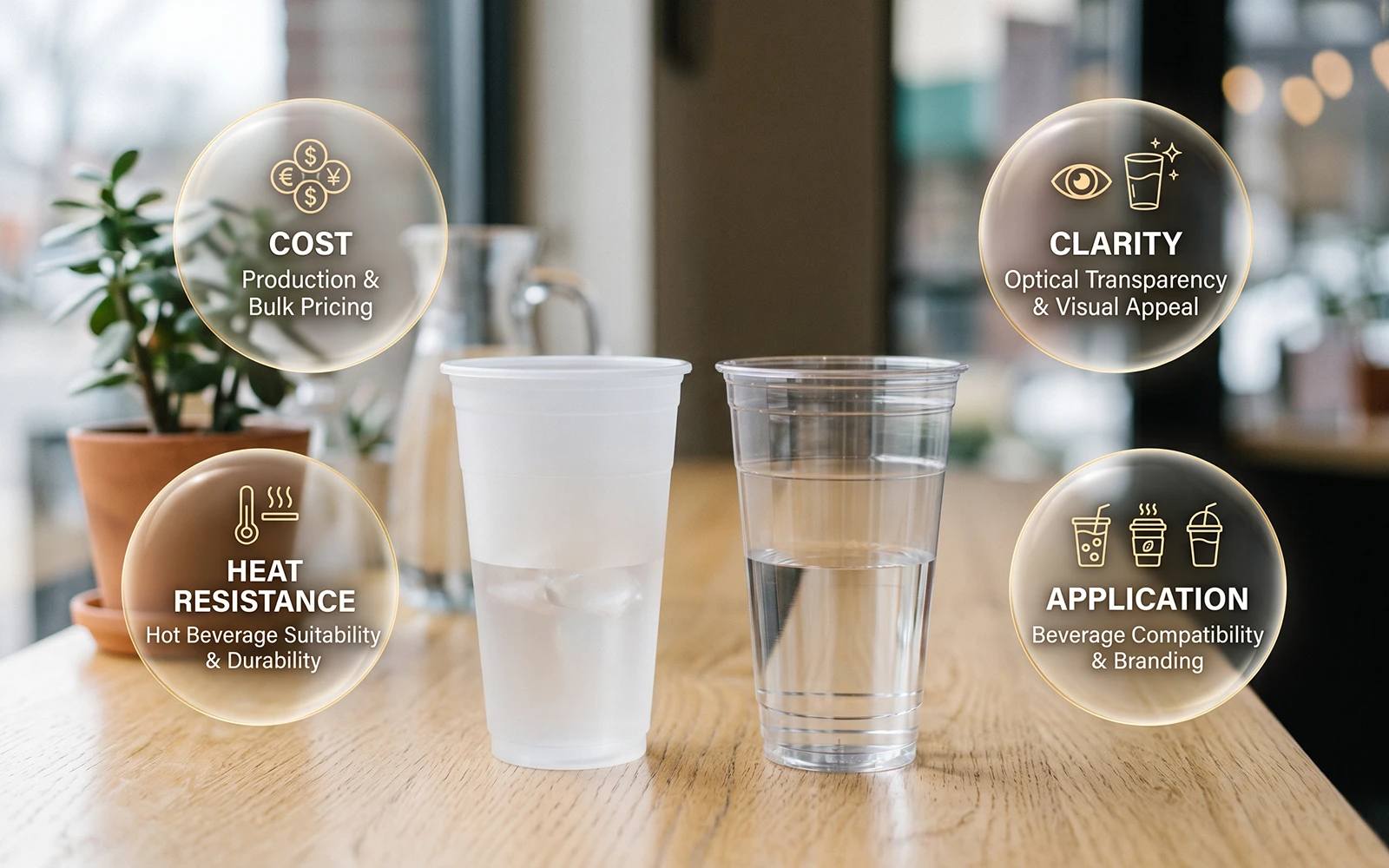
Not all disposable food containers are created equal. Some are microwavable, some aren’t. Some hold hot liquids — others start leaking at 120°F. Check:
- Microwave-safe?
- Freezer-safe?
- Grease-resistant?
- Leak-proof design?
A 2023 study showed 32% of food businesses reported customer complaints due to containers leaking or warping. Don’t be one of them.
3. Forgetting About Lids and Compatibility
Lids are often an afterthought — until your customers spill soup all over their laps. Make sure lids snap securely, match the container’s rim, and seal tightly. Test different lid types: hinged, slide-on, press-fit.
4. Skipping Sample Orders
You’d never buy 1,000 shirts without trying one on. Why order 10,000 containers without testing? Request a sample pack. Try them with your actual menu items. Reheat, freeze, drop-test, and transport them. A $50 sample order could save you $5,000 in returns or complaints.
5. Overlooking Eco-Certifications
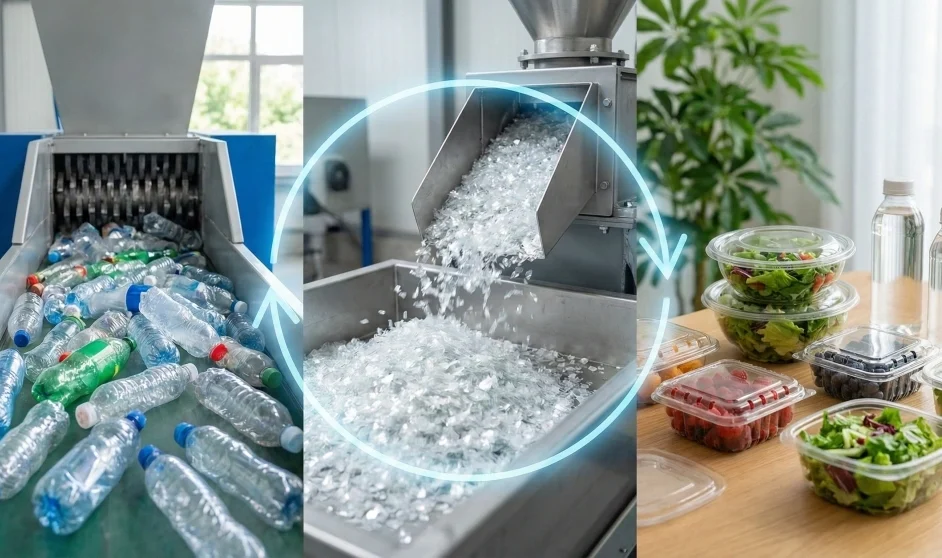
Customer demand for sustainable packaging is rising — fast. Over 68% of U.S. diners prefer eco-friendly containers. If you’re using uncertified “compostable” or “biodegradable” claims without verifiable labels (like BPI or TUV), you risk greenwashing — and legal trouble. Ask for proof.
6. Not Planning for Shipping & Lead Time
Bulk orders take time — especially from overseas manufacturers. A 4–6 week lead time is common. If you wait until you’re out of stock to reorder, you’ll face delays. Always keep 2–3 weeks’ supply in reserve. And factor in shipping costs — they can double if you rush.
7. Working With Unreliable Suppliers
A cheap container doesn’t mean a cheap deal. If your supplier doesn’t respond to emails, misses deadlines, or changes specs without notice — you’ll pay in lost time and reputation. Look for suppliers with:
- Responsive customer service
- Clear return policies
- Consistent production runs
- Verified reviews or case studies
Final Tip: Build a Packaging Spec Sheet
Create a one-page checklist for every container type you use. Include:
- Dimensions (L x W x H)
- Material type
- Temperature tolerance
- Lid type
- Eco-certifications
- Minimum order quantity
- Supplier contact
This ensures consistency — even when you scale or switch suppliers.
Conclusion
Ordering disposable food containers isn’t just about price per unit. It’s about fit, function, safety, sustainability, and reliability. Avoid these 7 mistakes — and you’ll streamline your supply chain, improve customer experience, and protect your brand.
FAQs
Q: What’s the most common mistake when ordering disposable food containers?
A: Picking the wrong size or shape for the actual menu item.
Q: Can I trust “compostable” labels on disposable containers?
A: Only if backed by certifications like BPI or TUV. Ask for proof.
Q: Should I order samples before bulk buying?
A: Always. It’s the best way to test fit, durability, and user experience.
Q: How far in advance should I reorder?
A: At least 4–6 weeks, depending on supplier location and lead times.
Q: Are there eco-friendly disposable food containers that still perform well?
A: Yes — many plant-based and molded fiber options now match plastic performance.
Q: What’s the biggest risk of working with a new supplier?
A: Inconsistent quality or delayed shipments — always verify reviews and request references.