TL;DR: Discover practical, eco-friendly disposable food containers that match performance while reducing waste. Compare costs, recyclability, and real-world use cases to choose what works best for your operation.
When you’re choosing food packaging, sustainability shouldn’t mean sacrificing reliability or budgets. This guide breaks down how modern alternatives stack up against traditional options using real data—so you can decide confidently.
Looking for disposable food container solutions that align with your environmental goals? Let’s cut through the noise with actionable insights tailored for buyers like you.
What Are Traditional Disposable Food Containers and How Do They Fare?
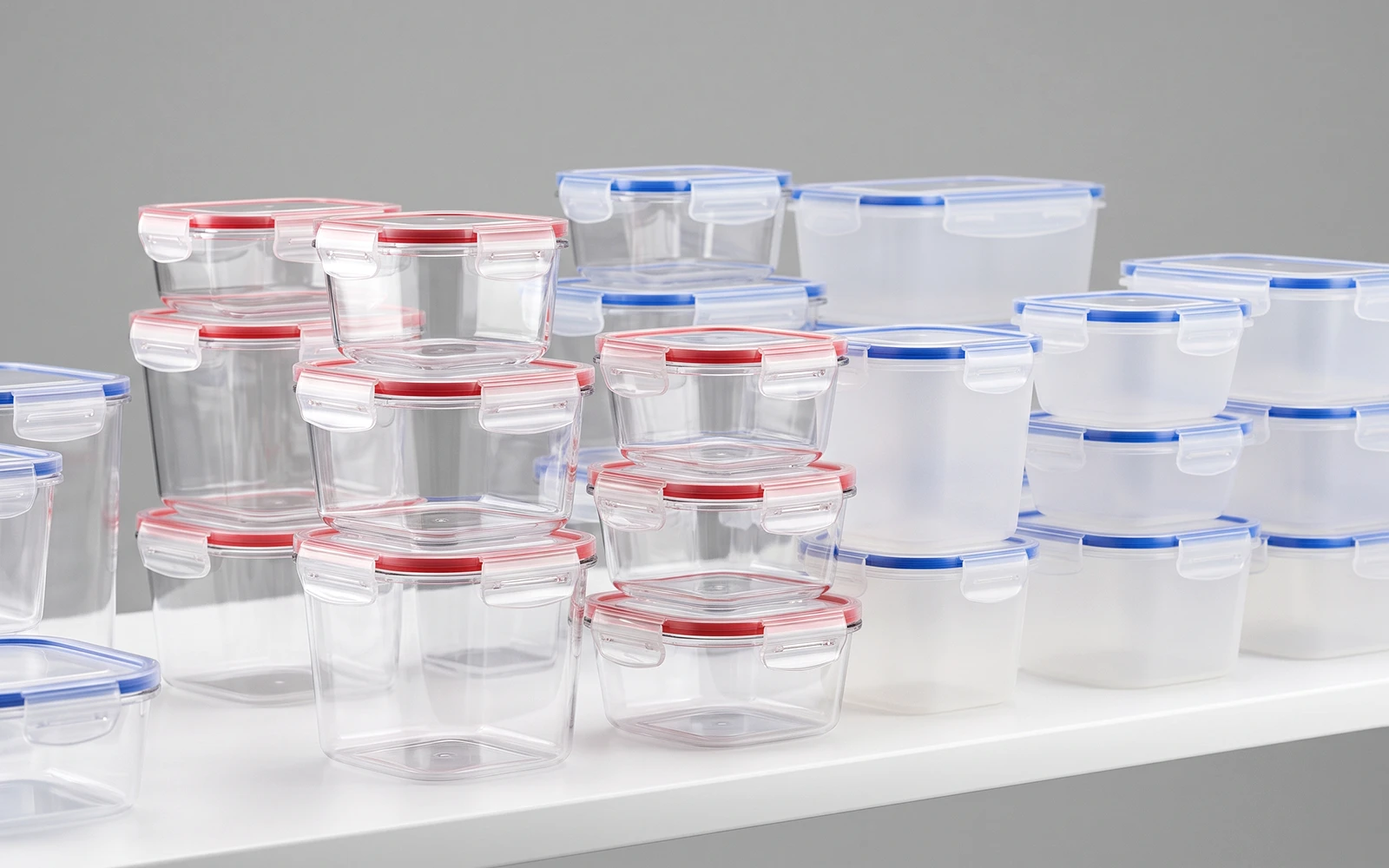
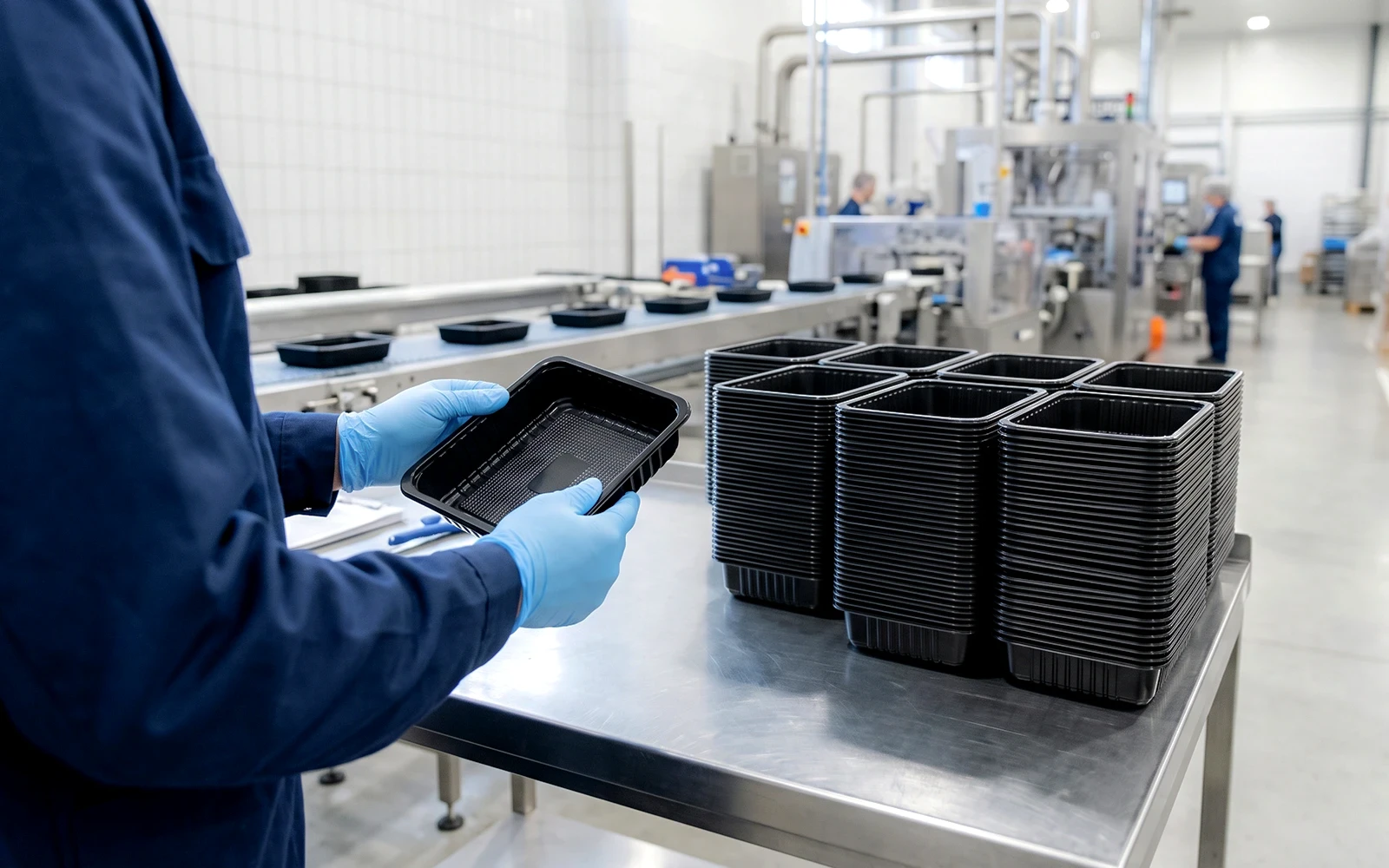
Traditional choices like polystyrene foam and plastic remain common due to low upfront costs. However, their environmental toll is increasingly hard to ignore.
Foam containers cost as little as $0.01 each but take 500 years to decompose. Plastic variants face similar issues. Recycling rates sit below 10% globally, per EPA data.
Many businesses stick with these for convenience in hot food service. Yet limited recycling access often leads to landfill use.
How Do Eco-Friendly Options Measure Up in Key Areas?
What Are the Top Sustainable Materials You Can Try?
Plant-based PLA (polylactic acid) is a top pick. Made from corn starch, it composts in 90 days under industrial conditions. We see it handling soups well at 180°F.
Paper and sugarcane fiber containers work for cold or dry foods. They cost $0.07–$0.12 each but absorb moisture quickly. Sturdy versions support salads or snacks reliably.
Bamboo and wheat straw offer durable, compostable choices. They shine in takeout settings but cost $0.10–$0.25 per unit. Durability matches plastic for most meals.
| Material | Cost per Unit | Heat Tolerance | Composting Time | Landfill Impact |
|---|---|---|---|---|
| Polystyrene foam | $0.01 | High | 500+ years | 3.5 kg CO2e |
| PLA | $0.05 | 180°F | 90 days | 0.8 kg CO2e |
| Sugarcane fiber | $0.08 | 150°F | 60 days | 0.5 kg CO2e |
| Bamboo | $0.15 | 200°F | 180 days | 0.3 kg CO2e |
Source: Industry averages from 2023 sustainability reports. CO2e = carbon dioxide equivalent.
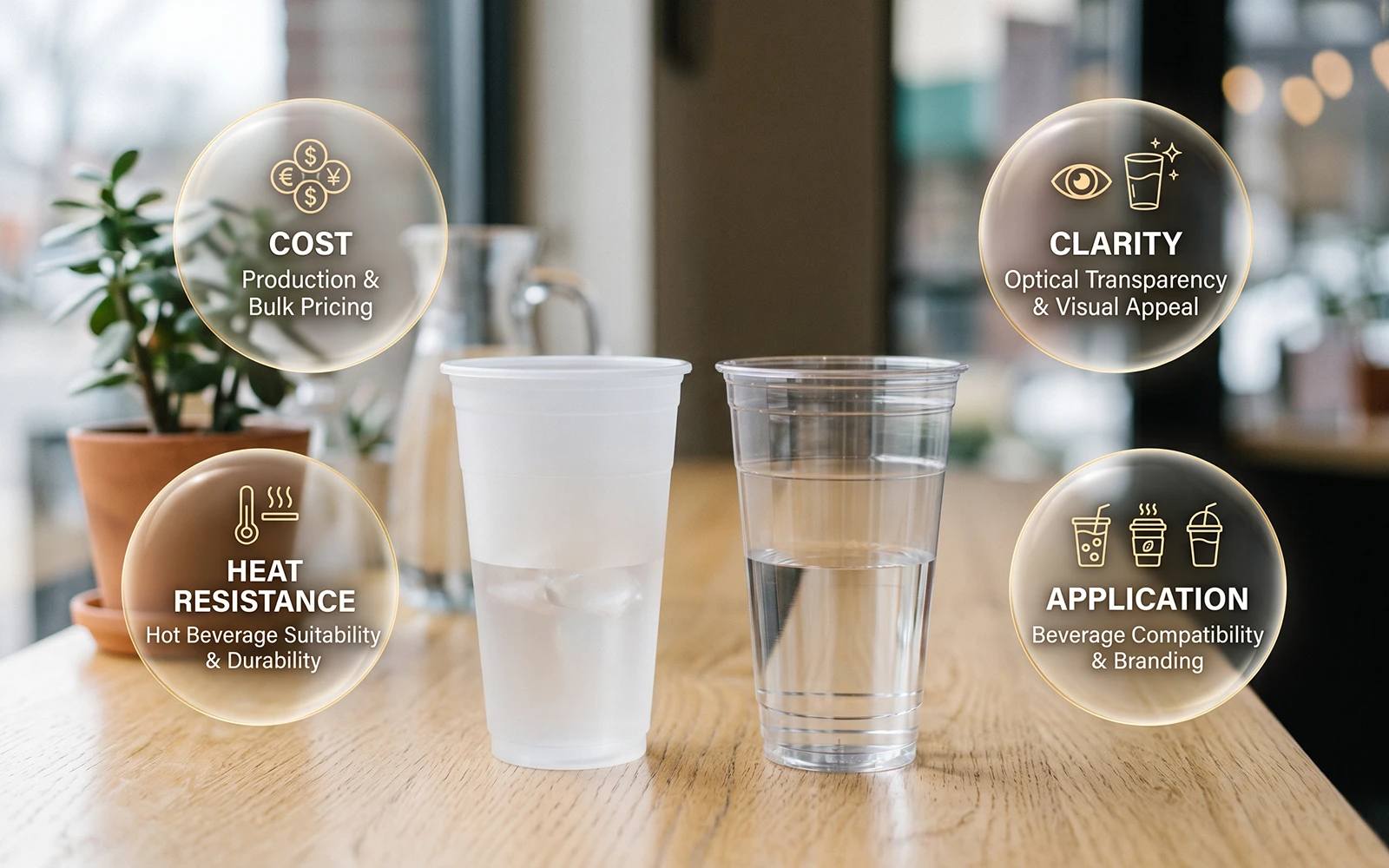
How Do Costs and Performance Compare for Your Business?
Upfront costs for alternatives can be higher. PLA may cost 5x more than foam. However, long-term savings emerge through waste reduction.
Many cities now charge extra for non-recyclable waste streams. Switching to compostable options could cut those fees by 20–30%.
Test results show bamboo containers withstand 100+ cycles in dishwashing tests. They replace plastic trays with minimal breakage.
Your location matters too. If local composting exists, PLA avoids disposal fees. Without it, paper might be smarter.
What Should You Prioritize When Making the Switch?
First, audit your current container use. How hot are meals? How much rain or humidity affects transport? This shapes feasible options.
Assess local waste systems. Finding facilities accepting PLA takes research. A grocery chain reduced waste costs by 25% after switching to sugarcane in areas with composting.
Start small with one line item. A cafe tested bamboo lids on coffee cups before full rollout. This lowered risk during transitions.
Employee and customer feedback matters. Surveys show 68% of diners prefer sustainable packaging, but they’ll notice leaks or breaks.
How Can You Implement Changes Without Disruption?
Pilot new containers in low-risk scenarios. Use them for catering orders first to gauge performance.
Track metrics like waste volume and customer comments. One sandwich shop cut annual waste by 1.2 tons after switching to compostable fiber.
Talk with suppliers early. They might offer samples or volume discounts. Reliable partners help navigate recycling infrastructure questions.
Remember, no single solution fits all. Your food’s temperature, storage needs, and budget steer the best choice.
Conclusion
Sustainable disposable food containers offer viable paths forward without sacrificing functionality. Costs vary, but environmental and operational benefits often balance the scales. Focus on your specific needs and local systems to make an informed choice today.
FAQs
What is the cheapest sustainable option for hot food?
Sugarcane fiber costs $0.08–$0.12 per unit and holds up to 150°F, making it economical for many hot meals.
Can eco alternatives match plastic’s durability?
Yes, bamboo handles hot liquids and heavy foods well but may cost more. Test samples for your use case first.
Do compostable containers require special disposal?
Industrial composting is needed for PLA and some fibers. Check local facilities before choosing.
Will switching save money?
Potentially. Waste fee reductions and customer loyalty might offset higher upfront costs over time.
How long do sustainable containers last in landfills?
PLA degrades in 90 days industrially but takes decades in landfills. Bamboo and fiber break down faster than plastic.
Are these options FDA approved?
Most plant-based and fiber containers meet FDA standards for food contact. Always verify certifications with suppliers.