TL;DR The fundamental difference between a corrugated box and a kraft box lies in their structure: a corrugated box is a multi-layered composite with a fluted core for superior cushioning and shipping strength, while a kraft box is a single-layer folding carton used primarily for retail presentation and product containment.
A corrugated box is a heavy-duty shipping container made of three or more layers, including a wavy inner layer (fluting) sandwiched between two flat linerboards. This structure provides exceptional crush resistance and is the standard for shipping and logistics. Conversely, a kraft box, often a folding carton, is made from a single, solid layer of kraft paperboard. While both utilize kraft paper as a primary material (the linerboard of a corrugated box is often kraft), the structural difference means the corrugated box is designed for protection during transit, and the kraft box is designed for retail display and lightweight product packaging.
For B2B buyers in the packaging industry, the terms “corrugated” and “kraft” are often used interchangeably, leading to confusion. While they are related—as kraft paper is frequently used in the construction of corrugated board—they represent two distinct categories of packaging with different functions, strengths, and ideal applications. Understanding this distinction is crucial for optimizing your packaging strategy, whether you are focused on retail presentation or secure shipping.
1. The Defining Difference: Structure and Composition
The most significant factor separating these two packaging types is their internal structure.
The Corrugated Box: The Power of the Flute
A corrugated box is a marvel of engineering designed for maximum strength with minimal material. Its composition is multi-layered:
- Linerboards: The flat outer and inner sheets of paper, which provide resistance to tearing and puncturing. These are often made from kraft paper (virgin or recycled fiber).
- Fluting (Corrugated Medium): The wavy, arched layer sandwiched between the linerboards. This flute structure acts as a cushion and provides the box’s exceptional resistance to crushing and impact.
The size and shape of the flutes (A, B, C, E, F, etc.) determine the box’s strength and thickness. This complex, multi-ply construction is what makes corrugated board the undisputed champion of heavy-duty packaging.
The Kraft Box: The Simplicity of the Solid Board
When we refer to a “kraft box” in the context of retail or food packaging, we are typically talking about a folding carton made from solid paperboard.
- Single-Layer Construction: It consists of a single, dense layer of kraft paperboard.
- Folding Carton: These boxes are die-cut, printed, and shipped flat, then folded into shape by the end-user or manufacturer.
While the material itself (kraft paper) is strong due to its long fibers, the single-layer structure means it lacks the cushioning and crush resistance of its corrugated counterpart. Its strength is primarily in tear resistance and containment.
2. Comparison of Performance and Strength
The structural difference directly translates into vastly different performance characteristics. Choosing the right material depends entirely on the level of protection your product requires.
| Feature | Corrugated Box | Kraft Box (Folding Carton) |
|---|---|---|
| Structure | Multi-layered (Liner + Flute + Liner) | Single-layered solid paperboard |
| Primary Strength | Crush resistance (BCT) and cushioning | Tear resistance and containment |
| Thickness | Thick and bulky (due to fluting) | Thin and sleek |
| Ideal Weight Load | Heavy to very heavy items | Light to medium-weight items |
| Printing Quality | Good (best on the smooth linerboard) | Excellent (smoother surface for high-resolution graphics) |
For products that need to survive the rigors of the supply chain, the corrugated box is the clear winner. For products that need to look appealing on a shelf, the kraft box offers a superior surface for high-quality graphics and a more refined feel.
3. Application and Procurement Scenarios
The choice between these two packaging types is a decision between logistics and marketing.
When to Choose Corrugated Packaging
Corrugated boxes are the industry standard for:
- Shipping and Logistics: They are essential for master cartons, e-commerce shipping, and any scenario where the box will be stacked, dropped, or handled roughly.
- Heavy or Fragile Items: Electronics, glassware, machinery parts, and bulk food items require the structural integrity of corrugated board.
When to Choose Kraft Boxes
Kraft boxes (folding cartons) are ideal for:
- Retail and Presentation: They are perfect for product packaging displayed directly on shelves, such as cosmetics, small electronics, and high-end food items.
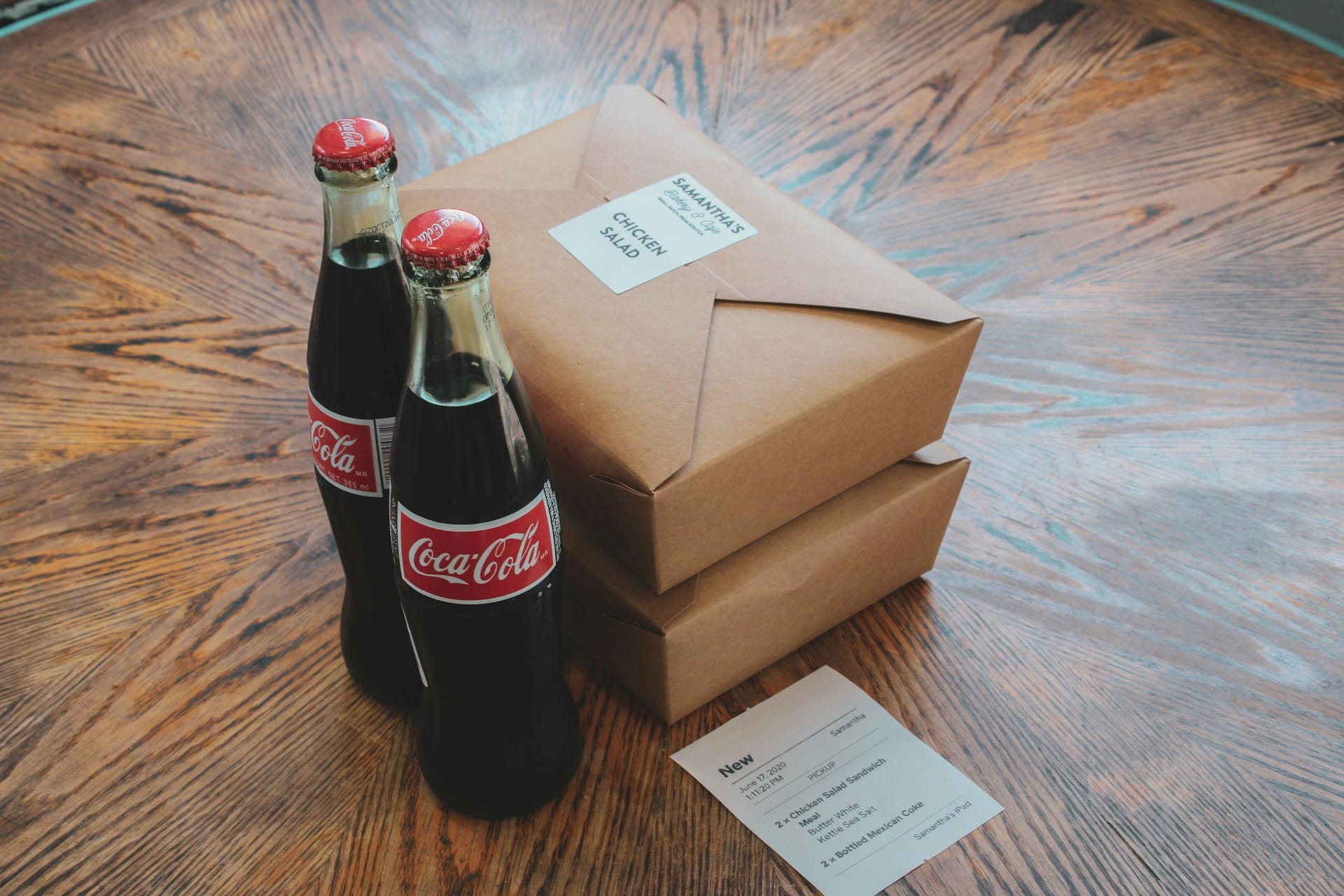
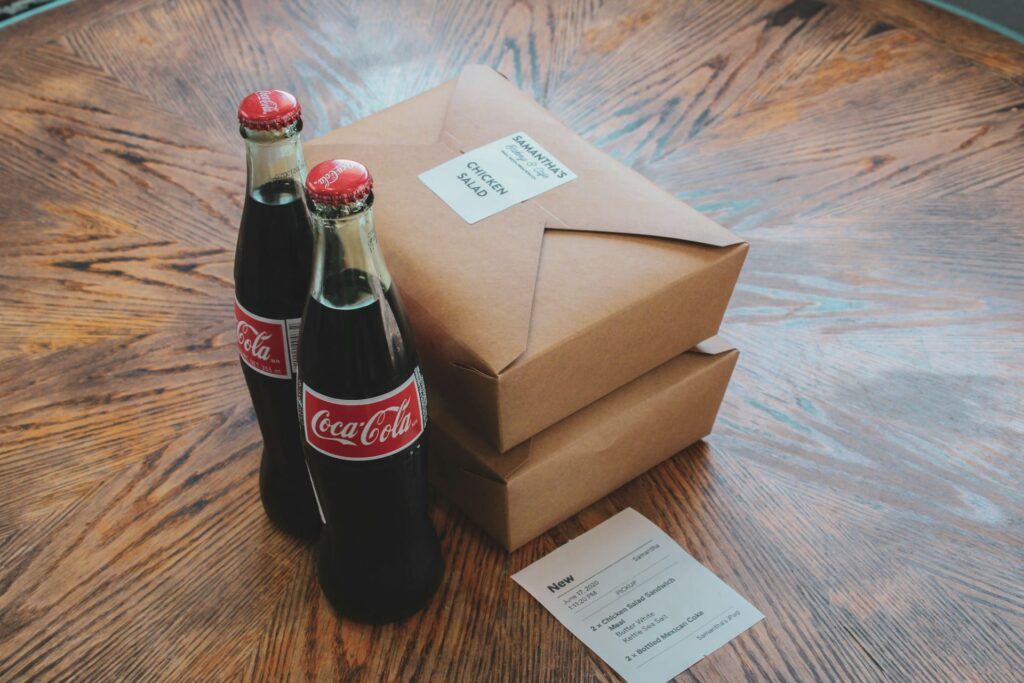
- Food Service: Bakery boxes, takeout containers, and coffee sleeves where the natural, food-safe properties of kraft paper are valued.
Understanding the difference between these two types of packaging is the first step in optimizing your procurement strategy. For a comprehensive guide on all aspects of sourcing, from material selection to cost negotiation, we encourage you to read our main resource.
4. The Role of Kraft Paper in Both
It is important to note that the term “kraft” refers to the paper material itself, which is a key component of both box types. Kraft paper is often used as the linerboard for corrugated boxes because of its superior strength compared to recycled paper. This is why both types of packaging can share the same natural brown aesthetic and eco-friendly reputation.
When you are ready to delve into the specifics of material grades, food-safe coatings, and the cost implications of choosing one over the other, our comprehensive guide provides the in-depth analysis you need. [Your Guide to Kraft Box Procurement & Applications].
Conclusion
While the terms are often confused, the distinction between a corrugated box and a kraft box is clear: one is a multi-layered fortress for shipping, and the other is a sleek, single-layer canvas for retail presentation. By understanding the structural and functional differences, B2B buyers can make informed decisions that ensure both product safety and brand appeal.
Frequently Asked Questions (FAQ)
Q1: Is a corrugated box always made of kraft paper?
A: No, but the linerboards (outer layers) are often made of kraft paper (virgin or recycled) due to its strength. Some corrugated boards use test liner or white top liner, which are not pure kraft.
Q2: Which type of box is cheaper?
A: Generally, a single-layer kraft folding carton is cheaper per unit than a multi-layered corrugated box of the same size, due to the difference in material volume and manufacturing complexity. However, the total cost depends heavily on volume and customization.
Q3: Can a kraft box be used for shipping?
A: Only for very light, non-fragile items, or as an inner box within a larger corrugated shipping container. For external shipping, the superior protection of a corrugated box is required.
Q4: What is the main advantage of using kraft paper in corrugated boxes?
A: The main advantage is strength. Kraft paper’s long, virgin fibers provide the linerboards with high burst and tear strength, which is critical for the overall performance of the corrugated box.