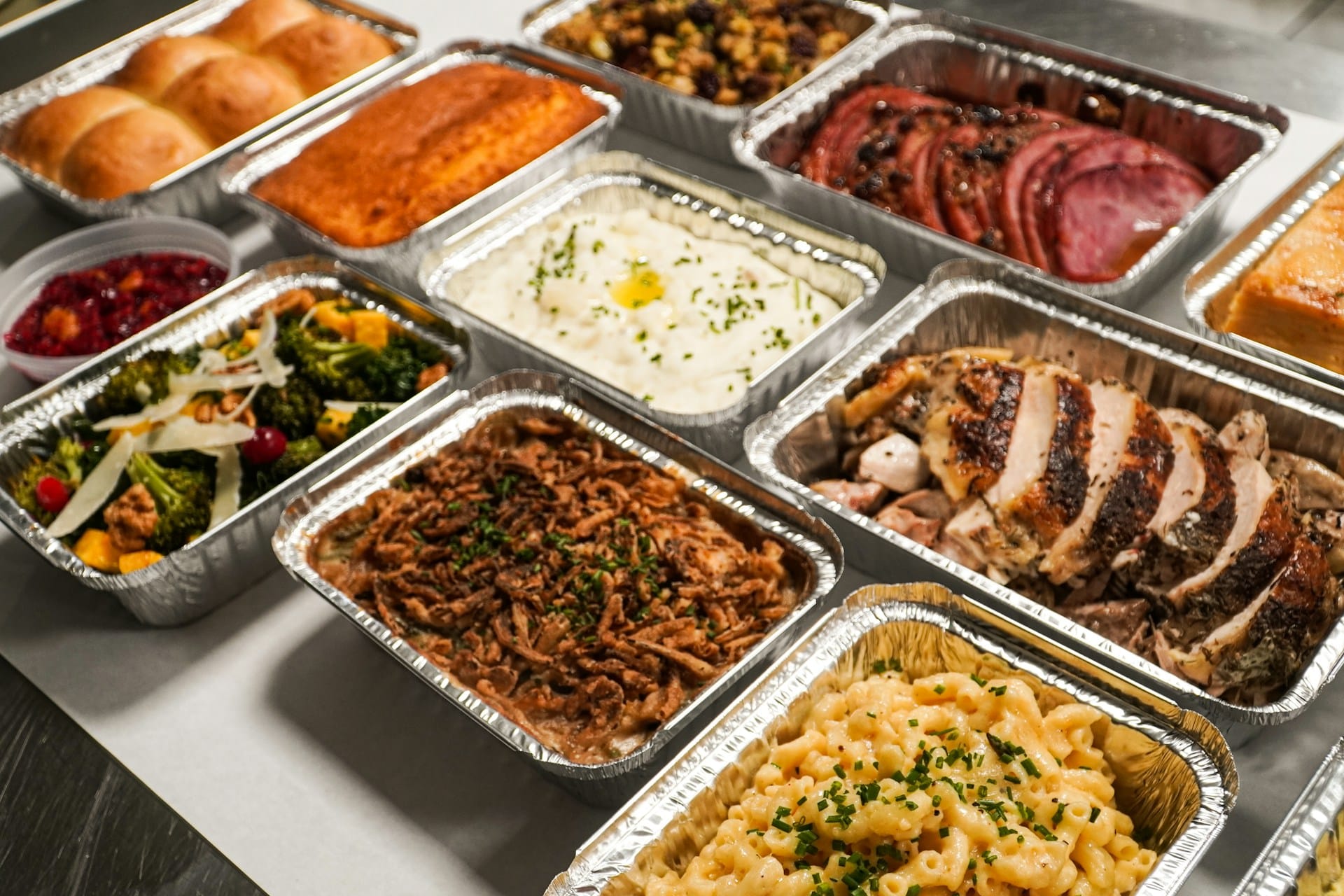
TL;DR As global bans on Styrofoam (EPS) increase, food businesses need a replacement that is affordable, functional, and compliant. Aluminum packaging outperforms paper and bioplastics by offering superior heat retention, leak-proof durability, and infinite recyclability, making it the most practical upgrade for wholesale buyers.
The Best Alternative to Styrofoam
When replacing Styrofoam, aluminum packaging stands out as the superior choice due to:
- Heat Retention: It keeps food hotter for longer compared to breathable paper cartons.
- Recyclability: Unlike foam, aluminum has high scrap value and is easily recycled globally.
- Leak Resistance: It handles oily and saucy foods without getting soggy or collapsing.
- Cost Stability: It is generally more affordable than specialized bioplastics like PLA.
Are you scrambling to find a new packaging solution because of new local regulations banning foam containers? You are not alone. Many distributors and restaurant chains are discovering that while paper is popular, aluminum might actually be the smarter business move. Here is why aluminum is winning the battle against Styrofoam.
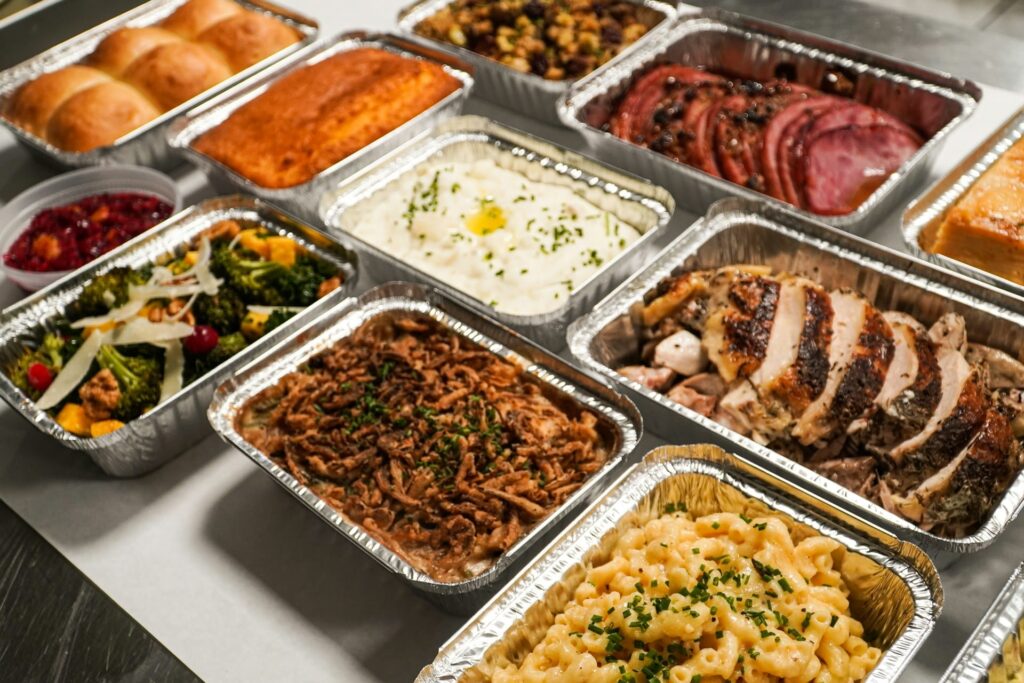
The End of the Styrofoam Era
For decades, Expanded Polystyrene (EPS), commonly known as Styrofoam, was the king of the takeaway world. It was cheap, lightweight, and kept food warm. However, its reign is ending. From the European Union’s Single-Use Plastics Directive to bans in major US states and parts of South America, EPS is being phased out due to its inability to biodegrade and the difficulty of recycling it.
For B2B buyers, this creates a procurement crisis. You cannot simply switch to the cheapest option if it ruins the customer’s dining experience. You need a material that mimics the thermal performance of foam but meets modern environmental standards.
Why Paper Isn’t Always the Perfect Substitute
When businesses drop foam, their first instinct is often to switch to paper or bagasse (sugarcane) clam shells. While these are excellent products—and we supply them at Reliancepak—they have limitations.
Paper is porous. To make it grease-proof, it often needs a plastic lining, which can complicate recycling. Furthermore, paper “breathes.” For crispy fries, this is good. For a hot curry or a saucy pasta dish, it can be a disaster. The heat escapes quickly, and if the delivery time is long, the bottom of the box can become soggy.
The Aluminum Advantage: Performance Meets Sustainability
Aluminum foil containers offer a unique set of benefits that bridge the gap between the low cost of foam and the eco-friendliness of paper.
1. Superior Thermal Performance
The primary reason chefs loved Styrofoam was heat retention. Aluminum is a metal, and while it conducts heat, the enclosed environment of a lidded aluminum tray reflects heat back into the food. It creates a mini-oven effect. For dishes that need to arrive piping hot, aluminum is significantly better than thin cardboard.
2. The “Infinite Loop” of Recycling
This is your strongest selling point to environmentally conscious consumers. Styrofoam can take 500 years to decompose. Aluminum, on the other hand, is a permanent material.
Once a customer rinses their takeaway tray and puts it in the recycling bin, it can be melted down and reformed into a new product without any loss of quality. It is a true circular economy hero.
[Need Wholesale Aluminum Food Packaging? Read This!]
3. Versatility in the Kitchen
Unlike foam, which melts if it gets too hot, aluminum is oven-safe. This adds value for the end consumer. If they order a large family meal but want to eat it later, they can put the entire aluminum container directly into their oven to reheat it. This convenience factor is a massive upgrade from foam, which usually requires transferring food to a ceramic dish before reheating.
Cost Analysis: Is Aluminum Affordable for Mass Market?
Price is always the deciding factor in wholesale procurement. Historically, foam was the cheapest material on earth. Moving away from it will inevitably increase costs, but aluminum manages to keep those costs under control compared to other alternatives.
High-end compostable bioplastics (like PLA) can be expensive and volatile in pricing. Aluminum is a global commodity with a stable supply chain. When you factor in the reduced risk of food spoilage and the elimination of “double cupping” (using two containers to prevent leaks), aluminum often presents a lower Total Cost of Ownership than premium paper options.
Conclusion
Replacing Styrofoam is not just about compliance; it is an opportunity to upgrade your brand image. Switching to aluminum tells your customers that you care about the environment and the quality of their food. It looks premium, performs beautifully, and is easy to recycle.
For distributors and food factories, the key is finding a supplier who can offer the right variety of shapes and sizes to replace your current foam inventory. At Reliancepak, we help businesses make this transition smoothly with our wide range of mold options.
Frequently Asked Questions (FAQ)
Q: Is aluminum packaging more expensive than Styrofoam?
A: Yes, almost all alternatives are more expensive than Styrofoam. However, aluminum is often cheaper than heavy-duty biodegradable bagasse or PLA containers, making it a mid-range cost option with high performance.
Q: Can you print branding on aluminum takeaway containers?
A: Yes, we can emboss logos directly onto the bottom of the container or provide custom-printed cardboard lids (foil board) to give the packaging a branded look similar to what you would get with paper boxes.
Q: Is aluminum safe for all types of takeaway food?
A: It is excellent for most hot foods, oily dishes, and baked goods. For highly acidic foods (like pickles or heavy tomato bases) stored for long periods, we recommend using lacquered aluminum trays to prevent any metallic taste.
Q: How do I dispose of aluminum takeaway containers?
A: They should be rinsed of food residue and placed in the standard metal/plastic recycling bin. Unlike pizza boxes which are often non-recyclable due to grease, aluminum can be cleaned and recycled easily.