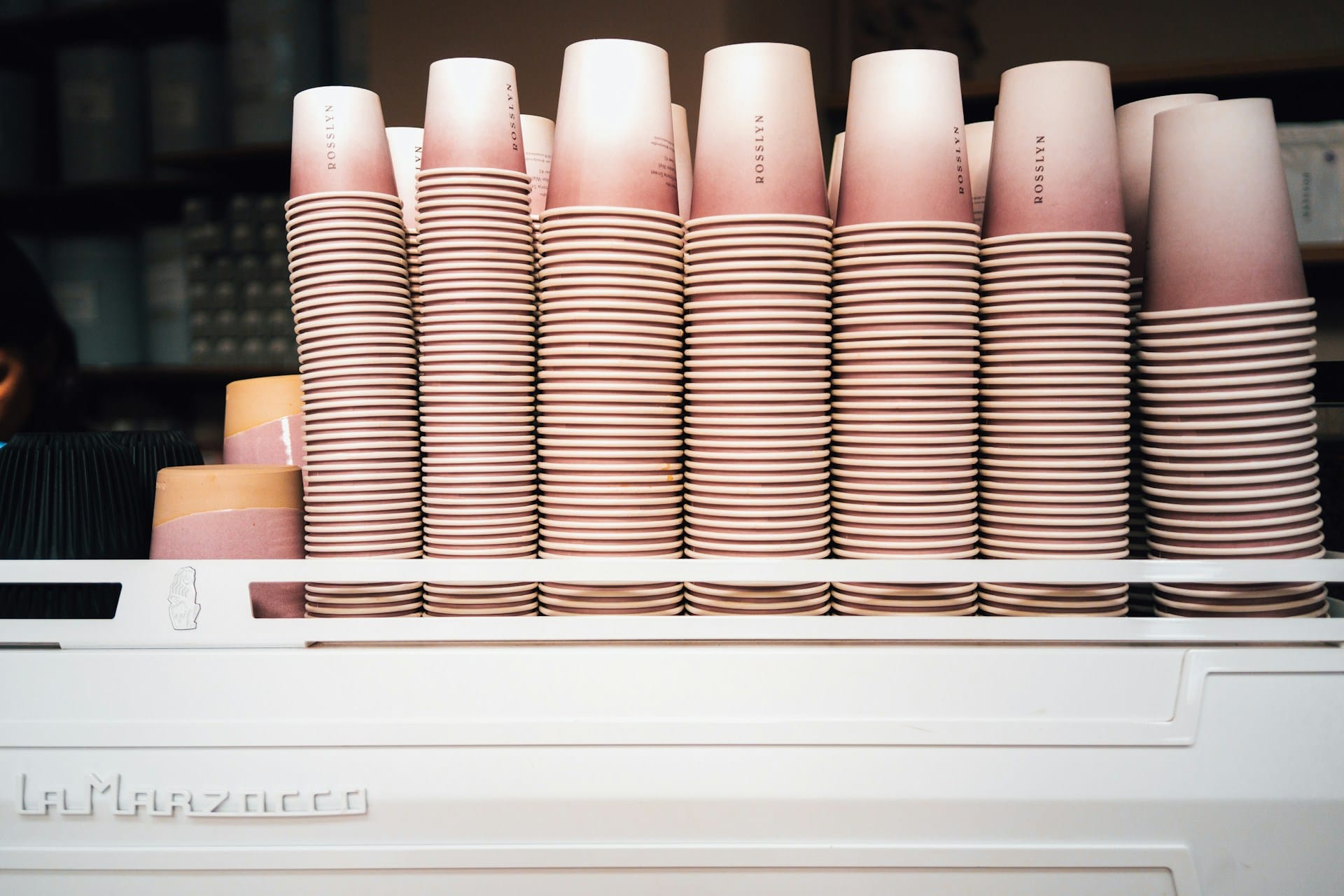
Biodegradable cups and lids are food service products manufactured from plant-based materials such as PLA, paper with bio-coatings, and bagasse, designed to decompose through natural biological processes while delivering functional performance comparable to conventional plastic alternatives.
You source thousands of cups monthly for your distribution network, and your clients now demand sustainable options that actually work. The challenge hits from multiple directions: lids that leak during delivery, cups that soften before customers finish their drinks, and pricing that threatens your margins. This guide breaks down the material science, durability specifications, and cost structures you need to make procurement decisions that satisfy both sustainability requirements and operational realities.
What Materials Are Used in Biodegradable Cups and Lids?
Biodegradable cups rely on three primary material categories, each offering distinct performance profiles suited to specific temperature ranges. PLA dominates cold cup applications, paper with biodegradable linings leads hot cup segments, and bagasse serves premium requirements where maximum heat resistance matters.
Material selection directly impacts your customers’ experience and your return rate, making this technical understanding fundamental to successful product line development.
How Do Different Cup Materials Compare in Performance?
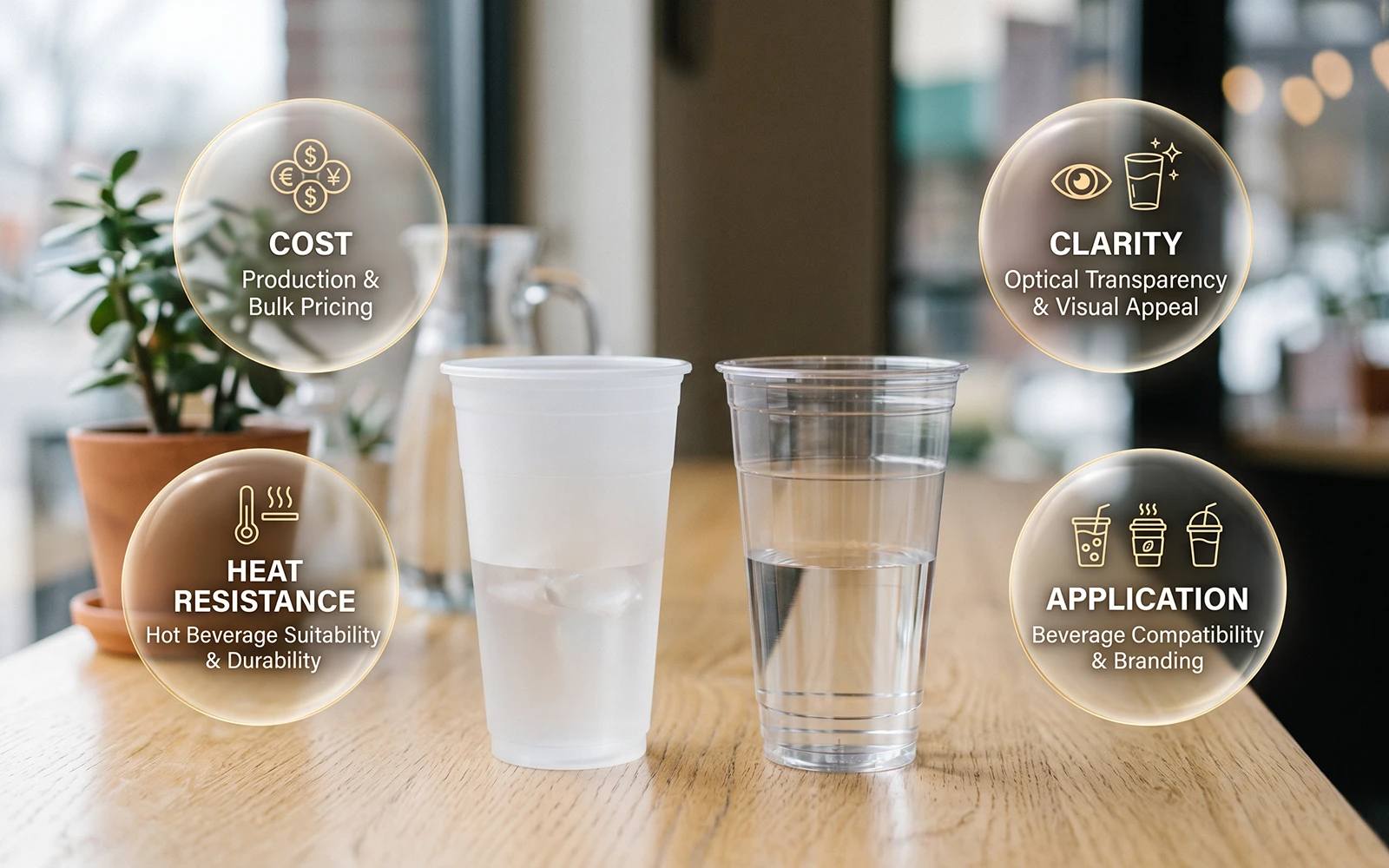
PLA (polylactic acid) cups deliver optical clarity approaching petroleum-based PET while offering certified compostability. The material derives from fermented corn or sugarcane starches, with temperature tolerance maxing out at 40-45°C for standard formulations.
Key material characteristics include:
- PLA cold cups maintain rigidity for 60-90 minutes under normal conditions
- Paper hot cups with PLA linings handle liquids up to 95°C
- Double-wall paper designs provide insulation without additional sleeves
- Bagasse cups tolerate temperatures exceeding 100°C without structural compromise
- CPLA (crystallized PLA) lids withstand approximately 85°C for hot beverage applications
Here’s the deal: PLA cups perform exceptionally in controlled temperature environments but will deform if exposed to hot liquids. Your product specification sheets should clearly communicate temperature limitations to end users.
What Lid Materials Deliver Reliable Sealing?
CPLA has emerged as the dominant lid material due to its combination of rigidity, heat resistance, and secure fit characteristics. The crystallization process reorganizes PLA molecular structure to increase temperature tolerance significantly beyond standard PLA.
Lid performance factors to evaluate:
- Snap-fit designs create audible confirmation of secure attachment
- Dome lids accommodate whipped toppings and ice extending above cup rim
- Vented designs prevent vacuum formation during hot beverage consumption
- Paper lids offer fully fiber-based solutions with greater engineering challenges
- Fit tolerance between lids and cups determines leak prevention success
Requesting samples from multiple production batches before committing to volume orders reveals consistency issues that single-sample evaluation misses.
| Material | Temperature Max | Clarity | Best Application |
|---|---|---|---|
| PLA | 40-45°C | Excellent | Iced beverages |
| Paper/PLA | 95°C | None | Hot coffee, tea |
| CPLA Lids | 85°C | None | Hot cup lids |
| Bagasse | 100°C+ | None | Premium hot drinks |
Material certification documentation should accompany every shipment, verifying both food contact safety and compostability claims.
Key Takeaway: Material selection must match the temperature profile of intended beverages, with PLA serving cold applications, PLA-lined paper handling hot drinks, and CPLA providing reliable lid performance across temperature ranges.
What Durability and Cost Factors Affect Procurement Decisions?
Durability in biodegradable cups encompasses structural integrity during use, resistance to specific application conditions, and maintenance of acceptable appearance throughout customer experience. Cost factors reflect raw material markets, manufacturing complexity, and order structure decisions within buyer control.
Understanding both performance limitations and cost drivers enables effective supplier negotiation and accurate margin planning.
How Do Environmental Conditions Affect Product Performance?
Storage conditions before deployment and environmental exposure during use both affect performance. Biodegradable materials exhibit greater sensitivity to humidity, temperature extremes, and UV exposure than conventional plastics.
Environmental vulnerabilities to manage:
- High humidity storage softens materials and affects structural properties
- Temperature cycling between hot and cold environments stresses materials
- UV exposure during storage degrades some bio-based polymers
- Freezer storage can embrittle PLA, affecting handling characteristics
- Extended holding times beyond 60-90 minutes may compromise structure
Here’s the deal: specifying climate-controlled storage in your distribution requirements prevents complaints stemming from post-manufacturing degradation rather than product defects.
What Drives Biodegradable Cup and Lid Pricing?
Agricultural commodity markets directly impact costs, with corn prices affecting PLA, sugarcane markets influencing bagasse, and pulp prices determining paper cup costs. This commodity exposure creates pricing volatility absent from petroleum-based alternatives.
Cost optimization strategies include:
- Consolidate cup and lid purchases with single suppliers for volume leverage
- Accept standard dimensions rather than custom specifications for 10-20% savings
- Schedule orders during agricultural off-peak periods when possible
- Evaluate total landed cost including shipping, duties, and handling
- Annual volume agreements typically yield 5-10% improvement over spot purchasing
| Cost Component | Percentage of Total | Optimization Approach |
|---|---|---|
| Raw materials | 40-50% | Timing, forward contracts |
| Manufacturing | 25-35% | Volume, standardization |
| Customization | 5-15% | Simplification |
| Logistics | 10-20% | Consolidation, planning |
Requesting cost breakdowns from suppliers reveals which components offer negotiation opportunity.
Key Takeaway: Biodegradable cup and lid costs respond to strategic purchasing approaches, with volume consolidation and specification standardization delivering meaningful margin improvement over transactional buying.
Partner with Reliancepak for Biodegradable Cup and Lid Solutions
Selecting biodegradable cups and lids that satisfy both sustainability requirements and operational performance demands a supplier partner with manufacturing depth. Reliancepak operates as an integrated trading and manufacturing company with 9 production lines, providing quality control and customization flexibility that professional distributors require.
Our portfolio spans PLA cold cups, paper hot cups with bio-linings, CPLA lids in multiple configurations, and bagasse options for premium applications. Food-grade certifications including FDA and EU compliance documentation accompany all products, and free samples enable evaluation before volume commitment.
The market transition toward biodegradable packaging continues accelerating as regulations tighten. Distributors who establish reliable supply relationships now position themselves to capture growing demand without last-minute sourcing scrambles.
Contact our team at admin@bereliance.com to discuss your requirements and request evaluation samples.
Frequently Asked Questions
Can biodegradable cups handle both hot and cold beverages?
No. Material properties require matching cup selection to beverage temperature. PLA cups suit cold beverages below 45°C, while paper cups with PLA linings handle hot beverages up to 95°C. Using hot liquids in PLA cold cups causes rapid deformation. Specify separate SKUs for hot and cold applications.
How do I verify that lids will fit cups from different production batches?
Request samples from multiple production runs before committing to volume purchases. Test fit across your existing cup inventory and establish dimensional tolerances in written specifications. Sourcing cups and lids from the same supplier typically improves compatibility consistency.
What shelf life should I expect for biodegradable cups in warehouse storage?
Properly stored biodegradable cups maintain performance for 12-24 months. Requirements include climate-controlled conditions below 25°C, humidity below 65%, protection from direct sunlight, and original sealed packaging until deployment.
Are biodegradable cups suitable for automatic dispensing equipment?
Most biodegradable cups work with standard dispensing equipment, though material properties may require adjustment of dispenser settings. Paper cups may need anti-static treatments for consistent release. Conduct operational testing before full deployment.
What happens if biodegradable cups end up in regular trash instead of composting?
Biodegradable cups in landfills decompose slower than in composting facilities due to lack of oxygen and microbial activity. However, they still break down faster than conventional plastics. Environmental benefit is maximized when products enter appropriate composting streams.