PS plastic, or polystyrene, is technically recyclable, though its actual recycling rate remains lower than materials like PET due to economic and logistical challenges in traditional curbside programs. Classified by resin identification code #6, ps plastic requires specialized densification equipment to process its lightweight, high-volume form—especially in its expanded (EPS) state—into reusable pellets for new industrial products.
Procurement officers and sustainability leads in the food industry often struggle with the tension between the high performance of ps plastic and growing environmental regulations. Using non-recyclable materials in markets with strict “Extended Producer Responsibility” (EPR) laws can result in higher waste management fees and negative brand perception. This guide examines the current state of polystyrene recycling, its ecological footprint, and the practical alternatives available for businesses aiming to balance utility with environmental stewardship.
The Reality of PS Plastic Recycling: Challenges and Solutions
While many believe ps plastic cannot be repurposed, the barrier is rarely chemical; it is almost always logistical. Because polystyrene products like foam trays or thin-walled lids are lightweight yet bulky, the cost of transporting them to a recycling center often exceeds the value of the recovered material.
Collection and Densification
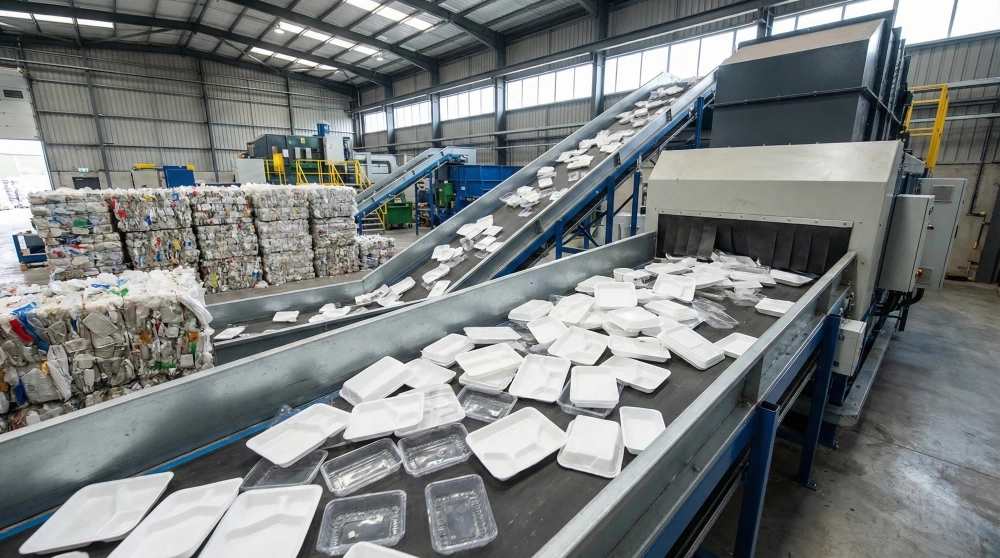
The primary hurdle for ps plastic recycling is its density. Foam products are 95% air, which makes them expensive to ship. To solve this, professional recycling operations use densifiers to compress the material into heavy blocks, known as ingots, which are then sold to manufacturers of durable goods.
- Ingot Production: Compressed polystyrene is used to create crown molding, picture frames, and park benches.
- Mechanical Recycling: Clean, rigid ps plastic from laboratory equipment or clear packaging can be ground and re-extruded into new resin.
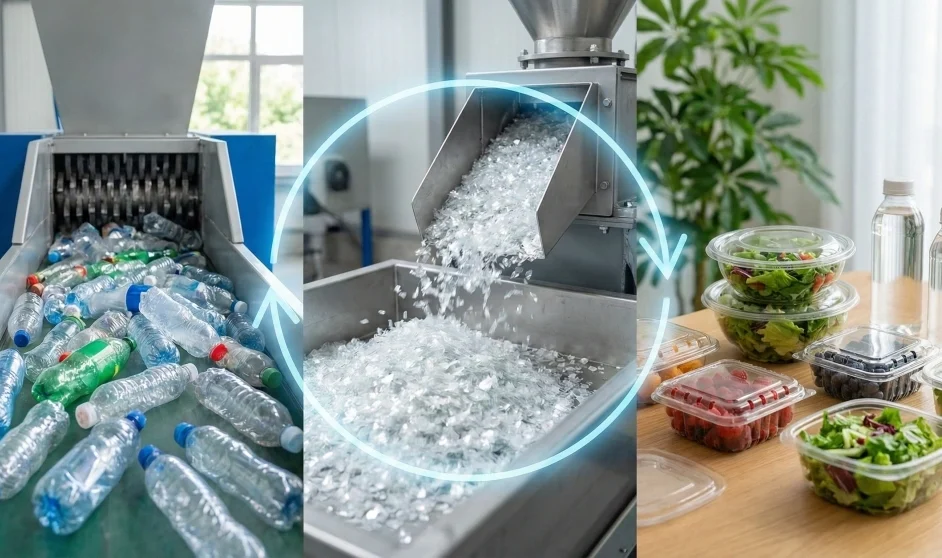
- Chemical Recycling: New technologies are breaking down polystyrene into its original styrene monomers, allowing for the creation of “virgin-quality” recycled plastic that is safe for food contact again.
Identification and Sorting
At the sorting facility, ps plastic must be separated from other polymers to prevent contamination. Advanced optical sorters now use infrared technology to identify the specific signature of polystyrene, increasing the purity of recycled streams and making the end product more valuable to B2B buyers.
Key Takeaway: Polystyrene recycling is a matter of infrastructure rather than chemistry; where specialized collection exists, the material has a robust second life.
Evaluating the Environmental Footprint of Polystyrene
When assessing the environmental impact of ps plastic, it is necessary to look beyond just recyclability and consider the entire lifecycle, including energy consumption during manufacturing and the prevention of food waste.
Low Energy Manufacturing
Polystyrene has a lower melting point than many alternative plastics, which means it requires less energy to mold into finished containers. For large-scale food processors, this reduced energy demand translates to a smaller carbon footprint at the production stage compared to heavy-duty glass or certain high-heat polymers.
Prevention of Resource Waste
The most significant environmental benefit of ps plastic is its role in food preservation. By providing a high-performance moisture barrier and rigid protection, it prevents the spoilage of perishable goods. Since the environmental cost of producing food is much higher than the cost of its packaging, using effective materials like ps plastic can actually result in a net environmental gain by reducing organic waste.
To understand how these physical properties contribute to its widespread use, you can read our foundational guide on What Is PS (Polystyrene) Plastic? .
| Impact Factor | Performance of PS Plastic | Environmental Benefit |
| Production Energy | Low melting point | Reduced factory CO2 emissions |
| Material Weight | Extremely lightweight | Lower fuel consumption in transit |
| Food Preservation | Superior moisture barrier | Significant reduction in food waste |
Key Takeaway: A lifecycle analysis often reveals that ps plastic is more resource-efficient during its use phase than many heavier “eco-friendly” alternatives.
Practical Alternatives to PS Plastic for B2B Buyers
If your regional regulations or corporate sustainability goals require a shift away from polystyrene, several alternatives offer similar performance profiles. The choice depends on whether you prioritize heat resistance, gas barriers, or curbside recyclability.
Polypropylene (PP)
PP is the most common substitute for ps plastic in the food service industry. It is widely accepted in curbside recycling programs and offers the added benefit of being microwave-safe. However, it lacks the crystal-clear transparency that makes polystyrene so popular for retail displays.
PET (Polyethylene Terephthalate)
For brands that require high visibility, PET is the standard alternative. It has the highest recycling rate of any plastic and provides a better gas barrier for carbonated drinks or long-shelf-life products. Note that PET is generally heavier and more expensive than ps plastic.
Bio-based and Compostable Options
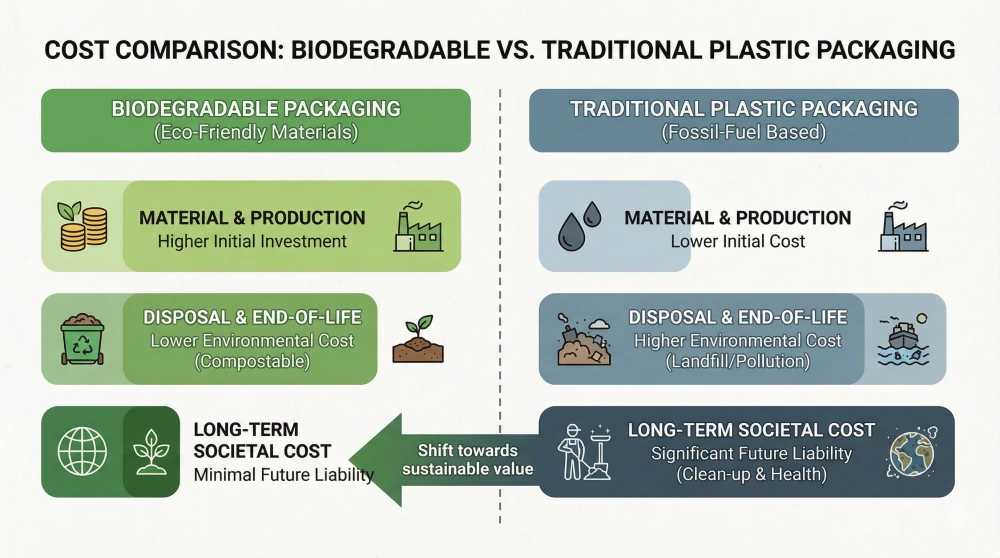
Materials like PLA (Polylactic Acid) are derived from renewable resources like corn starch. While they offer a “green” image, they often require industrial composting facilities to break down and cannot be mixed with traditional plastic recycling streams without causing contamination.
Key Takeaway: Choosing an alternative requires a trade-off between cost, clarity, and the specific recycling infrastructure available in your target market.
How to Optimize Your Supply Chain for Sustainability
For businesses that continue to rely on the high performance of ps plastic, sustainability can be improved through better design and responsible sourcing. Small changes in the procurement process can lead to large reductions in a company’s total waste output.
Reducing Material Volume
Working with a manufacturer that uses precision molding can help you reduce the wall thickness of your containers without sacrificing strength. Less material used per unit directly reduces the amount of plastic entering the waste stream.
Promoting Post-Industrial Recycling
B2B buyers can support the circular economy by sourcing materials from suppliers who recycle their own production scrap. This ensures that no “clean” plastic is wasted during the manufacturing process, keeping the production loop as closed as possible.
At Reliancepak, we are committed to helping our clients navigate the complexities of material selection and environmental compliance. With 9 production lines and a focus on industrial efficiency, we provide high-quality ps plastic solutions while advising on the most sustainable practices for your specific region. We offer professional consultation and free samples to help you find the perfect balance between packaging performance and environmental responsibility.
Our vision is to lead the packaging industry toward a future where high-performance materials and environmental stewardship exist in harmony.
FAQ
Is ps plastic biodegradable?
No. Polystyrene is a stable synthetic polymer and does not break down in landfills. This is why recycling and responsible waste management are critical for this material.
Can I put polystyrene foam in my home recycling bin?
In most cities, the answer is no. You should check with your local waste provider. Many areas require you to take ps plastic foam to a specific drop-off center that has a densifier.
Does ps plastic release toxins when recycled?
Modern mechanical recycling of ps plastic is a closed-loop process that does not involve high-heat combustion, making it a safe method for reclaiming material.
What is the “number 6” plastic?
The number 6 inside a triangle is the resin identification code for ps plastic. It helps sorting facilities identify the material for proper processing.
Are there eco-friendly versions of polystyrene?
Yes. Some manufacturers now offer polystyrene with additives that encourage faster breakdown in specific environments, or resins made from a percentage of chemically recycled post-consumer waste.
Meta Description: Is ps plastic recyclable? Learn about the environmental impact of polystyrene, recycling challenges, and sustainable alternatives for B2B food packaging.