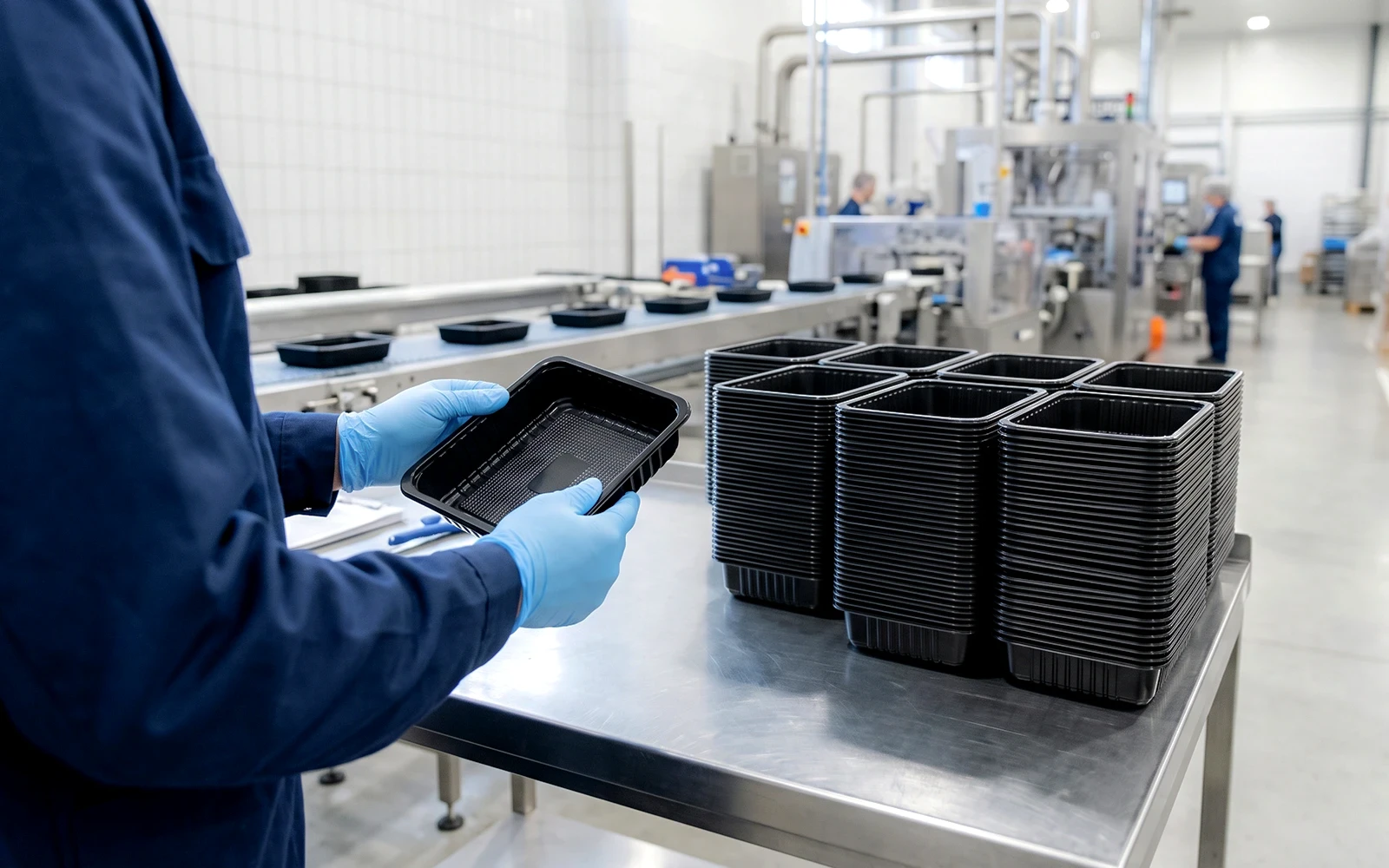
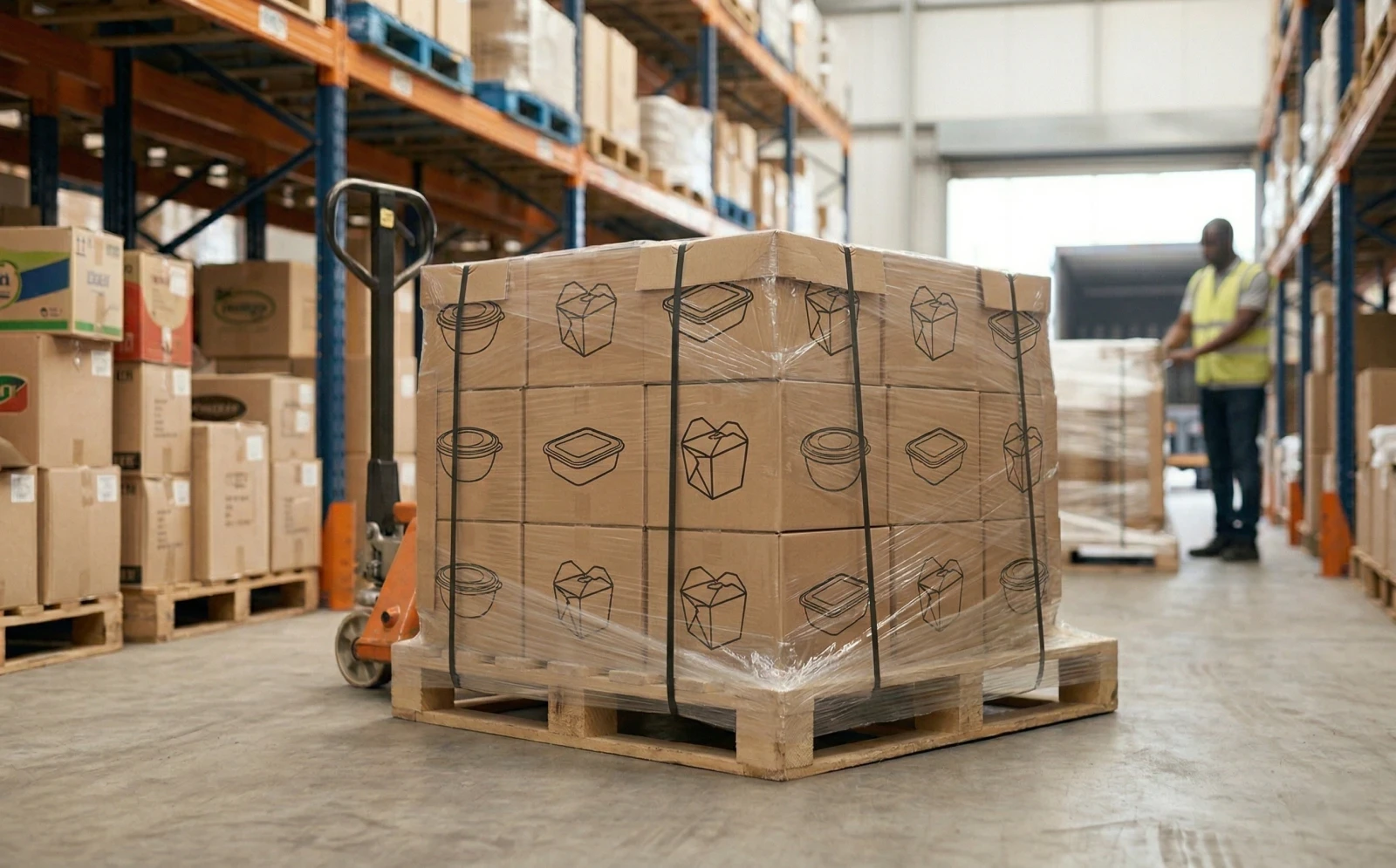
Food container bulk describes the large-scale acquisition of food-grade packaging where buyers purchase thousands of units per order to minimize unit costs and stabilize inventory for industrial or distribution use. This procurement strategy allows businesses to bypass retail markups and deal directly with manufacturing capacities to ensure a constant flow of trays, boxes, and bowls.
You might notice that your current sourcing methods are leaving your shelves empty during peak seasons or driving your overhead too high for competitive bidding. When a distributor fails to provide a steady supply of quality packaging, your reputation with restaurant chains and food plants suffers immediate damage. Choosing a food container bulk strategy provides the volume and price stability necessary to protect your profit margins and maintain your status as a reliable partner in the food service industry.
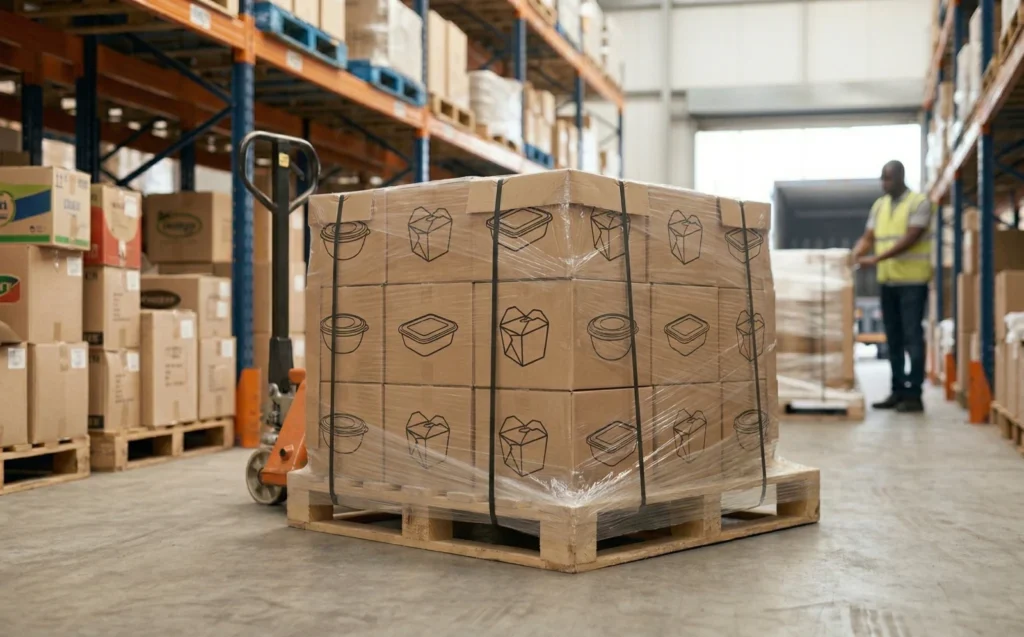
What defines the scale of food container bulk orders?
Food container bulk orders are defined by high minimum order quantities (MOQs) that typically start at 10,000 units or full shipping containers. This scale is intended for professional buyers who need to satisfy the recurring demands of regional markets or high-output food processing lines.
Understanding Minimum Order Quantities
When you engage in high-volume purchasing, you are moving beyond the limitations of local wholesalers. Here is the deal.
- MOQs for plastic trays often range from 10,000 to 50,000 pieces depending on the mold.
- Paper-based products may require higher volumes to justify the setup of specialized printing presses.
- Full container loads (FCL) offer the highest level of efficiency for international logistics.
- Customized resin colors or specific branding usually trigger higher volume requirements to offset production transitions.
| Order Scale | Typical Quantity | Primary Buyer Type | Focus Area |
| Low Volume | < 1,000 units | Individual Restaurants | Immediate Need |
| Wholesale | 5,000 – 10,000 units | Local Distributors | Stock Buffering |
| Bulk | > 20,000 units | Regional Wholesalers | Cost Leadership |
Ordering at this scale allows for a significant reduction in the labor and energy costs associated with frequent, small-batch production runs.
Key Takeaway: Sourcing at a true bulk scale is the primary method for large distributors to achieve market-leading prices and stock security.
Why is food container bulk procurement preferred over retail?
Food container bulk procurement is preferred because it eliminates middleman fees and allows for direct oversight of the manufacturing standards and material grades used. This direct relationship with the production source ensures that the packaging meets specific chemical safety requirements while remaining affordable.
Financial and Operational Benefits
Purchasing large volumes changes the way you manage your capital and your warehouse space. You should know.
- Lower cost per piece increases the spread between your buying price and your selling price.
- Fixed pricing for large contracts protects your business from sudden fluctuations in the plastic resin market.
- Consistent manufacturing batches prevent variations in lid fit or wall thickness that occur with multiple suppliers.
- Priority production scheduling ensures that large-scale buyers are served first during global supply shortages.
| Metric | Retail Sourcing | Bulk Sourcing | Business Impact |
| Unit Price | High | Low | Profit Margin |
| Quality Control | Variable | Consistent | Brand Trust |
| Lead Time | Short/Unpredictable | Planned/Reliable | Inventory Flow |
By consolidating your orders into high-volume shipments, you reduce the administrative burden of managing dozens of small invoices and deliveries.
Key Takeaway: Shifting to a bulk model provides the financial leverage needed to outcompete smaller entities that rely on local retail stock.
What materials are standard for food container bulk sourcing?
Food container bulk sourcing centers on durable materials like Polypropylene (PP), PET, and sustainable fibers that can withstand the rigors of mass transport and storage. The choice of material determines the temperature resistance and stacking strength of the final product throughout its lifecycle.
Technical Material Categories for Volume Orders
Selecting the right polymer or fiber is a technical decision that impacts food safety and customer satisfaction. Think about this.
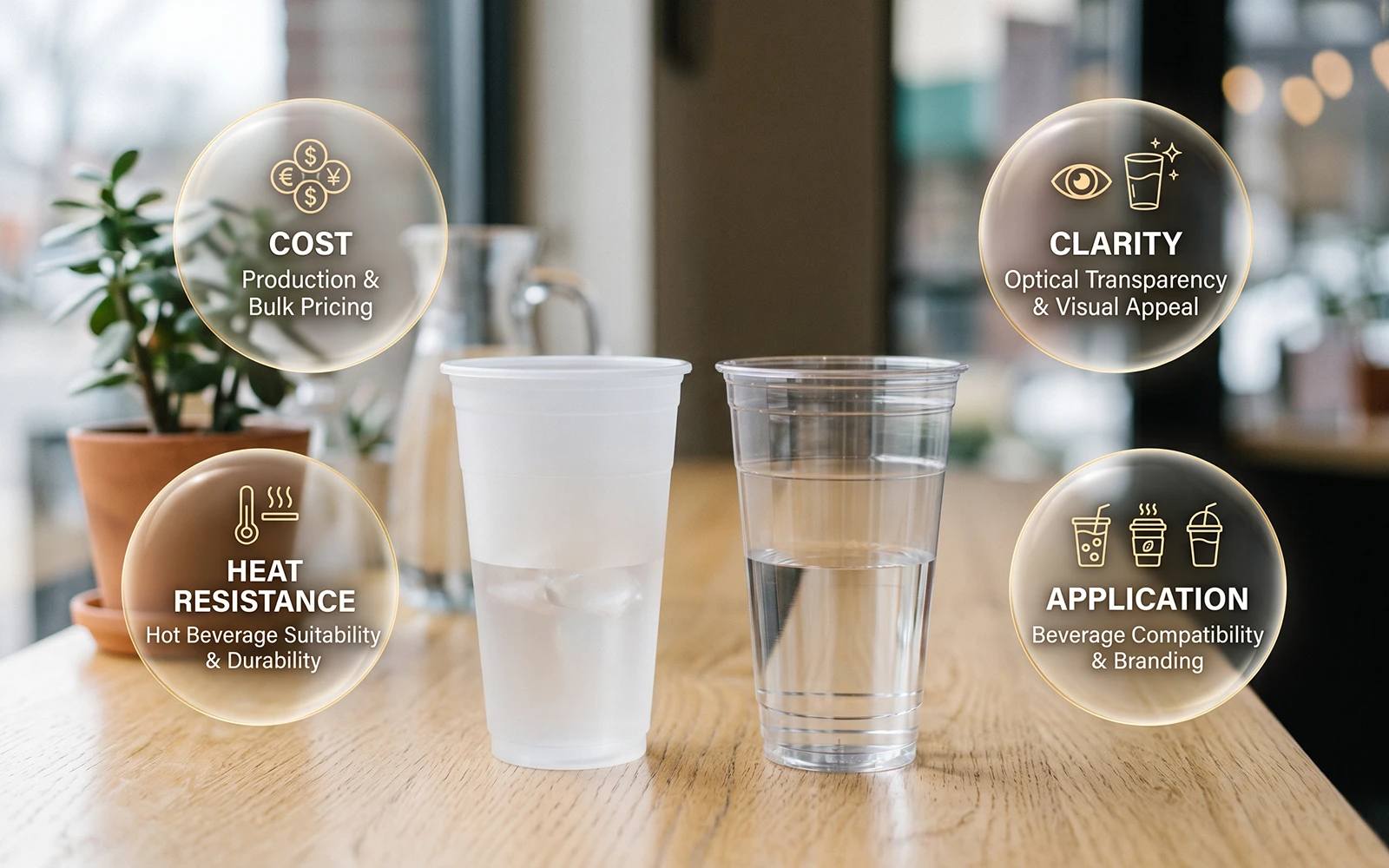
- Polypropylene (PP) is the standard for heat-resistant containers used in microwave-safe meal prep.
- PET offers the highest level of clarity for cold-chain items like salads and pre-packaged fruit.
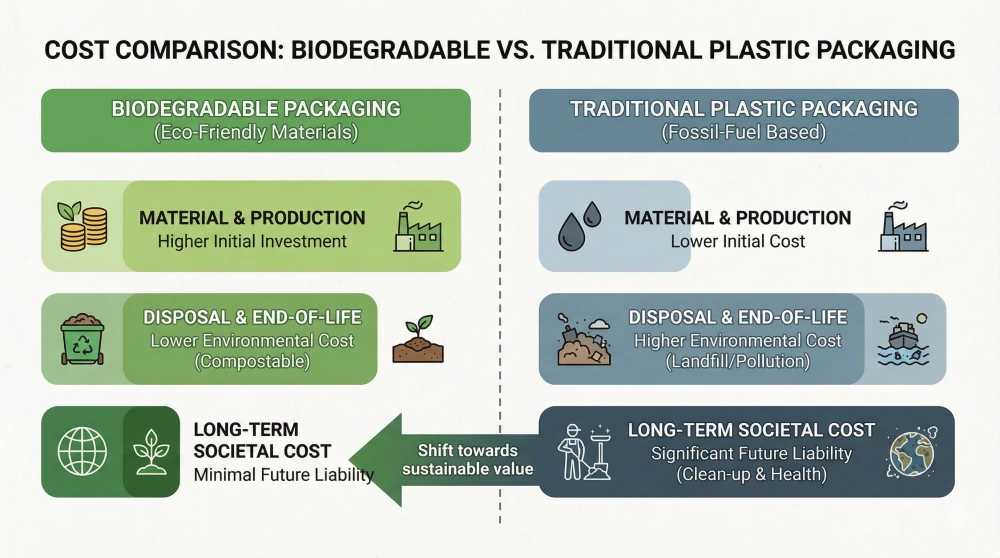
- Kraft paper and bagasse provide renewable alternatives that meet the growing demand for plastic-free options.
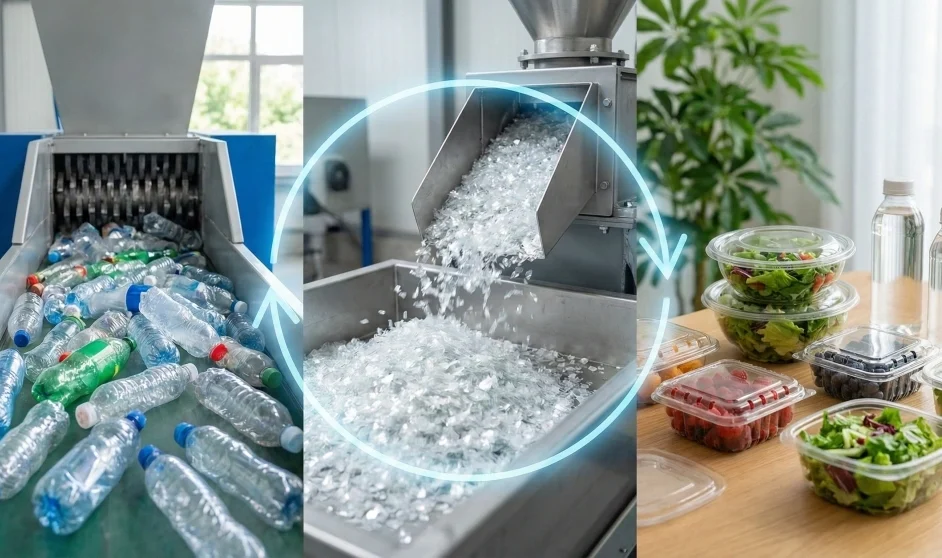
- rPET (recycled PET) allows high-volume buyers to meet environmental regulations without sacrificing product visibility.
| Material | Heat Limit | Transparency | Best Application |
| PP | 120°C | Translucent | Hot Meals |
| PET | 60°C | Crystal Clear | Cold Deli |
| Paper | 90°C | Opaque | Dry Goods |
Matching the material properties to the specific needs of your clients prevents product failure and reduces the risk of costly returns.
Key Takeaway: Technical material selection is the foundation of a successful high-volume packaging strategy that balances performance with cost.
How does bulk purchasing impact your logistics strategy?
Food container bulk purchasing improves logistics by optimizing the nesting ratio of products, which allows more units to fit into a single shipping carton or ocean container. This efficiency lowers the landed cost by reducing the amount of “dead air” being shipped across international borders.
Optimization of Shipping Space
Efficiency in packaging design is a major factor in the overall profitability of a large order. Let’s look at the facts.
- Nesting designs allow trays to sit deep within each other, maximizing the number of pieces per carton.
- Uniform carton sizes facilitate easier palletization and more stable stacking in your warehouse.
- Bulk shipments reduce the carbon footprint per unit compared to multiple smaller air-freight deliveries.
- Simplified labeling for high-volume orders streamlines the customs clearance process in countries like the USA or Spain.
| Shipping Type | Volume (CBM) | Cost Efficiency | Risk of Damage |
| LCL (Less Container) | Small | Low | Moderate |
| FCL (Full Container) | Large | High | Low |
Using a full container strategy ensures that your goods are not handled multiple times during transit, which minimizes the chance of physical damage to the containers.
Key Takeaway: Logistics optimization through bulk ordering is a direct way to lower your hidden operational expenses and protect your inventory.
How do you identify a reliable bulk packaging partner?
Identifying a reliable partner for your food container bulk needs requires verifying their manufacturing capacity, their certifications, and their ability to provide integrated trade services. An integrated supplier with multiple production lines can offer the flexibility and technical expertise that a simple trading company cannot match.
Verification of Supplier Capabilities
Choosing the wrong source can lead to delays that ripple through your entire distribution network. Why is this?
- Direct factory ownership ensures that you are getting the lowest possible price without hidden commissions.
- FDA and EU food-grade certifications are non-negotiable requirements for importing into major global markets.
- Professional communication and rapid sample provision indicate a supplier that understands international B2B needs.
- A diverse product line allows you to source plastic trays and paper bags from a single, trusted partner.
| Supplier Type | Production Control | Communication Speed | Long-term Stability |
| Small Factory | High | Low | Low |
| Trading Company | Low | High | Moderate |
| Integrated Supplier | High | High | High |
An integrated partner provides the security of a manufacturer with the professional service of an export specialist, ensuring your orders arrive on time and within specification.
Key Takeaway: Partnering with an integrated supplier is the most secure way to manage large-scale packaging procurement for the global market.
What can we help you with?
Reliancepak provides a stable supply of food-grade packaging with the speed and professional service your business requires. With 9 production lines and a focus on international certifications, we help you secure your high-volume packaging needs with confidence. Contact us today to discuss how our integrated manufacturing and trading services can support your wholesale goals.
We believe that reliable, safe, and sustainable packaging is the foundation of a successful global food supply chain.
FAQ
Can I get custom branding on bulk food container orders?
Yes. Most factories offer custom printing and embossing for high-volume orders, though this typically requires a specific minimum order to cover the setup costs of the plates and tooling.
How do bulk orders help with supply chain stability?
Yes, they provide a buffer against market shortages by ensuring you have several months of inventory on hand, which protects your clients from sudden price spikes or delivery delays.
Is it possible to request samples before committing to a bulk purchase?
Yes. Professional suppliers provide free samples so you can test the material weight, lid fit, and durability in your specific environment before finalizing a large contract.
Are bulk food containers always food-grade certified?
No. You must explicitly verify that the supplier holds current FDA or EU 10/2011 certifications to ensure the materials are safe for direct food contact and compliant with import laws.
Do bulk orders require special storage conditions?
Yes. While the containers are durable, they should be stored in a cool, dry warehouse away from direct sunlight to prevent the degradation of polymers like PET and to keep paper items crisp.