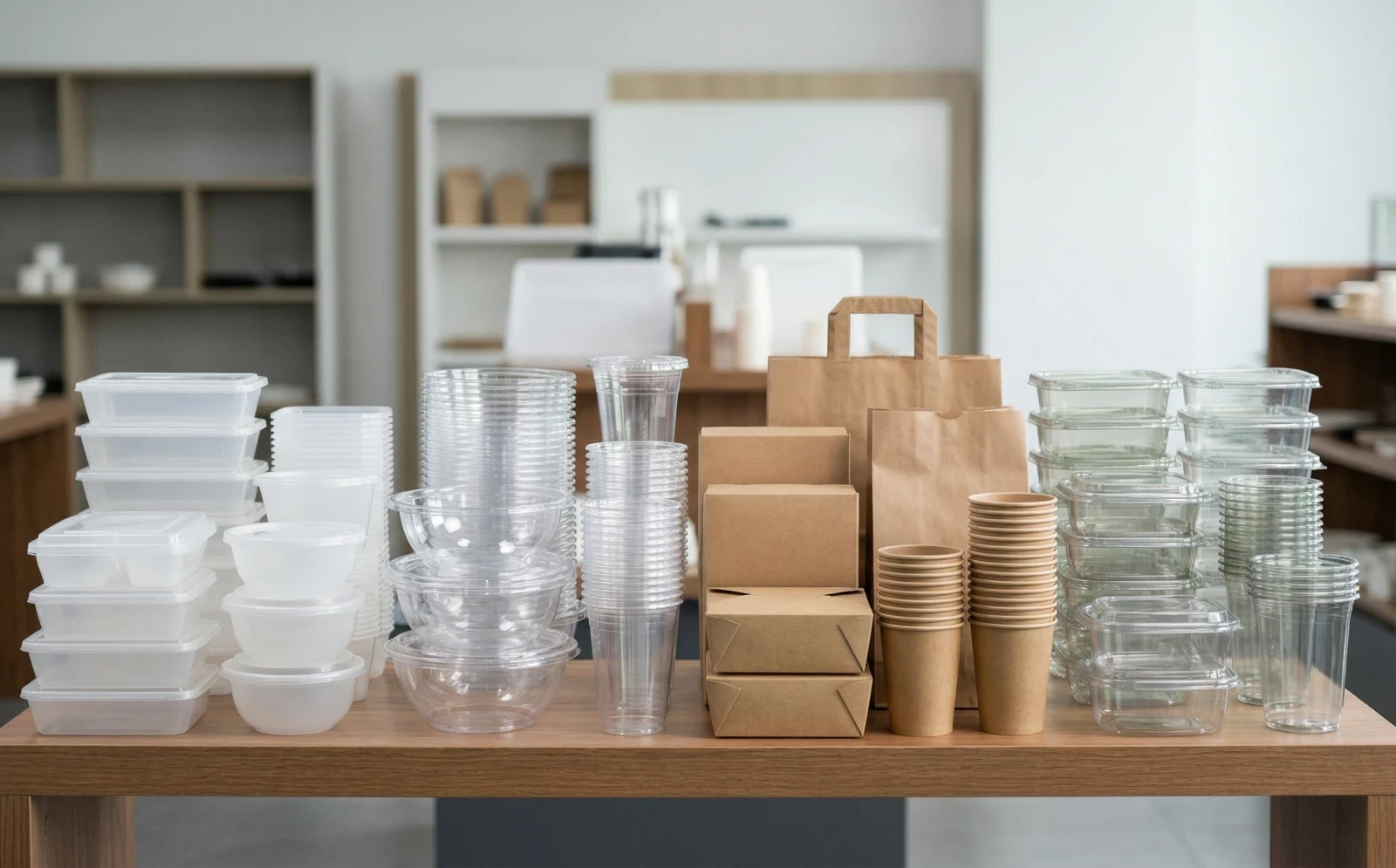
Selecting the ideal material for a food container bulk order requires balancing thermal performance, structural integrity, and environmental impact to meet the specific requirements of your food service clients.
You might be dealing with complaints about warped lids during hot delivery or brittle plastic cracking in cold storage, both of which lead to inventory loss and dissatisfied buyers. These failures often stem from a mismatch between the food type and the material properties of the container. This guide provides a technical analysis of Polypropylene, PET, rPET, and Paper to help you streamline your procurement process and ensure that every unit you distribute performs exactly as intended in a professional setting.
Why Does Material Selection Determine the Success of Food Container Bulk Orders?
The physical properties of a polymer or fiber directly impact the safety, shelf life, and presentation of the food it holds, making material selection the most critical decision in food container bulk procurement.
When you manage a supply chain for restaurants or food processors, you need to guarantee that the packaging does not react with the food or fail under pressure. Choosing a material that matches the operational temperature and moisture levels of the product prevents costly recalls and protects your reputation as a reliable supplier.
Factors Influencing Material Performance
- Heat Deflection Temperature: This determines if a container remains stable in microwaves or under heat lamps.
- Gas Barrier Properties: Oxygen and moisture barriers are necessary for maintaining the freshness of salads and precooked meals.
- Tensile Strength: High-volume stacking in delivery trucks requires materials that resist deformation under heavy weight.
Think about this.
Performance Indicators for Wholesale Buyers
| Property | Impact on Business | Risk of Incorrect Choice |
| Thermal Stability | Microwave/Freezer compatibility | Container melting or cracking |
| Optical Clarity | Visual appeal for retail sales | Reduced customer purchase intent |
| Chemical Inertness | Food safety and taste integrity | Odor transfer or chemical leaching |
Choosing the right material ensures that your products meet international safety standards while providing the durability needed for global logistics.
Key Takeaway: Material selection is a strategic decision that affects the functional reliability and safety compliance of your entire inventory.
What are the Technical Advantages of Polypropylene (PP) for Hot Food?
Polypropylene is the industry standard for hot applications due to its high melting point and resistance to fats and chemicals commonly found in prepared meals.
For a food container bulk buyer, PP offers the best versatility for takeout and meal prep services because it can transition from cold storage to microwave heating without losing its shape. Its semi-crystalline structure provides a high level of toughness, which is necessary for containers that might be dropped or stacked during busy kitchen operations.
Why PP Dominates the Takeout Market
- Microwave safety allows consumers to reheat meals directly in the packaging.
- Oil and grease resistance prevents the plastic from becoming soft or sticky when holding fried foods.
- Lightweight construction reduces the overall weight of a food container bulk shipment, lowering transit costs.
Here is the deal.
Technical Profile of PP Containers
| Feature | Value/Description | B2B Benefit |
| Heat Resistance | Up to 120°C | Ideal for boiling or microwave use |
| Chemical Resistance | High | Resists acids and oils in food |
| Impact Strength | Excellent | Reduces breakage during shipping |
PP is the most cost-effective choice for distributors who prioritize functionality and heat resistance over crystal clarity.
Key Takeaway: PP containers provide the thermal durability needed for hot food distribution and modern microwave-friendly catering.
How Does PET Compare When Visual Presentation is the Priority?
Polyethylene Terephthalate (PET) is favored for cold food presentation because of its glass-like transparency and superior barrier properties against oxygen and carbon dioxide.
If your clients are in the salad, fruit, or cold deli market, using PET for your food container bulk requirements ensures that the freshness of the contents is visible to the consumer. While it lacks the heat resistance of PP, its rigid structure and high clarity make it the premium choice for retail display packaging.
Key Performance Areas for PET
- Superior clarity improves the perceived quality of the food and encourages impulse buys.
- Strong gas barriers keep oxygen out, extending the shelf life of fresh produce.
- High recyclability makes it a popular choice for brands that want to demonstrate environmental awareness.
Let’s look at the facts.
PET Material Capabilities
| Feature | PET Performance | Application |
| Transparency | Over 90% | Salads, Desserts, Cold Drinks |
| Cold Resistance | Down to -20°C | Refrigerated or frozen display |
| Barrier Quality | Very High | Preserving aroma and freshness |
The rigidity of PET allows for thinner walls while maintaining stackability, which can lead to material savings in high-volume production.
Key Takeaway: PET is the optimal material for cold storage and retail visibility where the visual appeal of the food is a primary sales driver.
Is rPET the Future of Sustainable Food Container Bulk Procurement?
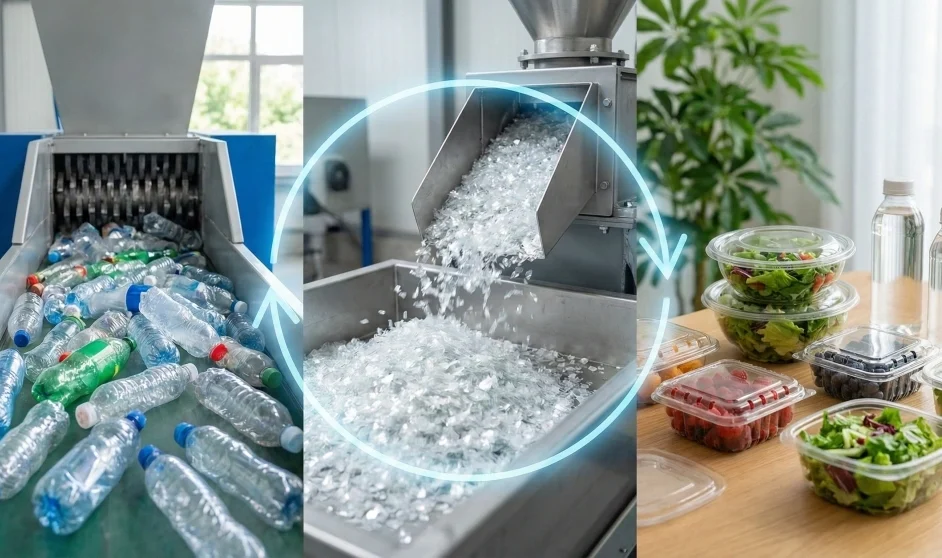
Recycled Polyethylene Terephthalate (rPET) offers the same clarity and barrier benefits as virgin PET but with a significantly lower carbon footprint, making it a key component of a modern food container bulk strategy.
As regulations regarding single-use plastics tighten in Europe and North America, shifting your procurement toward rPET allows you to stay compliant while meeting the growing demand for circular economy solutions. Because it is chemically identical to virgin PET, it does not require changes to your clients’ existing storage or display systems.
Benefits of Integrating rPET into Your Inventory
- Reduces plastic waste by repurposing post-consumer materials into new food-grade packaging.
- Aligns with corporate social responsibility goals and attracts eco-conscious distributors.
- Meets strict EU and FDA food contact safety requirements through advanced decontamination processes.
You should know.
Sustainability and Performance Metrics
| Metric | Virgin PET | rPET (Recycled) |
| Energy Use | 100% | ~20% – 30% |
| Carbon Footprint | High | Low |
| Visual Appearance | Clear | Clear (with slight tinting) |
Using rPET helps your business transition toward a more sustainable model without sacrificing the functional benefits of traditional plastic.
Key Takeaway: rPET provides a high-performance, eco-friendly alternative that prepares your business for future plastic regulations and consumer shifts.
When Should You Opt for Paper-Based Solutions Instead of Plastic?
Paper containers and boxes are the preferred choice for dry foods, bakery items, and brand-heavy packaging where biodegradability and a natural aesthetic are more valued than moisture resistance.
Integrating paper options into your food container bulk inventory allows you to serve the fast-growing segment of the market that actively avoids plastic. While paper requires coatings like PLA or PE to handle moisture, it provides a unique tactile experience and a larger surface area for high-quality custom printing.
Strategic Uses for Paper Packaging
- Eco-friendly branding is easier to achieve with kraft paper, which signals sustainability to the end-user.
- Breathability in paper boxes prevents fried foods like fries or chicken from becoming soggy.
- Compostable options are available when using plant-based coatings instead of traditional plastic linings.
Let’s be honest.
Paper vs Plastic Comparison
| Feature | Paper Containers | Plastic Containers |
| Branding Surface | High (Full Printing) | Low (Labeling/Embossing) |
| Moisture Resistance | Moderate (with coating) | Excellent |
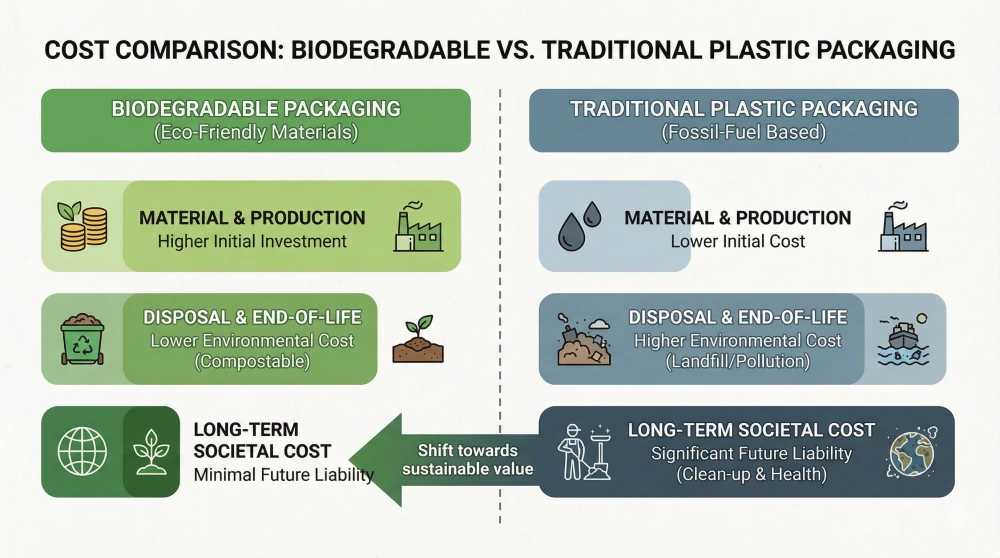
| End of Life | Biodegradable/Recyclable | Recyclable |
Paper packaging is a powerful tool for brands that want to differentiate themselves through an organic look and feel while reducing their reliance on fossil-fuel-based materials.
Key Takeaway: Paper is the best choice for dry or breathable food applications and for businesses focusing on a “plastic-free” brand identity.
Securing a reliable supply of these materials is only one part of a successful food container bulk procurement strategy. Reliancepak offers the manufacturing stability of 9 production lines and the professional service needed to navigate international food-grade certifications. Whether you need the heat resistance of PP or the sustainability of rPET, we provide the technical expertise to ensure your packaging supports your business growth. We believe that the right material choice is the foundation of a safe, efficient, and profitable food service operation.
FAQ
Can I microwave PET containers safely?
No. PET is not designed for high-heat environments and will deform or melt at temperatures above 70°C, so you should only use PP for microwaveable food.
Is rPET safe for direct food contact?
Yes. rPET undergoes advanced cleaning and decontamination processes to meet FDA and EU food-grade standards, ensuring it is as safe as virgin plastic for food packaging.
Does PP packaging leak chemicals when heated?
No. Food-grade PP is specifically engineered for high-temperature stability and does not release harmful chemicals like BPA when used within its intended temperature range.
Can paper containers handle liquid foods like soup?
Yes, but only if they have a moisture-resistant lining such as PE or PLA, though plastic containers still offer a more secure seal for long-term liquid storage.
Is there a price difference between virgin PET and rPET?
Yes. Because of the collection and processing costs involved in recycling, rPET can sometimes be slightly more expensive than virgin PET, though prices fluctuate with market demand.