
For businesses in the food industry, selecting the appropriate packaging is a critical decision that impacts product integrity, brand perception, and consumer satisfaction. It’s more than just a container; it’s a protective shield, a marketing tool, and a reflection of your brand’s values. This comprehensive guide will walk B2B clients through the essential factors to consider when choosing food packaging, ensuring your products reach consumers safely and attractively.
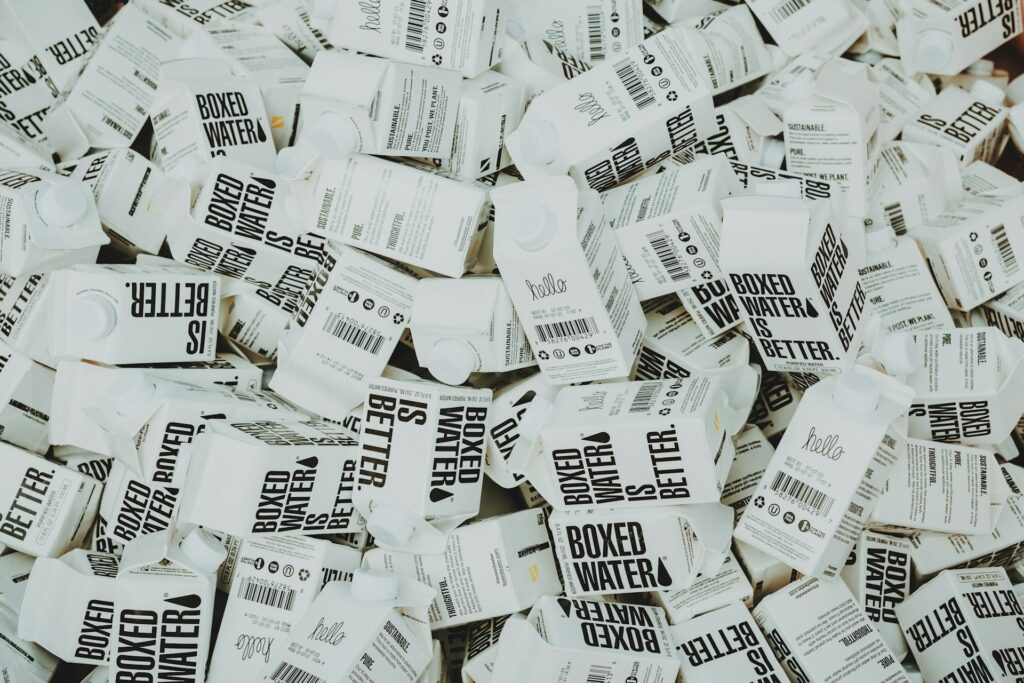
Understanding Your Product: The Foundation of Packaging Choice
The journey to the perfect food packaging begins with a deep understanding of the product itself. Different foods have unique requirements that dictate the type of packaging needed. Consider the following aspects of your food item:
- Food Type and State: Is it solid, liquid, semi-liquid, or gaseous? Does it contain oil, acid, or alcohol?
- Shelf Life Requirements: How long does the product need to stay fresh? Does it require hermetic sealing or modified atmosphere packaging?
- Temperature Sensitivity: Will the food be hot, cold, frozen, or require heating in the package? This directly influences material choice.
- Fragility: Is the product delicate and prone to damage, requiring extra cushioning or rigid protection?
Understanding these characteristics ensures the packaging provides optimal protection and preserves quality from production to consumption.
Key Factors in Food Packaging Selection
Choosing the right food packaging involves balancing multiple considerations. Each factor plays a vital role in the overall success of your product in the market.
Material Properties and Compatibility
The material of your food packaging is paramount. It must be compatible with the food it contains, preventing chemical migration and maintaining sensory qualities. Common materials include plastics, paper, cardboard, and sometimes aluminum.
- Barrier Properties: The packaging must protect against moisture, oxygen, light, and contaminants to extend shelf life and maintain freshness.
- Temperature Resistance: For hot foods, microwaveable options are essential. For frozen goods, materials must withstand extreme cold without becoming brittle.
- Durability: Packaging needs to endure handling, transportation, and storage without tearing, leaking, or breaking.
- Chemical Inertness: The material should not react with the food, altering its taste, smell, or safety.
Safety and Regulatory Compliance
Food safety is non-negotiable. All food packaging must comply with stringent international and local regulations to ensure it is safe for direct food contact. This includes adhering to standards set by bodies like the FDA (Food and Drug Administration) in the United States and the EU (European Union).
- Food-Grade Certification: Always verify that your packaging supplier provides products with recognized food-grade certifications. These certifications confirm that materials meet safety standards for food contact.
- Migration Testing: Ensure packaging materials do not leach harmful substances into the food, especially under varying temperature conditions.
- Hygiene Standards: Packaging production facilities should maintain high hygiene standards to prevent contamination.
Sustainability and Environmental Impact
Consumer demand for sustainable options is rapidly growing. Businesses are increasingly expected to adopt eco-friendly practices, and packaging is a significant part of this. Choosing sustainable packaging can enhance your brand image and appeal to a broader customer base.
- Recyclability: Opt for materials that can be easily recycled in common waste streams.
- Compostability/Biodegradability: For certain applications, compostable or biodegradable packaging offers an end-of-life solution that reduces landfill waste.
- Recycled Content: Packaging made from post-consumer recycled (PCR) materials reduces the demand for virgin resources.
- Reduced Material Usage: Innovative designs that minimize material use without compromising protection contribute to sustainability.
Branding and Aesthetic Appeal
Packaging is a powerful marketing tool. It’s your brand’s billboard on the shelf, influencing consumer perception and purchase intent. A visually appealing and well-branded package can differentiate your product in a crowded market.
- Design and Graphics: High-quality printing, attractive colors, and clear branding elements capture attention.
- Shape and Form: Unique shapes or ergonomic designs can make a product memorable and easy to use.
- Information Display: Clearly presented product information, including branding, ingredients, and usage instructions, builds trust.
- Customization: The ability to customize packaging allows businesses to create a unique brand identity that resonates with their target audience.
Cost-Effectiveness and Efficiency
While quality and appeal are crucial, cost-effectiveness remains a practical consideration for B2B buyers. The goal is to find packaging that meets all requirements without exceeding budget constraints.
- Material Cost: Different materials have varying price points. Evaluate the cost-benefit of premium versus standard options.
- Production Efficiency: Consider how easily the packaging integrates into your existing filling and sealing processes.
- Transportation Costs: Lighter or more compact packaging can reduce shipping expenses.
- Waste Reduction: Efficient packaging designs can minimize waste during production and consumption, leading to cost savings.
Comparing Common Food Packaging Materials
To aid in your decision-making, here’s a comparison of common disposable food packaging materials:
| Material Type | Key Advantages | Key Considerations | Best For |
|---|---|---|---|
| Plastic (e.g., PET, PP) | Lightweight, durable, excellent barrier properties, transparent, versatile, often recyclable. | Environmental concerns if not recycled, perception issues. | Ready-to-eat meals, salads, desserts, cold beverages, deli items. |
| Paper/Cardboard | Renewable resource, often recyclable/compostable, customizable printing, good for branding. | Less moisture/grease resistant without coatings, can be less durable. | Dry goods, baked goods, takeout boxes, burger boxes, hot beverages (with lining). |
| Bagasse (Sugarcane) | 100% compostable, renewable, microwave/freezer safe, grease/water resistant. | Can be more expensive, limited availability compared to plastic/paper. | Hot/cold meals, plates, bowls, clamshell containers. |
| Aluminum Foil | Excellent barrier to light, moisture, oxygen; heat resistant, recyclable. | Not microwaveable, can be easily dented. | Takeaway meals, baked dishes, food storage, catering trays. |
Reliancepak: Your Trusted Partner for Food Packaging Solutions
At Reliancepak, we understand the complexities of choosing the right food packaging. As a leading trading company and factory with nine production lines, we offer a vast selection of disposable food containers, plastic packaging trays, paper boxes, paper bags, plastic cups, and paper cups. Our commitment to professional customization allows you to create packaging that perfectly aligns with your brand identity and product needs.
We pride ourselves on fast delivery and providing environmentally friendly materials options, ensuring you meet both your business goals and sustainability objectives. All our food contact products come with essential Food Grade Certifications (EU, FDA), guaranteeing safety and compliance. Partner with Reliancepak for a one-stop purchase solution that elevates your brand and protects your products.
Frequently Asked Questions (FAQs)
Q1: What are the most important factors when choosing food packaging?
A1: The most important factors include product compatibility, safety and regulatory compliance, sustainability, branding, and cost-effectiveness.
Q2: How can I ensure my food packaging is safe?
A2: Always choose packaging materials with recognized food-grade certifications (e.g., FDA, EU) and ensure your supplier adheres to strict hygiene standards.
Q3: Is sustainable food packaging more expensive?
A3: While some sustainable options may have a higher initial cost, the long-term benefits of enhanced brand image, consumer appeal, and potential waste reduction often outweigh the difference.
Q4: Can Reliancepak provide custom designs for food packaging?
A4: Yes, Reliancepak specializes in professional customization, offering tailored designs to help businesses create unique and effective food packaging solutions.
Q5: What types of food packaging does Reliancepak offer?
A5: Reliancepak offers a wide range of disposable food packaging, including plastic packaging trays, disposable food containers, paper boxes, paper bags, plastic cups, and paper cups.