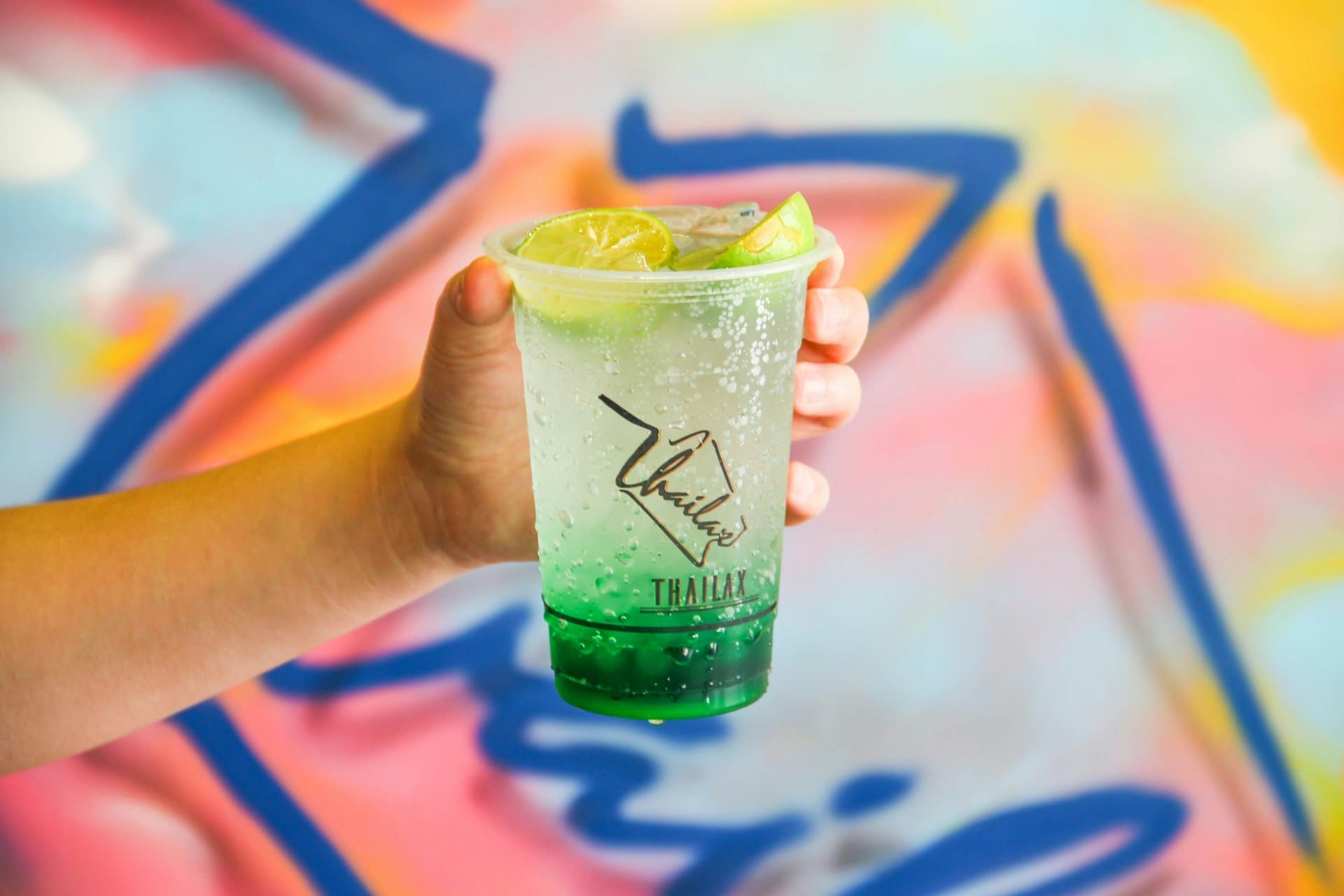
Selecting the best printing method for your custom plastic cups depends on factors like material, design complexity, order volume, and budget. Understanding common techniques like offset, screen, digital, and flexographic printing will help you make an informed decision for your brand.
For custom plastic cups, common printing technologies include Offset (for high-volume, detailed graphics on specific cup types), Screen Printing (versatile for vibrant, opaque colors on various plastics), Digital Printing (ideal for short runs, variable data, and photographic quality), and Flexographic Printing (cost-effective for large wholesale orders with simpler designs). Each method offers distinct advantages in terms of cost, design fidelity, and turnaround time, making the choice dependent on your specific brand and project requirements.
Ever wondered how your favorite coffee shop’s logo gets perfectly placed on their plastic cups, or how those intricate designs appear on event drinkware? It’s not magic, but rather a science rooted in various printing technologies. When you’re looking to buy custom printed plastic cups wholesale, understanding these methods is key to achieving the look and feel you envision for your brand. Let’s explore the options.
Why Does Printing Technology Matter for Your Custom Cups?
When you’re sourcing custom printed plastic cups wholesale, the print quality directly reflects on your brand’s image. A crisp logo, vibrant colors, and durable print can elevate a simple cup into a powerful marketing tool. Conversely, a poor print can detract from your brand’s professionalism. The technology used dictates the design possibilities, color accuracy, print durability, and ultimately, the cost per unit.
What Are the Main Printing Technologies for Plastic Cups?
There are several established methods for printing on plastic cups, each with its unique strengths and ideal applications.
1. Offset Printing (Dry Offset)
What is it? Often called “dry offset” for cups, this method uses a printing plate to transfer an image onto an intermediate rubber blanket, which then rolls the image onto the cup. It’s similar to how newspapers are printed, but adapted for curved surfaces.
Why choose it?
- High Resolution: Capable of producing very detailed images and fine text.
- Speed: Excellent for extremely large production runs, making it very cost-effective for custom printed plastic cups wholesale in high volumes.
- Full-Color Capability: Can achieve complex multi-color designs, often with good registration.
Considerations:
- Typically limited to certain cup materials (like polypropylene or polystyrene).
- Setup costs can be higher, making it less suitable for small orders.
- Design changes can be more complex once plates are made.
2. Screen Printing
What is it? Screen printing involves pushing ink through a fine mesh screen (stencil) onto the cup. Areas where ink should not go are blocked on the screen. Each color requires a separate screen.
Why choose it?
- Vibrant, Opaque Colors: Produces thick, rich colors that stand out, even on dark cups.
- Durability: The ink layer tends to be thicker, offering good scratch resistance.
- Versatility: Works well on a wide range of plastic types and cup shapes.
- Cost-Effective for Medium Runs: Good balance between setup cost and per-unit cost for medium-sized wholesale orders.
Considerations:
- Limited to a fewer number of colors per design compared to offset or digital.
- Intricate details or gradients can be challenging to achieve effectively.
- Slower than offset for extremely high volumes.
3. Digital Printing
What is it? As the name suggests, digital printing involves directly printing a digital image from a computer file onto the cup. There are no plates or screens involved.
Why choose it?
- Short Runs & Variable Data: Perfect for smaller orders or when you need unique information (like sequential numbering or individual names) on each cup.
- Photographic Quality: Can reproduce complex images, gradients, and full-color photographs with excellent detail.
- Quick Turnaround: Minimal setup time means faster production.
- Flexibility: Easy to make design changes without incurring high plate costs.
Considerations:
- Generally higher cost per cup for very large wholesale quantities compared to offset or flexo.
- Ink durability might vary depending on the specific digital printer and ink type used.
4. Flexographic Printing (Flexo)
What is it? Flexo printing uses flexible relief plates, usually made of photopolymer. The plate is mounted on a spinning cylinder and picks up ink, transferring it directly to the cup surface.
Why choose it?
- High Speed & Volume: Excellent for very large runs of custom printed plastic cups wholesale, often comparable to dry offset in efficiency.
- Cost-Effective: Lower plate costs than offset for many applications, making it economical for large quantities.
- Wide Range of Substrates: Can print on various flexible plastic films and cup materials.
Considerations:
- Less capable of ultra-fine detail compared to offset or digital.
- Color registration can be more challenging for very complex multi-color designs.
- Best suited for simpler, bolder designs.
How to Choose the Right Method for Your Wholesale Order
When you’re ready to place an order for custom printed plastic cups wholesale, consider these factors:
- Design Complexity: Does your logo have fine details, gradients, or is it photographic? Digital or offset might be best. Is it a bold, few-color design? Screen or flexo could work.
- Order Volume: For thousands or millions of cups, offset or flexo excel. For hundreds or a few thousand, digital or screen printing are likely more economical.
- Budget: Setup costs and per-unit costs vary significantly. Digital has low setup but higher per-unit for large volumes. Offset/Flexo have higher setup but lower per-unit for mass production.
- Material: Some printing methods are better suited for specific plastic types (e.g., PP, PET, PS). Your supplier can guide you here.
- Durability Needs: How much wear and tear will the print endure? Screen printing offers a robust ink layer.
- Turnaround Time: Do you need them quickly? Digital printing often has the fastest turnaround.
Conclusion
Understanding the different printing technologies available for custom printed plastic cups wholesale empowers you to make an informed decision that perfectly aligns with your brand’s needs and budget. Whether you prioritize photo-quality details, vibrant opaque colors, lightning-fast production, or cost-efficiency for massive orders, there’s a printing method out there that’s right for you. Don’t hesitate to discuss your specific design and volume with your supplier; they can help guide you to the best solution.
FAQs
What is the cheapest way to print logos on plastic cups for large orders?
For very large wholesale orders, offset printing or flexographic printing typically offer the lowest per-unit cost due to their high-speed capabilities.
Can I get full-color photos printed on custom plastic cups?
Yes, digital printing is ideal for reproducing full-color photographs and complex gradients on plastic cups, and offset printing can also achieve high-quality full-color results for higher volumes.
Is screen printing durable on plastic cups?
Yes, screen printing is known for producing a thick, vibrant, and durable ink layer that is quite resistant to scratching and fading, making it a good choice for reusable cups.
What factors affect the price of custom printed plastic cups wholesale?
Key factors include the printing technology chosen, order volume, number of colors in the design, cup material, cup size, and any special finishes.
How long does it take to print custom plastic cups?
Lead times vary greatly depending on the printing method, order complexity, and current production schedules. Digital printing might be faster for small runs, while offset or flexo for large runs require more setup time but produce quickly once started.