In today’s environmentally conscious marketplace, the food service industry faces mounting pressure to adopt more sustainable packaging solutions. Biodegradable materials have emerged as a promising alternative to conventional plastic packaging, particularly for fresh foods like salads where packaging requirements are demanding yet environmental concerns are high. For procurement managers in restaurants, supermarkets, and catering operations, navigating the complex landscape of biodegradable salad packaging1 options requires balancing multiple factors including performance, cost, regulatory compliance, and genuine environmental benefit.
Biodegradable salad packaging encompasses a diverse range of materials designed to break down naturally after disposal, potentially reducing environmental impact compared to conventional plastics that may persist for hundreds of years. However, the term “biodegradable” covers materials with vastly different properties, decomposition timeframes, and environmental outcomes. Understanding these nuances is essential for making informed procurement decisions that align with both operational needs and sustainability goals.
This article examines the advantages and limitations of biodegradable materials for salad packaging applications, providing procurement professionals with practical insights to evaluate options against their specific requirements. We’ll explore the different types of biodegradable materials available, their performance characteristics in real-world conditions, cost considerations, and regulatory compliance issues. By understanding both the benefits and challenges of these materials, you can make more informed decisions about incorporating them into your packaging strategy.
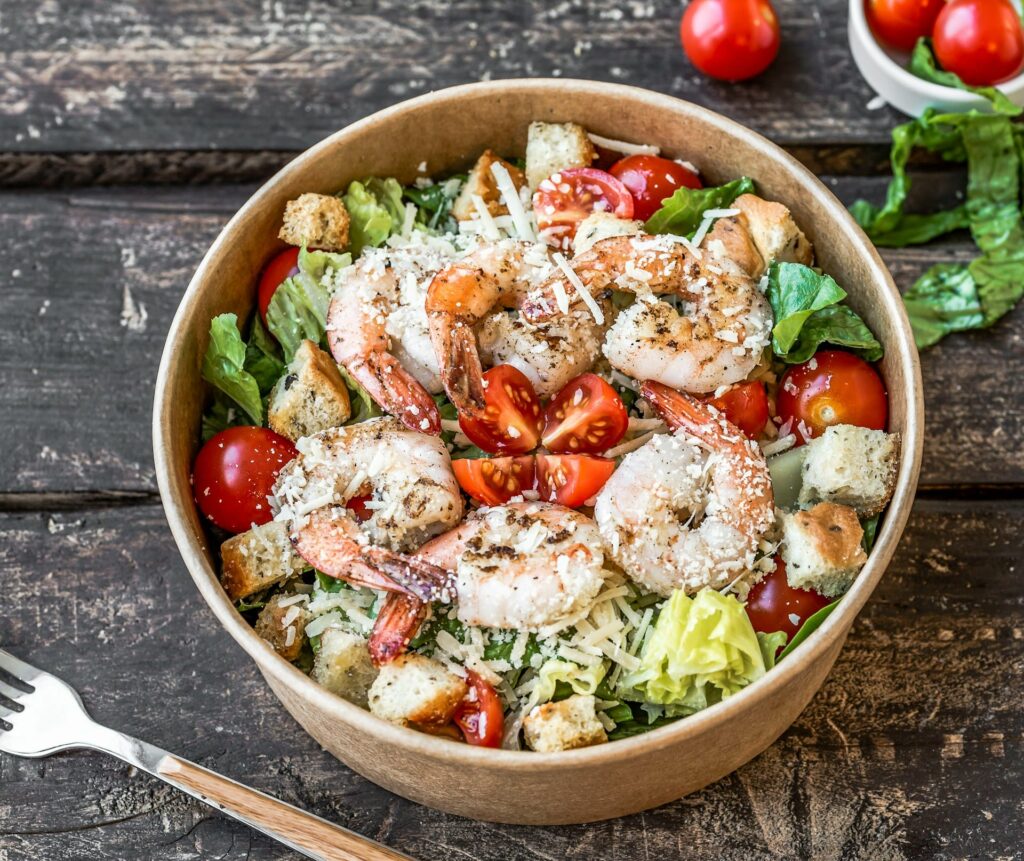
Understanding Biodegradable Materials for Food Packaging
Before evaluating specific advantages and disadvantages, it’s important to understand what “biodegradable” actually means in the context of salad packaging and the main material categories available.
Defining Biodegradability in Packaging Context
Biodegradability refers to a material’s ability to break down into natural elements through biological processes, typically involving microorganisms like bacteria and fungi. However, this broad definition encompasses significant variations in practice:
Biodegradation timeframes vary dramatically between materials and disposal environments. Some materials may biodegrade in weeks under ideal conditions, while others require months or even years. The biodegradation rate depends on multiple factors including material composition, thickness, temperature, moisture, and the presence of appropriate microorganisms. For salad packaging, which typically has a short use period but may face various disposal scenarios, understanding these timeframes is crucial for evaluating environmental claims.
Certification standards provide more specific definitions and testing protocols to verify biodegradability claims. In Europe, EN 13432 is the primary standard for compostable packaging, requiring complete biodegradation within 180 days under industrial composting conditions. The American standard ASTM D6400 establishes similar requirements. These standards ensure that materials not only break down but do so completely without leaving harmful residues. For procurement managers, looking for these certifications provides assurance that biodegradability claims have been independently verified.
Disposal environment significantly impacts actual biodegradation. Materials certified for industrial composting may not break down effectively in home composting systems, landfills, or marine environments due to differences in temperature, oxygen levels, and microbial activity. This distinction is critical when evaluating environmental benefits, as the theoretical biodegradability of a material may not translate to actual environmental advantages if appropriate disposal infrastructure isn’t available or utilized. For salad packaging, considering the likely end-of-life scenario in your specific market is essential for realistic environmental assessment.
Greenwashing concerns arise from vague or misleading biodegradability claims. Terms like “degradable,” “oxo-degradable,” or “biodegradable” without qualification may indicate materials that simply fragment into smaller plastic pieces rather than truly biodegrading into natural elements. These materials can potentially cause more environmental harm than conventional plastics by accelerating microplastic formation. For procurement professionals, scrutinizing vague claims and requesting specific certification documentation helps avoid inadvertently supporting greenwashing practices.
Major Categories of Biodegradable Materials
Several distinct material categories fall under the biodegradable umbrella, each with unique characteristics:
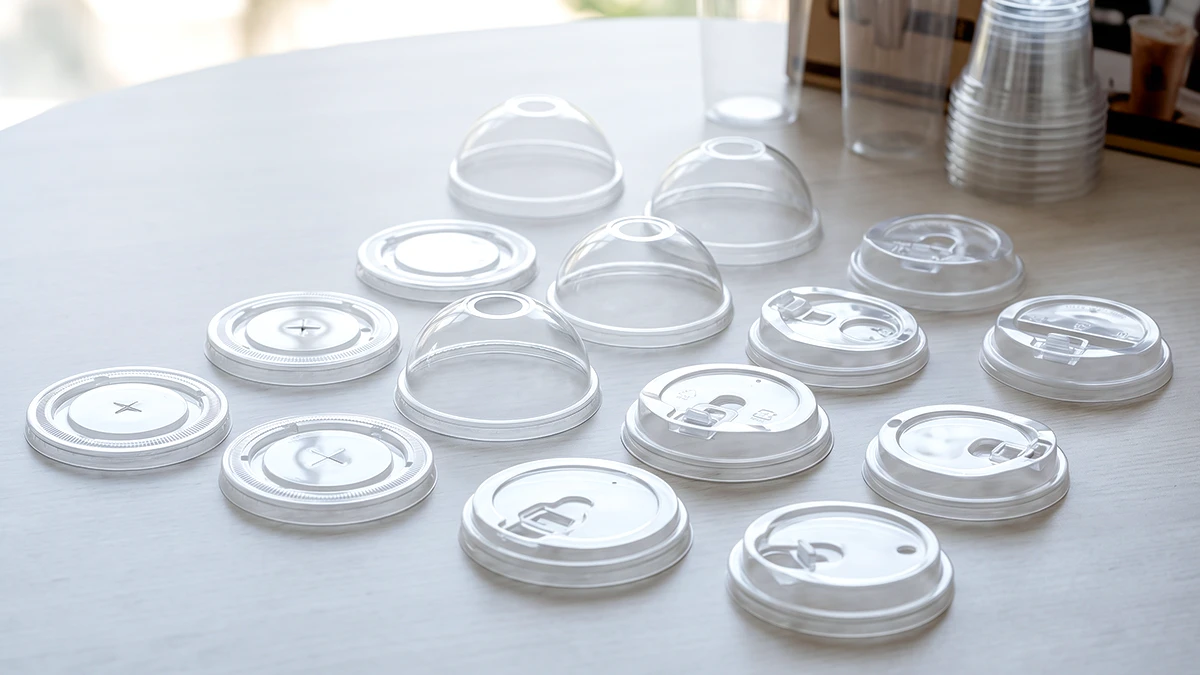
Bioplastics derived from renewable resources include materials like polylactic acid (PLA), which is typically produced from corn, sugarcane, or cassava starch. PLA resembles conventional clear plastic in appearance and performance, making it popular for salad containers and lids where product visibility is important. While PLA is biodegradable under industrial composting conditions, it generally requires these controlled environments to break down effectively and won’t biodegrade in home composting systems or landfills. For salad packaging applications requiring clarity and rigid structure, PLA offers a renewable alternative to PET, though with different end-of-life considerations.
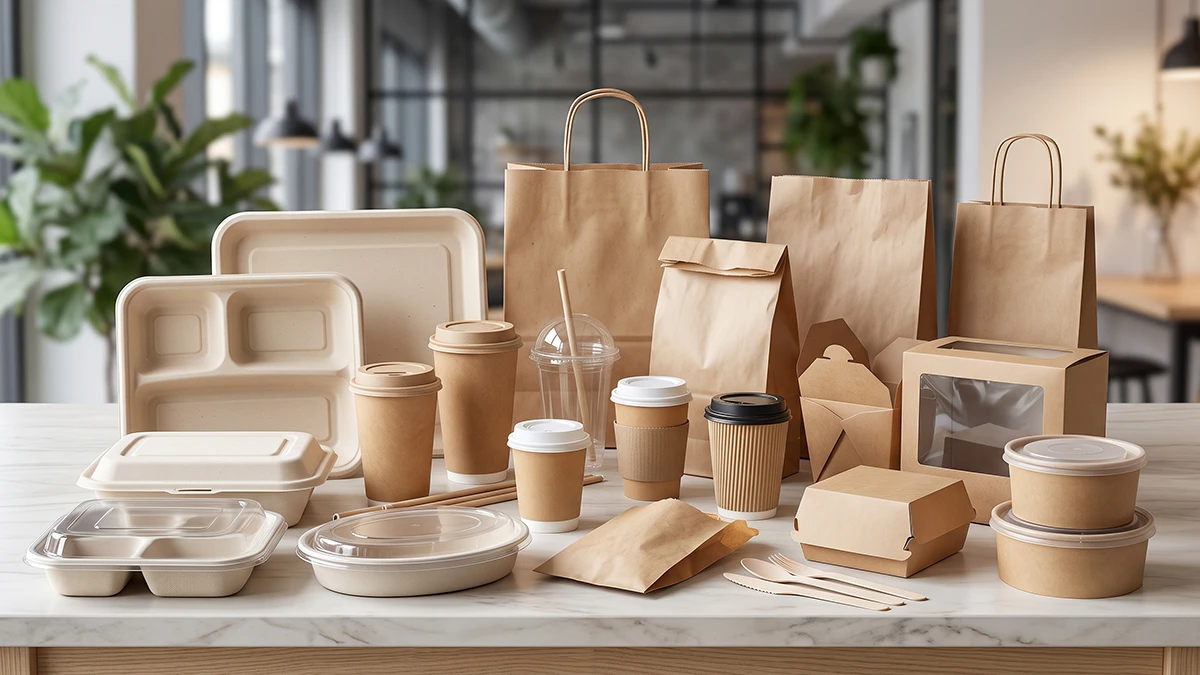
Cellulose-based materials2 derived from wood pulp or other plant fibers include molded pulp containers, paperboard with biodegradable coatings, and cellulose films. These materials leverage the inherent biodegradability of cellulose while incorporating additives or treatments to provide necessary moisture and grease resistance for salad applications. Molded pulp containers, for instance, can effectively replace plastic clamshells for many salad applications, though they typically don’t offer product visibility. For applications where opacity is acceptable, these materials often provide excellent environmental credentials, particularly when certified for home composting.
Starch-based compounds blend starch from sources like corn, potato, or wheat with other biodegradable polymers to create flexible or rigid packaging materials. These blends can be engineered for specific properties like moisture resistance or heat tolerance, making them versatile for various salad packaging applications. Starch-based materials typically biodegrade more readily than PLA, with some formulations suitable for home composting. For salad packaging requiring moderate moisture resistance and shorter shelf life, starch-based materials can offer good performance with favorable end-of-life characteristics.
Polyhydroxyalkanoates (PHAs) are biopolymers produced by bacterial fermentation of sugars or lipids. Unlike many other bioplastics, certain PHA formulations can biodegrade in marine environments and soil in addition to composting facilities, potentially offering broader end-of-life advantages. However, PHAs are currently more expensive and less widely available than other biodegradable options. For premium salad products where environmental credentials are paramount, PHAs represent an emerging option with promising environmental characteristics, though often at higher cost points.
The following table summarizes key characteristics of these biodegradable material categories for salad packaging applications:
| Material Category | Typical Applications | Biodegradation Environment | Moisture Resistance | Transparency | Relative Cost |
|---|---|---|---|---|---|
| PLA (Polylactic Acid) | Containers, lids, films | Industrial composting only | Moderate | High | Medium |
| Molded Pulp | Bowls, clamshells | Industrial & home composting | Low-Moderate | None | Low-Medium |
| Coated Paper/Board | Bowls, boxes, wraps | Varies by coating | Moderate | None | Medium |
| Starch-based Compounds | Trays, films | Industrial & sometimes home composting | Low-Moderate | Low-Moderate | Medium |
| PHA (Polyhydroxyalkanoates) | Containers, films | Multiple environments including marine | Moderate-High | Moderate | High |
| Cellulose Films | Wraps, windows | Industrial & sometimes home composting | Low-Moderate | Moderate-High | Medium-High |
The above data is for reference only.
Performance Advantages of Biodegradable Salad Packaging
Biodegradable materials offer several potential benefits for salad packaging applications beyond their environmental credentials.
Functional Benefits for Food Preservation
Certain biodegradable materials provide performance advantages that benefit food quality and safety:
Breathability characteristics of many biodegradable materials can help manage moisture and extend the shelf life of fresh salads. Unlike conventional plastic packaging, which can trap moisture and accelerate wilting, materials like micro-perforated PLA films or certain cellulose-based containers allow controlled moisture exchange. This breathability can help prevent condensation buildup while still providing sufficient barrier properties to maintain freshness. For salads with high moisture content vegetables like cucumbers or tomatoes, this balanced breathability can contribute to longer shelf life and better product quality.
Natural antimicrobial properties exist in some biodegradable packaging materials, particularly those incorporating certain plant extracts or natural compounds. Research has demonstrated that packaging containing compounds like essential oils or chitosan can help inhibit microbial growth and extend product freshness. While these technologies are still evolving, they represent a promising direction for biodegradable salad packaging that actively contributes to food preservation without synthetic preservatives. For premium salad products or those without preservatives, these natural antimicrobial properties could provide valuable quality benefits.
Temperature tolerance varies among biodegradable materials, with some offering advantages for specific applications. For example, certain PHA formulations maintain structural integrity across a wider temperature range than PLA, which can become brittle when refrigerated and deform at relatively low heat. This temperature stability can be particularly valuable for salad packaging that might experience temperature fluctuations during distribution or that might be briefly heated by consumers. For salad applications involving warm ingredients or microwave reheating, selecting biodegradable materials with appropriate temperature tolerance is essential for performance.
Customizable barrier properties can be engineered into many biodegradable packaging systems to meet specific requirements. By adjusting material formulations or combining different biodegradable layers, manufacturers can create packaging with tailored oxygen, moisture, or grease barrier properties. This customization allows biodegradable packaging to address the specific needs of different salad types, from delicate leafy greens requiring high oxygen transmission to dressed salads needing stronger grease resistance. For procurement managers, working with suppliers to understand these customization options can help identify biodegradable solutions that meet specific product requirements.
Consumer Experience Enhancements
Beyond functional performance, biodegradable materials can enhance the consumer experience in several ways:
Natural aesthetics of many biodegradable materials align well with fresh, healthy salad products. Materials like kraft paperboard, molded fiber, or bamboo-based containers convey naturalness and sustainability through their appearance and texture. This aesthetic alignment can enhance brand perception and product appeal, particularly for premium or organic salad offerings. For brands positioning themselves as natural or environmentally responsible, these visual and tactile qualities can reinforce brand values through the packaging experience.
Reduced plastic odor and taste transfer can be an advantage of certain biodegradable materials compared to conventional plastics. Some consumers report detecting plastic odors or flavors when food is packaged in conventional petroleum-based containers, particularly for delicate items like salads. Many biodegradable alternatives, especially those derived from natural fibers or certain biopolymers, are less likely to impart these unwanted sensory characteristics. For salads with subtle flavors or premium positioning, this sensory neutrality can preserve the intended taste experience.
Compostable disposal convenience appeals to environmentally conscious consumers who already compost food waste. When both the salad packaging and any food residue can be composted together, this simplifies disposal and enhances the sustainability experience. This convenience factor can be particularly appealing in markets with well-established commercial composting infrastructure or for consumers who maintain home composting systems. For salad products targeted at environmentally engaged consumers, this disposal convenience can become a meaningful differentiator and loyalty driver.
Tactile differences between biodegradable materials and conventional plastics can create distinctive and premium user experiences. The natural texture of molded fiber containers or the substantial feel of thick paperboard can convey quality and care compared to lightweight conventional plastics. These tactile qualities can enhance perceived value, particularly important for premium salad offerings where packaging contributes significantly to overall product experience. For salads positioned in the premium segment, these experiential qualities can justify price premiums while reinforcing brand positioning.
Marketing and Brand Value Propositions
Biodegradable packaging can deliver significant marketing and brand benefits:
Sustainability credentials provide tangible evidence of environmental commitment that resonates with increasingly eco-conscious consumers. Certified biodegradable packaging allows brands to make specific, verifiable environmental claims rather than general sustainability statements. These credentials can be particularly valuable for salad products already positioned as natural, organic, or environmentally responsible, creating consistency between product and packaging values. For brands targeting environmentally concerned demographics, these credentials can significantly influence purchasing decisions and build brand loyalty.
Differentiation opportunities exist in markets where conventional plastic packaging still dominates. Early adopters of biodegradable salad packaging can establish leadership positions and capture attention from both consumers and retail partners looking to enhance their environmental profiles. This differentiation can be particularly valuable in crowded salad categories where product distinctions may otherwise be subtle. For brands seeking to stand out in competitive markets, biodegradable packaging innovation can create meaningful separation from competitors.
Storytelling potential around biodegradable materials can enrich brand narratives and consumer connections. Materials derived from agricultural byproducts, innovative production processes, or local sourcing initiatives provide compelling content for packaging, websites, social media, and point-of-sale materials. These stories can transform packaging from a functional necessity to a meaningful component of brand identity. For salad brands seeking deeper consumer engagement, the journey and attributes of biodegradable packaging materials can provide rich storytelling opportunities.
Alignment with corporate sustainability goals helps companies demonstrate progress toward environmental commitments. Many food service businesses have established packaging reduction or improvement targets, and biodegradable materials can contribute to these objectives with measurable results. This alignment creates internal value beyond consumer-facing benefits, potentially satisfying stakeholder expectations and sustainability reporting requirements. For businesses with formal sustainability programs, biodegradable salad packaging can represent a visible and quantifiable contribution to broader environmental goals.
Performance Limitations and Challenges
Despite their advantages, biodegradable materials present several challenges that must be carefully considered.
Functional Limitations
Several performance constraints can affect the suitability of biodegradable materials for specific salad applications:
Moisture sensitivity affects many biodegradable materials more significantly than conventional plastics. Materials like uncoated paper or certain starch-based polymers can lose structural integrity when exposed to moisture for extended periods. This sensitivity can be problematic for salads with high water content or dressed salads that release moisture during storage. While barrier coatings can improve moisture resistance, these additions sometimes complicate the biodegradability of the overall package. For salads requiring longer shelf life or containing wet ingredients, careful evaluation of moisture resistance is essential when considering biodegradable options.
Oxygen barrier limitations of many biodegradable materials can accelerate oxidation and reduce shelf life for some salad components. While this breathability can be beneficial for fresh greens, it may cause quality issues for ingredients susceptible to oxidation, like avocado or apple slices. Achieving the optimal balance between beneficial breathability and problematic oxygen transmission requires careful material selection and sometimes multi-layer approaches. For salads containing oxidation-sensitive ingredients, packaging systems may need to combine biodegradable materials with appropriate barrier properties or accept shorter shelf life.
Temperature range restrictions affect many biodegradable materials more severely than conventional plastics. PLA, for instance, becomes brittle at refrigeration temperatures and deforms at temperatures above about 55°C (131°F). These limitations can create challenges for salads that might experience temperature fluctuations during distribution or that might be briefly heated by consumers. While some biodegradable materials like certain PHA formulations offer better temperature stability, these alternatives are typically more expensive. For applications involving temperature variations, material selection must carefully consider the expected temperature range throughout the product lifecycle.
Sealing and closure challenges can arise with certain biodegradable materials that don’t heat-seal as effectively as conventional plastics. This can result in less reliable package integrity, potentially leading to contamination or reduced shelf life. Alternative closure methods like mechanical locks, adhesives, or ultrasonic sealing may be required, sometimes adding complexity or cost to the packaging system. For salad packaging requiring hermetic seals or tamper evidence, these closure limitations may necessitate hybrid approaches or careful selection from the more limited range of biodegradable materials with good sealing properties.
Cost and Availability Considerations
Economic factors often present significant barriers to biodegradable packaging adoption:
Price premiums for biodegradable materials remain substantial compared to conventional plastics, though the gap has narrowed for some materials. Depending on the specific material and application, biodegradable alternatives may cost 20-100% more than their conventional counterparts. These premiums reflect smaller production scales, more complex processing requirements, and higher raw material costs. For salad products in highly price-competitive segments, these premiums can present significant challenges to adoption without corresponding price increases or margin reductions.
Supply chain limitations include fewer suppliers, longer lead times, and less flexibility in specifications compared to conventional materials. These limitations can create business continuity risks and complicate inventory management, particularly for businesses accustomed to the mature supply chains of conventional plastics. Regional availability varies significantly, with better options typically available in Europe and North America than in other regions. For businesses operating across multiple regions or requiring consistent packaging globally, these supply chain variations can complicate standardization efforts.
Minimum order quantities are often higher for biodegradable materials due to smaller production runs and supplier economics. These higher minimums can create inventory challenges for smaller businesses or those with diverse packaging needs across multiple products. While some distributors now aggregate demand to offer smaller quantities, this intermediation typically adds cost. For businesses with lower volume requirements or frequent specification changes, these minimum order quantities can create practical barriers to adoption even when budget is available.
Specification consistency can be more variable with biodegradable materials than with conventional plastics. Natural variations in agricultural feedstocks, evolving formulations, and smaller production scales can result in greater batch-to-batch variation in properties like color, texture, or performance. These variations can affect both functional performance and brand presentation. For salad products with strict presentation requirements or automated packaging processes sensitive to material variations, these consistency challenges may require more robust quality control processes or acceptance of greater variation.
The following table compares typical cost factors between conventional and biodegradable salad packaging options:
| Cost Factor | Conventional Plastic | Biodegradable Alternatives | Considerations |
|---|---|---|---|
| Material Cost | Baseline | +20-100% | Varies significantly by material type and volume |
| Tooling/Equipment | Standard | May require modifications | Existing equipment may need adjustments for different material properties |
| Minimum Order Quantities | Lower | Higher | Can create inventory challenges for smaller operations |
| Warehousing | Standard | May require special conditions | Some biodegradable materials have shorter shelf life or special storage requirements |
| Logistics | Optimized | Less optimized | Fewer suppliers may mean longer shipping distances |
| Shelf Life Impact | Minimal | Potentially significant | May reduce product shelf life, creating additional costs from waste |
| Consumer Price Tolerance | Established | Varies by market segment | Premium products can better absorb packaging cost increases |
The above data is for reference only.
End-of-Life Reality Challenges
The environmental benefits of biodegradable packaging depend heavily on proper disposal, which faces several practical challenges:
Infrastructure limitations for commercial composting remain significant in many regions. Even in environmentally progressive markets, access to industrial composting facilities that accept packaging (rather than just food waste) is often limited. Without appropriate collection and processing infrastructure, biodegradable packaging may end up in landfills where it cannot properly biodegrade due to lack of oxygen, or in recycling streams where it may contaminate conventional recycling. For businesses operating across diverse regions, these infrastructure variations complicate both packaging selection and accurate environmental claims.
Consumer confusion about proper disposal is widespread, with many consumers not understanding the difference between biodegradable, compostable, and recyclable materials. This confusion often leads to improper disposal, undermining the environmental benefits of biodegradable materials. Clear labeling can help, but space limitations and the complexity of disposal instructions present communication challenges. For salad packaging likely to be consumed on-the-go or in environments with limited disposal options, this consumer confusion can significantly reduce the realized environmental benefits of biodegradable materials.
Contamination of recycling streams can occur when biodegradable plastics like PLA are mistakenly placed in conventional plastic recycling. These materials are generally not compatible with existing recycling processes and can reduce the quality of recycled plastic or require costly sorting to remove. This contamination risk creates tension between individual product environmental benefits and broader system impacts. For businesses committed to holistic environmental responsibility, these system-level considerations may influence packaging decisions beyond the specific attributes of the package itself.
Actual biodegradation timeframes in real-world conditions often differ significantly from laboratory testing environments. Materials certified as biodegradable under specific conditions may persist much longer in actual disposal environments like landfills, soil, or marine environments. This gap between theoretical and actual biodegradation can undermine environmental claims and benefits. For businesses making specific environmental claims about their packaging, understanding these real-world limitations is essential for accurate and responsible communication.

Regulatory and Compliance Considerations
Navigating the regulatory landscape for biodegradable packaging requires understanding several key areas.
Certification Standards and Testing
Several established standards govern biodegradable packaging claims:
Industrial composting standards like EN 13432 (Europe) and ASTM D6400 (US) establish specific requirements for packaging marketed as compostable. These standards typically require that materials disintegrate within 12 weeks and biodegrade at least 90% within 180 days under industrial composting conditions, without leaving harmful residues or affecting compost quality. Certification to these standards typically involves third-party testing and verification, resulting in certification marks that can be displayed on packaging. For salad packaging marketed with compostability claims, these certifications provide essential verification and legal compliance.
Home composting certifications like the TÜV Austria “OK Compost HOME” establish more stringent requirements reflecting the lower temperatures and longer timeframes of home composting environments. Far fewer materials meet these standards compared to industrial composting certifications. For salad packaging likely to be disposed of in home composting systems, these specific certifications provide important differentiation from materials requiring industrial composting conditions.
Marine and soil biodegradation standards are emerging to address environments beyond composting facilities. Standards like ASTM D6691 for marine biodegradation and ASTM D5988 for soil biodegradation establish testing protocols for these environments, though few packaging materials currently meet these more challenging requirements. For brands making specific claims about biodegradation in natural environments, these emerging standards provide important verification protocols, though regulatory frameworks incorporating them are still developing.
Testing methodologies for biodegradability involve specific protocols simulating different disposal environments. These typically include measuring disintegration (physical breakdown), biodegradation (conversion to CO2, water, and biomass), ecotoxicity (impact on plants and organisms), and heavy metal content. Understanding these testing protocols helps procurement professionals evaluate the relevance of certifications to their specific applications and disposal scenarios. For salad packaging where specific environmental claims are important, familiarity with these testing methodologies helps ensure claims are substantiated by appropriate evidence.
Marketing Claim Regulations
Environmental marketing claims face increasing regulatory scrutiny:
Greenwashing prevention regulations are expanding globally, with enforcement actions against misleading environmental claims becoming more common. In the EU, the proposed Green Claims Directive would require environmental claims to be substantiated by scientific evidence and verified by accredited bodies. In the US, the Federal Trade Commission’s Green Guides provide standards for environmental marketing claims, including specific guidance on biodegradability claims. For salad packaging with environmental marketing claims, ensuring compliance with these evolving regulations is essential to avoid potential penalties and reputation damage.
Biodegradability claim requirements typically specify that unqualified “biodegradable” claims must be substantiated by evidence that the entire package will completely break down and return to nature within a reasonably short period after customary disposal. Claims must be qualified with information about the disposal environment required and timeframe expected. For salad packaging, this means that broad “biodegradable” claims without qualification are generally inappropriate; instead, specific claims like “industrially compostable according to EN 13432” provide necessary clarity and compliance.
Compostability labeling standards establish specific requirements for packaging marketed as compostable. These typically include certification to recognized standards and clear indication of whether industrial composting facilities are required. Some regions have established specific labeling requirements, such as the European requirement that compostable plastic bags be labeled with “Attention: Compostable only in industrial composting facilities.” For salad packaging with compostability claims, adhering to these specific labeling requirements ensures both regulatory compliance and appropriate consumer guidance.
Regional variations in marketing regulations create compliance challenges for businesses selling across multiple markets. What constitutes an acceptable environmental claim in one region may be considered misleading in another, requiring market-specific packaging or labeling. For international food service businesses, these variations necessitate either market-specific packaging approaches or conservative claims that meet the most stringent requirements across all markets served.
Food Contact Safety Regulations
Biodegradable materials must meet the same safety standards as conventional packaging:
Migration testing requirements apply to all food contact materials regardless of their environmental attributes. In the EU, Regulation (EC) No 1935/2004 establishes that materials in contact with food must not transfer components to food in quantities that could endanger human health, cause unacceptable changes in food composition, or deteriorate organoleptic properties. Similar requirements exist in other major markets. For biodegradable salad packaging, which may contain novel additives or compounds to achieve specific properties, comprehensive migration testing is essential to ensure food safety compliance.
Approved substance limitations restrict the components that can be used in food contact materials. In the EU, only authorized substances may be used in plastic food contact materials, including bioplastics. Similar positive lists exist in other major markets. For biodegradable salad packaging, ensuring that all components—including main polymers, additives, coatings, and processing aids—comply with relevant positive lists is essential for regulatory compliance. This can be particularly challenging for newer biodegradable materials with innovative formulations.
Documentation requirements include declarations of compliance and supporting technical documentation demonstrating conformity with applicable regulations. These typically include information on material composition, migration testing results, and conditions of use. For biodegradable salad packaging, maintaining comprehensive compliance documentation is essential for both regulatory purposes and customer assurance, particularly given the evolving nature of many biodegradable materials and their regulatory status.
Novel material evaluation pathways exist for innovative biodegradable materials not yet specifically regulated. In the EU, the European Food Safety Authority (EFSA) evaluates new substances for food contact use, while the FDA performs similar functions in the US. For suppliers developing innovative biodegradable salad packaging, understanding these evaluation pathways and their requirements is essential for bringing new materials to market with appropriate regulatory clearance.
Strategic Implementation Approaches
Successful integration of biodegradable packaging requires thoughtful strategy beyond simple material substitution.
Phased Transition Strategies
Most successful implementations follow staged approaches:
Pilot program development allows testing biodegradable packaging with limited risk before broader implementation. These programs typically focus on specific products, markets, or customer segments where environmental benefits are most valued and functional requirements are less demanding. Careful monitoring of both operational performance and customer response provides valuable insights to refine broader implementation plans. For salad packaging, pilot programs might target premium organic lines, specific retail partners with strong environmental commitments, or markets with well-developed composting infrastructure.
Application prioritization based on technical feasibility helps identify the “low-hanging fruit” for initial implementation. Applications with less demanding barrier requirements, shorter shelf life expectations, or less challenging distribution conditions typically present better initial opportunities for biodegradable materials. For salad packaging, this might mean starting with in-store prepared salads with rapid turnover before addressing more challenging applications like pre-packaged salads with longer distribution chains and shelf life requirements.
Hybrid solution development combines conventional and biodegradable materials to balance performance and environmental benefits. Examples include paperboard salad containers with thin conventional plastic liners (using less plastic overall) or conventional containers with biodegradable lids or films. These hybrid approaches can deliver meaningful environmental improvements while managing performance risks and cost impacts. For salad packaging with challenging performance requirements, these hybrid approaches often provide practical transition steps toward more comprehensive biodegradable solutions.
Continuous improvement frameworks establish processes for regularly evaluating new materials and technologies as they emerge. Rather than viewing biodegradable packaging implementation as a one-time project, successful programs establish ongoing evaluation cycles to incorporate advances in material performance, cost competitiveness, and certification standards. For salad packaging, where both biodegradable material options and product requirements continue to evolve, this continuous improvement approach ensures packaging solutions remain optimized over time.
Supplier Partnership Approaches
Collaborative relationships with suppliers can significantly enhance implementation success:
Joint development initiatives with packaging suppliers can create customized biodegradable solutions for specific salad applications. These collaborations typically involve sharing detailed product requirements, testing protocols, and performance feedback to refine material formulations or designs. While requiring greater resource investment than off-the-shelf solutions, these partnerships often yield better-performing products with competitive advantages. For salad packaging with unique requirements or brand-specific design elements, these collaborative development approaches can deliver superior results compared to standard offerings.
Long-term agreements that provide volume commitments in exchange for price stability and development resources can make biodegradable packaging more economically viable. These agreements help suppliers justify investment in production capacity and process optimization, ultimately reducing costs. They also provide businesses with greater price predictability for financial planning. For salad packaging programs requiring significant investment in tooling, design, or testing, these long-term agreements can create mutual benefits while managing financial risks.
Technical support access ensures that implementation challenges can be quickly addressed with expert assistance. Suppliers with strong technical capabilities can provide guidance on material selection, design optimization, processing parameters, and troubleshooting. This support is particularly valuable during initial implementation phases when internal expertise may be limited. For salad packaging applications pushing the performance boundaries of biodegradable materials, this technical support can mean the difference between successful implementation and costly setbacks.
Innovation pipeline visibility helps businesses plan future packaging developments with confidence. Suppliers with robust research and development programs can provide insights into upcoming material improvements, new certifications, or emerging technologies that might address current limitations. This visibility supports better long-term planning and helps businesses time their implementation phases to leverage emerging capabilities. For salad packaging strategies with multi-year horizons, this innovation pipeline visibility helps ensure that current decisions align with future opportunities.
Consumer Education and Communication
Effective communication maximizes the value of biodegradable packaging investments:
Clear disposal instructions using simple language and recognizable symbols help consumers properly dispose of biodegradable packaging. These instructions should specify whether the packaging requires industrial composting facilities or can be home composted, and should address both the packaging and any food residue. For salad packaging likely to be consumed in various settings, these instructions should acknowledge different disposal scenarios while prioritizing the preferred option. Effective instructions might include phrases like “Industrially compostable where facilities exist. Check local availability.”
Certification mark display provides visual verification of biodegradability claims and helps consumers identify appropriate disposal options. Recognized marks like the “Seedling” logo for EN 13432 certification or TÜV Austria’s “OK Compost” provide instant credibility and recognition. For salad packaging with limited space for detailed information, these certification marks efficiently communicate environmental attributes while supporting regulatory compliance for environmental claims.
Environmental benefit communication helps consumers understand the value of biodegradable packaging in terms meaningful to them. Rather than technical details about material composition, effective communication focuses on tangible benefits like reduced plastic pollution, lower carbon footprint (if verified), or compatibility with food waste composting. For salad packaging, connecting these benefits to broader environmental values like ocean protection or soil health can create more engaging and motivating messages than material-focused information.
Greenwashing avoidance requires careful, accurate communication that acknowledges both benefits and limitations of biodegradable packaging. Overstating environmental benefits or implying biodegradation in environments where it won’t occur can damage brand credibility and potentially violate regulations. For salad packaging, transparent communication about the specific environmental benefits provided—and the conditions required to realize them—builds trust while protecting against greenwashing accusations.

Case Studies: Successful Biodegradable Salad Packaging Implementation
Examining real-world examples provides valuable implementation insights.
Quick-Service Restaurant Chain Transition
A major quick-service restaurant successfully transitioned to biodegradable salad packaging through a systematic approach:
Needs assessment and prioritization began with a comprehensive evaluation of their salad packaging portfolio against both performance requirements and environmental impact. This assessment identified in-restaurant salads served for immediate consumption as the highest-priority opportunity, as these had less demanding shelf life requirements and controlled disposal environments. The company established a cross-functional team including operations, procurement, marketing, and sustainability functions to ensure all perspectives were considered in solution development.
Material selection process evaluated multiple biodegradable options against specific criteria including performance in high-moisture environments, temperature stability for cold storage, customer experience, operational handling, and cost impact. After testing several alternatives, the company selected a combination of molded fiber bases with PLA film lids, providing an optimal balance of performance, cost, and environmental benefit. This hybrid approach delivered significant plastic reduction while maintaining necessary functional properties.
Implementation challenges included operational adjustments to handle the different physical properties of the new packaging, particularly its lower puncture resistance compared to previous plastic containers. The company developed new handling guidelines and modified some preparation processes to accommodate these differences. They also encountered initial supply chain challenges with longer lead times and higher minimum orders, requiring adjustments to inventory management practices and more precise demand forecasting.
Results and learnings demonstrated both successes and opportunities for improvement. The company achieved a 70% reduction in conventional plastic use for their salad category and received positive customer feedback on the environmental initiative. However, they also discovered that actual composting rates were lower than anticipated due to limited customer access to appropriate facilities. This insight led to a second phase focused on consumer education and engagement with local waste management authorities to improve composting infrastructure access.
Premium Grocery Chain Private Label Program
A premium grocery retailer successfully implemented biodegradable packaging for their private label prepared salads:
Market positioning and consumer insights research revealed that their target consumers were highly environmentally conscious and willing to pay premium prices for sustainable options. The research also showed that these consumers were knowledgeable about proper disposal of compostable packaging and likely to have access to appropriate facilities. This consumer understanding helped justify the investment in biodegradable packaging and shaped the communication approach.
Technical requirements definition established specific performance criteria including moisture resistance for dressed salads, clarity for product visibility, shelf life compatibility, and seal integrity. The retailer worked with their salad suppliers to conduct shelf life testing with various biodegradable packaging options, ultimately identifying a high-performance PLA formulation with appropriate barrier properties for their specific product requirements.
Supply chain collaboration involved working closely with both packaging suppliers and salad producers to ensure compatibility with existing production equipment and processes. The retailer facilitated direct communication between these partners to address technical challenges and optimize the packaging for efficient production. They also established longer-term purchasing commitments to help suppliers justify dedicated production capacity for their requirements.
Consumer communication strategy focused on both environmental benefits and proper disposal guidance. The retailer developed clear on-package instructions with certification marks and disposal icons, supported by in-store signage and website information about composting. They also trained store personnel to answer customer questions about the packaging and its environmental attributes. This comprehensive communication approach helped maximize proper disposal and consumer appreciation of the environmental investment.
Reliancepak’s Biodegradable Salad Packaging Solutions
As a leading supplier of food packaging solutions, Reliancepak has developed extensive expertise in biodegradable options for salad applications:
Material innovation partnerships with biopolymer developers and research institutions have enabled Reliancepak to offer cutting-edge biodegradable solutions with superior performance characteristics. These partnerships provide early access to emerging materials and technologies, allowing Reliancepak to continuously enhance their biodegradable portfolio. For salad packaging customers, these innovation partnerships translate to packaging solutions that balance environmental benefits with the performance requirements of demanding food applications.
Customization capabilities allow Reliancepak to adapt biodegradable packaging designs to specific customer requirements. Rather than one-size-fits-all approaches, Reliancepak works with customers to understand their unique product characteristics, distribution conditions, shelf life requirements, and brand presentation needs. This collaborative approach results in optimized solutions that address both functional and marketing objectives. For salad producers with specific packaging challenges, this customization capability ensures biodegradable solutions that truly meet their needs rather than forcing compromises.
Compliance expertise helps customers navigate the complex regulatory landscape for both food contact safety and environmental claims. Reliancepak maintains comprehensive documentation for all their biodegradable materials, including certifications, migration testing results, and regulatory clearances across major markets. This expertise simplifies compliance for customers and reduces their regulatory risk. For salad producers selling across multiple markets, this compliance support is particularly valuable in managing the varying requirements they face.
Transition support services help customers successfully implement biodegradable packaging with minimal disruption. These services include production trials, staff training, consumer communication guidance, and ongoing technical support. Reliancepak’s experience across numerous biodegradable packaging implementations provides valuable insights that help customers avoid common pitfalls and optimize their transition process. For salad producers making their first foray into biodegradable packaging, this implementation support significantly reduces risk and accelerates successful adoption.
Future Outlook for Biodegradable Salad Packaging
Several trends are shaping the future landscape for biodegradable packaging in salad applications.
Emerging Material Innovations
Ongoing research and development is expanding the performance envelope of biodegradable materials:
Next-generation barrier technologies are addressing one of the primary limitations of current biodegradable materials. Innovations include biodegradable barrier coatings derived from seaweed extracts, mushroom chitosan, or specialized biopolymer blends that provide enhanced moisture and oxygen barrier properties while maintaining biodegradability. These advances are gradually closing the performance gap with conventional plastics for demanding applications. For salad packaging requiring extended shelf life or containing challenging ingredients, these emerging barrier technologies may soon enable biodegradable solutions for previously unsuitable applications.
Multi-environment biodegradable materials designed to break down in various disposal scenarios represent another promising direction. Unlike current materials that typically require specific composting conditions, these emerging materials can biodegrade effectively across multiple environments including home composting, soil, and even marine conditions. While still in relatively early commercial development, these materials could significantly expand the environmental benefits of biodegradable packaging by addressing the infrastructure limitations and disposal uncertainty that currently reduce real-world benefits.
Cost reduction pathways are emerging through several avenues including larger production scales, process optimizations, and alternative feedstocks. Some biopolymer producers are developing agricultural waste streams as feedstocks, potentially reducing both costs and environmental footprint compared to purpose-grown crops like corn. Production technology improvements are also gradually reducing conversion costs for many biodegradable materials. For salad packaging applications where cost premiums currently prevent adoption, these developments may create new opportunities in the coming years.
Hybrid material systems combining the strengths of different biodegradable components are creating performance profiles better suited to salad packaging requirements. These might include fiber-based structures with biopolymer coatings, multi-layer films combining different biopolymers with complementary properties, or composite materials incorporating natural fibers into biopolymer matrices. These hybrid approaches often deliver better performance than single-material solutions while maintaining biodegradability. For salad packaging with demanding requirements, these engineered systems represent a promising direction for future development.
Regulatory and Market Trends
External factors are increasingly favoring biodegradable packaging adoption:
Plastic reduction legislation is expanding globally, with measures ranging from outright bans on certain single-use items to taxes on conventional plastics or extended producer responsibility requirements. The European Single-Use Plastics Directive exemplifies this trend, creating both restrictions and financial incentives that favor alternative materials. For salad packaging, these regulatory pressures are gradually shifting the cost-benefit analysis for biodegradable materials by increasing the effective cost of conventional options through taxes or compliance requirements.
Composting infrastructure development is accelerating in many regions, gradually addressing one of the key limitations for biodegradable packaging. Government initiatives, private investments, and public-private partnerships are expanding both collection systems and processing capacity for organic waste including compostable packaging. While significant gaps remain, this infrastructure growth is improving the real-world environmental benefits of biodegradable packaging by increasing the likelihood of proper processing. For salad packaging, these developments enhance the credibility and impact of biodegradability as a sustainability strategy.
Corporate sustainability commitments are creating internal drivers for biodegradable packaging adoption independent of consumer demand or regulatory requirements. Many food service businesses have established specific targets for reducing conventional plastic use or increasing sustainable packaging, often with public timelines and reporting. These commitments create organizational momentum and investment that accelerate biodegradable packaging implementation. For salad packaging, which often represents a visible and significant portion of a food service business’s packaging footprint, these corporate commitments frequently prioritize biodegradable alternatives.
Consumer willingness to pay for sustainable packaging continues to evolve, with research showing increasing segments of consumers who consider packaging environmental impact in purchasing decisions. While price sensitivity varies significantly across market segments, the general trend shows growing acceptance of modest price premiums for demonstrably more sustainable options. For premium salad products in particular, biodegradable packaging can enhance perceived value and justify higher price points that offset increased packaging costs.
Strategic Recommendations for Procurement Managers
Based on current realities and emerging trends, several strategic approaches merit consideration:
Systematic evaluation frameworks help make objective decisions about where biodegradable packaging makes sense for specific salad applications. These frameworks typically consider factors including technical requirements, disposal infrastructure in target markets, cost sensitivity, brand positioning, and regulatory landscape. Rather than all-or-nothing approaches, these frameworks support nuanced decisions that might implement biodegradable packaging for some products or markets while maintaining conventional materials where biodegradable options aren’t yet viable. For salad packaging portfolios spanning different product types, price points, or markets, these frameworks help optimize both environmental and business outcomes.
Pilot-to-scale roadmaps establish clear pathways from initial testing to broader implementation. These roadmaps typically include defined evaluation criteria, decision gates, and scaling triggers that guide progressive expansion as confidence and experience grow. By establishing these structured approaches, businesses can manage risk while maintaining momentum toward sustainability goals. For salad packaging transitions, these roadmaps help balance innovation with operational stability and financial predictability.
Supplier diversity strategies reduce risk by developing relationships with multiple biodegradable packaging suppliers. Given the evolving nature of this market segment, maintaining options through qualified alternative suppliers provides both supply security and competitive leverage. This approach might include different suppliers for different packaging components or maintaining backup suppliers for critical items. For salad packaging programs dependent on specific biodegradable materials, this supplier diversity is particularly important given the less mature supply chains compared to conventional materials.
Continuous monitoring systems track both material innovations and external factors affecting biodegradable packaging viability. These systems typically include regular supplier innovation reviews, regulatory tracking services, and periodic reassessment of applications previously deemed unsuitable for biodegradable materials. By maintaining awareness of evolving options and conditions, businesses can identify new opportunities as they emerge rather than relying on outdated assessments. For salad packaging applications currently using conventional materials due to specific limitations of biodegradable alternatives, this monitoring ensures timely reconsideration when relevant innovations address those limitations.
Conclusion
Biodegradable materials offer both significant opportunities and notable challenges for salad packaging applications. While not a universal solution for all requirements, these materials can deliver meaningful environmental benefits when thoughtfully applied to appropriate applications with suitable disposal infrastructure. The advantages extend beyond environmental impact to include marketing benefits, consumer experience enhancements, and alignment with broader sustainability initiatives.
Successfully implementing biodegradable salad packaging requires balancing multiple considerations including performance requirements, cost implications, regulatory compliance, and authentic environmental benefit. Rather than simple material substitution, effective approaches typically involve systematic evaluation, phased implementation, supplier collaboration, and consumer education. By acknowledging both the potential and the limitations of current biodegradable options, businesses can make informed decisions that deliver genuine sustainability progress while maintaining essential functionality.
Looking forward, ongoing material innovations and evolving external factors are gradually expanding the viability of biodegradable packaging for more demanding salad applications. Procurement managers who establish systematic evaluation frameworks, develop supplier partnerships, and maintain awareness of emerging options will be well-positioned to optimize their packaging sustainability while managing business requirements. By taking a strategic, long-term approach to biodegradable packaging implementation, food service businesses can progressively reduce their environmental footprint while maintaining or enhancing their product quality and brand value.
Working with experienced partners like Reliancepak provides access to both current biodegradable packaging solutions and emerging innovations, supported by technical expertise and implementation support that can significantly enhance success rates. As both a developer and supplier of advanced biodegradable packaging systems, Reliancepak offers valuable partnership opportunities for food service businesses seeking to navigate the complex landscape of sustainable salad packaging options.