
When it comes to food storage, one question I get all the time is: Are plastic containers safe?
If you’re in the food business like me—whether you’re storing cakes, deli products, or takeaway meals—you can’t afford to get this wrong. At Reliancepak, we’ve spent years working with global clients to ensure every plastic container we offer meets the highest safety standards.
In this blog, I’ll break down the facts, address common myths, and help you make confident, informed decisions for your business.
What Makes a Plastic Container “Food Safe”?
Not all plastics are created equal. For a plastic container to be considered safe for food storage, it needs to meet regulatory standards and pass food-contact safety tests.
🧪 Key Certifications to Look For
| Certification | Region | What It Means |
|---|---|---|
| FDA | USA | Safe for direct food contact |
| EFSA | Europe | Complies with EU food safety laws |
| LFGB | Germany | Strict migration limits for food contact |
| QS or ISO22000 | Global | Good manufacturing practices and food safety systems |
If a supplier can’t provide test reports or compliance docs—walk away.
At Reliancepak, every plastic food container we manufacture comes with FDA or equivalent certifications, backed by migration testing and third-party lab reports.
Which Plastics Are Safe for Food Storage?
Some plastics are more suitable than others, especially for food use. Here’s a breakdown of the most common ones:
🔍 Table: Common Plastics Used for Food Containers
| Plastic Type | Code | Common Uses | Safe for Food? | Notes |
|---|---|---|---|---|
| PET (Polyethylene Terephthalate) | 1 | Cake boxes, salad bowls | ✅ Yes | High clarity, recyclable |
| HDPE (High-Density Polyethylene) | 2 | Milk jugs, bulk food storage | ✅ Yes | Durable, chemical-resistant |
| PP (Polypropylene) | 5 | Microwaveable trays, deli containers | ✅ Yes | Heat-resistant, BPA-free |
| PS (Polystyrene) | 6 | Clamshells, cutlery | ⚠️ With Caution | Can leach styrene under heat |
| PVC (Polyvinyl Chloride) | 3 | Rarely used in food now | ❌ No | Contains phthalates, not recommended |
Tip: Always check the recycling code at the bottom of the container if you’re unsure.
What About BPA—Is It Still a Concern?
You’ve probably heard of BPA (Bisphenol A). It’s a chemical used in some plastics, and concerns have been raised about its potential to leach into food.
So, is BPA dangerous?
The FDA states that BPA is safe at current exposure levels, but many brands and consumers still prefer BPA-free options, just to be safe.
That’s why, at Reliancepak, we only use BPA-free materials for all our food-contact plastic containers.
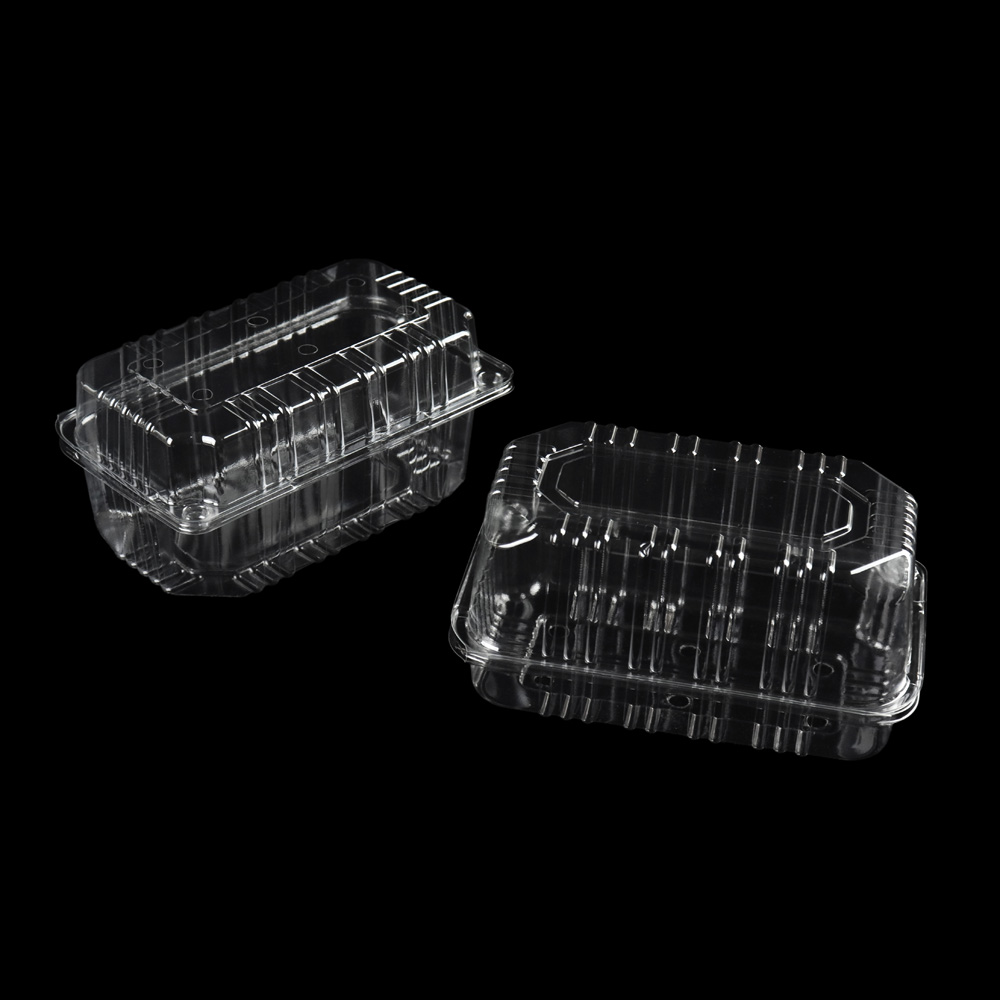
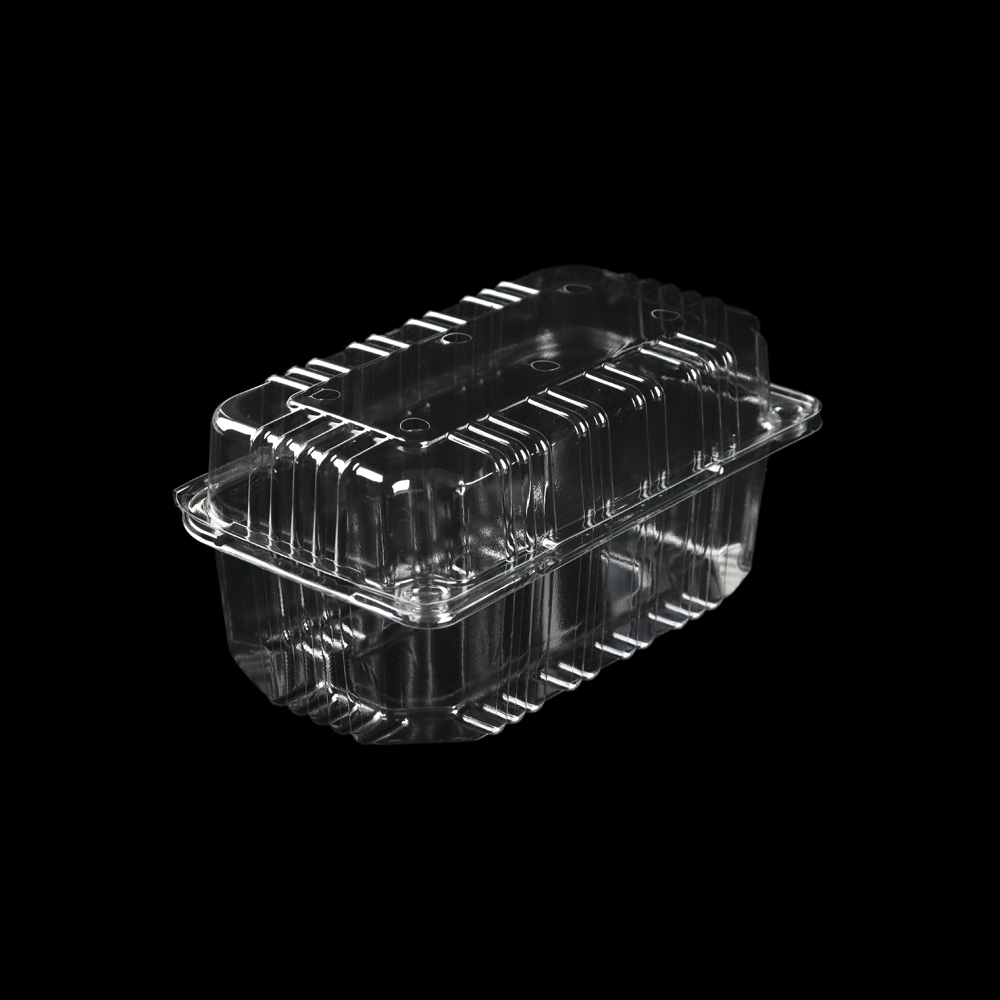
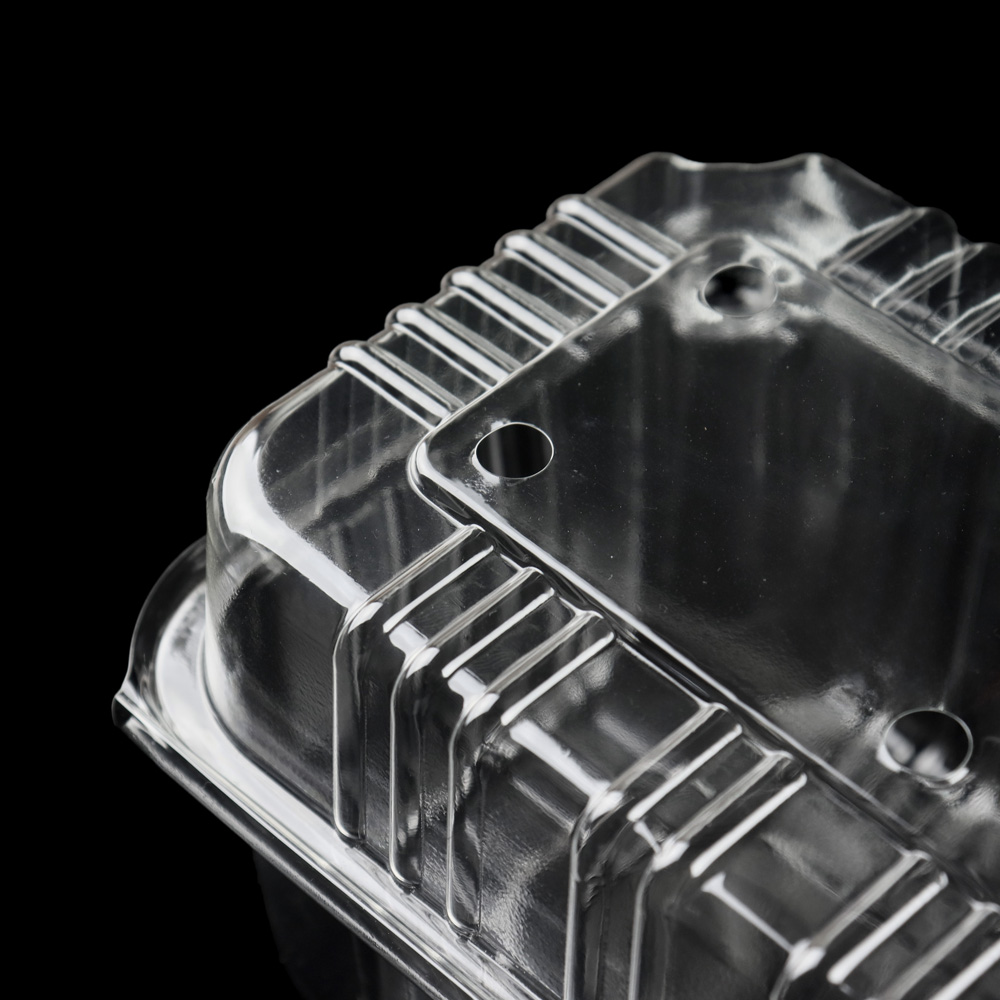
Can Plastic Containers Be Used for Hot Foods?
Good question—and the answer is: it depends on the material.
🌡️ Heat Tolerance Guide
| Plastic Type | Max Safe Temperature | Suitable for Hot Food? |
|---|---|---|
| PET | ~60°C / 140°F | ❌ No |
| PP | ~120°C / 248°F | ✅ Yes |
| PS | ~90°C / 194°F | ⚠️ Not ideal |
| HDPE | ~110°C / 230°F | ✅ Limited use |
If you’re dealing with microwavable meals or hot dishes, always choose PP containers. They won’t warp or release harmful chemicals at high temperatures.
How Do I Know If My Plastic Containers Are Safe?
Aside from certification, here are a few practical ways I check:
✅ Safety Checklist
- Does it come with food-grade certification (FDA, EFSA, etc.)?
- Is the material labeled (e.g., #1 for PET, #5 for PP)?
- Is it BPA-free?
- Can the supplier provide a migration test report?
- Has the product been used successfully by other food businesses?
At Reliancepak, we help clients through this entire vetting process. From custom sample runs to compliance documents, we take food safety seriously.
Can I Still Use Plastic and Be Eco-Friendly?
Absolutely—and this is where many people get it wrong. Not all plastic is bad. In fact, PET and PP containers are recyclable and have a lower carbon footprint[1] than many single-use paper alternatives when used correctly.
If your business values sustainability, look for:
- Recyclable plastic containers (clearly labeled)
- Suppliers who use post-consumer recycled (PCR) materials[2]
- Designs that use less material without compromising strength
Fun Fact: At Reliancepak, we’re actively developing ultra-light PET containers that maintain structure while reducing plastic usage by up to 30%.
Final Thoughts: So, Are Plastic Containers Safe?
Yes—plastic containers are safe for food storage, as long as you:
- Choose the right materials (like PET or PP)
- Avoid heat-sensitive plastics for hot food
- Work with certified, transparent suppliers
Food safety is non-negotiable, and the right packaging protects your product, your customers, and your brand reputation. So don’t cut corners.
If you’re looking for certified, custom-branded, and reliable plastic containers, my team at Reliancepak is here to help.
Let’s talk packaging. Contact us today for samples or product catalogs.
And if this blog helped clarify things, share it with someone in your industry—it might save them from a packaging disaster!
[1]: Discover how recyclable materials can significantly reduce your business’s carbon footprint and promote eco-friendliness.
[2]: Learn about PCR materials and how they contribute to sustainability efforts in packaging and manufacturing.