
In today’s competitive food service industry, packaging decisions impact far more than just presentation. For procurement managers and food business owners, the choice between plastic and paper salad containers carries significant implications for your bottom line, operational efficiency, and brand perception. While purchase price often dominates the conversation, truly savvy decision-makers understand that the real cost equation extends much further.
The plastic versus paper1 debate has intensified in recent years, driven by environmental concerns, changing consumer preferences, and evolving regulations. Yet beneath these high-profile considerations lies a complex web of practical and financial factors that directly affect your business performance. From storage efficiency to food preservation capabilities, from customer experience to disposal costs, each packaging choice creates ripple effects throughout your operation.
This comprehensive analysis goes beyond simplistic price comparisons to explore the total cost of ownership2 for both plastic and paper salad packaging options. Whether you manage procurement for a restaurant chain, supermarket deli counter, or catering service, these insights will help you make more informed decisions that balance immediate budget constraints with long-term business success.
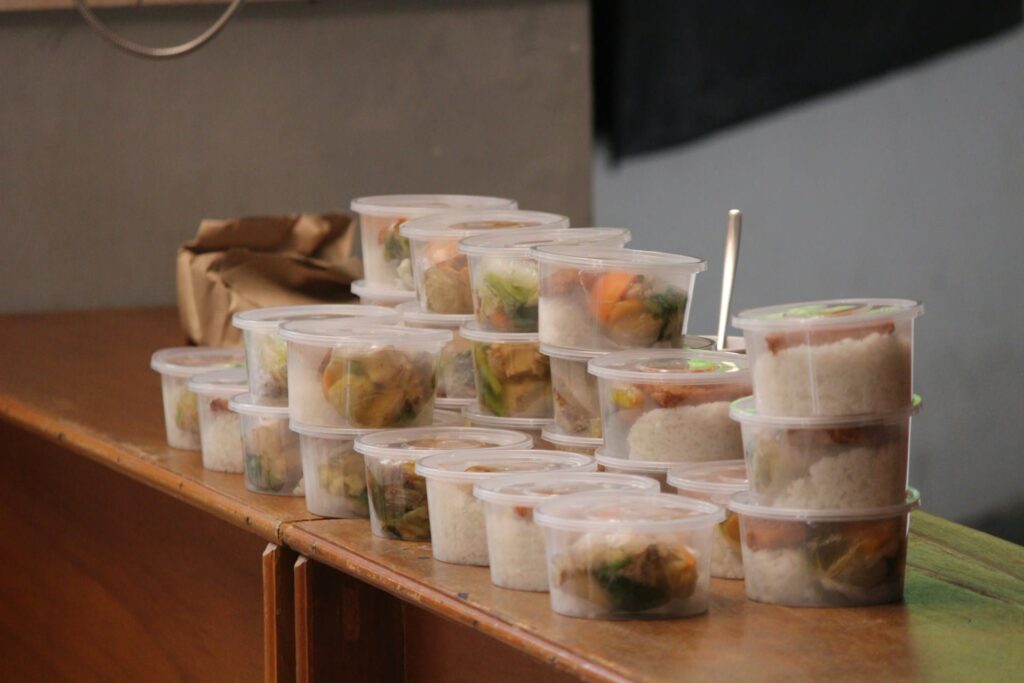
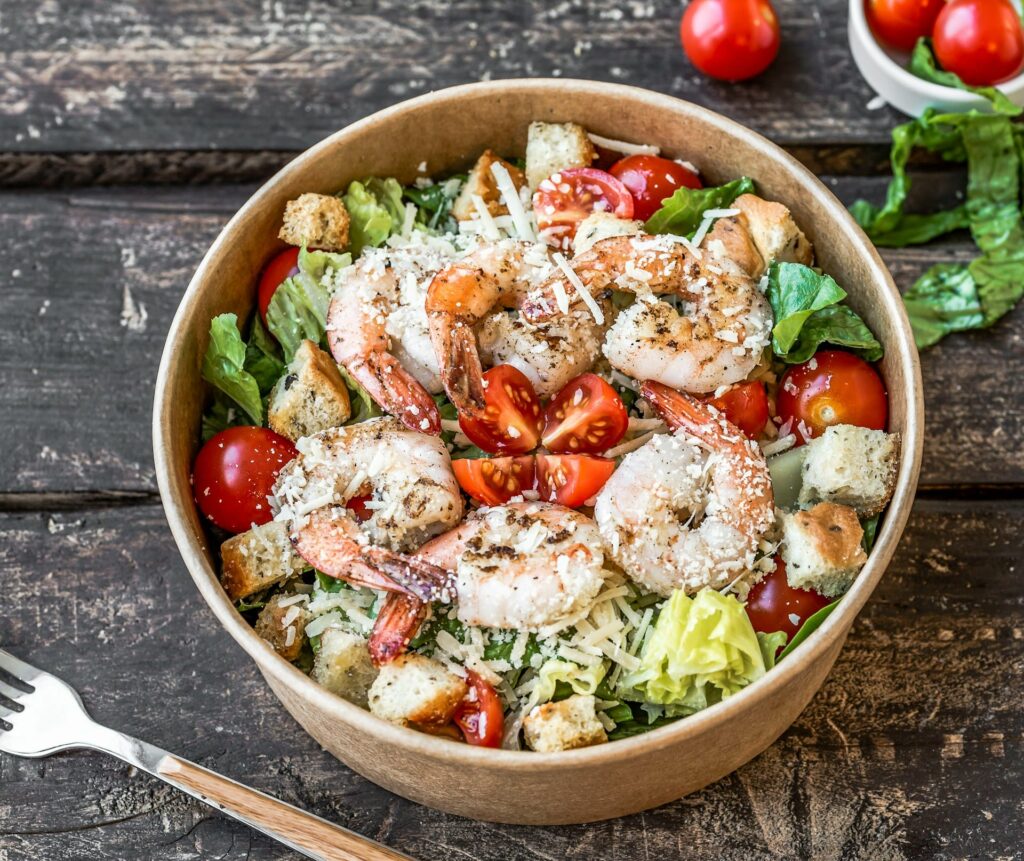
Beyond Purchase Price: Understanding Total Cost of Ownership
Making truly informed packaging decisions requires expanding your perspective beyond the unit price shown on supplier invoices.
Direct Cost Components
The visible costs of packaging include several elements that vary significantly between plastic and paper options:
Unit purchase price represents the most obvious cost difference, with conventional plastic containers typically costing 10-30% less than comparable paper alternatives at standard volumes. However, this gap has narrowed in recent years as paper production has scaled and plastic prices have increased with petroleum costs. Premium versions of both materials—such as crystal-clear PET plastic or heavy-duty coated paperboard—command higher prices that may reverse this relationship in specific product categories.
Volume discount structures often differ between materials. Plastic container manufacturing typically offers steeper volume discounts due to production efficiencies at scale, while paper products may have more linear pricing across volume tiers. This difference can significantly impact businesses with fluctuating order volumes or seasonal demand patterns.
Shipping and storage costs favor plastic in most scenarios due to its lighter weight and better nesting efficiency. Paper containers typically weigh 15-40% more than plastic equivalents and occupy 20-30% more warehouse space due to less efficient nesting. For businesses with limited storage capacity or high shipping costs, these differences can substantially impact total cost calculations.
Disposal and waste management fees increasingly favor paper in many jurisdictions. As municipalities implement weight-based commercial waste fees and separate streams for compostable materials, paper packaging often incurs lower disposal costs. Some regions have also introduced specific fees or taxes on plastic packaging that don’t apply to fiber-based alternatives.
Indirect Cost Factors
Less visible but equally important are the operational impacts that affect your bottom line:
Food preservation impact on waste creates significant cost implications. Plastic containers typically provide superior moisture barriers that extend product freshness, potentially reducing food waste by 5-15% compared to standard paper alternatives. For high-value ingredients like specialty greens or protein toppings, this preservation advantage can outweigh the container cost difference entirely.
Customer experience and satisfaction directly influence repeat business and average order values. Consumer research shows mixed preferences—some customers perceive paper packaging as more premium and environmentally responsible, while others prefer the functionality and transparency of plastic. Your specific customer demographic and brand positioning should guide how heavily this factor weighs in your decision.
Brand perception value has become increasingly important as consumers align purchasing decisions with perceived corporate values. Paper packaging often communicates environmental commitment, while clear plastic showcases food quality and freshness. The financial impact of this perception depends on your market positioning and customer base, but can significantly influence willingness to pay and customer loyalty.
Operational efficiency considerations include assembly time, handling durability, and compatibility with existing processes. Paper containers often require more assembly time (10-30 seconds per unit) compared to ready-to-use plastic options. They may also have more limited compatibility with automated filling equipment, potentially creating labor cost differences in high-volume operations.
Hidden Costs Often Overlooked
Several less obvious factors can significantly impact the true cost comparison:
Staff training and handling time requirements differ between materials. Paper containers typically require more careful handling to prevent damage and may need more precise assembly to ensure proper closure. These differences can translate to increased labor costs or higher error rates during busy service periods.
Inventory management complexity increases with packaging that has shorter shelf life or greater susceptibility to storage conditions. Some paper containers have more limited shelf life due to moisture sensitivity, potentially leading to higher waste rates or more frequent reordering. This factor becomes particularly important for operations with variable demand or limited storage space.
Compliance and regulatory costs increasingly favor paper in many jurisdictions as plastic packaging faces growing restrictions. Businesses operating across multiple locations may face a patchwork of regulations that create additional administrative burden for tracking and compliance. Forward-thinking operators factor in the potential costs of future regulatory changes when making current packaging decisions.
Environmental impact mitigation represents a growing cost category as businesses implement sustainability initiatives. While paper often has lower end-of-life impact costs, a comprehensive assessment should consider the entire lifecycle, including the typically larger carbon footprint of paper production and transportation. Some businesses also factor in the potential future costs of carbon taxes or offset programs.
Plastic Salad Containers: Cost Structure Analysis
Understanding the specific cost drivers for plastic packaging helps identify where your business might realize savings or incur premiums.
Common Plastic Materials and Their Price Points
The plastic category encompasses several materials with different cost and performance profiles:
PET (Polyethylene Terephthalate) containers offer exceptional clarity and presentation but typically command a 15-25% price premium over other plastic options. This material provides excellent rigidity and crack resistance, making it suitable for premium salads where visual appeal justifies the higher cost. PET’s widespread recycling acceptance also makes it a preferred choice for businesses emphasizing sustainability within plastic options.
PP (Polypropylene) options represent the mid-range price point with excellent overall performance. These containers offer good clarity, superior chemical resistance to acidic dressings, and better heat tolerance for warm ingredients. PP typically costs 5-15% less than PET while providing better resistance to cracking in cold storage—an important consideration for operations with refrigerated display cases.
PS (Polystyrene) alternatives provide the lowest initial cost point among plastic options, typically 20-30% below PET pricing. However, this material offers less durability, poorer chemical resistance, and has faced increasing regulatory restrictions due to environmental concerns. The lower purchase price often proves false economy when considering higher breakage rates and potential future compliance issues.
Bioplastic hybrid solutions, such as bio-based PET or PP, typically carry a 20-40% price premium over conventional versions while offering identical performance. These materials reduce fossil fuel usage in production but maintain the same end-of-life characteristics as their conventional counterparts. The cost premium has been decreasing as production scales, making these options increasingly viable for businesses with strong sustainability commitments.
Volume Economics of Plastic Packaging
Scale significantly impacts the economics of plastic packaging:
Minimum order quantity considerations can create cash flow challenges for smaller operations. Plastic packaging typically has higher minimum order quantities (often 500-1,000 units) compared to paper alternatives that may be available in smaller case quantities. This difference can force smaller businesses to tie up more capital in inventory or pay premium prices for smaller orders.
Storage efficiency and space utilization strongly favor plastic options. The typical plastic salad container nests more efficiently than paper alternatives, allowing storage of 30-50% more units in the same warehouse space. This efficiency translates to lower per-unit storage costs and reduced need for frequent reordering, particularly valuable for businesses with premium real estate costs.
Shelf life advantages of plastic containers (typically 2+ years versus 1-2 years for paper) reduce inventory risk and write-off costs. This extended shelf life allows for larger orders to capture volume discounts without concern about product degradation, particularly important for seasonal businesses or those with fluctuating demand patterns.
Transportation cost efficiencies derive from both the lighter weight and better nesting efficiency of plastic containers. A typical truckload can accommodate 30-50% more plastic containers than paper equivalents, reducing the per-unit freight cost accordingly. For businesses ordering from distant suppliers, this difference can represent 5-10% of the total delivered cost.
Long-term Price Trend Analysis
Future cost projections should factor into current decision-making:
Raw material cost projections show different trajectories for plastic and paper. Plastic pricing correlates strongly with petroleum markets, which face long-term upward pressure despite short-term fluctuations. Paper costs, meanwhile, fluctuate with pulp markets and energy costs but have shown more stability in recent years as production capacity has expanded to meet growing demand.
Manufacturing efficiency improvements have progressed more rapidly for bioplastics and paper alternatives than conventional plastics, which represent a mature technology. This trend suggests the price gap between conventional plastics and alternatives will likely continue to narrow over the next 3-5 years, potentially altering the economic equation for long-term contracts or strategic planning.
Regulatory impact on future pricing presents a significant unknown variable. Plastic packaging faces increasing regulation through extended producer responsibility programs, material-specific taxes, and outright bans in some jurisdictions. These regulatory trends suggest plastic packaging costs may increase faster than inflation over the coming years, particularly for businesses operating in environmentally progressive regions.
Recycled content requirements, either through regulation or corporate commitments, are driving demand for post-consumer recycled plastic. This demand currently exceeds supply for food-grade recycled content, creating a 15-30% price premium for high-recycled-content packaging. This premium may decrease as recycling infrastructure improves, but represents a current cost factor for businesses with recycled content goals.
Paper Salad Containers: Cost Structure Analysis
The economics of paper-based packaging involve different considerations than plastic alternatives.
Paper-Based Material Options and Price Points
The paper packaging category includes several distinct formats with different cost implications:
Kraft paper containers, made from unbleached pulp, represent the entry-level price point in the paper category. These containers typically cost 10-20% more than basic plastic options but offer a natural, rustic appearance that communicates environmental commitment. Their brown color limits food visibility but provides a distinctive aesthetic that some brands leverage as part of their positioning.
Coated paperboard solutions balance performance with cost, typically priced 20-35% higher than basic plastic alternatives. These containers use a thin polymer or biopolymer coating to improve moisture resistance while maintaining the tactile and visual characteristics of paper. The coating type significantly impacts both performance and end-of-life options, with compostable coatings commanding a further 10-15% premium.
Molded fiber alternatives, produced from recycled paper pulp, occupy the premium tier of paper packaging. These containers typically cost 30-50% more than basic plastic options but offer distinctive environmental messaging and excellent structural rigidity. Their production process allows for custom shapes and integrated features that can eliminate the need for separate lids or compartments in some applications.
Composite paper-plastic hybrids aim to combine the benefits of both materials, with pricing typically 25-40% above basic plastic options. These solutions might use paper exteriors with thin plastic liners or specialized coatings that enhance moisture resistance. Their complexity often results in higher production costs but can deliver performance closer to plastic with the aesthetic and tactile benefits of paper.
Volume Economics of Paper Packaging
Scale affects paper packaging economics differently than plastic:
Production scale considerations create steeper price curves for paper packaging. Smaller production runs typically incur higher premiums compared to plastic alternatives, with custom printing or sizing commanding particularly high premiums at low volumes. However, as order quantities increase to multiple pallet levels, these premiums often decrease significantly as setup costs are distributed across more units.
Storage requirements and challenges include greater sensitivity to environmental conditions. Paper packaging typically requires climate-controlled storage to prevent moisture absorption that can degrade performance and appearance. This requirement may increase warehousing costs by 10-25% compared to plastic alternatives that can tolerate wider temperature and humidity ranges.
Shelf life limitations of paper packaging (typically 12-18 months versus 24+ months for plastic) create inventory management challenges and potential waste. Businesses with highly variable demand or seasonal patterns may incur higher write-off costs for unused inventory that exceeds its practical shelf life, particularly for specialized sizes or custom-printed items.
Transportation and handling factors generally work against paper packaging economics. The higher weight and lower nesting efficiency of paper containers increase freight costs by 20-40% compared to plastic equivalents. Paper packaging also typically requires more careful handling during transportation to prevent damage from compression or moisture exposure, potentially increasing damage rates or requiring premium shipping services.
Long-term Price Trend Analysis
Future projections suggest evolving cost dynamics:
Pulp and paper market projections show moderate stability with regional variations. While global demand for paper packaging continues to grow, increased recycling rates and production capacity expansions have helped moderate price increases. However, regional factors like forest management practices, energy costs, and water availability create significant geographic variations in pricing trends.
Manufacturing technology advancements are progressively reducing the cost premium for high-performance paper packaging. Innovations in molding techniques, barrier coatings, and production efficiency have decreased production costs for premium paper options faster than conventional plastic alternatives. This trend suggests the price gap may continue to narrow, particularly for mid-tier paper packaging options.
Sustainable forestry impacts increasingly influence paper pricing as certification requirements become more stringent. Packaging derived from certified sustainable forestry sources typically commands a 5-15% premium that is projected to remain stable or increase as supply chain transparency expectations grow. This factor particularly affects virgin paper products rather than those with high recycled content.
Coating alternatives development represents a major focus area with significant cost implications. Next-generation biopolymer coatings that maintain performance while improving compostability currently carry a 15-25% premium, but this differential is expected to decrease as production scales. These advancements may significantly alter the cost-performance equation for paper packaging over the next 2-4 years.

Detailed Cost Comparison Matrix
The following matrix provides a comprehensive comparison of plastic and paper options across multiple cost factors:
| Cost Factor | Conventional Plastic | Recycled Content Plastic | Standard Paper | Premium Paper/Fiber |
|---|---|---|---|---|
| Initial Purchase Cost | Baseline | +10-20% | +15-30% | +30-50% |
| Shipping/Freight | Baseline | +0-5% | +20-40% | +25-45% |
| Storage Space Efficiency | Excellent | Excellent | Fair | Poor to Fair |
| Assembly Labor | Minimal | Minimal | Moderate | Moderate to High |
| Food Waste Impact | Low | Low | Moderate | Low to Moderate |
| Disposal Costs | Moderate to High | Moderate to High | Low to Moderate | Low |
| Regulatory Compliance | Increasing Complexity | Moderate Complexity | Low Complexity | Low Complexity |
| Customer Perception Value | Neutral to Negative | Slightly Positive | Positive | Very Positive |
| Expected Annual Cost Increase | 3-5% | 2-4% | 1-3% | 1-3% |
The above data is for reference only.
Initial Purchase Cost Analysis
Base price comparison by volume reveals different economies of scale:
At low volumes (under 5,000 units), paper containers typically carry a 25-40% premium over plastic equivalents. This premium reflects both higher production costs and less favorable economies of scale for small production runs. Businesses with lower volume needs often face the steepest relative price penalties for choosing paper options.
At medium volumes (5,000-25,000 units), the paper premium typically moderates to 15-30% as fixed costs are distributed across more units. This volume range represents the typical order size for medium-sized restaurant operations or regional chains, where the price differential remains significant but may be offset by other factors like brand positioning or customer preferences.
At high volumes (25,000+ units), the paper premium can decrease to 10-20% as maximum production efficiencies are achieved. National chains and large food manufacturers operating at this scale can negotiate more favorable pricing that narrows the gap, though plastic generally maintains a cost advantage on pure unit price.
Customization cost differences significantly favor plastic for printed or custom designs. Adding custom printing to plastic containers typically adds 5-15% to the base price, while similar customization for paper packaging often adds 15-30% due to more complex printing processes and higher setup costs. This differential particularly impacts businesses using packaging as a branding tool.
Operational Cost Implications
Daily operational factors create additional cost distinctions:
Assembly and preparation time requirements strongly favor plastic containers, which typically arrive ready to use. Paper containers often require folding or assembly, adding 10-30 seconds of labor per unit. For high-volume operations, this difference can translate to significant labor costs—a quick-service restaurant preparing 500 salads daily might require an additional 1.5-2.5 labor hours for paper container assembly compared to plastic alternatives.
Storage space requirements favor plastic by a substantial margin. A typical case of plastic containers occupies 30-50% less warehouse space than paper equivalents, allowing more efficient inventory management and potentially reducing the need for frequent reordering. For operations in areas with high real estate costs, this space efficiency can represent meaningful savings.
Handling durability factors generally favor plastic containers, which typically have lower damage rates during storage and handling. Paper containers may experience 3-5% higher damage rates in busy operations, particularly in humid environments or with inexperienced staff. This difference directly impacts effective unit costs through waste and replacement needs.
Temperature performance considerations create application-specific advantages. Plastic containers generally perform better across wider temperature ranges, maintaining structural integrity in both refrigerated and hot environments. Paper containers may require material upgrades or special coatings for certain temperature applications, potentially adding 10-20% to their base cost for these specific uses.
End-of-Life Cost Considerations
Disposal economics vary significantly by location and material:
Waste disposal fee differences increasingly favor paper in many jurisdictions. As municipalities implement weight-based commercial waste fees, the lighter weight of plastic provides some advantage. However, many regions now offer reduced tipping fees for compostable materials or assess surcharges on non-recyclable items, typically creating a net advantage for paper packaging ranging from 5-30% of disposal costs.
Recycling program costs and rebates vary by material and local infrastructure. Clean, separated plastic containers may qualify for rebates in some recycling programs, potentially offsetting a portion of disposal costs. However, food contamination often renders both materials non-recyclable in practice, negating this theoretical advantage in many food service applications.
Composting infrastructure expenses favor paper when appropriate facilities exist. Certified compostable paper packaging can be diverted to commercial composting programs that typically charge 20-40% less than landfill disposal. However, this advantage only applies in regions with established commercial composting infrastructure and for paper packaging without non-compostable plastic coatings.
Extended producer responsibility fees, increasingly common in progressive jurisdictions, typically assess higher rates for plastic packaging. These programs may add 1-5% to the effective cost of plastic containers while assessing lower fees for paper alternatives. As these programs expand, this differential may become more significant, particularly for businesses operating across multiple regions with different requirements.
Performance Factors Affecting Total Cost
Functional performance differences create indirect cost implications that often outweigh direct price comparisons.
Food Preservation and Waste Reduction
Moisture resistance comparison strongly favors plastic containers, which provide superior barriers against both internal moisture loss and external humidity. This performance difference can extend product freshness by 1-3 days compared to standard paper alternatives, potentially reducing food waste by 5-15% depending on specific ingredients and holding conditions.
Shelf life extension capabilities translate directly to reduced shrink and write-off costs. A supermarket deli operation switching from premium paper containers to equivalent plastic options might see a 0.5-1.5% reduction in overall food costs through extended product viability—a significant impact in an industry with tight margins. This advantage becomes particularly valuable for premium ingredients with higher unit costs.
Temperature tolerance ranges affect both food safety and product quality. Plastic containers typically maintain performance from freezing to moderate heat (0-180°F/-18-82°C), while standard paper alternatives have more limited ranges before experiencing structural degradation. Operations requiring broader temperature flexibility may need to invest in specialized paper options that carry 15-25% price premiums over standard versions.
Impact on food quality maintenance extends beyond simple shelf life to include texture and appearance preservation. The superior oxygen and moisture barriers of plastic containers help maintain the crispness of greens and prevent color changes in sensitive ingredients. These quality preservation benefits can reduce remake rates and customer complaints that create hidden costs for food service operations.
Functionality and Customer Experience
Transparency and food visibility create significant marketing advantages for clear plastic containers. The ability to showcase fresh ingredients can increase perceived value and influence purchasing decisions, particularly in grab-and-go retail environments. Some businesses report 5-15% higher sales for identical products when packaged in clear containers versus opaque alternatives, effectively offsetting higher packaging costs through increased revenue.
Leak resistance performance generally favors plastic containers, which typically experience 3-5 times fewer leak incidents than equivalent paper options. This performance difference directly impacts customer satisfaction, remake rates, and cleaning costs for delivery vehicles or dining areas. Operations with high delivery volumes or significant dressing usage may find this factor alone justifies the use of plastic despite other considerations.
Reheating compatibility varies significantly between materials and specific formulations. Standard plastic containers typically offer microwave safety with proper venting, while paper alternatives may require special coatings or construction to prevent sogginess or leakage when heated. This functional difference particularly impacts meal prep services or operations where customers might reheat products at home or work.
Consumer usability features like secure closure mechanisms, easy opening, and reclosability often favor plastic designs. These functional benefits can influence customer satisfaction and repeat purchase decisions, particularly for frequent customers who develop strong preferences based on convenience. Some businesses leverage these functional advantages in marketing to justify premium pricing that offsets higher packaging costs.
Durability and Supply Chain Resilience
Stacking strength comparison generally favors molded fiber paper containers for vertical compression resistance, while plastic options typically provide better puncture and tear resistance. These differences affect both warehouse storage efficiency and product protection during transport. Operations with complex logistics chains or frequent product handling may experience different damage rates that directly impact effective unit costs.
Impact resistance during transport creates application-specific advantages. Plastic containers typically withstand the rigors of delivery better than standard paper alternatives, potentially reducing remake rates by 1-3% for delivery-focused operations. This performance difference translates directly to bottom-line impact through avoided food and labor costs for replacements.
Humidity tolerance strongly favors plastic containers, which maintain structural integrity across humidity ranges from 0-100%. Paper alternatives may absorb moisture in humid environments, potentially compromising structural integrity or appearance. This difference particularly impacts operations in tropical climates or with significant temperature variations that can create condensation.
Temperature range stability affects both storage requirements and functional performance. Plastic containers maintain consistent properties across wider temperature ranges, while paper alternatives may become brittle in cold environments or soft in hot, humid conditions. These performance differences can create hidden costs through increased damage rates or operational limitations that aren’t captured in simple unit price comparisons.
Sustainability Costs and Benefits
Environmental considerations increasingly carry direct financial implications beyond ethical concerns.
Environmental Compliance Expenses
Plastic packaging taxes and fees have been implemented in various forms across multiple jurisdictions. These range from per-unit fees (typically $0.01-0.10 per container) to percentage-based taxes (1-5% of wholesale value) depending on the region. These direct costs are typically applied to plastic packaging while exempting fiber-based alternatives, creating a straightforward cost advantage for paper in affected markets.
Extended producer responsibility programs increasingly assess fees based on material type, recyclability, and recycled content. These programs typically assign higher responsibility fees to plastic packaging, particularly formats with limited recycling infrastructure. The cost impact varies significantly by jurisdiction but can add 3-7% to the effective cost of conventional plastic packaging while assessing lower rates for paper alternatives.
Documentation and reporting requirements create administrative burdens that vary by material and region. Businesses using plastic packaging in regulated jurisdictions often face more extensive reporting requirements regarding quantities, disposal methods, and recycled content. These administrative costs rarely appear in packaging budgets but can represent significant overhead for businesses operating across multiple regulatory environments.
Exemptions for certain materials provide cost advantages in some regions. Many jurisdictions exempt certified compostable packaging or containers with recycled content above certain thresholds from fees or restrictions that apply to conventional alternatives. These exemptions can significantly alter the cost comparison, particularly for businesses operating in environmentally progressive regions with active regulatory frameworks.
Consumer Perception and Marketing Value
Willingness to pay premiums for sustainable options varies by customer demographic and business type. Consumer research indicates that 45-60% of consumers claim willingness to pay 5-10% more for food in sustainable packaging, though actual purchasing behavior typically shows smaller premiums of 2-5%. This perception value is typically stronger for paper packaging, which consumers generally perceive as more environmentally friendly regardless of specific lifecycle impacts.
Brand loyalty impacts create long-term value that can offset higher packaging costs. Businesses with strong environmental positioning report 10-15% higher customer retention rates when using packaging perceived as sustainable. This loyalty effect compounds over time, potentially justifying packaging investments that might appear uneconomical in simple unit cost comparisons.
Social media sentiment analysis reveals stronger positive engagement with paper packaging compared to plastic alternatives. Content featuring paper packaging typically generates 15-30% higher positive engagement rates on platforms like Instagram and TikTok, potentially creating organic marketing value that offsets higher packaging costs through reduced paid marketing needs.
Competitive differentiation value emerges when packaging choices align with brand positioning. In crowded markets, distinctive sustainable packaging can create meaningful differentiation that influences purchasing decisions beyond price considerations. This effect is particularly strong in premium market segments where customers have greater discretionary spending capacity and stronger environmental values.
Future-Proofing Against Regulatory Changes
Upcoming legislation cost implications favor paper in most jurisdictions. The regulatory trend toward restricting single-use plastics continues to accelerate globally, with new measures typically announced 1-3 years before implementation. Businesses investing in plastic packaging infrastructure may face forced transitions or exemption fees if these trends continue, creating potential stranded asset risks that rarely factor into current decision-making.
Transition planning expenses can be substantial when regulatory changes force rapid adaptation. Businesses that proactively transition to compliant packaging options typically report 30-50% lower transition costs compared to those making changes under regulatory deadlines. These savings derive from more favorable supplier negotiations, staff training opportunities, and customer communication strategies that maintain loyalty during changes.
Adaptation timeline considerations favor gradual transitions over forced changes. Businesses with multi-year plastic packaging contracts or specialized equipment may face significant costs if regulatory changes outpace their natural replacement cycles. Building flexibility into packaging strategies through shorter contract terms or adaptable equipment can provide insurance against regulatory disruption, though potentially at higher short-term costs.
Risk mitigation strategies increasingly include packaging diversification across material types. Some forward-thinking businesses maintain relationships with suppliers of both plastic and paper packaging options, allowing faster adaptation to changing conditions. This approach may increase administrative costs but provides valuable flexibility in a rapidly evolving regulatory landscape.
Case Studies: Real-World Cost Analysis
Examining how different business models evaluate packaging costs reveals the importance of context-specific assessment.
Quick-Service Restaurant Comparison
A national quick-service restaurant chain conducted a comprehensive cost analysis when considering switching from clear plastic to kraft paper salad containers. Their analysis revealed:
Volume requirements analysis showed a 22% higher unit cost for paper containers at their scale (millions of units annually). However, this gap narrowed to 17% after accounting for negotiated volume discounts and multi-year contract terms available from paper suppliers eager to secure large accounts.
Operational constraints assessment identified significant challenges with paper containers in their high-speed assembly lines. Time-motion studies indicated a 15-second increase in average preparation time per salad, potentially requiring additional labor during peak periods. This operational impact translated to approximately 7% higher effective costs beyond the purchase price differential.
Customer expectations research revealed mixed preferences, with 35% of customers expressing preference for more sustainable packaging while 40% valued the ability to see the salad ingredients before purchase. This split suggested potential sales impacts in either direction, leading the chain to conduct market tests rather than making a system-wide change.
Cost optimization strategies included testing a hybrid approach—using paper containers for dine-in service where visibility was less important and maintaining plastic for takeout where leak resistance and visibility provided greater value. This segmented approach allowed for sustainability messaging while minimizing operational disruption and containing costs.
Supermarket Deli Counter Analysis
A regional supermarket chain evaluated packaging options for their expanded prepared foods section with different priorities:
Display and visibility requirements heavily favored clear plastic containers for merchandising appeal. Sales data from test stores showed 12-18% higher sales for identical products in clear containers compared to paper alternatives, creating a revenue advantage that outweighed the packaging cost difference.
Shelf life priorities strongly influenced their decision-making process. Extended shelf life testing showed that salads in plastic containers maintained acceptable quality 1.5-2 days longer than in paper alternatives, reducing shrink by approximately 8%. This waste reduction benefit alone offset roughly half of the cost difference between packaging types.
Branding considerations led to investment in custom-printed plastic containers rather than standard stock options. While this added 12% to the packaging cost, marketing analysis indicated stronger brand recognition and premium perception that supported higher price points, effectively paying for the enhanced packaging through improved margins.
Mixed material approach benefits emerged from their analysis. The final strategy implemented clear plastic containers for most salads while using molded fiber containers for certain premium “farm-to-table” offerings where the rustic aesthetic aligned with product positioning. This selective approach optimized both cost and marketing value across different product lines.
Meal Prep and Delivery Service Evaluation
A growing meal preparation service conducted detailed analysis of packaging options with their unique constraints:
Transportation demands created strong preference for leak-resistant packaging due to delivery handling. Testing revealed leak incidents approximately 4 times higher with paper containers compared to plastic alternatives, creating significant remake costs and customer satisfaction issues that outweighed the higher unit price of plastic options.
Temperature variation challenges during delivery further favored plastic containers, which maintained structural integrity better through refrigeration and subsequent warming during transport. Paper alternatives showed 5-7% higher failure rates under identical conditions, directly impacting food safety and quality perception.
Brand positioning factors strongly influenced their decision process despite functional advantages of plastic. As a brand built on wellness and environmental responsibility, customer surveys indicated that sustainable packaging was expected by their core demographic, with 65% of customers rating it “important” or “very important” to their purchasing decision.
Hybrid solution cost benefits led to their final approach—using fiber-based containers with compostable bioplastic liners that provided leak resistance while maintaining environmental messaging. While this solution carried a 35% premium over basic plastic options, customer retention data supported the investment through 23% higher subscription renewal rates compared to a test group using standard plastic containers.
Reliancepak’s Balanced Approach to Cost and Performance
Industry-specific expertise can help navigate the complex decision factors in packaging selection.
Innovative Material Solutions
Reliancepak offers specialized options that optimize both performance and cost:
Hybrid options that optimize cost include paper-based containers with strategic reinforcement in high-stress areas. These designs maintain the aesthetic and environmental benefits of paper while addressing key performance limitations. By focusing material innovations on specific failure points rather than overall construction, these solutions typically carry smaller price premiums of 10-20% over conventional plastic rather than the 30-50% premium of full fiber alternatives.
Performance-focused designs address specific operational challenges like high-moisture ingredients or delivery handling. Reliancepak’s engineering team analyzes actual usage conditions to identify the minimum necessary performance characteristics, avoiding over-specification that drives unnecessary costs. This targeted approach delivers the required functionality without the price premium of universal high-performance features.
Sustainability without premium pricing comes through material efficiency rather than material substitution. Reliancepak’s design process focuses on using less material through structural optimization rather than simply switching materials. This approach can reduce overall material usage by 10-25% compared to standard designs, creating both cost and environmental benefits regardless of material choice.
Custom solutions for specific needs allow precise matching of performance and price point. Rather than forcing businesses to choose between standard options that may include unnecessary features or lack critical ones, Reliancepak’s customization services create packaging specifically designed for particular applications, ingredients, and operational conditions.
Volume Optimization Strategies
Reliancepak helps businesses maximize value through strategic purchasing approaches:
Inventory management programs provide data-driven ordering recommendations based on usage patterns, storage constraints, and price tier thresholds. These programs help businesses maintain optimal inventory levels that balance storage costs against volume discount opportunities, typically reducing total packaging costs by 5-12% through more efficient purchasing.
Just-in-time delivery options reduce the working capital tied up in packaging inventory while still capturing volume pricing benefits. Reliancepak’s flexible production scheduling allows customers to secure volume-based pricing through annual commitments while taking physical delivery in smaller shipments aligned with actual usage. This approach is particularly valuable for businesses with limited storage space or seasonal demand patterns.
Storage solution partnerships address space constraints that might otherwise force higher-cost small-quantity orders. For businesses in high-cost real estate markets, Reliancepak offers third-party warehousing options that allow bulk purchasing with scheduled deliveries, effectively outsourcing the storage function while maintaining the economic benefits of volume purchasing.
Consolidated ordering benefits emerge from Reliancepak’s diverse product line. By combining different packaging items into single orders, businesses can reach volume discount thresholds that might be unattainable when purchasing each item separately. This consolidation typically unlocks an additional 3-8% cost reduction compared to itemized ordering from multiple suppliers.
Total Value Assessment Framework
Reliancepak provides analytical tools to support informed decision-making:
ROI calculation tools go beyond simple unit price comparisons to incorporate operational impacts, waste reduction benefits, and customer experience factors. These comprehensive models help businesses understand the true cost implications of different packaging options within their specific operational context, often revealing that higher-priced options deliver better overall economic value.
Performance testing services allow businesses to evaluate packaging options under their actual usage conditions before committing to large purchases. These services include leak resistance testing, temperature stability evaluation, and handling durability assessment customized to specific operational requirements. By identifying potential issues before implementation, these services help avoid costly mid-stream changes or customer satisfaction problems.
Comparative analysis assistance helps businesses evaluate competing options against consistent criteria. Reliancepak’s expertise in both plastic and paper packaging allows for objective comparison across materials rather than material-specific advocacy. This balanced approach ensures businesses select the optimal solution for their specific needs rather than the option that happens to be in a particular supplier’s product line.
Long-term partnership advantages include continuous improvement programs that identify cost-saving opportunities throughout the relationship. Unlike transactional suppliers focused on maximizing each order, Reliancepak’s partnership approach includes regular reviews of usage patterns, performance feedback, and emerging alternatives that might better serve evolving business needs.
Decision-Making Framework for Procurement Managers
A structured approach helps navigate the complex factors involved in packaging selection.
Business-Specific Assessment Criteria
Effective decision-making starts with clear prioritization of factors relevant to your operation:
Food type compatibility priorities should drive initial screening of options. Highly moist salads with dressings require excellent leak resistance, while dry ingredient mixes might prioritize moisture barriers to prevent humidity absorption. Creating a specific compatibility matrix for your menu items helps identify the truly non-negotiable performance characteristics that packaging must provide.
Volume requirement analysis determines which economic model applies to your operation. Businesses with consistent high-volume needs face different cost equations than those with variable or seasonal demands. Understanding your volume profile helps identify whether storage efficiency, minimum order quantities, or flexible delivery options should carry more weight in your decision process.
Brand positioning considerations establish how packaging contributes to your market differentiation. Premium brands may justify higher packaging costs through enhanced presentation and customer experience, while value-focused operations might prioritize functional performance at minimum necessary cost. Alignment between packaging choices and overall brand strategy typically delivers better long-term results than decisions based solely on immediate economics.
Sustainability commitment level influences how environmental factors should be weighted in your decision. Businesses with public sustainability commitments or customer bases with strong environmental values may accept higher direct costs to maintain brand integrity and customer loyalty. Conversely, operations in price-sensitive markets might focus on material efficiency rather than material substitution as their primary sustainability strategy.
Testing and Evaluation Protocols
Systematic assessment helps avoid costly mistakes:
Sample testing recommendations include evaluating at least three different options under actual usage conditions before making volume commitments. This testing should include not just initial assessment but performance evaluation after storage to identify any shelf-life concerns. For critical applications, consider testing across seasonal temperature and humidity variations to uncover potential performance issues.
Performance criteria establishment should precede testing rather than emerging from it. Clearly defined success metrics—such as maximum acceptable leak rate, minimum required shelf life, or specific strength requirements—provide objective evaluation standards. These criteria should reflect your actual operational requirements rather than arbitrary standards or supplier claims.
Cost tracking methodologies should capture all relevant expenses beyond purchase price. Comprehensive tracking includes inbound freight, storage costs, assembly labor, waste rates, and disposal fees. For delivery-focused operations, tracking should also include remake rates specifically attributed to packaging failures and associated costs.
Feedback collection systems should gather input from all stakeholders including operations staff, customers, and delivery personnel. Structured feedback forms that address specific performance aspects provide more actionable data than general impressions. This feedback often reveals practical considerations that weren’t apparent during initial evaluation but significantly impact day-to-day operations.
Implementation and Transition Planning
Careful implementation maximizes success rates for packaging changes:
Phased approach benefits include the opportunity to identify and address operational challenges before full-scale implementation. Starting with a single location or limited menu items allows for process refinement and staff training without risking widespread disruption. This approach typically reduces overall implementation costs by 15-30% compared to immediate system-wide changes.
Staff training considerations include not just handling procedures but the rationale behind packaging choices. When staff understand why specific packaging has been selected and its performance characteristics, they can better adapt their processes and communicate effectively with customers. This understanding is particularly important when transitioning between materials with different handling requirements.
Customer communication strategies should proactively address any visible changes rather than leaving customers to draw their own conclusions. When transitioning to more sustainable options that might have different appearance or performance characteristics, clear communication of the environmental benefits helps frame the change positively rather than as a potential quality reduction.
Performance monitoring frameworks should continue well beyond initial implementation to identify any long-term issues or seasonal variations in performance. Structured monitoring programs with consistent metrics allow for meaningful comparison across time periods and between different packaging options. This ongoing assessment often reveals optimization opportunities that weren’t apparent during initial implementation.
Conclusion
The true cost comparison between plastic and paper salad containers extends far beyond the unit price shown on supplier invoices. For procurement managers and food business operators, making informed decisions requires considering the full spectrum of direct costs, operational impacts, and customer experience factors specific to your business model.
Rather than viewing this complexity as an obstacle, forward-thinking businesses leverage it as an opportunity for strategic advantage. By understanding the total cost of ownership and aligning packaging choices with your specific operational requirements and brand positioning, you can select solutions that deliver optimal overall value rather than simply minimizing purchase price.
The most successful approach typically involves:
- Clearly defining your specific performance requirements based on your menu items, operational model, and customer expectations
- Implementing systematic testing under your actual usage conditions rather than relying solely on supplier claims
- Considering the total cost impact including operational efficiency, food waste reduction, and customer experience
- Establishing partnerships with knowledgeable suppliers like Reliancepak who can provide ongoing optimization rather than simply fulfilling orders
As both materials and regulations continue to evolve, maintaining flexibility in your packaging strategy becomes increasingly valuable. Regular reassessment of options against your specific criteria ensures your packaging choices continue to deliver optimal value even as conditions change.
By taking this comprehensive approach to evaluating plastic versus paper salad containers, you position your business to make decisions that support both immediate operational needs and long-term strategic goals.
- Exploring the pros and cons of plastic versus paper can guide you in choosing the best packaging for your business needs and customer preferences. ↩︎
- Understanding the total cost of ownership can help you make informed packaging decisions that impact your business’s profitability and sustainability. ↩︎