
In the rapidly evolving food service industry, businesses are increasingly seeking sustainable alternatives to traditional plastic and foam packaging. Bagasse plates, made from sugarcane pulp, have emerged as a leading eco-friendly solution. These plates offer numerous environmental benefits, including biodegradability and compostability. However, for B2B buyers, understanding the critical role of food safety certifications is paramount. Ensuring that bagasse products meet stringent safety standards is not just about compliance; it is about protecting consumers and maintaining brand reputation. This comprehensive guide will delve into the essential certifications and factors to consider when sourcing bagasse plates for your business.
Understanding Bagasse: A Sustainable Choice
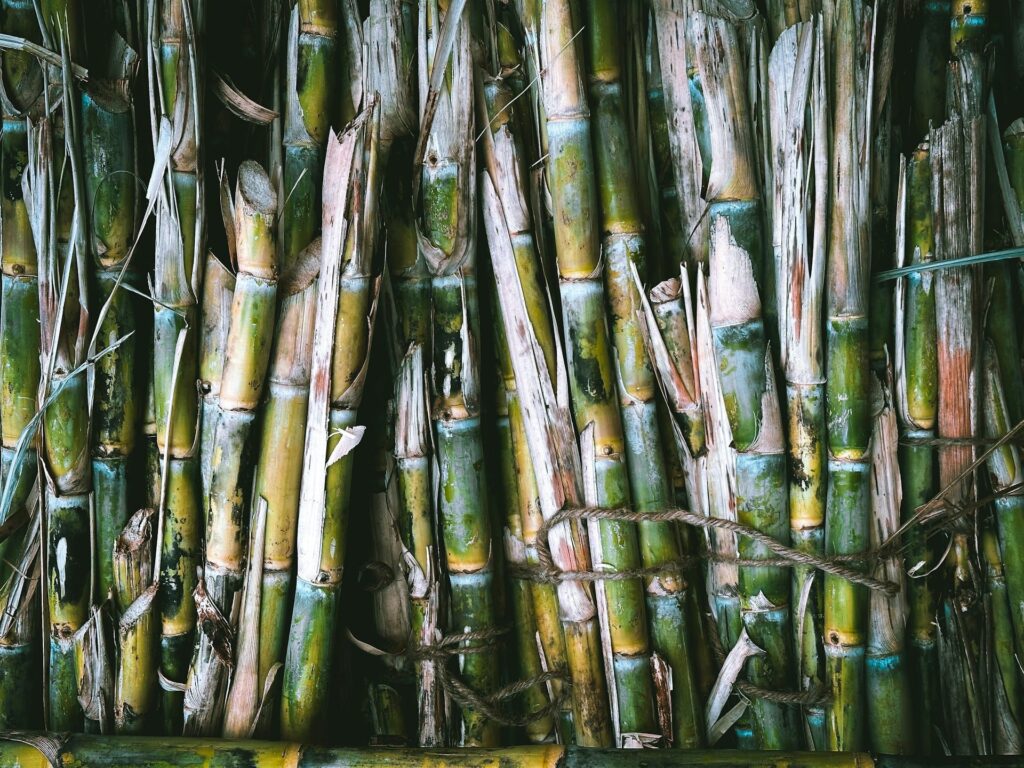
Bagasse is the fibrous residue left after sugarcane stalks are crushed to extract their juice. This byproduct, once considered waste, is now a valuable resource for producing sustainable tableware. Unlike plastic, bagasse is a renewable resource, making it an excellent choice for environmentally conscious businesses. Its natural composition also means it breaks down much faster than conventional materials, reducing landfill waste.
Why Food Safety Certifications Matter
For any food contact material, safety is non-negotiable. Certifications provide independent verification that a product meets specific health and safety standards. When it comes to bagasse plates, these certifications ensure that the products are free from harmful chemicals, do not leach substances into food, and are safe for consumer use. For B2B buyers, relying on certified products minimizes risks and builds trust with end-users.
Key Food Safety Certifications to Look For
Several international and regional certifications validate the food safety of bagasse plates. Understanding these standards is crucial for making informed purchasing decisions. Each certification addresses different aspects of food contact safety and environmental impact.
FDA Food Contact Substance Notification (FCN)
In the United States, the Food and Drug Administration (FDA) regulates food contact materials. A Food Contact Substance Notification (FCN) indicates that the FDA has reviewed data and concluded that a substance is safe for its intended use in food contact applications. This is a critical certification for any bagasse product intended for the U.S. market. It assures buyers that the materials used in the plates will not migrate into food at levels that could pose a health risk.
EU Food Contact Materials Regulations (EC No 1935/2004)
For the European Union market, bagasse plates must comply with Regulation (EC) No 1935/2004. This framework regulation sets general requirements for all food contact materials, ensuring they do not transfer their constituents to food in quantities that could endanger human health, change the composition of the food, or deteriorate its organoleptic characteristics. Specific measures for certain materials, like plastics, are also in place, but for bagasse, the general framework applies, often supplemented by national regulations.
PFAS-Free Certifications
Per- and polyfluoroalkyl substances (PFAS) are a group of chemicals sometimes used in food packaging for grease and water resistance. However, concerns about their environmental persistence and potential health effects have led to a demand for PFAS-free products. While bagasse is naturally PFAS-free, some manufacturers might add these chemicals. Therefore, it is vital to look for explicit PFAS-free certifications or statements from suppliers. This ensures that the plates are truly free from these
potentially harmful substances. Reliancepak, for instance, prioritizes offering PFAS-free bagasse plates to ensure maximum safety for your customers.
Compostability Certifications (BPI, TÜV Austria, EN 13432)
While not strictly food safety certifications, compostability certifications are crucial for bagasse plates, as they confirm the product’s environmental claims. These certifications ensure that the plates will break down in commercial composting facilities without leaving harmful residues. Key certifications include:
- BPI Certified Compostable (Biodegradable Products Institute): This certification is prominent in North America, indicating that a product meets ASTM D6400 or D6868 standards for compostability in industrial facilities.
- TÜV Austria OK Compost INDUSTRIAL/HOME: TÜV Austria offers certifications for both industrial and home compostability, providing assurance that products will biodegrade under specified conditions.
- EN 13432: This is the European standard for industrially compostable and biodegradable packaging. Products certified under EN 13432 guarantee that they will disintegrate and biodegrade within a specific timeframe in a commercial composting environment.
The Manufacturing Process and Food Safety
The safety of bagasse plates is not only dependent on the raw material but also on the manufacturing process. A robust manufacturing process incorporates several steps to ensure the final product is safe for food contact.
Raw Material Sourcing and Preparation
The process begins with collecting sugarcane bagasse. It is crucial that the bagasse is sourced from reliable suppliers and is free from contaminants. The raw material then undergoes thorough cleaning and drying to remove impurities before it is pulped.
Pulping and Molding
After cleaning, the bagasse is processed into a pulp. This pulp is then molded into the desired plate shapes using specialized machinery. During this stage, manufacturers must ensure that no harmful chemicals are introduced that could compromise food safety.
Drying, Pressing, and Sterilization
The molded plates are dried and pressed to achieve their final form and strength. A critical step here is sterilization. This process eliminates any potential bacteria or microorganisms, ensuring the plates are hygienic and safe for direct food contact. Reputable manufacturers employ high-temperature sterilization methods.
Quality Control and Testing
Throughout the manufacturing process, rigorous quality control measures are essential. This includes regular testing for chemical residues, heavy metals, and other potential contaminants. Finished products should also undergo physical tests to ensure durability and performance. Reliancepak, for example, implements strict quality checks at every stage, from raw material inspection to final product packaging.
Choosing the Right Supplier: What to Ask
Selecting a reliable supplier is paramount for B2B buyers. Beyond checking for certifications, engaging with potential suppliers and asking the right questions can provide deeper insights into their commitment to food safety and quality.
- What certifications do your bagasse plates hold? Request copies of all relevant food safety and compostability certifications.
- Can you provide detailed reports on chemical testing? Inquire about tests for PFAS, heavy metals, and other harmful substances.
- Describe your quality control process. Understand the steps they take to ensure product consistency and safety.
- What is your raw material sourcing policy? Ensure they source bagasse responsibly and free from contaminants.
- Do you offer customization options? For specific business needs, inquire about custom sizes, shapes, or branding, and how these affect certifications.
The Reliancepak Advantage
Reliancepak understands the stringent demands of the B2B food packaging market. As a trading company and factory with nine production lines, we are committed to providing high-quality, safe, and environmentally friendly bagasse plates. Our products come with essential food-grade certifications, including those recognized in the EU and by the FDA. We pride ourselves on fast delivery, professional customization, and offering rare products for one-stop purchasing. Our focus on environmentally friendly materials and rigorous quality control ensures that our bagasse plates meet the highest international standards, helping our clients attract customers and enhance their brand reputation.
Conclusion
Bagasse plates represent a significant step towards sustainable food packaging. However, their environmental benefits must be coupled with unwavering assurance of food safety. For B2B buyers, a thorough understanding of relevant certifications—such as FDA FCN, EU food contact regulations, and PFAS-free declarations—is indispensable. Furthermore, scrutinizing the manufacturing process and asking pertinent questions to suppliers like Reliancepak will ensure that you procure products that are not only eco-friendly but also safe, reliable, and compliant with global standards. By prioritizing certified bagasse plates, businesses can confidently meet consumer demands for sustainability and safety, driving both organic traffic and customer inquiries.
FAQ
Q1: Are all bagasse plates food-safe?
A1: Not necessarily. Always check for specific food safety certifications like FDA FCN or compliance with EU regulations.
Q2: What is PFAS and why is it a concern in bagasse plates?
A2: PFAS are chemicals sometimes added for grease resistance. They are a concern due to environmental persistence and potential health effects. Opt for certified PFAS-free products.
Q3: How do I verify a bagasse plate’s compostability?
A3: Look for certifications from organizations like BPI, TÜV Austria, or compliance with standards like EN 13432.
Q4: Can bagasse plates be customized?
A4: Yes, many suppliers offer customization. Ensure that customization does not compromise food safety certifications.
Q5: Why is the manufacturing process important for food safety?
A5: A robust manufacturing process, including proper cleaning, sterilization, and quality control, ensures the final product is free from contaminants and safe for food contact.