
TL;DR The choice between smooth wall and wrinkle wall aluminum packaging depends on your preservation needs and brand positioning. Smooth wall containers offer a premium look and allow for hermetic heat sealing to extend shelf life, while wrinkle wall containers are a cost-effective solution ideal for bakery and standard takeaway applications.
What is the Difference Between Smooth and Wrinkle Wall Containers?
The primary difference lies in the rim construction and sealing capability.
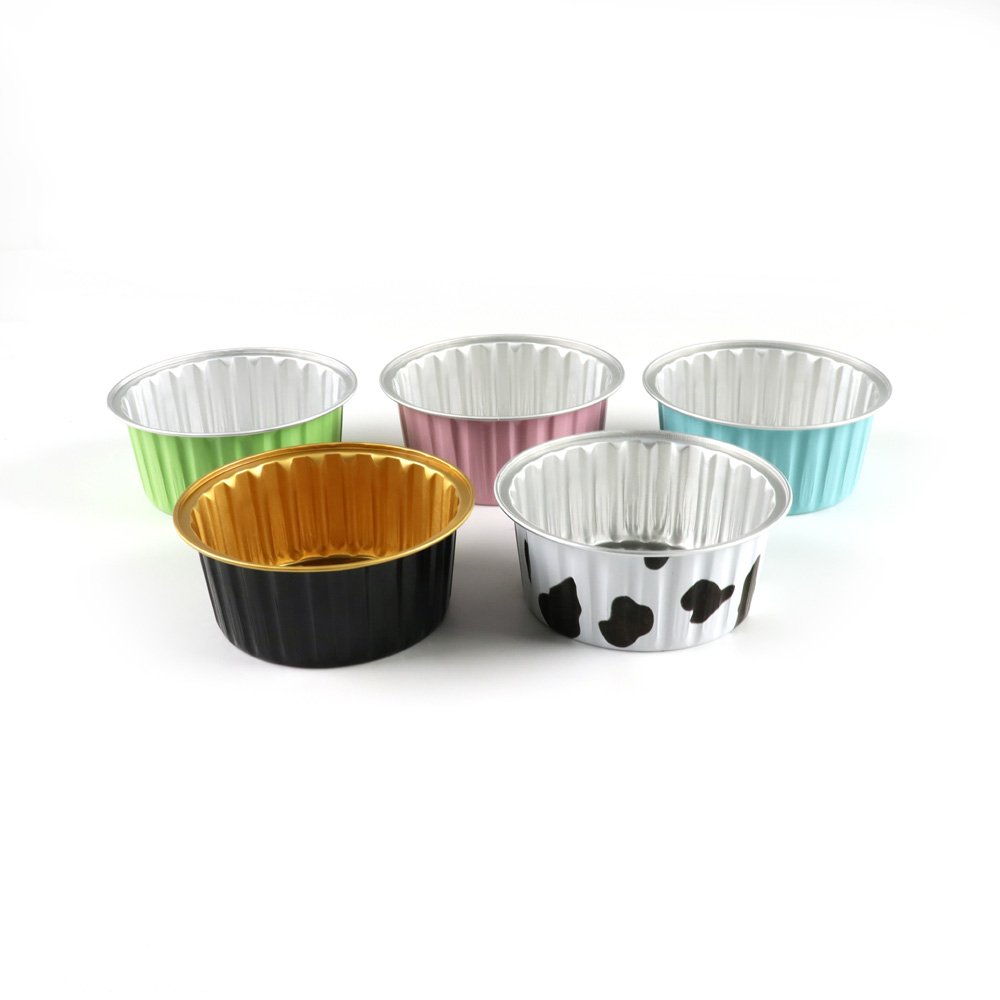
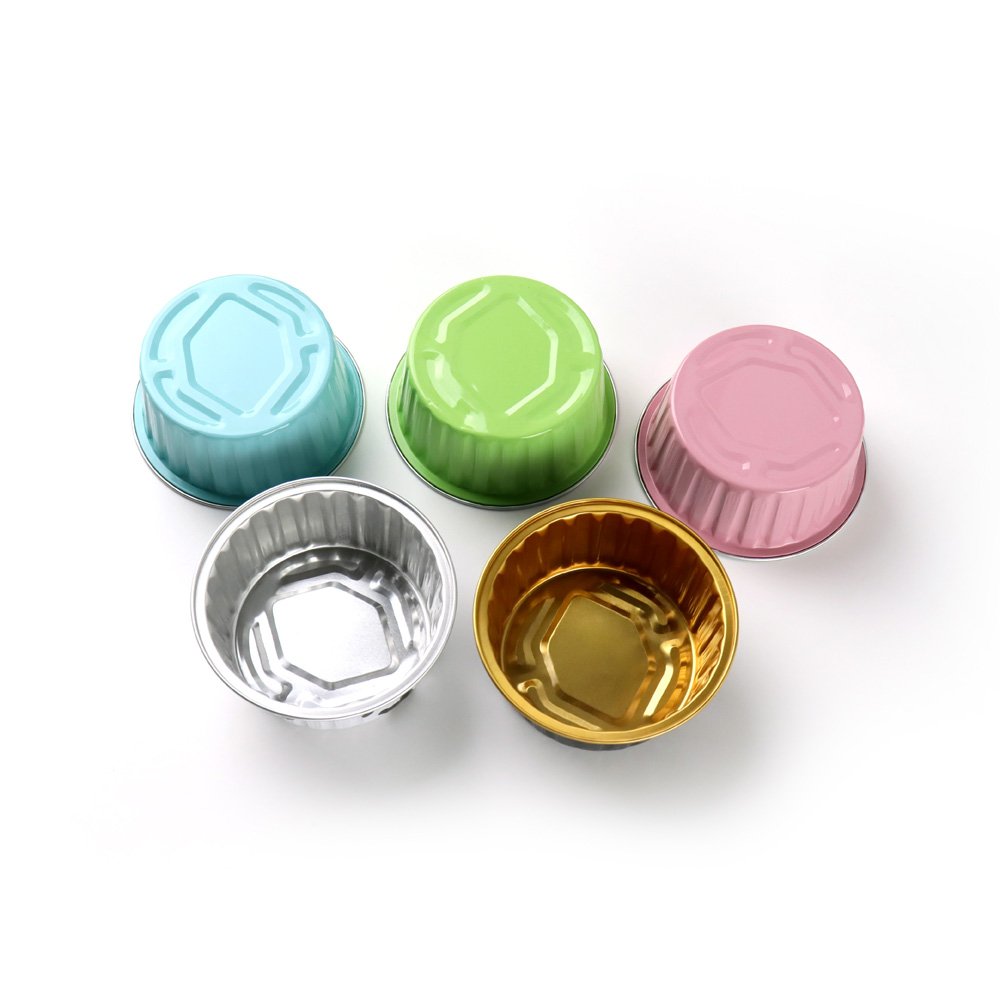
- Wrinkle Wall Containers: Manufactured with folds (wrinkles) along the sides and rim. They are typically paired with foil-board lids or plastic clip-on lids. They are perfect for standard bakery items, roasting, and takeaway where a hermetic air-tight seal is not required.
- Smooth Wall Containers: Engineered with a completely flat, smooth rim and walls. This design allows for a heat-sealed film to be applied directly to the flange, creating a leak-proof, vacuum-tight seal. This makes them the standard for “Modified Atmosphere Packaging” (MAP) used in supermarkets to significantly extend shelf life.
Are you launching a new line of ready-to-eat meals and struggling to decide on the packaging format? Choosing the wrong container type can not only affect your product’s shelf life but also how customers perceive your brand’s value. This guide breaks down the technical and commercial differences to help you choose the right aluminum solution.
The Evolution of Aluminum Packaging Design
In the past, almost all aluminum trays were “wrinkle wall.” You would recognize them by the crinkled texture on the sides. While these remain excellent for many uses, the demand for premium, leak-proof, and longer-lasting food options has driven the innovation of “smooth wall” technology.
For B2B buyers—whether you are a food factory owner or a packaging distributor—understanding this distinction is vital. It dictates the machinery you need (sealing machines vs. lid crimpers) and the markets you can enter.
The Wrinkle Wall Container: The Cost-Effective Workhorse
Wrinkle wall containers are the industry standard for a reason: they are affordable and functional.
These trays are formed by pressing a sheet of aluminum into a mold, allowing the excess material to fold or “wrinkle” at the corners and sides. The rim is usually curled (rolled edge) or vertical.
Best Applications:
- Bakery: Pies, tarts, and cakes where the crust supports the structure.
- Roasting: Large turkeys or meat cuts where the container is primarily for cooking.
- Takeaway: Standard delivery where the food is consumed immediately.
The Limitation: Because the rim is not perfectly flat (it has micro-folds), you cannot easily heat-seal a plastic film onto it to create a gas-tight bond. You typically rely on a cardboard lid or a plastic dome, which is not suitable for long-term preservation on a supermarket shelf.
The Smooth Wall Revolution: Premium Aesthetics and Preservation
Smooth wall aluminum packaging is manufactured using a drawing process that eliminates the folds. This results in a sleek, rigid container that looks like a permanent dish rather than disposable packaging.
1. Extending Shelf Life with MAP
The flat rim of a smooth wall container is its superpower. It allows for Modified Atmosphere Packaging (MAP).
In this process, air is removed and replaced with a protective gas mix (usually nitrogen and CO2) before a plastic film is heat-sealed to the flat rim. Because the rim is smooth, the seal is hermetic (air-tight). This can extend the shelf life of fresh meat or ready meals from a few days to several weeks without freezing.
2. High-End Brand Perception
If you are targeting the premium segment—such as airline catering or high-end retail—smooth wall is the only choice. It feels sturdier in the hand and mimics the look of traditional cookware. When a customer picks up a heavy-duty smooth wall tray, they subconsciously assign a higher value to the food inside compared to a standard crinkled foil tray.
3. Cooking and Handling
Smooth wall trays are generally manufactured with a thicker gauge of aluminum. This makes them incredibly robust. They can travel from a blast freezer to a microwave or a conventional oven without warping. For large food factories, this rigidity is crucial as it withstands the rigors of automated conveyor belts and filling lines better than lighter alternatives.
Comparison: Which One Fits Your Production Line?
To help you make a quick decision, here is a comparison of the operational requirements.
| Feature | Wrinkle Wall | Smooth Wall |
|---|---|---|
| Rim Design | Curled, Vertical, or Interrupted Vertical | Flat Flange |
| Closure Method | Crimping (Foil Board), Clip-on Lids | Heat Seal Film, Clip-on Lids |
| Seal Integrity | Liquid tight (mostly), not Gas tight | Hermetic, Gas tight, Leak proof |
| Typical Gauge | Thinner (Cost saving) | Thicker (Premium feel) |
| Shelf Life | Short term (days) | Long term (weeks with MAP) |
| Machine Cost | Lower (Lidding machines) | Higher (Tray sealers) |
Making the Investment Decision
Switching from wrinkle to smooth wall often involves an investment in heat-sealing machinery. However, for many businesses, this cost is offset by the reduction in food waste (due to longer shelf life) and the ability to charge a premium price.
At Reliancepak, we supply both types. We often see clients start with wrinkle wall containers for local distribution and upgrade to smooth wall aluminum packaging as they expand into regional supermarkets or export markets where shelf life becomes critical.
Conclusion
There is no “bad” choice, only the right choice for your specific product. If you are baking pies for a local chain, the wrinkle wall tray is cost-effective and efficient. If you are producing gourmet ready meals for national distribution, the smooth wall container provides the safety, longevity, and aesthetics your brand requires.
Regardless of your choice, aluminum remains the superior material for sustainability and performance.
Frequently Asked Questions (FAQ)
Q: Can I heat seal a wrinkle wall container?
A: Generally, no. The folds in the rim prevent a continuous seal with the film, leading to leaks. However, there are some specialized “semi-smooth” containers, but for a true gas-flush seal, smooth wall is required.
Q: Is smooth wall aluminum packaging more expensive?
A: Yes, typically. The manufacturing process is slower, and the gauge (thickness) of the aluminum is usually higher to withstand the drawing process, which increases the material cost.
Q: Can both types be used in the microwave?
A: Yes, both are microwave safe (provided they don’t touch the walls). However, smooth wall containers are often preferred for premium microwave meals as they are more rigid and easier to handle when hot.
Q: Do I need different molds for smooth wall containers?
A: Yes. If you are ordering custom sizes, the tooling (molds) for smooth wall containers is different and slightly more expensive than standard wrinkle wall molds.