
TL;DR While biodegradable packaging promises to decompose naturally, it often requires specific industrial facilities to break down effectively. Recyclable aluminum packaging offers a superior sustainable solution because it integrates seamlessly into existing recycling infrastructures and retains its material value indefinitely.
Understanding the Sustainable Packaging Dilemma
When choosing eco-friendly packaging, businesses often face a confusing choice between materials labeled “biodegradable” and those labeled “recyclable.” The difference lies in their end-of-life journey.
Biodegradable materials, such as certain bioplastics (PLA) or treated papers, require specific conditions like high heat and humidity to decompose. Without access to industrial composting facilities, these items often end up in landfills where they act just like regular trash.
In contrast, aluminum packaging supports a circular economy. It is a permanent material that can be melted down and reformed without any loss of quality. Because aluminum scrap holds high monetary value, waste management companies are financially incentivized to collect and process it. This established infrastructure makes aluminum a more practical and impactful choice for global waste reduction compared to biodegradable options that lack processing support.
Are you worried that your “eco-friendly” packaging might actually be ending up in a landfill? Read on to discover why the recycling infrastructure favors aluminum and how this impacts your sustainability goals.

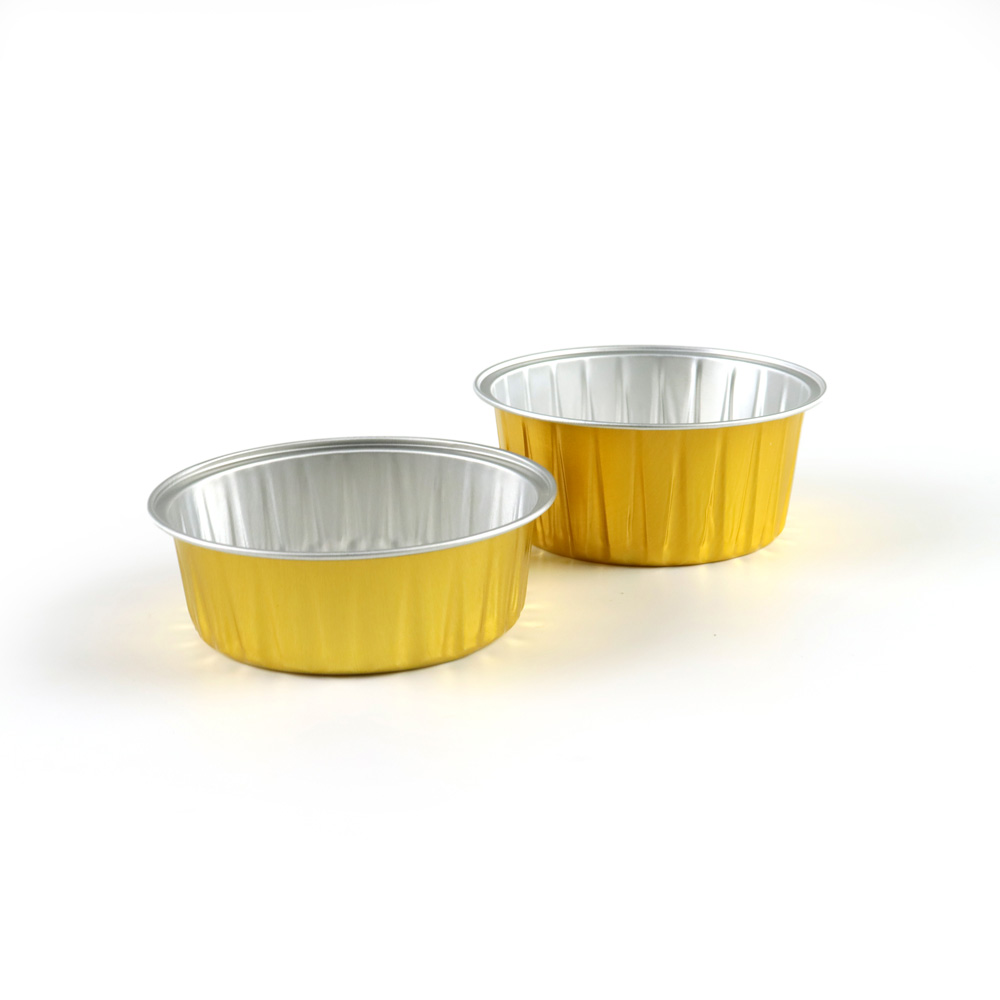
What Is the Real Difference Between Biodegradable and Compostable?
Terminology in the green packaging sector can be misleading. You might see terms like “biodegradable,” “compostable,” and “recyclable” used interchangeably, but they mean very different things.
Biodegradable simply means a material can break down into natural elements. However, this definition does not specify a timeframe. Even regular plastic is technically biodegradable if you wait hundreds of years.
Compostable is more specific. It means the material will break down into organic matter within a set time, usually 90 days, but only under specific environmental conditions.
The problem for many businesses is that “compostable” packaging often requires industrial composting plants. If your customer throws that corn-starch container into a home garden or a standard recycling bin, it creates contamination. It disrupts the recycling stream and often ends up as landfill waste.
Why Does Waste Infrastructure Favor Aluminum Packaging?
When we look at global waste management, we must look at economics. Recycling is a business. For a material to be recycled, it must be profitable to collect.
The Value of Scrap
Aluminum is like an energy bank. Recycling used aluminum saves 95% of the energy needed to produce new metal. This efficiency gives used aluminum trays a high scrap value. Waste collectors and sorting facilities actively look for aluminum because they can sell it.
The Reality of Bioplastics
Biodegradable plastics often look exactly like standard PET plastic. This causes confusion at sorting centers. If a biodegradable cup gets mixed with standard plastic, it can ruin the entire batch of recycled plastic. Because of this risk, many facilities simply send anything looking like bioplastic straight to the incinerator or landfill.
How Does the “Infinite Loop” Work?
Aluminum packaging creates what experts call a closed-loop system.
- Production: You buy aluminum trays for your food products.
- Consumption: The consumer uses the tray.
- Collection: The tray is tossed in a recycling bin.
- Processing: It is cleaned, melted, and rolled into new sheets.
- Rebirth: The same metal is back on the shelf as a new product in as little as 60 days.
This cycle can happen forever. The aluminum atom does not degrade. This aligns perfectly with the environmental goals of many of our clients in Europe and South America.
Comparing Material Performance and Sustainability
To make the best decision for your supply chain, you need to compare how these materials perform in real-world scenarios.
| Feature | Aluminum Packaging | Biodegradable (PLA/Bagasse) |
| End of Life | Infinitely Recyclable | Industrial Compost Required |
| Scrap Value | High (Incentivized) | Low or Negative |
| Barrier Properties | Total Barrier (Water/Oxygen) | Porous (May leak over time) |
| Heat Tolerance | High (Oven/Grill safe) | Low (Often melts/deforms) |
| Sorting Ease | Easy (Eddy current separators) | Difficult (Confused with plastic) |
Is Aluminum Packaging Better for Food Preservation?
Sustainability is not just about the packaging material; it is also about preventing food waste. Food waste contributes massively to greenhouse gas emissions.
Biodegradable containers, especially those made from pulp or bagasse, are often breathable. While this is good for decomposition, it is bad for shelf life. Oxygen and moisture can penetrate the package, causing food to spoil faster.
Aluminum provides a complete barrier. It blocks light, oxygen, moisture, and bacteria. By extending the shelf life of your product, you reduce the amount of spoiled food thrown away by retailers and consumers. This is a critical, often customized feature for food factories we work with2.
How Can Your Business Transition to Recyclable Solutions?
Switching packaging materials is a major operational change. You need a partner who understands both the manufacturing and the logistics.
At Reliancepak, we act as both a factory and a trading partner3. This means we can help you assess your current packaging and suggest aluminum alternatives that fit your budget and sustainability targets.
You do not have to sacrifice convenience for sustainability. Modern aluminum solutions can be customized with your branding, offering a premium look that tells your customers you care about the planet4.
Conclusion
While biodegradable materials have their place, the current global infrastructure is not ready to handle them at scale. Aluminum packaging offers a pragmatic, proven, and profitable path to sustainability. It supports the circular economy today, not just in the future. By choosing a material that is infinitely recyclable, you ensure your business remains compliant with environmental standards while delivering high-quality protection for your food products.
Frequently Asked Questions (FAQ)
Q: Do I need to wash aluminum trays before recycling them?
A: Ideally, yes. A quick rinse to remove large food scraps helps the recycling process. However, modern recycling plants use high heat that burns off residue, so minor grease is usually acceptable.
Q: Is aluminum packaging more expensive than biodegradable options?
A: It depends on the type. Generally, aluminum is competitively priced and often cheaper than high-grade certified compostable bioplastics.
Q: Can aluminum trays be composted?
A: No. Aluminum is a metal and will not break down biologically. It must be put in the recycling bin to enter the material recovery loop.
Q: Does Reliancepak offer samples of recyclable trays?
A: Yes, we provide free samples so you can test the durability and quality of our environmentally friendly materials before placing a bulk order5.
Q: Why is aluminum considered a permanent material?
A: Unlike plastic, which degrades in quality each time it is recycled, aluminum retains its atomic structure and material properties forever, no matter how many times it is melted down.