
Introduction
In the competitive world of fresh produce, extending shelf life is paramount for growers, distributors, and retailers alike. It directly impacts profitability by reducing waste, maintaining quality, and ensuring consumer satisfaction. While factors like harvesting techniques and storage conditions play a crucial role, the often-underestimated hero in this equation is effective packaging design. Thoughtful produce packaging supplies can significantly slow down spoilage, protect delicate items, and preserve freshness from farm to fork. This blog post delves into the intricate ways packaging design contributes to prolonging the shelf life of fresh produce, exploring key features, materials, and innovative solutions that make a tangible difference.
Understanding Produce Spoilage: The Enemy of Freshness
Before we explore how packaging helps, it’s essential to understand what causes produce to spoil. Fresh fruits and vegetables are living organisms, and their deterioration is a natural process influenced by several environmental factors. These factors, if not managed effectively, can rapidly diminish quality and lead to significant losses. Therefore, understanding these mechanisms is the first step toward implementing effective produce packaging solutions.
Respiration: The Breathing Process
Produce continues to respire even after harvest, taking in oxygen and releasing carbon dioxide, water, and heat. This metabolic activity consumes stored energy, leading to ripening and eventual senescence (aging). The rate of respiration varies greatly among different types of produce; for instance, leafy greens respire much faster than root vegetables. High respiration rates accelerate spoilage, making it crucial to control the surrounding atmosphere.
Transpiration: Moisture Loss
Transpiration is the loss of water vapor from the surface of produce. This process leads to wilting, shriveling, and loss of turgidity, significantly impacting appearance, texture, and weight. Maintaining optimal humidity levels around the produce is vital to minimize water loss and preserve its crispness and freshness. Packaging acts as a barrier, helping to create a microclimate that reduces transpiration.
Microbial Growth: The Invisible Threat
Bacteria, yeasts, and molds are naturally present on produce surfaces and in the environment. Given favorable conditions—such as moisture, nutrients, and suitable temperatures—these microorganisms can multiply rapidly, causing decay, discoloration, and off-flavors. Packaging must provide a protective barrier against external contaminants while also managing internal moisture to inhibit microbial proliferation. Effective produce packaging supplies are designed to mitigate these risks.
Ethylene Production: The Ripening Hormone
Ethylene is a natural plant hormone produced by many fruits and vegetables, particularly climacteric fruits like apples, bananas, and tomatoes. It acts as a signaling molecule, accelerating the ripening process in both the producing fruit and nearby produce. Uncontrolled ethylene accumulation within packaging can lead to premature ripening and spoilage, especially in mixed produce shipments. Therefore, managing ethylene levels is a critical aspect of extending shelf life through packaging.
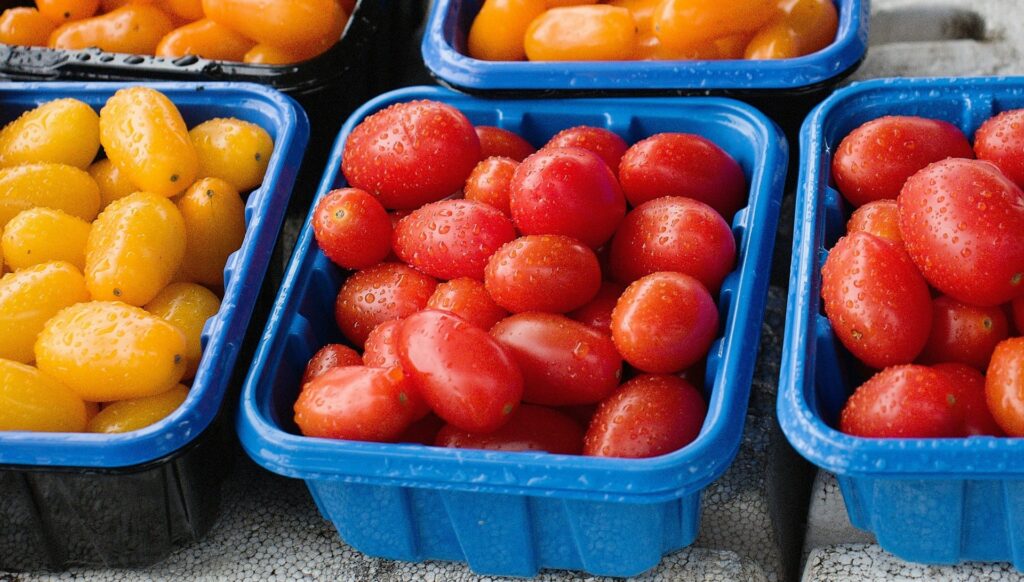
How Packaging Design Extends Shelf Life: Key Strategies
Packaging design is not merely about aesthetics; it is a sophisticated science aimed at creating an optimal microenvironment for fresh produce. By strategically addressing the factors that cause spoilage, innovative produce packaging supplies can significantly extend the usable life of fruits and vegetables. This involves a combination of material science, structural engineering, and an understanding of produce physiology.
Modified Atmosphere Packaging (MAP)
Modified Atmosphere Packaging (MAP) is a technique that alters the gaseous environment around the produce within the package. This involves reducing oxygen levels and increasing carbon dioxide levels, thereby slowing down respiration rates and inhibiting microbial growth. The specific gas composition is tailored to the type of produce, as different fruits and vegetables have varying respiratory needs. MAP effectively creates a controlled atmosphere that puts the produce into a state of dormancy, significantly extending its freshness.
Permeable Films and Micro-perforations
While MAP involves actively modifying the atmosphere, permeable films and micro-perforations offer a passive approach. These films are designed with specific permeability rates that allow for a controlled exchange of gases (oxygen and carbon dioxide) and water vapor. Micro-perforations, tiny holes in the film, further fine-tune this exchange, preventing anaerobic conditions (lack of oxygen) that can lead to off-flavors and odors. This ensures that the produce can still breathe’ without excessive moisture buildup or oxygen depletion. This is a crucial aspect of effective produce packaging supplies.
Active Packaging Solutions
Active packaging goes beyond passive protection by actively interacting with the produce or the package environment to extend shelf life. These innovative produce packaging supplies incorporate substances that release or absorb compounds to maintain optimal conditions. Examples include:
- Ethylene Absorbers: These sachets or films contain materials like potassium permanganate that scavenge ethylene, preventing premature ripening and senescence in ethylene-sensitive produce.
- Oxygen Scavengers: These absorb residual oxygen within the package, further reducing oxidation and inhibiting aerobic microbial growth.
- Moisture Absorbers: Desiccants or humidity-regulating materials can control condensation and excess moisture, preventing microbial spoilage and maintaining product crispness.
Structural Design for Protection
Beyond atmospheric control, the physical structure of produce packaging supplies is vital for protecting delicate items from mechanical damage during handling, transportation, and display. Bruising, crushing, and punctures can accelerate spoilage and reduce marketability. Key structural considerations include:
- Cushioning: Materials like molded pulp, foam inserts, or corrugated cardboard provide shock absorption and prevent direct contact between produce items.
- Ventilation: Proper ventilation holes or designs allow for air circulation, preventing heat buildup and condensation, especially important for highly respiring produce.
- Stackability and Rigidity: Packaging designed for stable stacking reduces pressure on lower layers, minimizing damage during transit and storage. Rigid containers offer superior protection against external forces.
Material Choices for Optimal Produce Packaging Supplies
The selection of packaging materials is critical, as each material offers distinct properties that impact shelf life, sustainability, and cost. Reliancepak, as a leading provider of produce packaging supplies, offers a diverse range of materials to meet varied needs.
Plastics: Versatility and Barrier Properties
Plastics, such as PET, PP, and PVC, are widely used in produce packaging due to their versatility, clarity, and excellent barrier properties. They can be engineered to control gas exchange, provide moisture resistance, and offer robust physical protection. Clamshells, bags, and trays made from these materials are common for berries, leafy greens, and prepared produce. Innovations in bioplastics and recycled content are also making plastic produce packaging supplies more sustainable.
Paper and Cardboard: Breathability and Sustainability
Paper and cardboard-based produce packaging supplies, including corrugated boxes and molded pulp trays, offer breathability and are often favored for their sustainability and recyclability. They are ideal for produce that requires more air circulation and less moisture retention. While they may offer less barrier protection than plastics, their structural integrity and cushioning properties are excellent for bulk produce and items like apples, potatoes, and citrus.
Hybrid Solutions: Combining the Best of Both Worlds
Increasingly, hybrid produce packaging solutions combine different materials to leverage their respective advantages. For example, a cardboard tray with a plastic film lid can offer both breathability and barrier protection, along with good visibility of the product. These combinations allow for optimized performance in terms of shelf life extension and consumer appeal.
Innovative Packaging Technologies from Reliancepak
Reliancepak is committed to providing cutting-edge produce packaging supplies that meet the evolving demands of the fresh produce industry. Our solutions are designed to not only extend shelf life but also enhance product presentation and operational efficiency. With 9 production lines and a focus on professional customization, we offer tailored solutions for every client.
Customization for Specific Produce Needs
We understand that each type of produce has unique requirements. Our expertise in professional customization allows us to design produce packaging supplies that precisely match the respiration rates, moisture sensitivity, and physical fragility of your specific fruits and vegetables. This bespoke approach ensures maximum shelf life extension and minimal waste.
Environmentally Friendly Materials
Reliancepak prioritizes sustainability. We offer a range of environmentally friendly produce packaging supplies, including options made from recycled plastics and sustainably sourced paper. Our commitment to eco-conscious materials helps our clients meet their sustainability goals while still achieving superior product protection and shelf life.
Advanced Barrier Technologies
Our advanced barrier technologies, integrated into our plastic packaging trays and disposable food containers, provide superior protection against oxygen, moisture, and other external factors. These technologies are crucial for maintaining the freshness and quality of highly perishable produce, ensuring it reaches consumers in optimal condition.
Case Study: Reliancepak’s Impact on Produce Freshness
Consider a large fruit and vegetable farm owner struggling with significant post-harvest losses due to rapid spoilage. By partnering with Reliancepak, they implemented a customized produce packaging solution incorporating MAP technology and structurally reinforced plastic trays. The result was a remarkable 30% reduction in spoilage during transit and storage, leading to increased profitability and expanded market reach. This demonstrates the tangible benefits of investing in high-quality produce packaging supplies.
The Economic Benefits of Extended Shelf Life
Extending the shelf life of produce through effective packaging design offers substantial economic advantages for businesses across the supply chain. These benefits translate directly into improved profitability and reduced operational costs.
Reduced Food Waste
Food waste is a significant global issue with substantial economic and environmental implications. By extending shelf life, produce packaging supplies directly contribute to reducing waste at every stage, from farm to retail. This means fewer discarded products, lower disposal costs, and a more sustainable operation.
Increased Market Reach
Longer shelf life allows produce to be transported over greater distances and stored for longer periods, opening up new markets and distribution channels. This is particularly beneficial for exporters like Reliancepak, enabling them to serve clients in diverse countries such as Malaysia, Peru, Austria, and the United States.
Enhanced Brand Reputation and Consumer Satisfaction
Consistently delivering fresh, high-quality produce builds trust and enhances brand reputation. Consumers are more likely to repurchase products that maintain their freshness and appearance. This leads to increased sales and customer loyalty, ultimately boosting the bottom line.
Optimized Inventory Management
With extended shelf life, businesses can manage their inventory more efficiently. There is less pressure for immediate sale, allowing for better planning, reduced stockouts, and minimized losses due to expired goods. This streamlined inventory process contributes to overall operational efficiency.
Future Trends in Produce Packaging
The produce packaging industry is constantly evolving, driven by technological advancements, consumer demands for sustainability, and the ongoing need for extended shelf life. Several key trends are shaping the future of produce packaging supplies.
Biodegradable and Compostable Materials
There is a growing demand for packaging solutions that minimize environmental impact. Research and development are focused on creating more effective biodegradable and compostable produce packaging supplies that can break down naturally without harming the environment. This includes materials derived from plant-based sources.
Smart Packaging with Sensors
Smart packaging incorporates sensors and indicators that provide real-time information about the produce’s condition, such as temperature fluctuations, gas levels, or ripeness. These technologies can alert consumers and retailers to potential spoilage, further reducing waste and ensuring optimal quality. This represents a significant leap forward in produce packaging supplies.
Recycled Content and Circular Economy
Emphasis on a circular economy model means increasing the use of recycled content in produce packaging and designing packaging for easier recyclability. This reduces reliance on virgin resources and minimizes landfill waste, aligning with global sustainability goals. Reliancepak is actively involved in offering solutions with high recycled content.
Conclusion
Effective packaging design is an indispensable element in extending the shelf life of fresh produce. By addressing the fundamental causes of spoilage—respiration, transpiration, microbial growth, and ethylene production—innovative produce packaging supplies play a critical role in preserving quality, reducing waste, and enhancing profitability. From Modified Atmosphere Packaging to active solutions and intelligent structural designs, the advancements in this field are continuously transforming the fresh produce supply chain. Companies like Reliancepak are at the forefront, offering customized, environmentally friendly, and technologically advanced produce packaging supplies that empower businesses to deliver fresher produce to consumers worldwide. Investing in superior packaging is not just about protection; it’s about securing a sustainable and profitable future for the entire produce industry.
FAQ
Q1: What is the primary goal of produce packaging?
A1: The primary goal of produce packaging is to protect fresh fruits and vegetables from physical damage, control their respiration and transpiration rates, inhibit microbial growth, and manage ethylene production to extend their shelf life and maintain quality during transit and storage.
Q2: How does Modified Atmosphere Packaging (MAP) extend shelf life?
A2: MAP extends shelf life by altering the composition of gases inside the package, typically by reducing oxygen and increasing carbon dioxide. This slows down the produce’s respiration rate and inhibits the growth of spoilage-causing microorganisms, keeping the produce fresh for longer.
Q3: Are Reliancepak’s produce packaging supplies environmentally friendly?
A3: Yes, Reliancepak is committed to sustainability. We offer a range of environmentally friendly produce packaging supplies, including options made from recycled materials and those designed for recyclability, helping our clients meet their environmental goals.
Q4: What are active packaging solutions?
A4: Active packaging solutions are innovative produce packaging supplies that actively interact with the product or its environment. This can include ethylene absorbers to prevent premature ripening, oxygen scavengers to reduce oxidation, or moisture absorbers to control humidity, all aimed at extending shelf life.
Q5: How does packaging reduce food waste?
A5: By extending the shelf life of produce, effective packaging reduces spoilage and deterioration, meaning fewer products are discarded at farms, during transit, in retail, or by consumers. This directly contributes to a significant reduction in food waste across the supply chain.
Q6: Can Reliancepak customize packaging for specific produce types?
A6: Absolutely. Reliancepak specializes in professional customization. We design produce packaging supplies tailored to the unique needs of different fruits and vegetables, considering their specific respiration rates, moisture sensitivity, and physical fragility to ensure optimal shelf life extension.