
Introduction
In the fast-paced and highly competitive world of produce wholesale, every operational efficiency and cost-saving measure can significantly impact the bottom line. Wholesalers constantly seek ways to optimize their processes, from sourcing to distribution, to maximize profitability. One often-overlooked yet profoundly impactful area for cost reduction lies in the strategic procurement and utilization of produce packaging supplies. Specifically, leveraging bulk produce packaging supplies offers a multitude of financial and operational advantages that can lead to substantial savings for wholesalers. This blog post will explore the various ways in which adopting bulk packaging solutions can reduce costs, streamline operations, and ultimately enhance the profitability of produce wholesalers.
The Financial Benefits of Bulk Purchasing
The most immediate and apparent advantage of acquiring produce packaging supplies in bulk is the direct financial savings on the purchase price. This principle, often referred to as economies of scale, is a cornerstone of efficient procurement in any industry, and produce wholesale is no exception. By committing to larger quantities, wholesalers can unlock significant discounts and more favorable terms from suppliers.
Lower Unit Costs
When purchasing produce packaging supplies in larger volumes, the cost per unit invariably decreases. Suppliers are often willing to offer lower prices for bulk orders because it reduces their own per-unit production, handling, and administrative costs. This direct saving on each unit of packaging material translates into a lower overall expenditure for the wholesaler, directly improving profit margins on the produce they sell. For example, a plastic packaging tray bought individually will be significantly more expensive than one purchased as part of a large consignment.
Reduced Shipping and Handling Fees
Consolidating orders for produce packaging supplies into fewer, larger shipments also leads to considerable savings on transportation and logistics. Instead of multiple smaller deliveries, which incur separate shipping charges and handling fees, a single bulk delivery is more cost-effective. This reduction in freight costs directly contributes to lower operational expenses. Furthermore, fewer deliveries mean less administrative work, such as processing invoices and managing multiple receiving schedules.
Minimized Administrative Overhead
Each purchase order, invoice, and payment transaction involves administrative time and resources. By purchasing produce packaging supplies in bulk, wholesalers can significantly reduce the frequency of these transactions. This translates into less paperwork, fewer accounting entries, and more efficient use of staff time, freeing up resources that can be reallocated to other critical business functions. The simplification of the procurement process is a tangible, albeit sometimes indirect, cost saving.
Price Stability and Hedging Against Fluctuations
Bulk purchasing allows wholesalers to lock in prices for a longer period, providing a degree of stability against market fluctuations in the cost of raw materials or manufacturing. In an unpredictable economic environment, securing a consistent supply of produce packaging supplies at a fixed, favorable rate can be a significant advantage, enabling better financial forecasting and budgeting. This strategic move can protect profit margins from unexpected price hikes.
Operational Efficiencies Gained from Bulk Produce Packaging Supplies
Beyond direct financial savings, utilizing bulk produce packaging supplies introduces a range of operational efficiencies that contribute to overall cost reduction and improved productivity for wholesalers. These efficiencies stem from streamlined inventory management, optimized storage, and enhanced supply chain reliability.
Streamlined Inventory Management
Bulk purchasing simplifies inventory management. With larger quantities of produce packaging supplies on hand, wholesalers experience fewer stockouts and reduced instances of emergency orders, which often come with premium prices and expedited shipping costs. This allows for more predictable inventory cycles and less time spent on reordering. Furthermore, managing fewer, larger shipments is inherently less complex than handling numerous small deliveries.
Optimized Storage and Handling
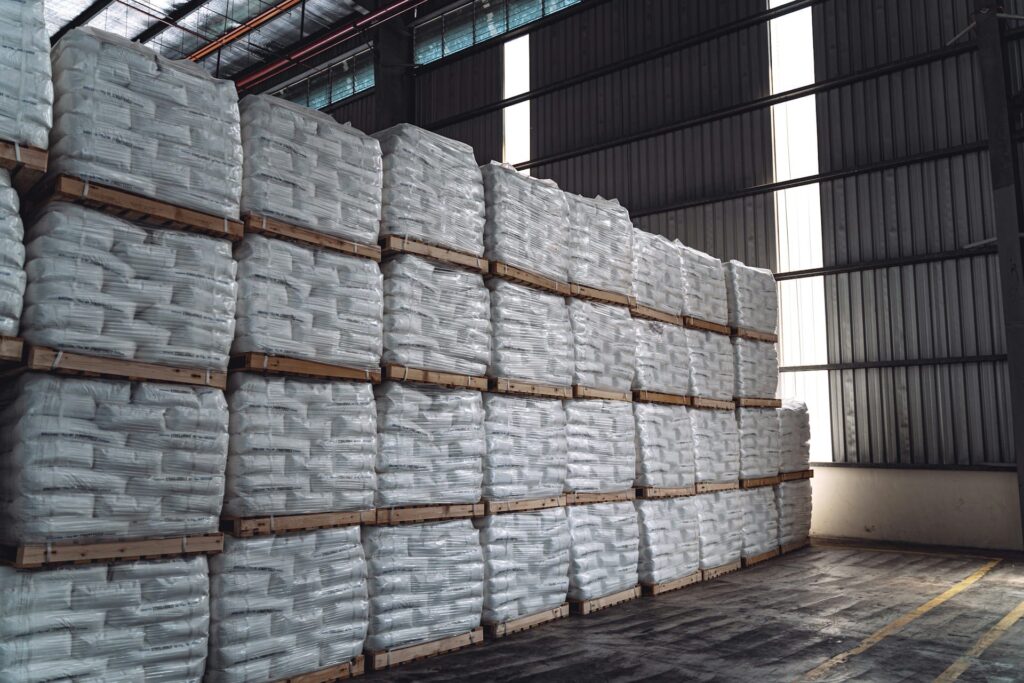
While bulk orders require more storage space initially, they can lead to optimized storage solutions. Wholesalers can design dedicated storage areas for their produce packaging supplies, ensuring efficient use of warehouse space. Moreover, handling larger, standardized units can be more efficient with appropriate equipment, reducing labor time and potential damage during internal transfers. Reliancepak’s diverse range of products, including plastic packaging trays, paper boxes, and plastic cups, can be supplied in bulk to fit various storage configurations.
Enhanced Supply Chain Reliability
Establishing long-term relationships with suppliers through bulk purchasing enhances supply chain reliability. Wholesalers become more valuable clients, often receiving priority service, better communication, and more flexibility during unforeseen circumstances. This stability in the supply of critical produce packaging supplies minimizes disruptions to operations, ensuring that packaging is always available when needed, thus preventing costly delays in processing and distribution.
Strategic Considerations for Implementing Bulk Packaging
While the benefits of bulk produce packaging supplies are clear, successful implementation requires strategic planning and careful consideration of several factors. Wholesalers must assess their specific needs, storage capabilities, and operational flows to maximize the advantages.
Assessing Current and Future Needs
Before committing to bulk orders, wholesalers should conduct a thorough analysis of their historical consumption patterns for produce packaging supplies and forecast future demand. This includes considering seasonal variations, growth projections, and potential new product lines. Accurate forecasting prevents overstocking, which ties up capital and storage space, and understocking, which can lead to costly operational bottlenecks.
Storage Capacity and Infrastructure
Bulk quantities of produce packaging supplies naturally require more storage space. Wholesalers must evaluate their existing warehouse capacity and, if necessary, invest in additional storage solutions or optimize current layouts. Considerations also include appropriate handling equipment, such as forklifts or pallet jacks, to efficiently manage larger volumes of materials. Reliancepak, with its fast delivery and professional customization, can help clients manage their supply chain effectively.
Supplier Relationships and Customization
Developing strong relationships with reliable suppliers like Reliancepak is crucial. A good supplier can offer not only competitive bulk pricing but also professional customization services, ensuring that the produce packaging supplies meet specific product requirements. Reliancepak’s ability to provide rare products for one-stop purchase and free samples can be particularly beneficial for wholesalers looking for tailored solutions and quality assurance.
Quality Control and Material Consistency
When purchasing in bulk, maintaining consistent quality of produce packaging supplies is paramount. Wholesalers should ensure that their suppliers adhere to strict quality control standards. Reliancepak, with its food-grade certificates (EU, FDA, etc.) and 9 production lines, guarantees high-quality, consistent materials, which is vital for protecting produce and maintaining brand reputation.
Real-World Impact: How Bulk Purchasing Transforms Wholesale Operations
Let’s consider a hypothetical scenario to illustrate the transformative impact of adopting bulk produce packaging supplies. A mid-sized produce wholesaler, previously purchasing packaging on a just-in-time basis, faced fluctuating costs and occasional stockouts, leading to delays in their packing operations.
By transitioning to bulk procurement of their primary produce packaging supplies, including plastic packaging trays and paper boxes from Reliancepak, they achieved:
- 20% reduction in packaging material costs: Due to volume discounts.
- 15% decrease in shipping expenses: From fewer, larger deliveries.
- 10% improvement in labor efficiency: Reduced time spent on ordering and receiving.
- Near-zero stockouts: Ensuring continuous operation and timely fulfillment of orders.
This strategic shift not only improved their financial health but also enhanced their operational resilience and ability to serve their customers more consistently. This is a testament to the power of optimizing produce packaging supplies procurement.
Beyond Cost Savings: Sustainability and Market Advantage
While cost savings are a primary driver, bulk produce packaging supplies also offer significant advantages in terms of sustainability and market positioning, which indirectly contribute to long-term profitability and brand value.
Reduced Environmental Footprint
Bulk packaging often means less overall packaging material per unit of product, as individual wrapping or smaller cartons are minimized. This leads to a reduction in packaging waste. Furthermore, fewer shipments mean a lower carbon footprint associated with transportation. Reliancepak’s commitment to environmentally friendly materials further supports wholesalers’ sustainability goals.
Enhanced Brand Image and Competitiveness
Wholesalers who can demonstrate efficient operations and a commitment to cost-effectiveness through smart procurement of produce packaging supplies can gain a competitive edge. This efficiency can translate into more competitive pricing for their produce, attracting more B2B clients. Moreover, a focus on sustainable practices resonates with an increasing number of environmentally conscious buyers, enhancing brand image.
Conclusion
For produce wholesalers, the strategic adoption of bulk produce packaging supplies is a powerful lever for significant cost savings and operational efficiencies. From direct reductions in unit and shipping costs to streamlined inventory management and enhanced supply chain reliability, the benefits are multifaceted. Beyond the immediate financial gains, bulk purchasing also contributes to sustainability efforts and strengthens market positioning. By partnering with experienced providers like Reliancepak, who offer high-quality, customizable, and environmentally friendly produce packaging supplies, wholesalers can optimize their operations, reduce waste, and ultimately secure a more profitable and sustainable future in the dynamic produce industry.
FAQ
Q1: What are the main financial benefits of buying produce packaging supplies in bulk?
A1: The main financial benefits include lower unit costs due to economies of scale, reduced shipping and handling fees from consolidated deliveries, minimized administrative overhead, and increased price stability against market fluctuations.
Q2: How does bulk purchasing of produce packaging supplies improve operational efficiency?
A2: It streamlines inventory management by reducing stockouts, optimizes storage and handling processes, and enhances supply chain reliability through stronger supplier relationships, leading to smoother operations and reduced delays.
Q3: What should wholesalers consider before implementing bulk packaging strategies?
A3: Wholesalers should assess their current and future packaging needs, evaluate their storage capacity and infrastructure, establish strong relationships with reliable suppliers, and ensure consistent quality control of the materials.
Q4: Does Reliancepak offer customized bulk produce packaging solutions?
A4: Yes, Reliancepak specializes in professional customization and offers a wide range of produce packaging supplies in bulk, tailored to meet the specific needs of different produce types and operational requirements of wholesalers.
Q5: How does bulk packaging contribute to sustainability?
A5: Bulk packaging reduces the overall amount of packaging material used per unit of product, leading to less waste. It also lowers the carbon footprint associated with transportation due to fewer shipments, supporting environmental goals.
Q6: Can bulk purchasing help a wholesaler gain a competitive advantage?
A6: Absolutely. By reducing costs and improving operational efficiency, wholesalers can offer more competitive pricing. Additionally, a commitment to sustainable practices through bulk and eco-friendly produce packaging supplies can enhance brand image and attract environmentally conscious B2B clients.