
How Much Does It Cost to Switch to Bagasse Tableware?

Switching to bagasse tableware typically involves a 15-30% price premium over conventional plastic at the unit level, but total cost analysis reveals that regulatory compliance savings, waste disposal reductions, and brand value gains often neutralize or reverse this differential within 12-18 months of implementation. Many B2B buyers hesitate at the checkout line when comparing bagasse […]
What Makes Bagasse Tableware Better Than Plastic and Paper?
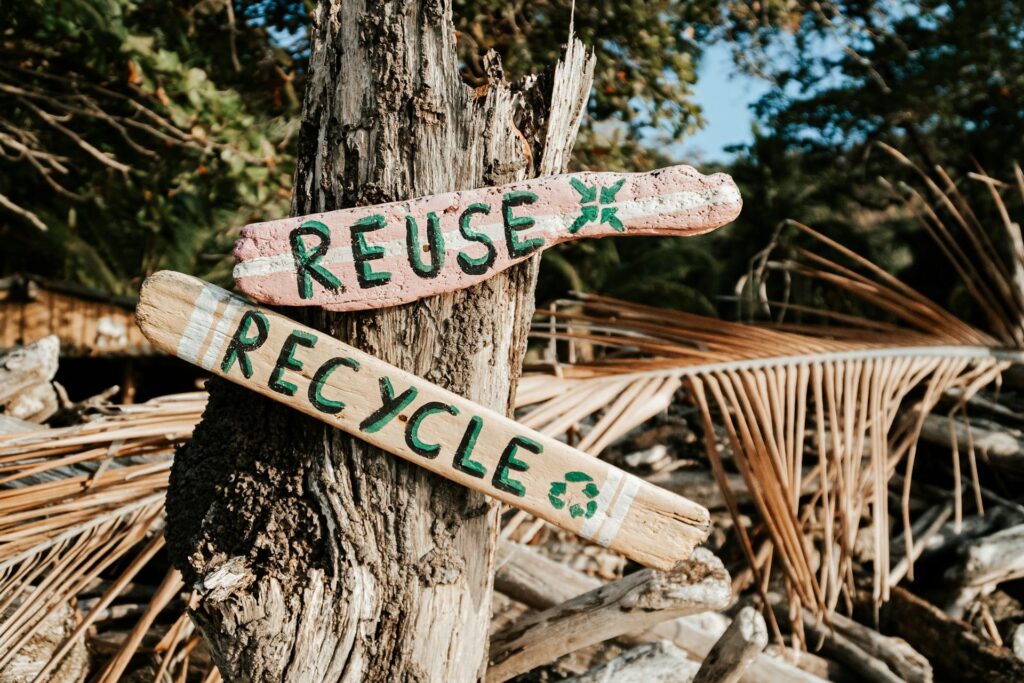
Bagasse tableware offers superior environmental performance, heat resistance, and cost-effectiveness compared to plastic, paper, and PLA alternatives, making it the optimal choice for foodservice businesses seeking sustainable packaging without compromising functionality. Selecting the right disposable packaging involves balancing multiple competing priorities. Food quality preservation, environmental responsibility, regulatory compliance, and budget management all demand attention simultaneously. […]
What Types of Food Can Be Served in Bagasse Tableware?
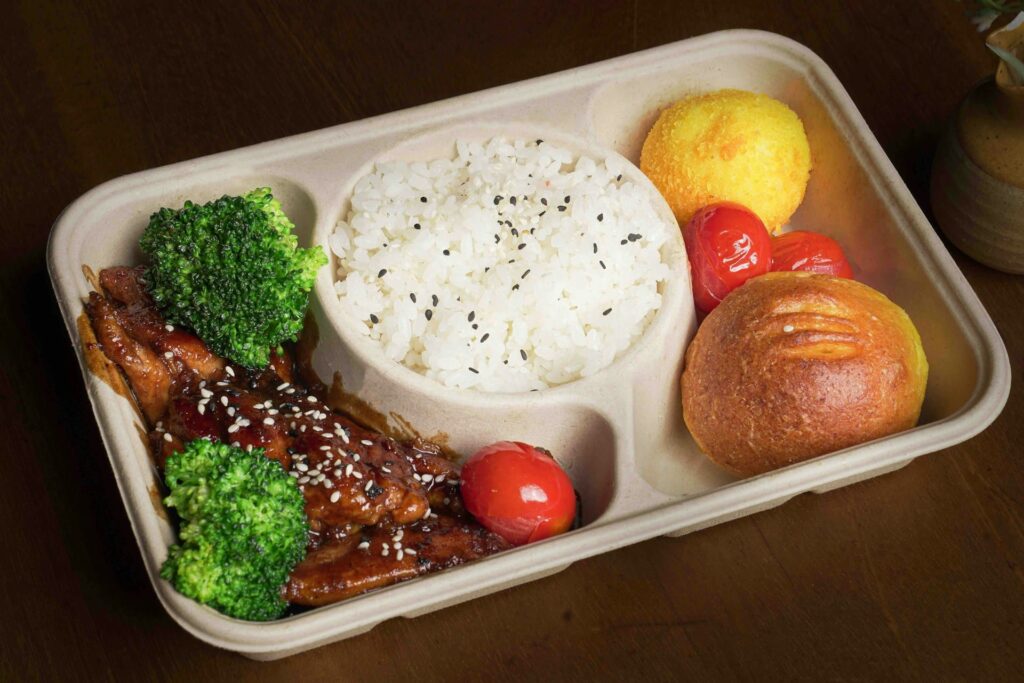
Bagasse tableware safely accommodates hot foods up to 120°C, cold preparations, greasy items, and moderately liquid dishes, making it suitable for nearly every menu category in commercial foodservice operations. This plant-based packaging handles everything from sizzling grilled proteins to fresh salads without compromising structural integrity or food safety. Foodservice operators transitioning to sustainable packaging often […]
How Bagasse Offer a Sustainable Alternative to Plastic?

Bagasse plates provide a sustainable alternative to plastic by utilizing sugarcane fiber waste that decomposes within 60 to 90 days under composting conditions, eliminating the centuries-long environmental persistence associated with petroleum-based disposables. These plant-based plates match plastic performance for heat resistance, structural integrity, and food safety while generating zero microplastic pollution during breakdown. Foodservice operators […]
How Bagasse Tableware Helps in Reducing Plastic Waste?
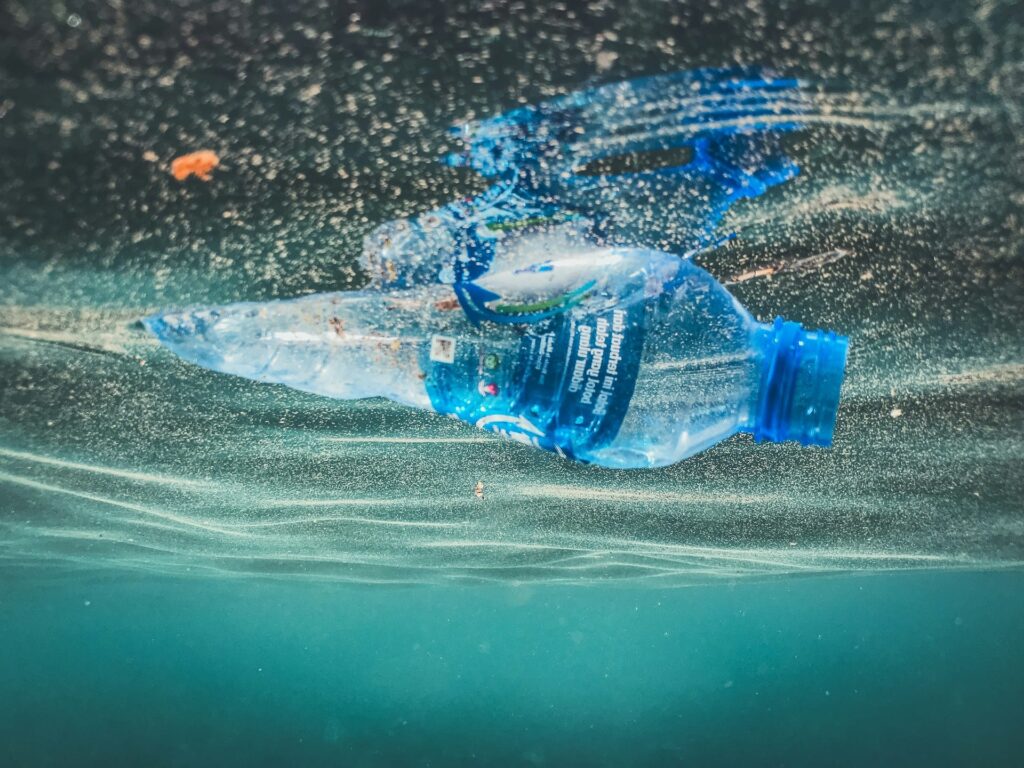
Bagasse tableware helps reduce plastic waste by providing a fully biodegradable alternative that decomposes within 60 to 90 days under composting conditions, directly replacing petroleum-based disposables that persist in environments for hundreds of years. This sugarcane fiber material offers comparable performance to plastic while generating zero microplastic pollution during its breakdown process. The foodservice industry […]
What is Bagasse Tableware and How is it Made?
Bagasse tableware is a category of disposable food service products manufactured from sugarcane fiber, the dry pulpy residue remaining after juice extraction from sugarcane stalks. This agricultural byproduct undergoes processing through pulping, molding, and drying stages to create plates, bowls, clamshells, and containers that serve as biodegradable alternatives to plastic and Styrofoam packaging. Many B2B […]
Streamline Supply Chain: One-Stop Sourcing for Packaging
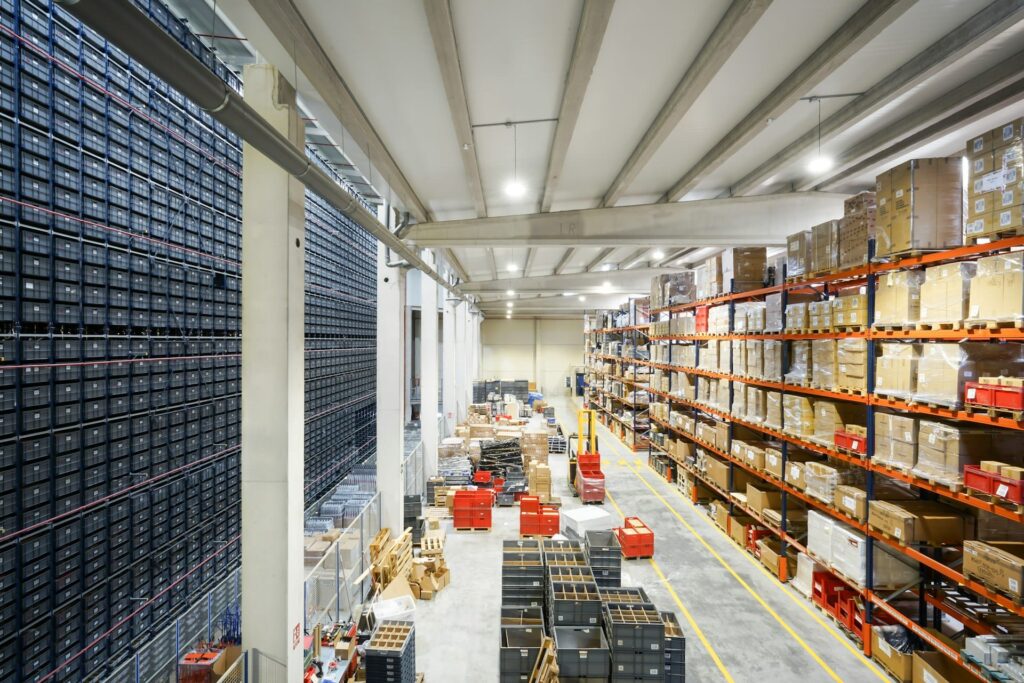
TL;DR Sourcing packaging materials from multiple vendors increases administrative costs and logistical risks. Consolidating your aluminum packaging, paper boxes, and plastic accessories with a single one-stop supplier optimizes container space, ensures product compatibility, and significantly lowers landed costs. What Is One-Stop Packaging Sourcing? One-stop sourcing in the packaging industry refers to the strategic decision to […]
Factory vs. Trading Company: Best Partner for Aluminum Pack
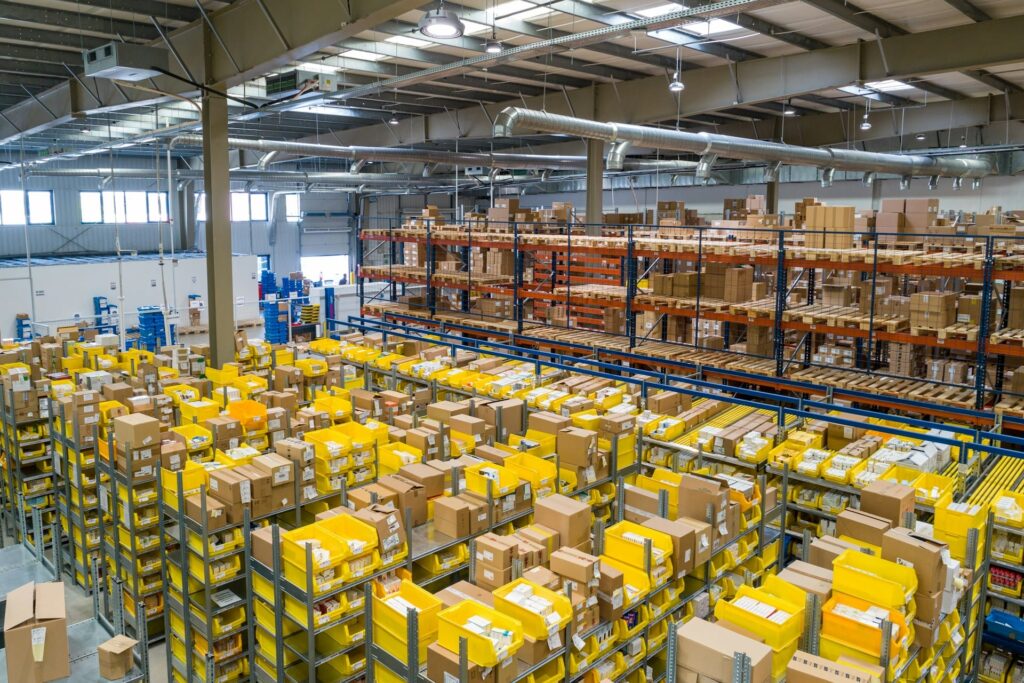
TL;DR Buying directly from a factory offers lower unit costs but often comes with high MOQs and communication barriers. Trading companies provide better service and variety but at a higher price. The ideal partner often uses a “hybrid” model—manufacturing core products like aluminum packaging while sourcing complementary items for you. Quick Guide: Factory vs. Trading […]
Biodegradable or Recyclable? Why Aluminum Trays Are Better

TL;DR While biodegradable packaging promises to decompose naturally, it often requires specific industrial facilities to break down effectively. Recyclable aluminum packaging offers a superior sustainable solution because it integrates seamlessly into existing recycling infrastructures and retains its material value indefinitely. Understanding the Sustainable Packaging Dilemma When choosing eco-friendly packaging, businesses often face a confusing choice […]
Can Aluminum Really Be 100% Recycled in a Circular Economy?
TL;DR Aluminum is one of the few materials on Earth that can be recycled infinitely without losing quality. For food businesses, switching to aluminum packaging reduces carbon footprint, meets strict environmental regulations, and supports a true circular economy where waste becomes a resource. What Makes Aluminum Packaging Truly Sustainable? Aluminum packaging is considered a “permanent […]