
Selecting the ideal tamper-evident container is a critical decision for any food business. It’s not merely about compliance; it’s about safeguarding your product’s integrity, reinforcing consumer trust, and optimizing your operational efficiency. With a myriad of options available, understanding the nuances of different tamper-evident solutions is essential for making an informed choice that aligns with your specific product, brand values, and supply chain demands. This guide will help B2B clients navigate the selection process, ensuring they choose the most effective and appropriate tamper-evident packaging for their diverse product lines.
Understanding Your Product: The Foundation of Selection
The journey to choosing the right tamper-evident container begins with a deep understanding of your product’s characteristics and requirements.
Product Form and Consistency
Different product forms necessitate different packaging solutions. Consider:
- Liquids: Beverages, sauces, oils. Require leak-proof seals and often a pour spout. Tamper-evident caps or induction seals are common.
- Solids: Snacks, baked goods, fresh produce. Need robust containers that protect against crushing and allow for easy access. Hinged lids with tamper-evident tabs are often suitable.
- Granular/Powdered: Spices, flours, coffee. Demand tight seals to prevent moisture ingress and maintain freshness. Induction seals or tear-strip bags are effective.
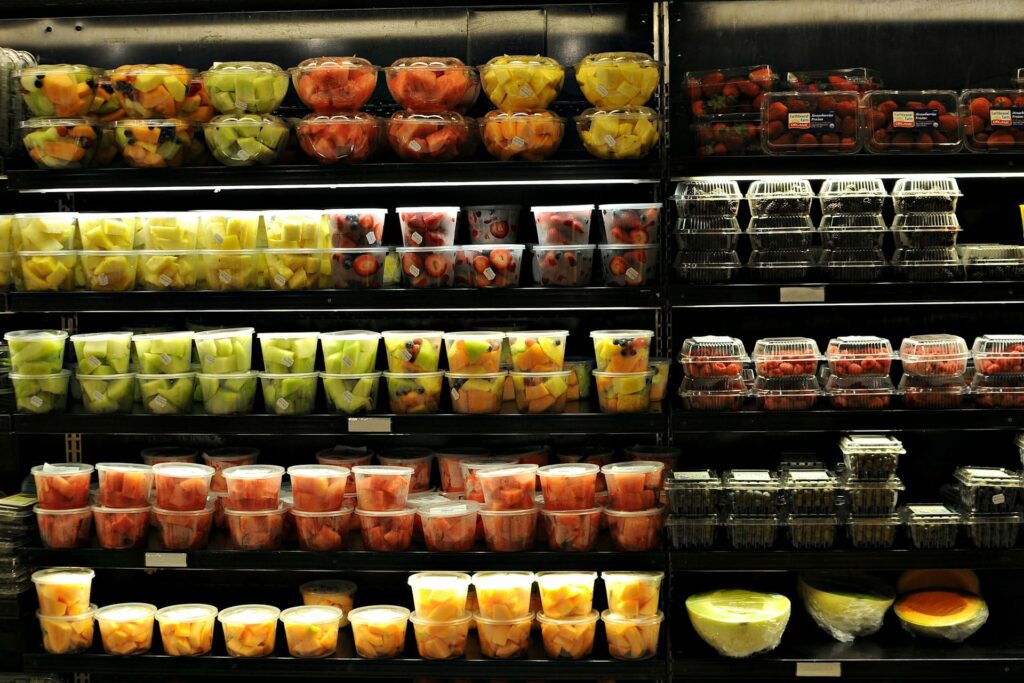
- Semi-solids: Yogurts, dips, spreads. Often require wide-mouth containers with peel-off or induction seals for convenient access.
Shelf Life and Preservation Needs
The required shelf life of your product directly impacts the barrier properties needed from your packaging. Consider:
- Oxygen Barrier: Essential for products susceptible to oxidation (e.g., nuts, oils) to prevent rancidity. Materials like EVOH or foil laminates provide excellent oxygen barriers.
- Moisture Barrier: Crucial for preventing products from drying out or absorbing moisture (e.g., crackers, dried fruits). HDPE or PP plastics are good choices.
- Light Protection: Some products degrade when exposed to light. Opaque or tinted containers can offer necessary protection.
Temperature Requirements
Will your product be hot-filled, frozen, microwaved, or stored at ambient temperatures? The packaging material must withstand these conditions without compromising its integrity or the product’s safety.
Exploring Tamper-Evident Mechanisms: A Comparative Look
Various tamper-evident features offer different levels of security and user experience. Understanding their mechanics is key.
Shrink Bands and Sleeves
These are heat-shrunk plastic films applied over caps or container openings. They must be broken to open the product.
| Pros | Cons | Best For |
|---|---|---|
| Highly visible tampering | Can be removed carefully | Bottles, jars, tubs |
| Cost-effective | Requires heat application equipment | Beverages, condiments |
Induction Seals
A foil or film laminate bonded to the container’s rim using electromagnetic induction. Once peeled, it cannot be re-sealed.
| Pros | Cons | Best For |
|---|---|---|
| Excellent barrier properties | Requires induction sealing equipment | Jars, bottles, tubs |
| Strong tamper evidence | Not easily resealable by consumer | Dairy, sauces, pharmaceuticals |
Tamper-Evident Lids with Breakaway Tabs
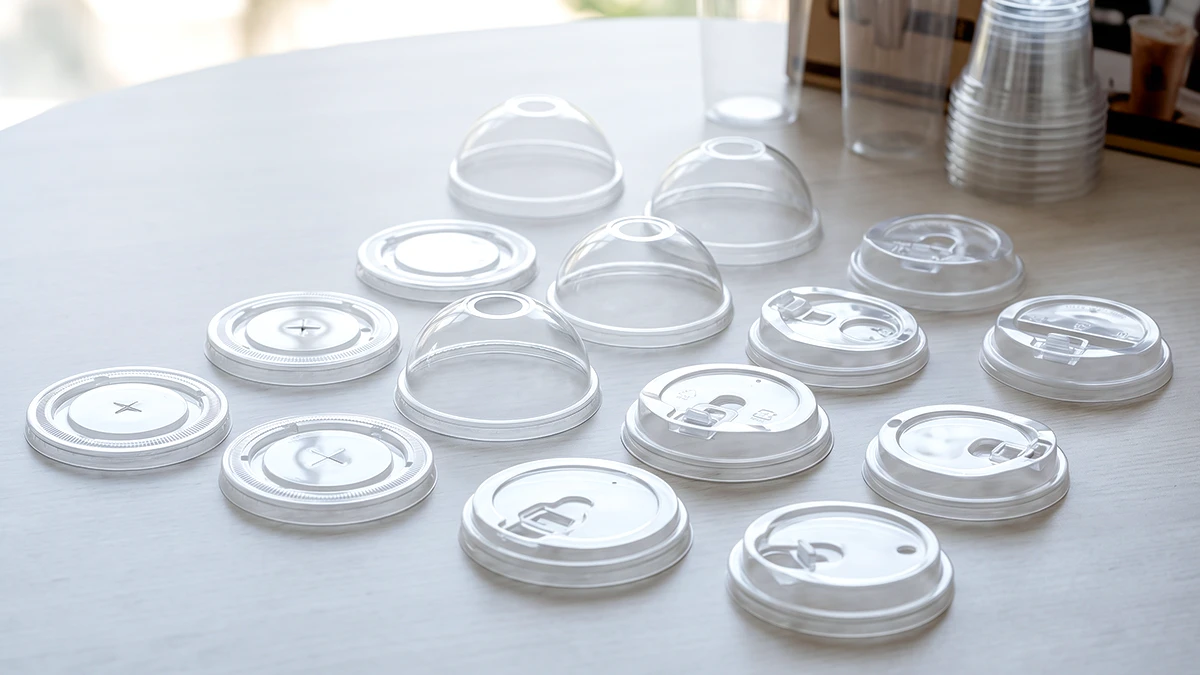
Lids designed with small plastic tabs or rings that detach upon first opening. Common for plastic containers.
| Pros | Cons | Best For |
|---|---|---|
| Clear visual indicator | Tabs can sometimes break prematurely | Deli containers, yogurt cups |
| Easy for consumers to open | Less robust than induction seals | Ready meals, salads |
Tear Strips and Perforations
Integrated into flexible packaging (bags, pouches) or cartons, these require tearing along a perforated line to open.
| Pros | Cons | Best For |
|---|---|---|
| Simple and intuitive | Can be prone to accidental tearing | Snack bags, cereal boxes |
| Cost-effective for flexible packaging | Less secure than rigid container seals | Dry goods, confectionery |
Pop-Up Buttons (Vacuum Indicators)
Found on vacuum-sealed jars, a button on the lid pops up if the vacuum seal is broken.
| Pros | Cons | Best For |
|---|---|---|
| Clear vacuum integrity indicator | Only applicable to vacuum-sealed products | Jams, pickles, baby food |
| Reassures consumers of freshness | Not a physical barrier against tampering once opened | Preserves, sauces |
Material Matters: Choosing the Right Substrate
The choice of packaging material impacts not only tamper-evidence but also product protection, sustainability, and cost.
Plastics (PET, PP, HDPE)
Widely used for their versatility, durability, and cost-effectiveness. Reliancepak specializes in high-quality plastic packaging, offering various options suitable for food contact.
| Material | Properties | Common Uses |
|---|---|---|
| PET (Polyethylene Terephthalate) | Clear, strong, good barrier | Beverage bottles, clam shells |
| PP (Polypropylene) | Flexible, heat resistant, good moisture barrier | Deli containers, yogurt cups |
| HDPE (High-Density Polyethylene) | Durable, opaque, good chemical resistance | Milk jugs, juice bottles |
Glass
Offers excellent barrier properties and a premium feel, but is fragile and heavy.
Metal (Aluminum, Steel)
Used for cans and tins, providing excellent barrier properties and long shelf life.
Paperboard/Fiber-based
Often used for secondary packaging or dry goods, sometimes with a tamper-evident seal.
Operational Considerations: Integration into Your Production Line
Selecting packaging also involves assessing its compatibility with your existing or planned production processes.
Filling and Sealing Equipment
Does the chosen tamper-evident container require specialized machinery (e.g., induction sealers, heat tunnels for shrink bands)? Consider the investment and operational complexity.
Speed and Efficiency
How quickly can the packaging be filled and sealed? High-volume operations require solutions that minimize bottlenecks.
Customization and Branding
Can the packaging be easily branded with your logo, nutritional information, and other essential details? Reliancepak offers professional customization services to ensure your packaging reflects your brand identity while maintaining tamper-evident features.
Sustainability and Regulatory Compliance
Modern businesses must consider the environmental impact of their packaging and adhere to strict regulations.
Recyclability and Eco-Friendliness
Consumers increasingly prefer sustainable packaging. Opt for materials that are widely recyclable or made from recycled content. Reliancepak is committed to environmentally friendly materials, helping you meet your sustainability goals.
Food-Grade Certifications
Ensure your chosen packaging materials and manufacturing processes comply with relevant food-grade certifications (e.g., FDA, EU Food Contact Materials regulations). Reliancepak’s products come with necessary certifications, providing peace of mind.
Partnering with the Right Supplier: The Reliancepak Advantage
Choosing a reliable supplier is as crucial as choosing the right container. Reliancepak stands out as a trusted partner for B2B food packaging needs. Our extensive experience, diverse product range, and commitment to quality ensure you receive tamper-evident containers that not only protect your products but also enhance your brand. We offer:
- One-stop purchase: A wide array of plastic packaging trays, disposable food containers, and more.
- Professional Customization: Tailored solutions to fit your unique product specifications.
- Fast Delivery: Efficient logistics to keep your supply chain moving.
- Free Samples: Evaluate our products before making a commitment.
By collaborating with Reliancepak, you gain access to high-quality, certified tamper-evident packaging solutions that meet the rigorous demands of the food industry.
FAQs
Q1: What are the key factors to consider when choosing a tamper-evident container?
A1: Key factors include product type (liquid, solid), shelf life requirements, temperature conditions, the specific tamper-evident mechanism, material properties (plastic, glass), operational efficiency, and sustainability goals.
Q2: How do I know if a tamper-evident container is suitable for my product’s shelf life?
A2: Assess the barrier properties of the packaging material against oxygen, moisture, and light. For example, products sensitive to oxygen require materials with high oxygen barrier capabilities like EVOH or foil laminates.
Q3: What is the difference between a shrink band and an induction seal?
A3: A shrink band is a plastic film that shrinks around the cap or opening when heated, providing a visible break if tampered with. An induction seal is a foil or film bonded to the container’s rim using electromagnetic heat, creating a strong, airtight seal that cannot be re-sealed once removed.
Q4: Can tamper-evident packaging be sustainable?
A4: Yes, many tamper-evident packaging options are now designed with sustainability in mind, using recyclable plastics (like PET, PP, HDPE), recycled content, or biodegradable materials. Always check for relevant certifications and supplier commitments to eco-friendly practices.
Q5: Why is partnering with a reliable supplier like Reliancepak important for tamper-evident packaging?
A5: A reliable supplier ensures consistent quality, adherence to food-grade standards, professional customization, and efficient delivery. Reliancepak offers these benefits, providing peace of mind and supporting your operational needs with high-quality tamper-evident solutions.