
1. Introduction: Why Choosing the Right Cake Container Matters
Selecting the right cake container is crucial for businesses in the bakery and food service industries. The right packaging preserves product freshness, enhances presentation, and meets hygiene standards. Whether you run a small bakery or a large-scale catering business, choosing between paper and plastic cake containers impacts your costs, branding, and sustainability efforts. In this article, we’ll compare both materials to help you make an informed decision.
2. Overview of Paper and Plastic Cake Containers
Paper Cake Containers
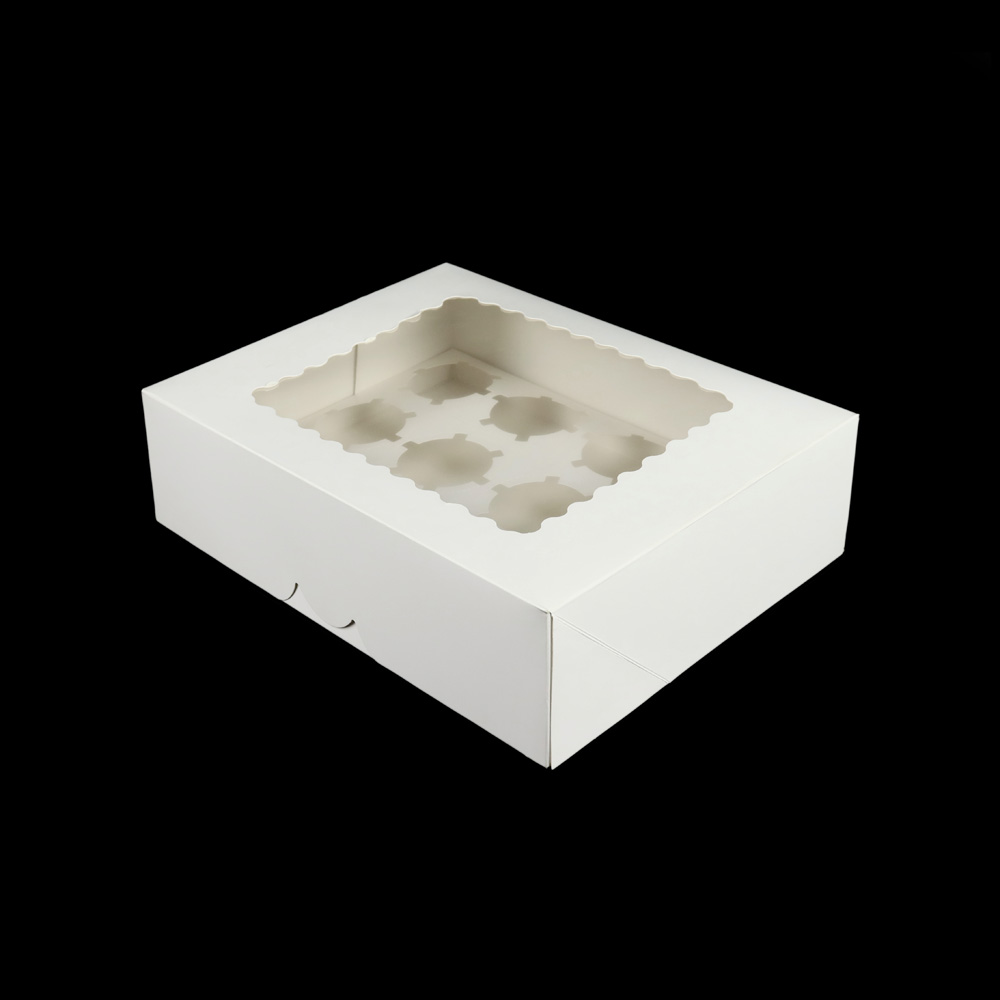
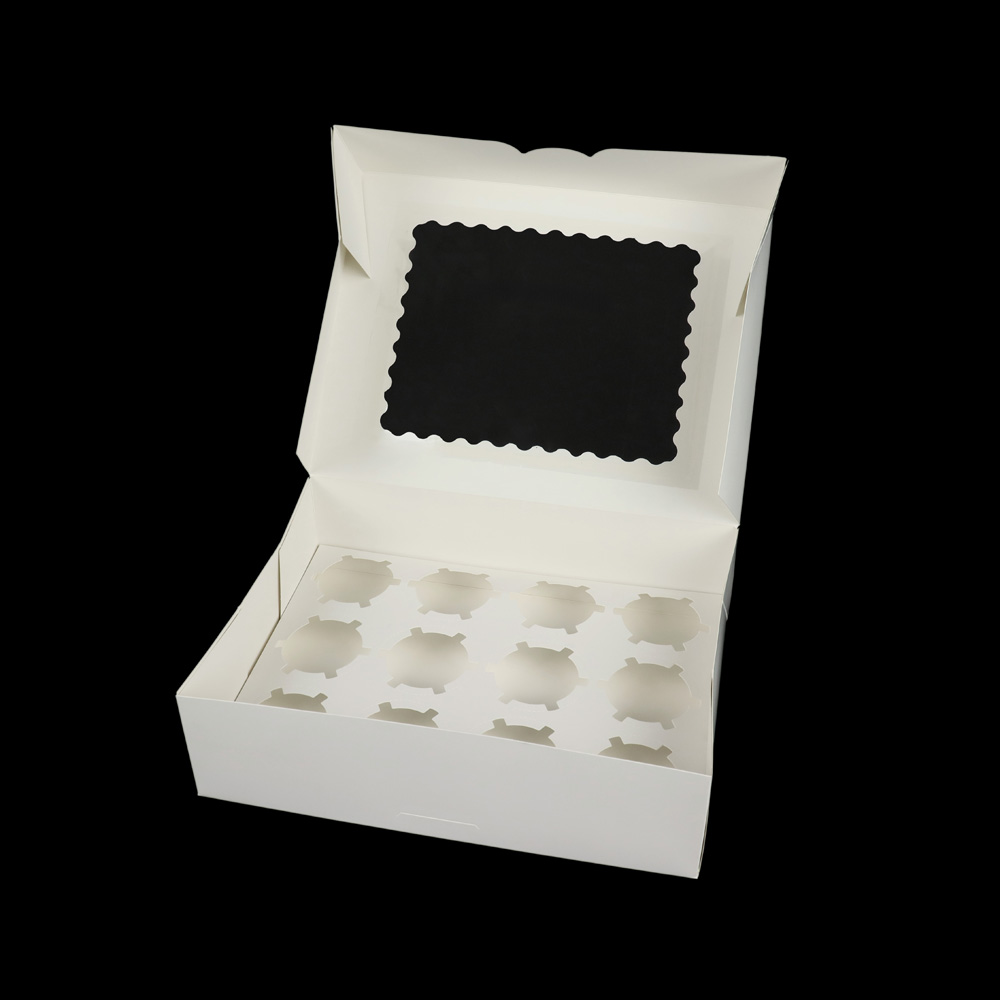
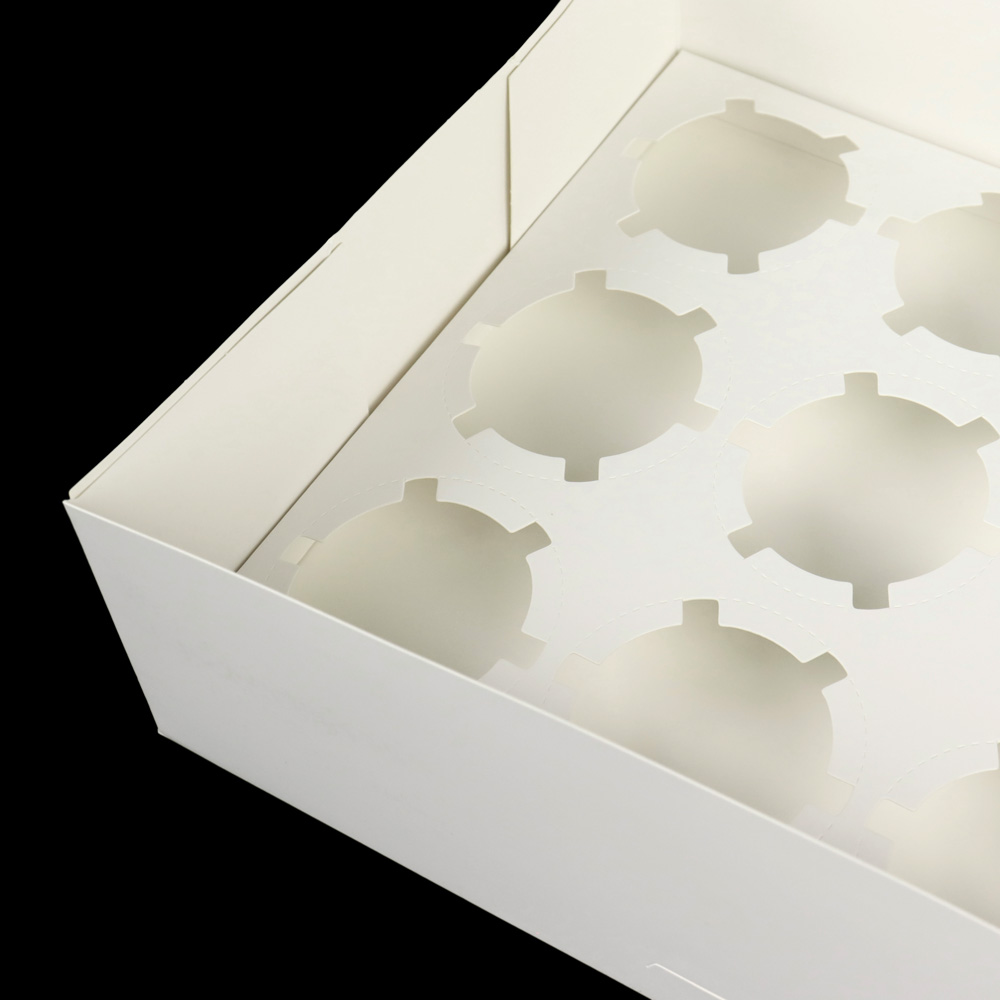
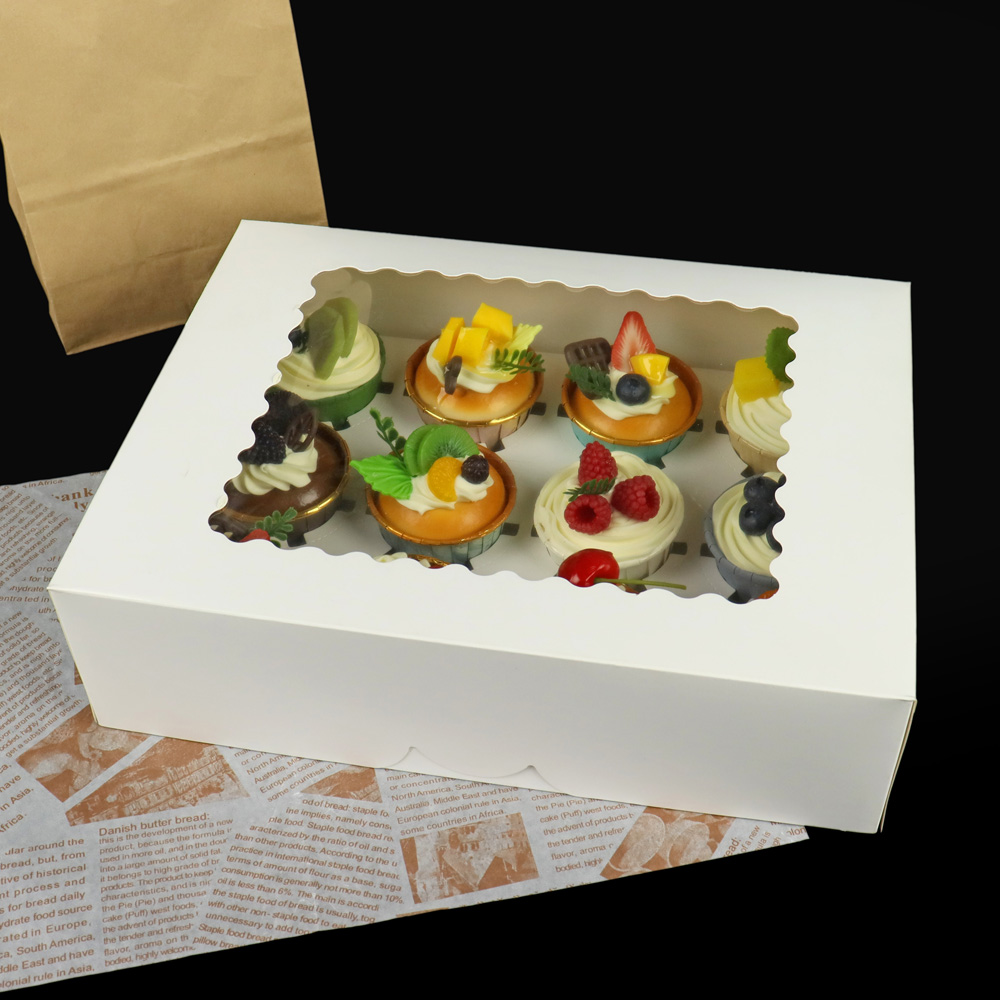
Paper cake containers are often made from food-grade cardboard or kraft paper. They are lightweight, biodegradable, and commonly used for short-term storage and eco-conscious businesses. Paper containers are ideal for dry cakes and pastries but may require coatings or liners for added durability.
Advantages:
- Eco-friendly and biodegradable
- Can be recycled easily
- Lightweight and easy to store
Disadvantages:
- Less durable compared to plastic
- May not be moisture-resistant without a coating
- Limited visibility of the product
Plastic Cake Containers
Plastic cake containers, typically made from PET, PP, or PS, offer superior durability and clarity. These containers are widely used for retail displays and transportation, as they provide strong protection against external elements.
Advantages:
- High transparency for product visibility
- Strong and resistant to moisture
- Airtight sealing for extended shelf life
Disadvantages:
- Less eco-friendly (though recyclable options exist)
- May be more expensive than paper options
- Bulkier for storage and transport
3. Material Comparison: Paper vs. Plastic Cake Containers
Durability and Protection
Plastic cake containers outperform paper ones in terms of durability. They offer better structural integrity, making them ideal for transporting delicate cakes without damage. In contrast, paper containers are prone to bending and may require additional support.
| Feature | Paper Cake Containers | Plastic Cake Containers |
|---|---|---|
| Durability | Low to moderate | High |
| Moisture Resistance | Requires coating | Naturally resistant |
| Product Visibility | Low | High |
| Recyclability | High | Varies (some PET & PP are recyclable) |
| Weight | Light | Moderate |
Cost Considerations
Paper cake containers are generally more affordable, especially when purchased in bulk. However, plastic containers may provide better long-term value due to their superior protection and extended shelf life benefits.
Sustainability Impact
Sustainability is a growing concern in packaging. Paper containers decompose naturally, making them an environmentally friendly choice. Some plastic containers, especially those made from PET, can be recycled, but improper disposal may contribute to pollution. Businesses must weigh sustainability against functionality when making a choice.
By understanding the key differences between paper and plastic cake containers, businesses can make strategic packaging decisions that balance cost, sustainability, and product protection.
4. Cost Analysis: Which is More Budget-Friendly for Businesses?
When it comes to budgeting, cost is a critical factor for businesses, especially in the food packaging sector. Let’s break down the cost differences between paper and plastic cake containers.
Paper Cake Containers: Cost-Effective in the Short Term
Paper cake containers are typically more affordable upfront, especially when purchased in bulk. This makes them a popular choice for smaller businesses or those just starting. Their lightweight design also helps reduce shipping costs. However, additional costs may arise if you need coatings or liners for moisture resistance.
Plastic Cake Containers: Long-Term Investment
While plastic cake containers may have a higher initial cost, their durability and reusability can make them more cost-effective in the long run. Their stronger structure ensures better protection during transportation and storage, reducing the risk of product damage. Additionally, their airtight seals help prolong the freshness of the cakes, minimizing waste.
| Feature | Paper Cake Containers | Plastic Cake Containers |
|---|---|---|
| Upfront Cost | Low | Moderate |
| Durability | Low to Moderate | High |
| Reusability | Not typically reusable | Reusable (depending on material) |
| Shipping Costs | Lower | Higher |
Conclusion
Ultimately, the choice depends on your specific needs and priorities. If you’re focused on short-term savings and minimal upfront investment, paper containers may be the way to go. However, if you value durability and product protection, investing in plastic cake containers could be a smarter long-term decision.
5. Environmental Impact: Which Option is More Sustainable?
Sustainability is a growing concern for businesses and consumers alike. Both paper and plastic cake containers have environmental impacts, but they differ in terms of recyclability, production processes, and disposal.
Paper Cake Containers: Biodegradable but Limited by Sourcing
Paper cake containers are biodegradable, making them an attractive option for businesses that prioritize sustainability. However, the environmental benefits depend on the sourcing and production methods. If the paper comes from responsibly managed forests, the impact is lower. But if the paper is sourced from unsustainable practices, it may contribute to deforestation and environmental harm.
Plastic Cake Containers: Recyclable Options Available
Plastic containers, especially those made from PET or PP, are recyclable, which offers a more sustainable solution than other plastic types. However, improper disposal and limited recycling facilities can hinder their environmental benefits. Still, advancements in plastic recycling technologies are making these containers more eco-friendly over time. Some businesses are also shifting to using 100% recycled plastic, which is a positive trend in sustainability.
Conclusion
Both paper and plastic containers offer eco-friendly potential, but businesses must consider the entire lifecycle of the packaging. Paper containers are biodegradable and ideal for businesses focused on reducing their carbon footprint, while plastic containers, if recycled properly, can also offer sustainable options.
6. Food Safety and Compliance: Paper vs. Plastic Containers
Food safety and compliance are top priorities in the food packaging industry. Let’s explore how paper and plastic cake containers stand up to industry standards.
Paper Cake Containers: Limited Resistance to Moisture
One of the biggest concerns with paper cake containers is their limited moisture resistance. While they are suitable for dry cakes and pastries, paper can absorb moisture from cakes, which can compromise food quality and shelf life. To counteract this, some manufacturers use coatings or linings, which can increase costs and reduce the eco-friendliness of the product.
Plastic Cake Containers: Superior Moisture Protection
Plastic cake containers offer superior protection against moisture and air, which is crucial for maintaining food quality and freshness. These containers, especially those made from materials like PET and PP, provide an airtight seal, keeping cakes fresh for longer. This is particularly important for businesses that sell cakes in retail environments where products may sit on shelves for extended periods.
Compliance with Health Regulations
Both paper and plastic containers must comply with food safety regulations, such as the FDA and EU standards. Paper cake containers that are treated with non-toxic coatings or liners are generally compliant, but businesses should verify that the materials used are food-safe. Plastic cake containers, on the other hand, are required to meet rigorous safety standards regarding chemical leaching, especially if they come into direct contact with food.
| Feature | Paper Cake Containers | Plastic Cake Containers |
|---|---|---|
| Moisture Protection | Low (without coating) | High |
| Shelf Life | Short | Longer |
| Food Safety Compliance | Needs verification | Meets strict regulations |
Conclusion
Plastic cake containers have the edge in terms of food safety due to their moisture resistance and compliance with food safety regulations. Paper containers, while suitable for dry products, may require additional measures to meet safety standards and ensure product quality.
7. Customization and Branding: Which Material Offers Better Marketing Potential?
In today’s competitive market, branding and customization are key elements for business success. When it comes to cake packaging, both paper and plastic containers offer unique advantages for marketing your brand.
Paper Cake Containers: Eco-Friendly Customization
Paper cake containers offer plenty of opportunities for customization, especially with printing. The natural surface of paper makes it ideal for adding logos, branding, and eye-catching designs. Businesses can opt for eco-friendly ink to enhance the sustainability aspect of their branding. However, the customization options may be limited by the structural integrity of the paper, especially for more intricate designs.
Plastic Cake Containers: Premium and Long-Lasting Branding
Plastic containers, on the other hand, provide a more durable surface for customization. Businesses can opt for high-quality, full-color prints on plastic surfaces. The sturdiness of plastic also makes it easier to handle and transport without damage to the branding. Additionally, clear plastic containers offer the advantage of showcasing the cake itself, making it a part of the overall branding experience. This “see-through” effect can elevate the perceived quality of the product.
Conclusion
Both paper and plastic cake containers offer valuable customization opportunities, but plastic packaging tends to have the edge in terms of durability and the ability to showcase premium designs. Plastic containers also allow for more creative possibilities in terms of transparency and long-lasting prints.
8. Practical Applications: Best Use Cases for Paper and Plastic Cake Containers
Understanding when to use paper or plastic cake containers can make a big difference in maintaining product quality and customer satisfaction. Let’s take a look at the best use cases for both options.
Paper Cake Containers: Ideal for Eco-Conscious Businesses
Paper cake containers are perfect for small bakeries or eco-conscious businesses that prioritize sustainability. They are well-suited for dry cakes, cupcakes, and pastries, offering an affordable and environmentally friendly packaging solution. These containers are especially popular for smaller orders or boutique bakeries where customers value natural, biodegradable packaging.
Plastic Cake Containers: Best for Fragile or Larger Cakes
Plastic cake containers are better suited for larger cakes, cakes with multiple layers, or fragile designs that need extra protection. Their moisture-resistant properties help maintain the freshness of cakes during transport, especially for those with cream fillings or toppings. Plastic containers are also ideal for mass production and retail environments where durability and product presentation are essential.
| Feature | Paper Cake Containers | Plastic Cake Containers |
|---|---|---|
| Best for Small Cakes | Yes | No |
| Best for Large Cakes | No | Yes |
| Durability for Transport | Low | High |
| Eco-Friendly Packaging | Yes | Limited |
Conclusion
The choice between paper and plastic cake containers largely depends on the size, fragility, and nature of the cake. Paper containers excel in eco-conscious branding and small cakes, while plastic containers are better for larger, more delicate cakes requiring extra protection.
9. Trends in Cake Packaging: What’s Next for Paper and Plastic Containers?
The cake packaging industry is constantly evolving, driven by trends in consumer preferences, sustainability, and technological advancements. Let’s explore the latest trends shaping the future of paper and plastic cake containers.
Shift Toward Sustainable Materials
Sustainability continues to be a driving force behind packaging choices. Paper cake containers are becoming more popular as businesses strive to reduce their environmental impact. Biodegradable coatings and inks are increasingly being used to improve the eco-friendliness of paper containers. On the plastic side, there’s a rise in the use of recycled plastic for cake packaging, which reduces the overall carbon footprint.
Innovation in Plastic Packaging
Plastic cake containers are becoming more innovative with features such as tamper-evident seals, enhanced moisture barriers, and customizable options. Clear plastic containers are gaining popularity, allowing customers to see the product inside, which boosts consumer confidence and presentation. Additionally, there’s an increased focus on recyclable plastics, such as PET and PP, as businesses seek more sustainable packaging solutions.
Conclusion
The future of cake packaging lies in sustainable and innovative designs. Both paper and plastic containers will continue to evolve, with advancements in biodegradable materials and recyclable plastics leading the charge toward more environmentally friendly options.
10. Conclusion: Making the Right Choice for Your Business
Choosing the right cake container is crucial for your business’s success. Both paper and plastic containers offer distinct benefits depending on your product, target market, and sustainability goals.
Key Takeaways:
- Paper cake containers are ideal for eco-conscious businesses and smaller cakes but may not offer the same level of durability or moisture protection.
- Plastic cake containers provide better protection, durability, and branding opportunities but may have a higher environmental impact if not recycled properly.
- The best choice depends on the specific needs of your business, from customization and branding to cost and sustainability.
Ultimately, the decision between paper and plastic cake containers should be guided by your business’s priorities—whether that’s cost, sustainability, food safety, or marketing potential. The right choice will ensure that your cakes are delivered fresh, protected, and aligned with your brand values.