Why Custom PET Packaging Matters for Food Brands
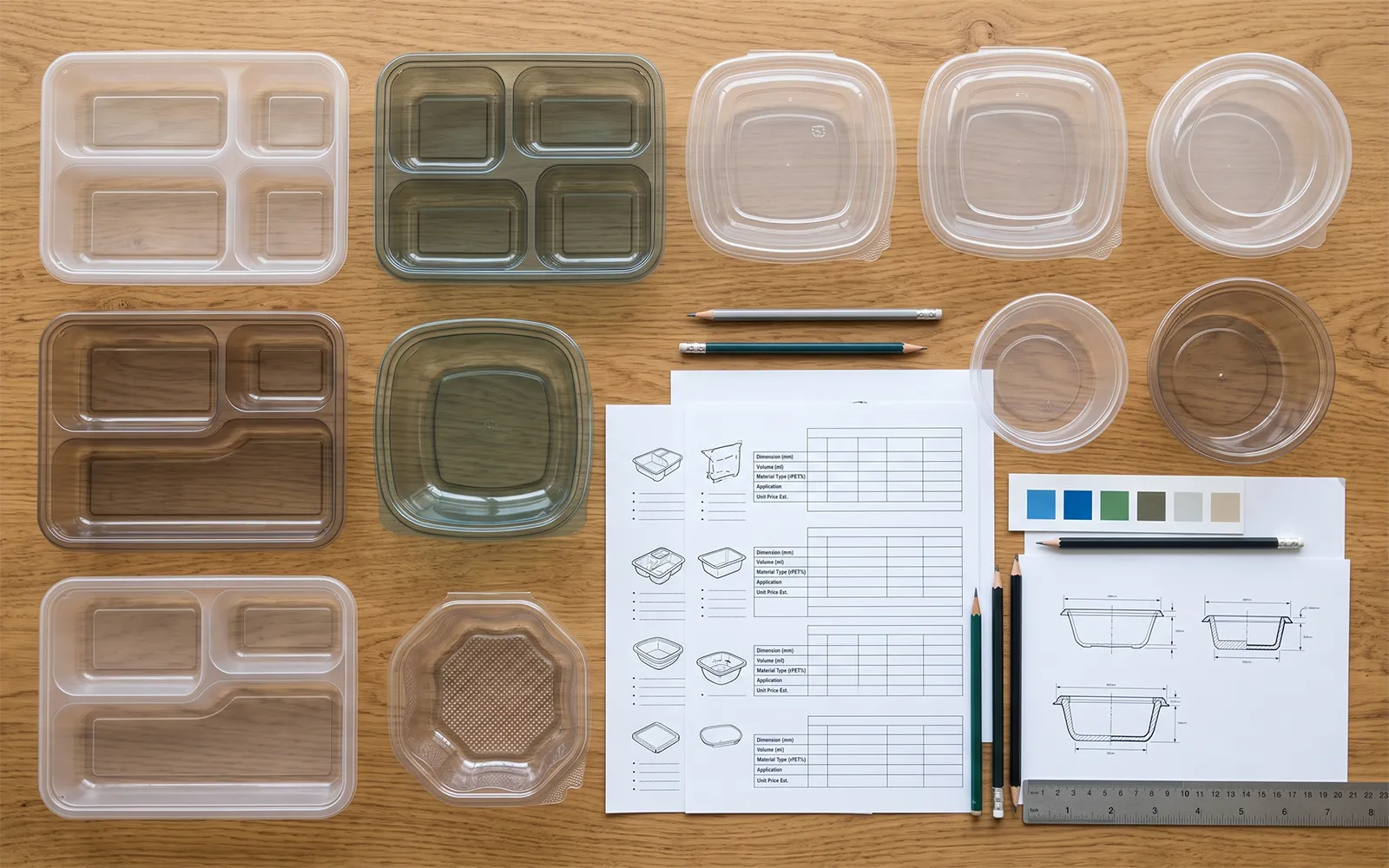
Off-the-shelf packaging rarely fits every brand’s requirements. A container that works for dried snacks may not meet the structural or barrier demands of fresh produce or ready-to-eat meals. Custom PET packaging allows you to modify dimensions, color, closure mechanisms, and structural features to match your specific product and branding needs — but the process involves practical trade-offs that every buyer should understand upfront.
Design begins with your product’s physical characteristics: weight, dimensions, moisture content, and required shelf life. These factors determine material thickness (gauge), structural design, and barrier requirements. PET accepts printing and labeling well, but certain finishes — matte, soft-touch, metallic effects — require production capabilities that not all manufacturers offer. For brands targeting sustainability positioning, rPET packaging provides a recycled-content alternative that maintains food-grade compliance while reducing virgin plastic use.
Branding and Material Considerations
Logo placement, color matching, and label compatibility add another layer of complexity to custom projects. Pantone-matched colors, embossed branding, and tamper-evident features are all feasible, but each adds tooling and production time. Discussing these requirements early in the sourcing process prevents costly design revisions later.
| Feature | Standard PET | Custom PET | rPET |
|---|---|---|---|
| MOQ | Lower | Higher | Moderate |
| Tooling cost | None | Upfront investment | Shared tooling possible |
| Lead time | Short | Longer | Moderate |
| Branding flexibility | Limited | Full customization | Full customization |
| Sustainability claim | No | No | Yes |
MOQ, Tooling, and Lead Time Realities
Custom PET packaging typically requires dedicated thermoforming tooling, which represents an upfront investment. Tooling costs vary based on complexity and size, but most projects fall within a range that makes sense for brands producing at scale. Minimum order quantities for custom PET packaging are generally higher than for stock items, since each production run involves setup time and material waste during startup.
For brands with uncertain demand, discussing MOQ flexibility early in the supplier selection process can prevent costly mistakes. Some manufacturers — including Reliancepak, with nine production lines and dedicated customization services — offer scalable MOQ structures that accommodate both established brands and growing product lines.
Lead times for custom PET packaging typically extend beyond stock items, particularly for first-time tooling. Plan for 4–8 weeks from design approval to delivery, depending on complexity and shipping route. Brands with tight launch timelines should build this window into their product rollout schedules.
FAQ
Can I order custom PET packaging with small MOQs?
It depends on the supplier. MOQs for custom packaging are typically higher than stock items, but some manufacturers offer flexible minimums for initial orders. Discuss volume options upfront during supplier negotiations.
How do I choose between PET and rPET for my product?
Choose PET for maximum clarity and structural consistency. Choose rPET when sustainability messaging matters to your brand or when targeting markets with recycled-content regulations. Both options meet food-grade standards.
What should I consider when selecting a custom packaging supplier?
Evaluate their tooling capabilities, MOQ flexibility, lead times, and relevant certifications (FDA, EU food-contact compliance). Request samples before committing to a full production run.