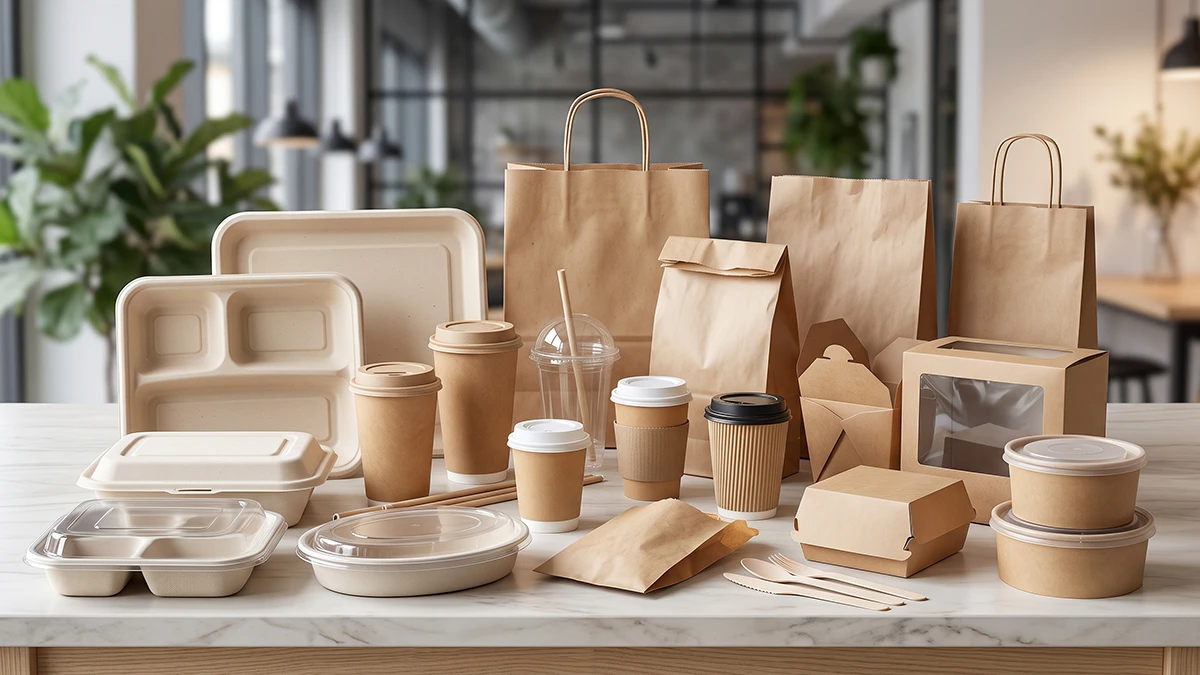
The global food industry is at a critical juncture, facing immense pressure to adopt more sustainable practices. As environmental concerns escalate and consumer awareness grows, the demand for packaging solutions that minimize ecological impact has never been more urgent. Traditional plastic packaging, while offering convenience and protection, has contributed significantly to pollution and waste. In response, eco-friendly paper containers are rapidly emerging as a beacon of hope, not just as an alternative, but as the very future of sustainable food packaging. For B2B buyers—from innovative food startups and large-scale manufacturers to forward-thinking distributors and retailers—understanding the evolution and potential of these containers is essential for staying competitive and meeting the demands of a greener market. This comprehensive guide will delve into the imperative for sustainable packaging, the groundbreaking innovations driving the eco-friendly paper container revolution, the science behind their sustainability, and how they perform functionally. We will also explore the challenges and opportunities in scaling these solutions, ultimately highlighting how Reliancepak is leading the charge in providing cutting-edge, environmentally responsible paper container options that are shaping the future of food packaging.
The Imperative for Sustainable Food Packaging
The shift towards sustainable food packaging is not merely a corporate social responsibility initiative; it is a fundamental necessity driven by pressing environmental challenges, evolving consumer expectations, and a global commitment to a circular economy.
Environmental Impact of Traditional Packaging
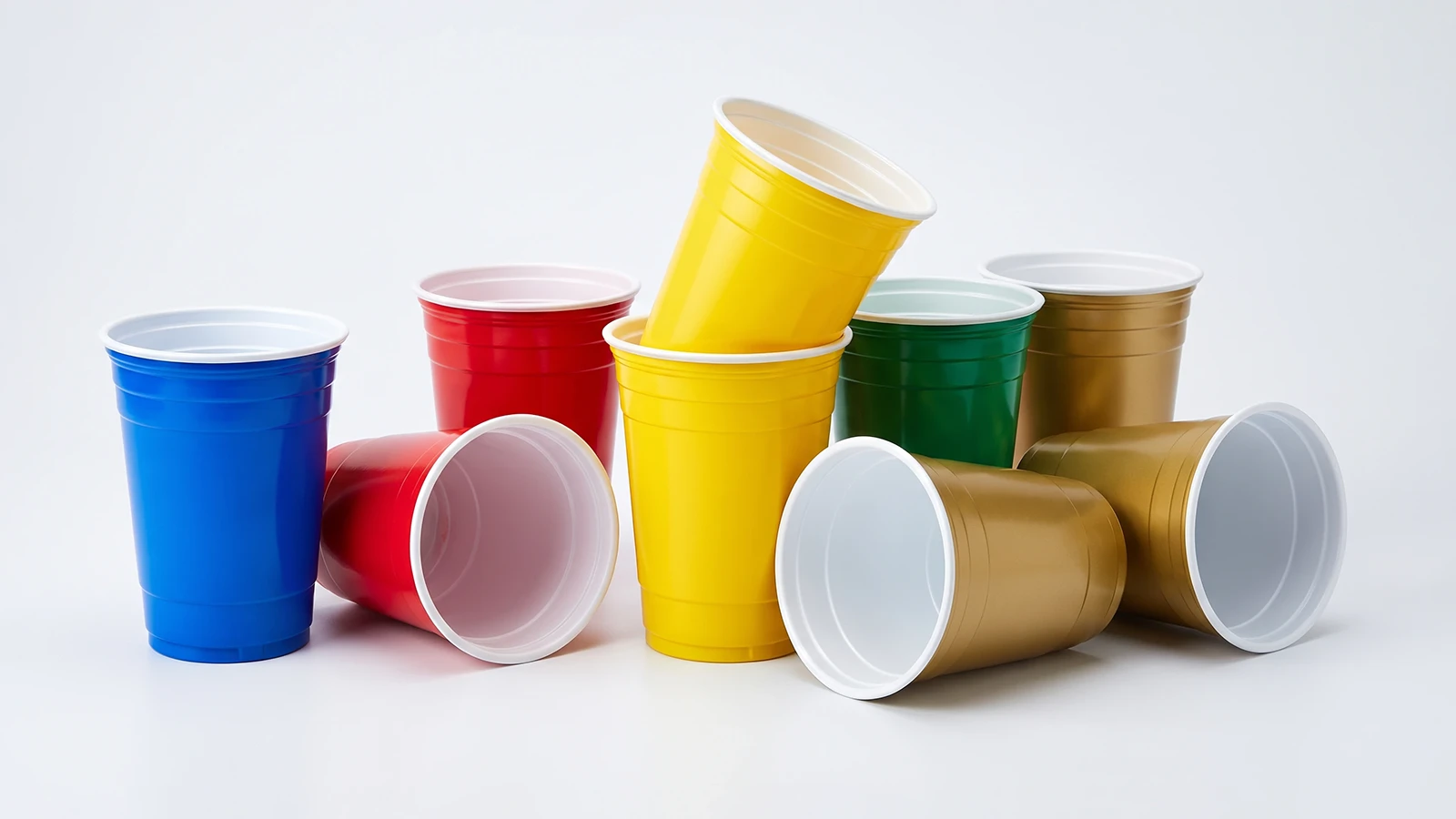
For decades, the convenience and low cost of traditional plastic packaging led to its widespread adoption. However, the environmental consequences are now undeniable. Plastic pollution clogs oceans, harms wildlife, and persists in landfills for centuries. The production of virgin plastics relies heavily on fossil fuels, contributing to greenhouse gas emissions and climate change. Microplastics, a byproduct of plastic degradation, are entering our food chain and water systems, raising serious health concerns. This grim reality has created an urgent need for packaging alternatives that mitigate these devastating impacts.
Consumer Expectations and Brand Reputation
Today’s consumers are increasingly environmentally conscious and are actively seeking out brands that align with their values. Numerous surveys indicate that a significant percentage of consumers are willing to pay more for sustainable products and packaging. Brands that fail to demonstrate a commitment to environmental responsibility risk alienating a growing segment of their customer base. Conversely, adopting eco-friendly packaging, such as advanced paper containers, can significantly enhance brand reputation, build consumer trust, and attract a loyal customer following. For B2B businesses, this translates into a powerful marketing tool and a competitive differentiator in a crowded marketplace.
Global Push Towards a Circular Economy
Governments, international organizations, and industry leaders are increasingly advocating for a circular economy model, which aims to keep resources in use for as long as possible, extract the maximum value from them whilst in use, then recover and regenerate products and materials at the end of each service life. This contrasts sharply with the traditional linear “take-make-dispose” economy. Eco-friendly paper containers are a perfect fit for the circular economy because they are often made from renewable resources, can be recycled or composted, and reduce waste. This global shift means businesses must adapt their packaging strategies to embrace materials that can be reused, recycled, or returned to nature, ensuring a sustainable future for generations to come.
Innovations Driving the Eco-Friendly Paper Container Revolution
The transformation of paper into a truly sustainable and high-performance food packaging solution has been driven by relentless innovation in materials science, coating technologies, and design. These advancements are overcoming the traditional limitations of paper, making it a viable and often superior alternative to plastic.
Advanced Paperboard Materials: Strength and Durability
The foundation of any paper container is its paperboard. Recent innovations have led to the development of advanced paperboard materials that offer enhanced strength, rigidity, and barrier properties. These include:
- High-Density Paperboard: Engineered for greater structural integrity, allowing for thinner materials to achieve the same strength, thus reducing material usage.
- Wet-Strength Paperboard: Treated to maintain integrity even when exposed to moisture, crucial for containers holding liquids or high-moisture foods.
- Molded Fiber Technology: Creating complex, three-dimensional shapes from pulp, offering excellent cushioning and protection, often used for egg cartons and produce trays, but increasingly for other food applications.
These advancements ensure that eco-friendly paper containers can withstand the rigors of the supply chain, from filling and sealing to transportation and consumer handling, without compromising product safety or quality.
Game-Changing Linings and Coatings: Beyond PE
Historically, polyethylene (PE) linings were necessary to provide paper containers with the required moisture and grease barriers. However, PE makes paper difficult to recycle. The most significant innovations in eco-friendly paper containers lie in the development of alternative barrier coatings that maintain functionality while improving environmental performance.
PLA (Polylactic Acid) Coatings
PLA1 is a bioplastic derived from renewable resources like corn starch or sugarcane. When used as a lining for paper containers, it provides excellent moisture and grease resistance, similar to traditional PE. The key advantage of PLA is its compostability in industrial composting facilities. This means that PLA-lined paper containers, when disposed of correctly, can break down into natural elements, returning nutrients to the soil. This makes them an ideal choice for businesses committed to a circular economy and aiming for certified compostable packaging.
Aqueous Barrier Coatings
Perhaps the most revolutionary development, aqueous barrier coatings are water-based dispersions that provide effective grease and moisture resistance without using any plastic. These coatings are designed to be repulpable, meaning the paper fibers can be easily separated from the coating during the recycling process. This makes aqueous-coated paper containers truly recyclable in standard paper recycling mills, offering a significant advantage over PE-lined products. Aqueous coatings are a game-changer for businesses seeking genuinely circular packaging solutions, as they allow the paper fibers to be reused, reducing waste and conserving resources.
Other Bio-based Alternatives
Beyond PLA and aqueous coatings, research and development continue to explore other innovative bio-based barrier materials2. These include coatings derived from natural waxes, starches, and other plant-based polymers. The goal is to create barriers that are not only functional but also fully biodegradable or compostable, further enhancing the environmental profile of paper containers. As these technologies mature, they will offer even more diverse and sustainable options for food packaging.
Design for Disassembly and End-of-Life Solutions
Innovation in eco-friendly paper containers also extends to their design, focusing on optimizing their end-of-life journey. This includes:
- Mono-material Design: Creating containers from a single type of paperboard, or with coatings that are easily separable or compatible with paper recycling, simplifies the recycling process.
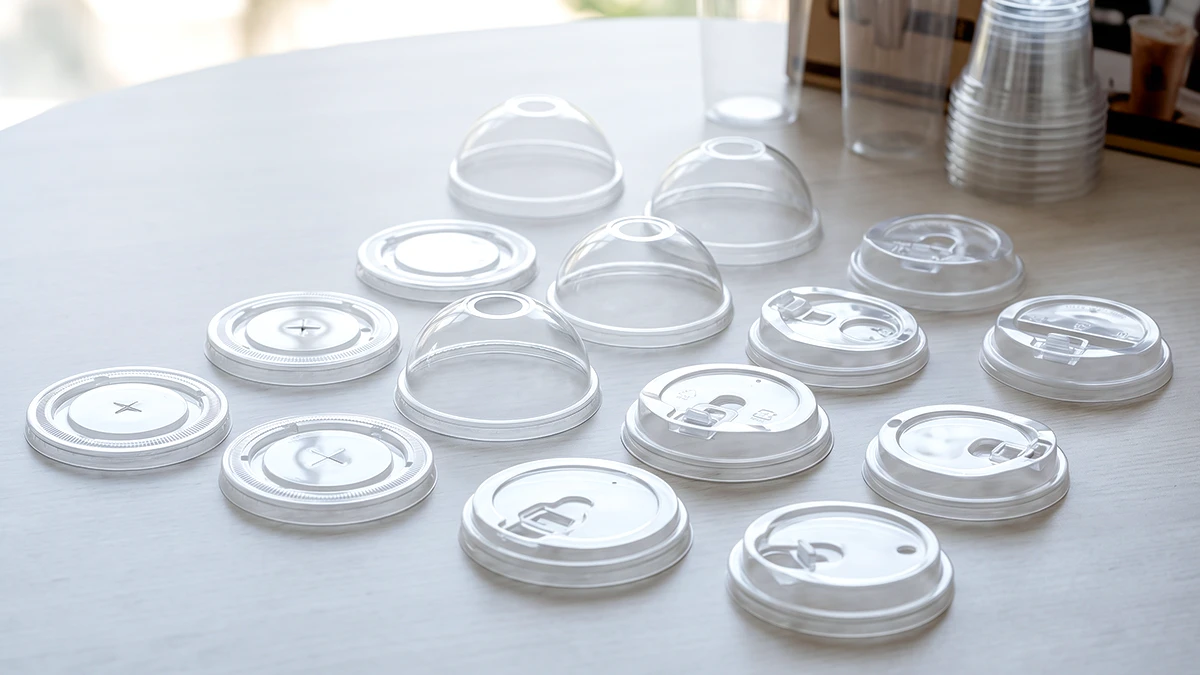
- Easy Separation of Components: Designing containers where different materials (e.g., paper cup and plastic lid) can be easily separated by the consumer for proper disposal.
- Clear Labeling and Instructions: Providing consumers with clear, unambiguous instructions on how to dispose of or recycle the container, ensuring it enters the correct waste stream.
These design principles are crucial for ensuring that the sustainability benefits of eco-friendly paper containers are realized in practice, contributing effectively to a circular economy. Reliancepak actively incorporates these design principles into its product development, ensuring our paper containers are not only high-performing but also genuinely sustainable.

The Science of Sustainability: Compostability, Biodegradability, and Recyclability
Understanding the scientific distinctions between compostability, biodegradability, and recyclability is crucial for B2B buyers to make accurate environmental claims and select truly sustainable paper containers. Misinformation in this area is common, and certifications play a vital role in providing clarity.
Demystifying Compostable vs. Biodegradable
These terms are often used interchangeably, leading to confusion. However, their meanings are distinct:
- Compostable: A product is compostable if it can break down into natural elements (humus, CO2, water) in a specific composting environment (industrial or home) within a defined timeframe, leaving no toxic residue. This process requires specific conditions of heat, moisture, and microbial activity. Certified compostable products are designed to integrate into organic waste streams.
- Biodegradable: A product is biodegradable if it can be broken down by microorganisms into natural elements. However, this term does not specify a timeframe or the conditions required for breakdown. A product could be biodegradable over hundreds of years in a landfill, which is not environmentally beneficial. Therefore, while all compostable products are biodegradable, not all biodegradable products are compostable. For clear environmental claims, always prioritize certified compostable products.
Certifications and Standards (e.g., BPI, Seedling, OK Compost)
Third-party certifications are essential for verifying environmental claims and providing assurance to buyers and consumers. Reputable certifications for compostable products include:
- BPI (Biodegradable Products Institute): A leading certification body in North America for industrially compostable products. Products with the BPI certification logo have been independently tested and verified to compost in industrial composting facilities.
- Seedling Logo (EN 13432): The European standard for industrially compostable packaging. Products bearing the Seedling logo (often found alongside the OK Compost Industrial logo) meet the requirements of EN 13432.
- OK Compost HOME: A certification for products that can be composted in a home composting environment, which typically has less controlled conditions than industrial facilities. This is a more stringent certification.
These certifications provide a clear, verifiable standard for compostability, helping businesses avoid greenwashing claims and ensure their products genuinely contribute to a circular economy.
Enhancing Recyclability of Paper Containers
While compostability is vital, recyclability remains a cornerstone of sustainable packaging. Innovations are focused on making paper containers more compatible with existing paper recycling infrastructure.
- Aqueous Coatings: As discussed, these plastic-free coatings allow the paper fibers to be easily separated and repulped in standard paper mills, making the containers truly recyclable.
- Fiber Recovery: New technologies are being developed to more efficiently separate paper fibers from traditional PE linings, though these are not yet widespread.
- Consumer Education: Clear labeling and public awareness campaigns are crucial to ensure consumers dispose of paper containers in the correct recycling bins, preventing contamination of recycling streams.
Reliancepak is committed to offering paper containers that are either certified compostable or designed for optimal recyclability, providing clients with flexible options to meet their sustainability goals.
| Sustainability Feature | Description | Key Certifications/Standards |
|---|---|---|
| Compostable | Breaks down into natural elements in industrial or home composting facilities within a defined timeframe. | BPI (Industrial), Seedling (EN 13432), OK Compost HOME |
| Biodegradable | Breaks down by microorganisms, but no specified timeframe or environment. (Less precise than compostable) | N/A (often lacks specific certification) |
| Recyclable | Can be collected and reprocessed into new paper products. | How2Recycle Label, local recycling guidelines |
| Recycled Content | Contains a percentage of post-consumer or post-industrial recycled material. | SCS Global Services (for recycled content claims) |
| Renewable Resource | Made from materials that can be naturally replenished (e.g., wood pulp). | FSC (Forest Stewardship Council) for responsible forestry |
Table 1: Sustainability Features and Certifications for Paper Containers
Performance Meets Planet: Functional Benefits of Eco-Friendly Paper Containers
For eco-friendly paper containers to truly be the future of sustainable food packaging, they must not only be good for the planet but also perform exceptionally well in real-world applications. Modern innovations ensure that sustainability does not come at the expense of functionality.
Maintaining Food Quality and Freshness
Advanced paperboard materials and barrier coatings are designed to protect food from external contaminants, moisture, and oxygen, thereby extending shelf life and maintaining quality. For instance, specialized coatings prevent moisture migration, keeping baked goods fresh and crispy, and preventing salads from wilting. The structural integrity of these containers also ensures that delicate food items are protected during transport and handling.
Heat and Cold Resistance for Diverse Applications
Eco-friendly paper containers are engineered to perform across a wide range of temperatures, making them suitable for diverse food service needs:
- Hot Applications: Multi-layered paper cups and bowls with heat-resistant linings (like aqueous coatings) can safely hold hot beverages and soups without deforming or becoming too hot to handle. Air-pocket designs (e.g., ripple walls) further enhance insulation.
- Cold Applications: Coatings prevent condensation from weakening the paper, ensuring containers for cold drinks, ice cream, or chilled desserts maintain their structural integrity and do not become soggy.
This versatility means businesses don’t have to compromise on functionality when choosing sustainable options.
Grease and Moisture Barriers for Optimal Use
One of the traditional challenges with paper packaging has been its susceptibility to grease and moisture. However, modern eco-friendly paper containers, particularly those with advanced aqueous or PLA coatings, offer superior barrier properties. These coatings create an effective shield against oils, sauces, and liquids, preventing leaks, stains, and the degradation of the container. This makes them ideal for packaging a wide array of foods, from greasy fried chicken and saucy pasta dishes to fresh salads with dressings, ensuring a clean and pleasant experience for the end-user.
Customization and Branding for Sustainable Appeal
Eco-friendly paper containers provide an excellent canvas for branding and marketing. Their smooth surfaces are highly printable, allowing for vibrant graphics, logos, and custom designs. This allows businesses to not only showcase their commitment to sustainability but also reinforce their brand identity. Custom printing on eco-friendly paper containers transforms them into powerful marketing tools, communicating your brand story and values directly to your customers. Reliancepak offers extensive customization options, enabling businesses to create unique and impactful packaging that stands out in the market.
Challenges and Opportunities in Scaling Eco-Friendly Paper Containers
While the future of eco-friendly paper containers is bright, their widespread adoption and scaling come with certain challenges that present significant opportunities for innovation and collaboration within the industry.
Infrastructure for Recycling and Composting
One of the primary challenges lies in the existing waste management infrastructure. For eco-friendly paper containers to fulfill their sustainable potential, robust and accessible recycling and composting facilities are essential. While many paper containers are technically recyclable or compostable, the availability of appropriate infrastructure varies significantly by region. This can lead to confusion for consumers and improper disposal, undermining the environmental benefits.
Opportunities:
- Investment in Infrastructure: Governments and private sectors need to invest in expanding industrial composting facilities and advanced paper recycling mills capable of processing coated paper products.
- Standardization of Labeling: Clear, standardized labeling (e.g., How2Recycle labels) can educate consumers on proper disposal methods, reducing contamination in waste streams.
- Producer Responsibility Schemes: Implementing extended producer responsibility (EPR) schemes can incentivize manufacturers to design for recyclability and fund recycling infrastructure.
Cost and Supply Chain Considerations
The cost of eco-friendly paper containers, particularly those with advanced sustainable coatings, can sometimes be higher than conventional plastic alternatives. This can be a barrier for some businesses, especially smaller ones. Additionally, ensuring a consistent and reliable supply chain for sustainable materials (like sustainably sourced paperboard and bio-based coatings) requires careful management.
Opportunities:
- Economies of Scale: As demand for eco-friendly paper containers grows, increased production volumes will naturally lead to lower unit costs.
- Innovation in Production: Continuous innovation in manufacturing processes can reduce production costs and improve efficiency.
- Strategic Sourcing: Partnering with experienced suppliers like Reliancepak, who have established relationships with sustainable material providers, can ensure a stable and cost-effective supply chain.
Consumer Education and Behavior Change
Even with the best intentions and the most sustainable products, consumer behavior plays a crucial role in the success of eco-friendly packaging. Many consumers are still unfamiliar with the nuances of composting and recycling, leading to improper disposal.
Opportunities:
- Clear Communication: Brands and municipalities need to clearly communicate how to dispose of eco-friendly packaging through on-pack labeling, public campaigns, and digital resources.
- Incentivizing Proper Disposal: Implementing deposit-return schemes or other incentives can encourage consumers to participate in recycling and composting programs.
- Retailer Involvement: Retailers can play a significant role in educating consumers at the point of sale and providing convenient collection points for used packaging.
Reliancepak: Your Partner in Sustainable Paper Packaging
At Reliancepak, we are not just a supplier; we are a dedicated partner committed to helping businesses navigate the transition to sustainable food packaging. Our extensive range of eco-friendly paper containers is designed to meet the diverse needs of the food service industry, combining superior performance with unparalleled environmental responsibility.
Our Commitment to Innovation and Quality
We continuously invest in research and development to bring you the latest advancements in sustainable paper packaging. Our products feature cutting-edge aqueous barrier coatings and are crafted from high-quality, sustainably sourced paperboard, ensuring they are not only eco-friendly but also robust, leak-resistant, and food-safe. We adhere to stringent quality control measures throughout our manufacturing process, guaranteeing consistent excellence.
Tailored Solutions for Every Business
Understanding that every business has unique needs, Reliancepak offers a wide array of eco-friendly paper containers, from hot and cold cups to versatile bowls and takeout boxes. We also provide extensive customization options, allowing you to incorporate your brand’s logo, colors, and messaging directly onto your packaging. This not only enhances your brand visibility but also communicates your commitment to sustainability to your customers.
Global Reach and Reliable Supply Chain
With a robust global supply chain and efficient logistics, Reliancepak ensures timely delivery of your orders, no matter where you are located. We pride ourselves on our ability to provide a consistent and reliable supply of high-quality paper containers, minimizing disruptions to your operations. Our ethical sourcing practices and transparent supply chain give you peace of mind, knowing that your packaging is produced responsibly.
Expert Support and Consultation
Our team of packaging specialists is here to support you every step of the way. Whether you need assistance in selecting the right type of paper container for your specific application, understanding sustainability certifications, or optimizing your packaging strategy, we offer expert consultation and personalized service. We believe in building long-term partnerships based on trust, transparency, and a shared vision for a more sustainable future.
Conclusion: Embrace the Green Revolution with Eco-Friendly Paper Containers
The future of food packaging is undeniably green, and eco-friendly paper containers are at the forefront of this revolution. They offer a powerful solution to the environmental challenges posed by traditional packaging, enabling businesses to meet consumer demand for sustainability, comply with evolving regulations, and contribute positively to the planet.
By choosing eco-friendly paper containers, you are not just making a purchasing decision; you are making a statement. You are demonstrating a commitment to environmental stewardship, enhancing your brand reputation, and securing a competitive edge in an increasingly conscious market. The transition to sustainable packaging is an investment in your business’s future, aligning profitability with planetary well-being.
Reliancepak is your trusted partner in this transformative journey. With our innovative products, comprehensive solutions, and unwavering commitment to sustainability, we are poised to help your business thrive in the new era of eco-conscious food packaging. Join us in building a greener, more sustainable future, one paper container at a time.
Contact Reliancepak today to explore our full range of eco-friendly paper container solutions and discover how we can help your business make a meaningful impact. Visit reliancepak.com for more information and to request samples.