Introduction
In the dynamic world of food service and packaging, selecting the right material for disposable salad bowls is a critical decision. It impacts everything from food preservation and customer experience to environmental footprint and cost-effectiveness. This guide delves into the most common materials used for disposable salad bowls: PET, PP, and paper. We will explore their unique properties, benefits, and ideal applications, helping businesses like yours make informed choices. Understanding these materials is essential for large company buyers, disposable products distributors, and food factories aiming for optimal operational efficiency and sustainability. Reliancepak, a leading manufacturer in food packaging, is committed to providing high-quality options across all these material types.
PET (Polyethylene Terephthalate) Salad Bowls: Clarity and Durability
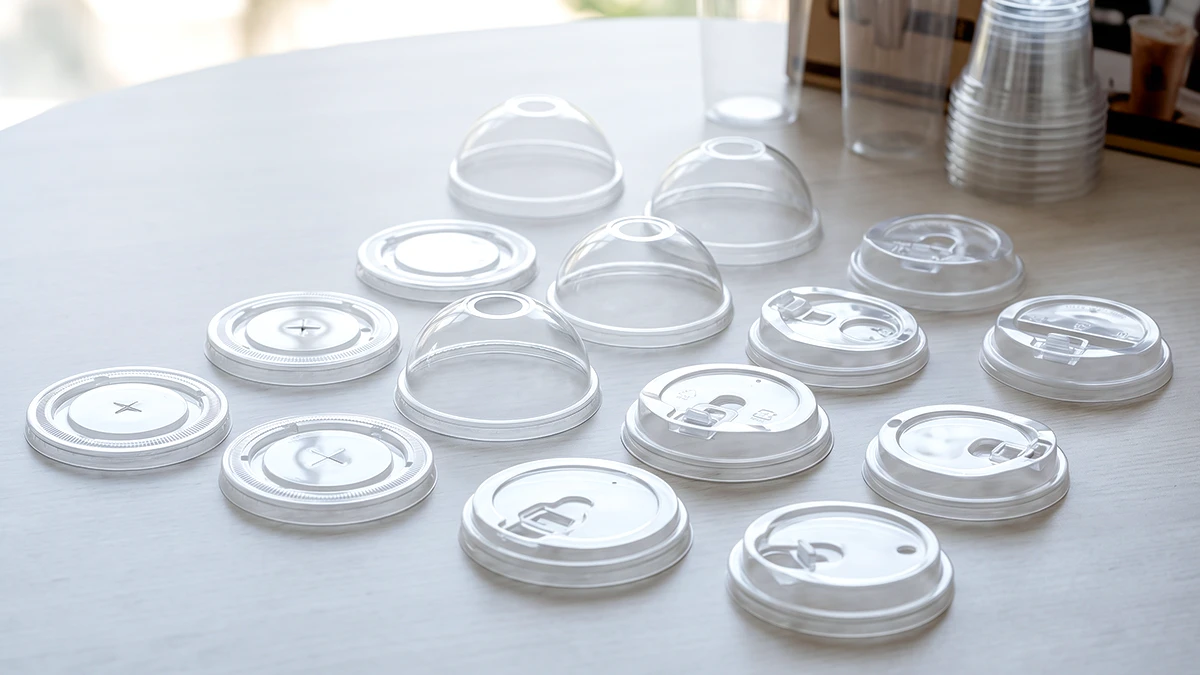
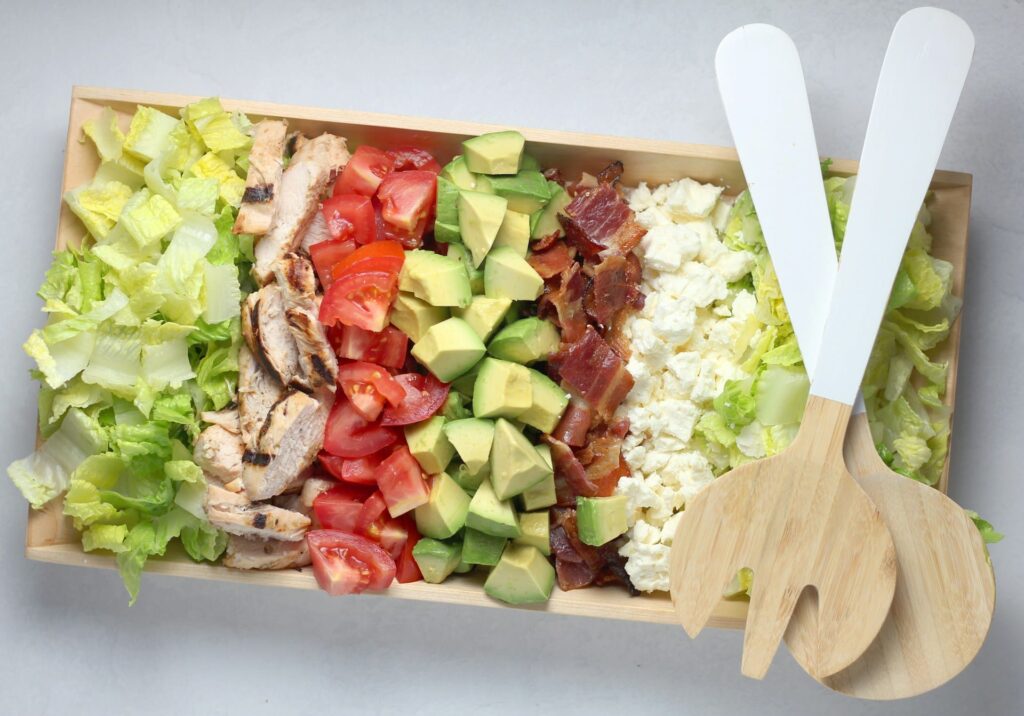
PET is a widely recognized plastic polymer, highly valued for its exceptional clarity, strength, and barrier properties. It is a popular choice for packaging cold foods and beverages, including a variety of disposable salad bowls.
Key Characteristics of PET
- Transparency: PET offers excellent transparency, allowing consumers to clearly see the fresh contents of the salad bowl. This visual appeal is crucial for marketing and presentation.
- Strength and Rigidity: PET bowls are robust and resistant to cracking, making them ideal for transportation and handling. They maintain their shape well, even when filled.
- Barrier Properties: PET provides a good barrier against oxygen and moisture, which helps to keep salads fresh and extends their shelf life.
- Recyclability: PET is one of the most commonly recycled plastics globally. Its clear nature makes it easily identifiable in recycling streams, contributing to a circular economy.
Ideal Applications for PET Salad Bowls
PET disposable salad bowls are best suited for:
- Cold Salads: Their excellent barrier properties and clarity make them perfect for showcasing fresh, vibrant cold salads.
- Deli Counters: Often used in supermarkets and delis for pre-packaged salads, fruits, and other cold food items.
- Grab-and-Go Meals: Their durability ensures that meals remain intact during transit, making them ideal for busy consumers.
Advantages and Disadvantages of PET
| Advantages | Disadvantages |
|---|---|
| Excellent clarity and aesthetics | Not suitable for hot foods (low heat resistance) |
| Strong and durable | Can be more brittle in very cold temperatures |
| Good barrier properties | |
| Widely recyclable |
PP (Polypropylene) Salad Bowls: Versatility and Heat Resistance
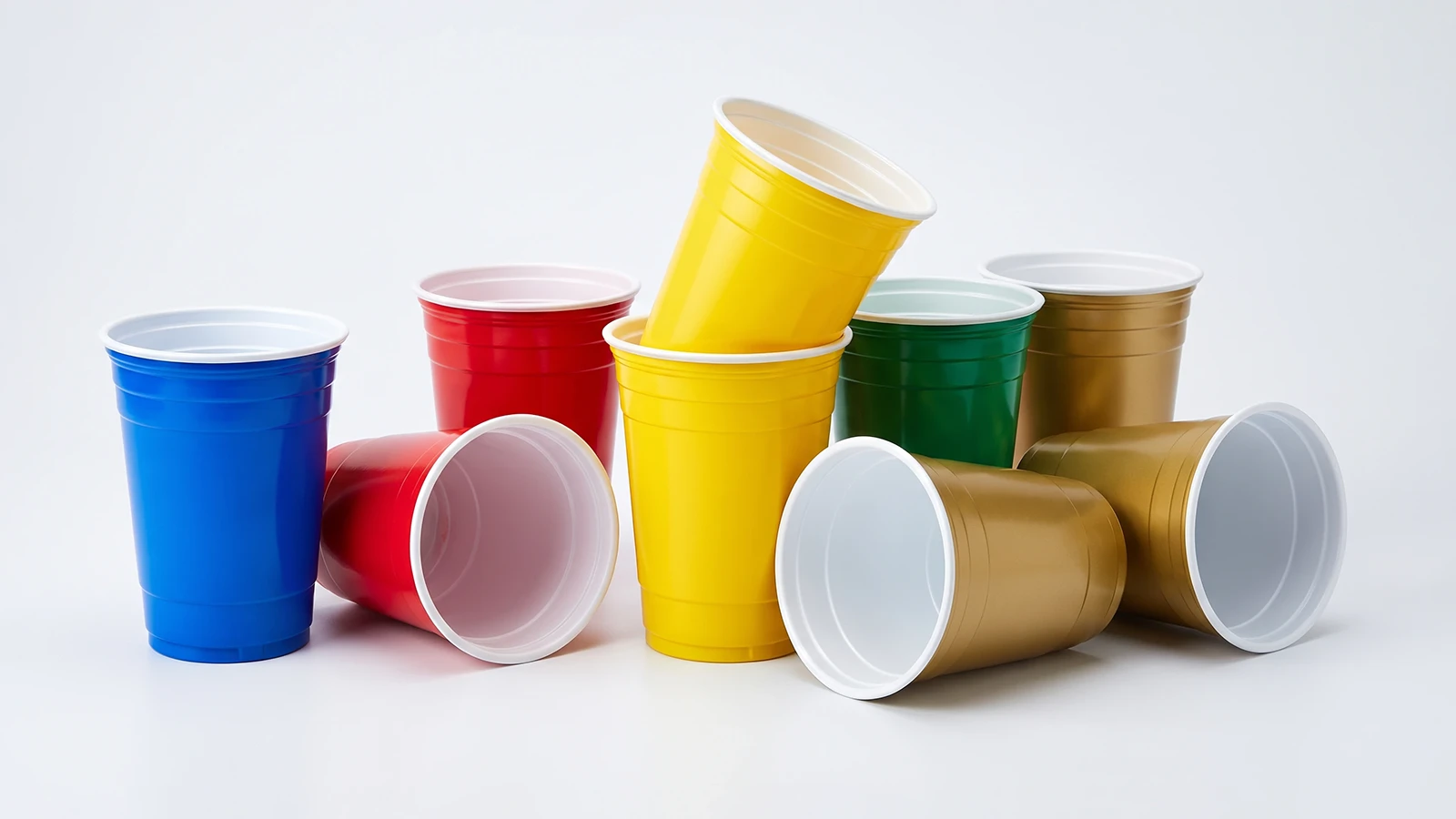
PP is another common plastic polymer used in food packaging, known for its versatility, heat resistance, and flexibility. PP disposable salad bowls offer a different set of benefits compared to PET.
Key Characteristics of PP
- Heat Resistance: Unlike PET, PP can withstand higher temperatures, making it suitable for both hot and cold food applications. Many PP bowls are microwave-safe.
- Flexibility: PP is more flexible than PET, which can make it less prone to cracking under pressure.
- Chemical Resistance: It exhibits good resistance to various chemicals, making it a safe choice for a wide range of food products.
- Cost-Effectiveness: PP is generally more cost-effective than PET, offering a budget-friendly option for bulk purchases.
Ideal Applications for PP Salad Bowls
PP disposable salad bowls are highly versatile and are often used for:
- Hot and Cold Foods: Their heat resistance allows them to be used for warm salads, pasta dishes, or even soups.
- Meal Prep Services: Suitable for meals that require reheating in a microwave.
- Catering: Their durability and ability to handle various food temperatures make them a practical choice for catering events.
Advantages and Disadvantages of PP
| Advantages | Disadvantages |
|---|---|
| High heat resistance | Less transparent than PET |
| Microwave-safe | Can be less rigid than PET |
| More flexible and less brittle | |
| Cost-effective |
Paper Salad Bowls: Eco-Friendliness and Customization
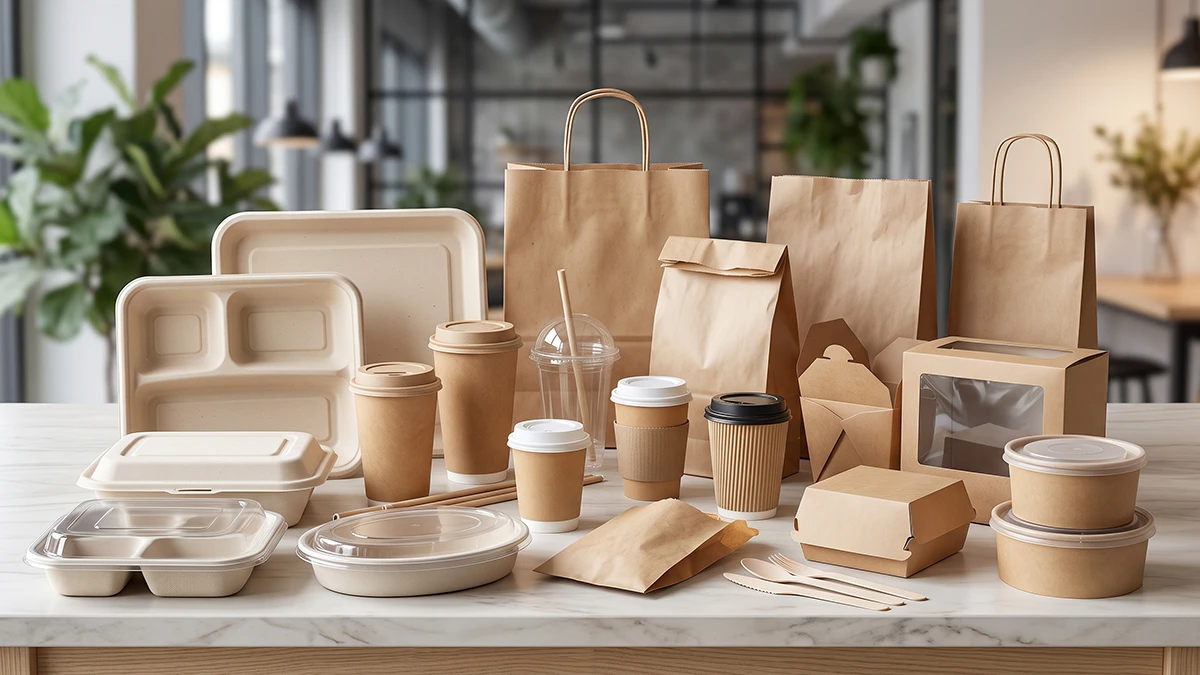
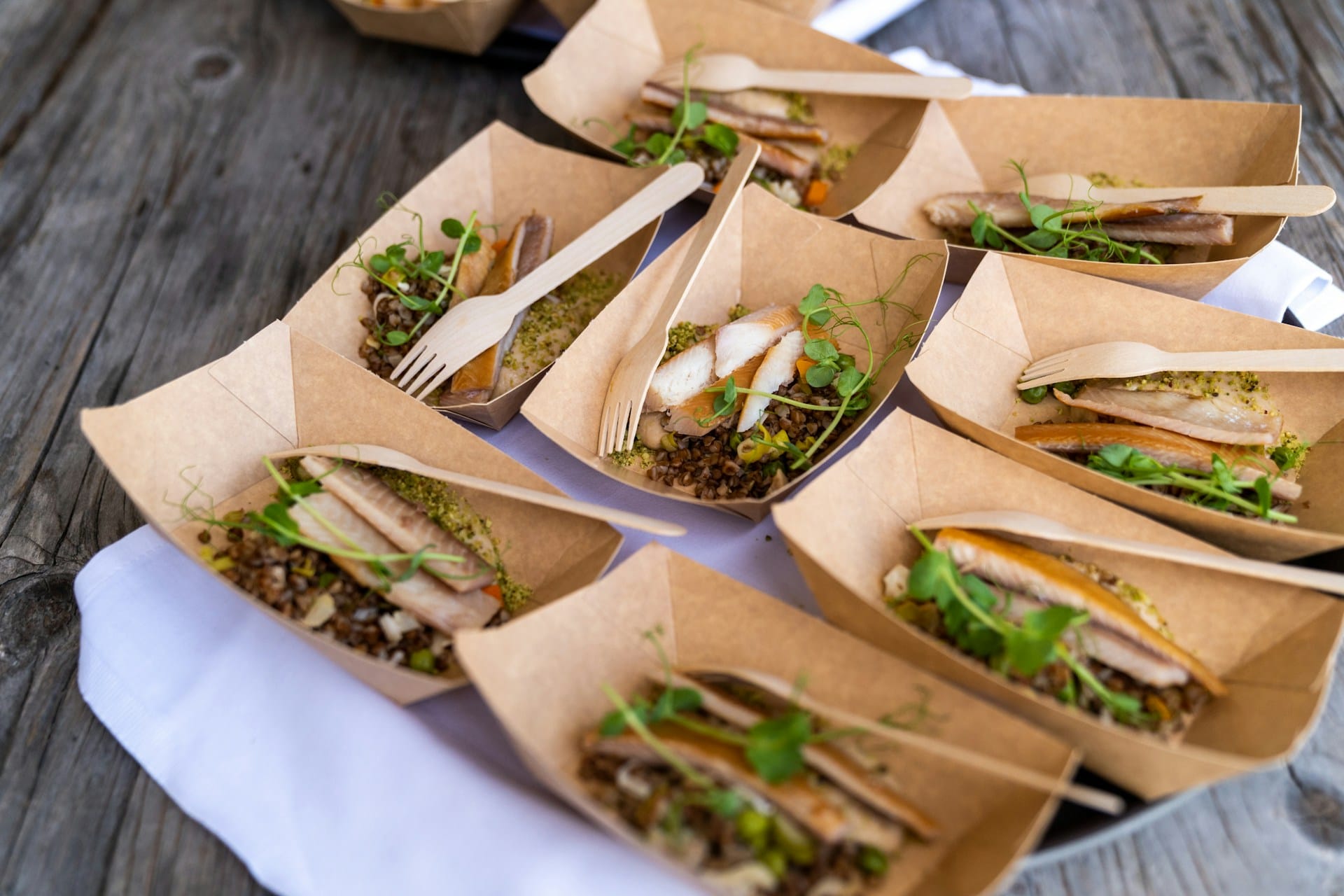
Paper salad bowls have gained significant popularity due to increasing environmental awareness and demand for sustainable packaging solutions. These bowls are typically made from virgin or recycled paperboard and often feature a lining to prevent leakage.
Key Characteristics of Paper
- Sustainability: Paper is a renewable resource, and many paper bowls are compostable or recyclable, depending on the lining material.
- Printability: Paper offers excellent printability, allowing for vibrant custom branding and designs. This is a significant advantage for businesses looking to enhance their brand identity.
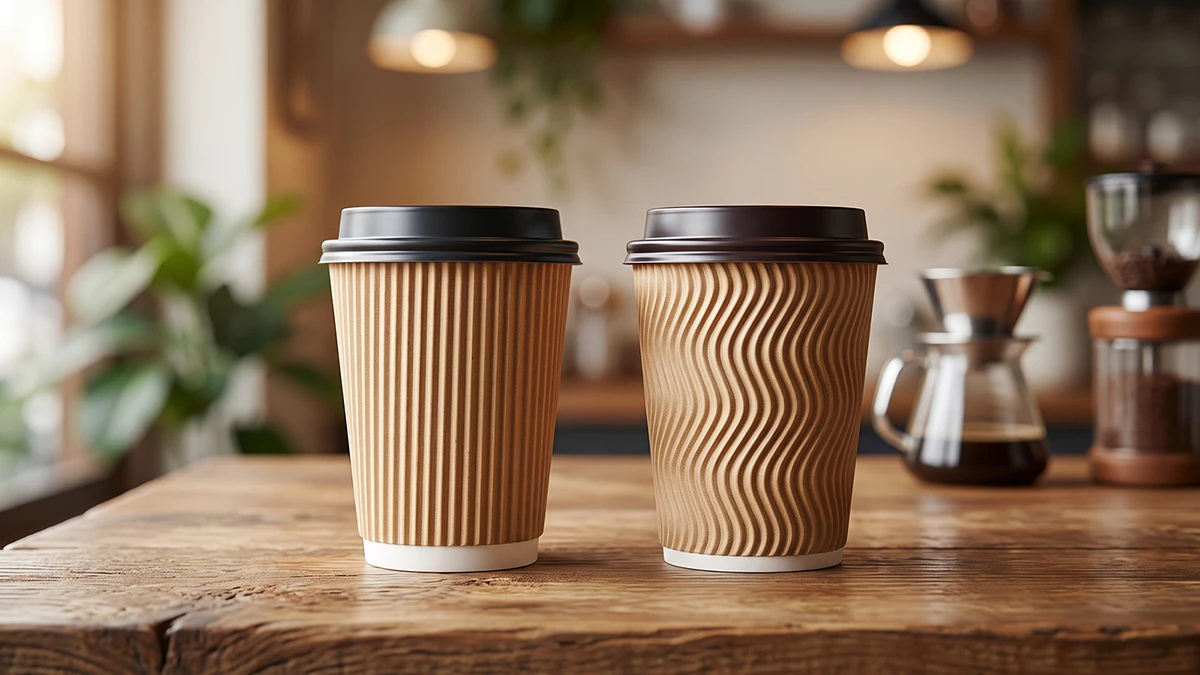
- Insulation: Paper provides better insulation than plastic, helping to maintain the temperature of both hot and cold foods for longer.
- Versatility: Available in various shapes and sizes, paper bowls can accommodate a wide range of food items.
Ideal Applications for Paper Salad Bowls
Paper disposable salad bowls are particularly well-suited for:
- Eco-Conscious Businesses: Restaurants and food service providers committed to reducing their environmental impact.
- Branded Packaging: Businesses that prioritize strong brand visibility through custom-printed packaging.
- Hot and Cold Dishes: With appropriate linings, paper bowls can hold both hot soups and cold salads effectively.
Advantages and Disadvantages of Paper
| Advantages | Disadvantages |
|---|---|
| Environmentally friendly | Can be more expensive than plastic options |
| Excellent for branding | Requires specific lining for liquid resistance |
| Good insulation properties | May not be as durable as plastic for heavy items |
| Renewable resource |
Choosing the Right Material for Your Business
Selecting the optimal material for your disposable salad bowls depends on a careful evaluation of your specific needs, budget, and sustainability goals. Consider these factors when making your decision:
- Food Type: Will you be serving hot or cold salads? Are there any specific ingredients that might react with certain materials?
- Customer Experience: What kind of visual appeal and functionality do you want to offer your customers?
- Environmental Impact: How important is recyclability, compostability, or the use of renewable resources to your brand and your customers?
- Budget: What are your cost constraints for packaging? Remember to consider both the unit cost and potential savings from reduced waste or improved efficiency.
- Branding Opportunities: Do you require custom printing or unique designs to enhance your brand presence?
Reliancepak: Your Partner in Disposable Salad Bowl Solutions
At Reliancepak, we understand the diverse needs of the food packaging industry. As both a trading company and a factory with nine production lines, we offer a comprehensive range of disposable salad bowls in PET, PP, and paper, catering to various requirements. Our commitment to quality, customization, and fast delivery makes us an ideal partner for businesses worldwide.
- Extensive Product Range: We provide a wide selection of disposable food containers, including salad bowls, made from different materials to suit your specific applications.
- Food Grade Certifications: All our products, regardless of material, adhere to strict food safety standards, holding essential certifications such as EU and FDA.
- Professional Customization: We offer advanced customization services, allowing you to brand your disposable salad bowls with your logo and unique designs, enhancing your market presence.
- Efficient Supply Chain: With our robust manufacturing capabilities and efficient logistics, we ensure fast delivery and reliable supply for your bulk orders.
Innovations in Disposable Salad Bowl Materials
The packaging industry is constantly evolving, with new materials and technologies emerging to address sustainability concerns and improve performance. Keep an eye on innovations such as:
- PLA (Polylactic Acid): A biodegradable and compostable plastic derived from renewable resources like corn starch. Ideal for cold applications.
- Bagasse: Made from sugarcane pulp, bagasse is a compostable and sturdy alternative to traditional paper or plastic, suitable for both hot and cold foods.
- Recycled Content: Increasing use of post-consumer recycled (PCR) content in PET and PP bowls to reduce reliance on virgin plastics.
The Importance of Sustainable Sourcing
As businesses and consumers become more environmentally conscious, sustainable sourcing of disposable salad bowls is no longer just an option but a necessity. Choosing materials that are recyclable, compostable, or made from renewable resources can significantly enhance your brand’s reputation and appeal to a broader customer base. Reliancepak is dedicated to offering environmentally friendly options, helping you meet your sustainability goals.
Quality Control and Manufacturing Excellence at Reliancepak
At Reliancepak, we pride ourselves on our rigorous quality control processes and manufacturing excellence. Our nine production lines are equipped with advanced technology to ensure that every disposable salad bowl meets the highest standards of quality, durability, and food safety. From raw material inspection to final product packaging, every step is meticulously monitored to guarantee consistency and reliability for our B2B clients.
Global Reach and Fast Delivery with Reliancepak
Reliancepak serves a global clientele, with main export countries including Malaysia, Peru, Austria, Spain, France, Netherlands, Saudi Arabia, the United States, South America, and Tanzania. Our extensive logistics network and commitment to fast delivery ensure that your bulk orders of disposable salad bowls reach you efficiently, wherever you are. We understand the importance of timely supply for your business operations.
Conclusion
Choosing the right material for your disposable salad bowls is a strategic decision that impacts your product’s functionality, cost, and environmental footprint. Whether you opt for the clarity of PET, the versatility of PP, or the eco-friendliness of paper, understanding their unique properties is key. Reliancepak is your trusted partner, offering a comprehensive range of high-quality, food-grade certified disposable salad bowls in all these materials, backed by professional customization and fast global delivery. Partner with us to find the perfect packaging solution for your business needs.
Frequently Asked Questions (FAQ)
Q1: Are PET, PP, and paper salad bowls recyclable?
A1: PET is widely recyclable. PP is also recyclable, though less commonly than PET in some regions. Paper bowls are recyclable or compostable depending on their lining material.
Q2: Which material is best for hot salads?
A2: PP (Polypropylene) and paper bowls with appropriate linings are best for hot salads due to their higher heat resistance.
Q3: Can I microwave disposable salad bowls?
A3: PP (Polypropylene) salad bowls are generally microwave-safe. PET and most paper bowls are not recommended for microwave use.
Q4: What are the environmental benefits of using paper salad bowls?
A4: Paper bowls are made from renewable resources and can be compostable or recyclable, reducing reliance on fossil fuels and minimizing landfill waste.
Q5: How does Reliancepak ensure the quality of its disposable salad bowls?
A5: Reliancepak implements stringent quality control measures across its nine production lines, ensuring all products meet high standards of durability, safety, and food-grade certifications like EU and FDA.
Q6: Does Reliancepak offer custom branding for all material types?
A6: Yes, Reliancepak offers professional customization services for disposable salad bowls across all material types, allowing for custom printing and unique designs to enhance your brand.