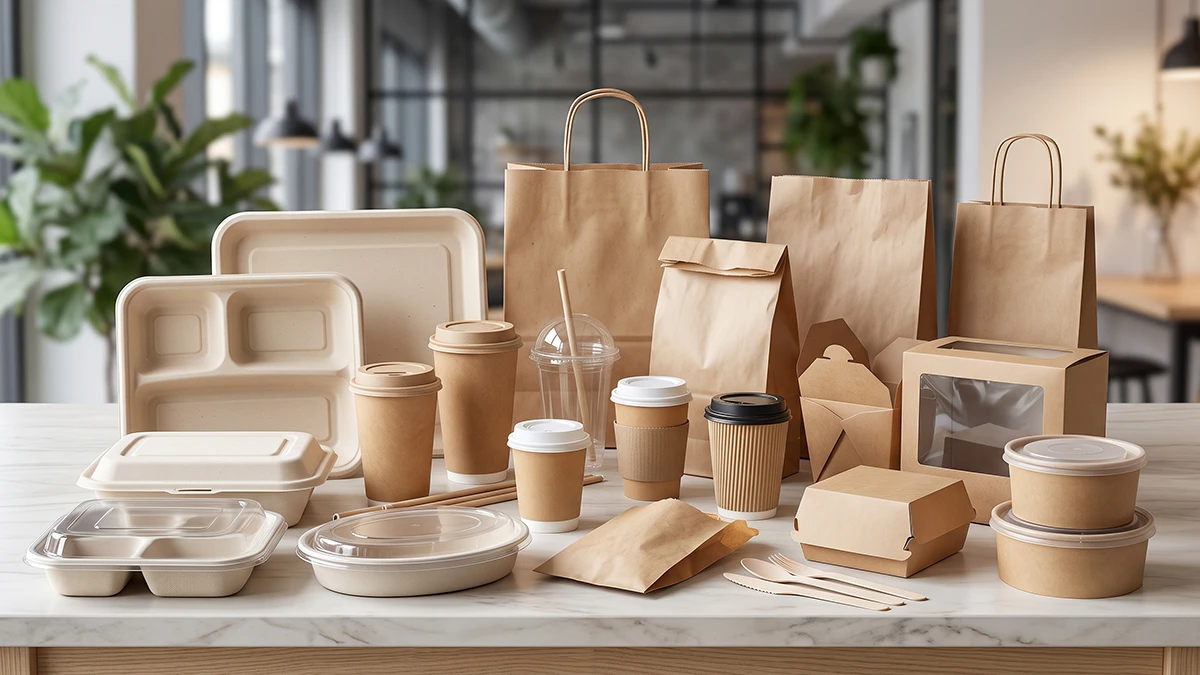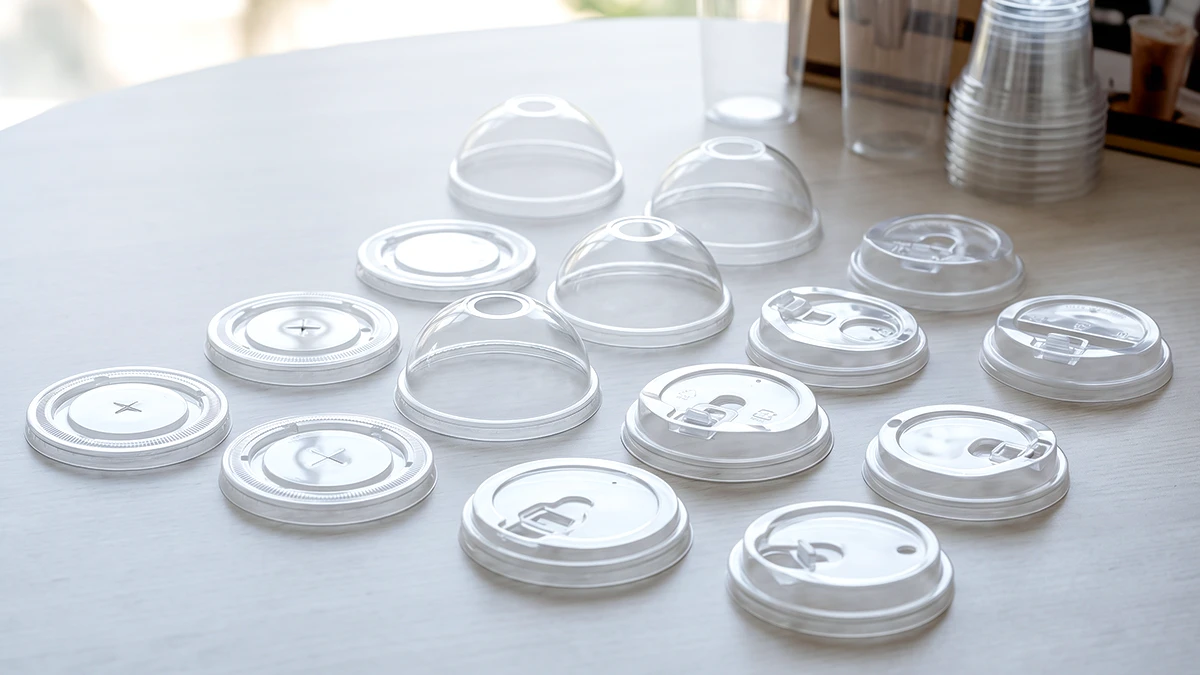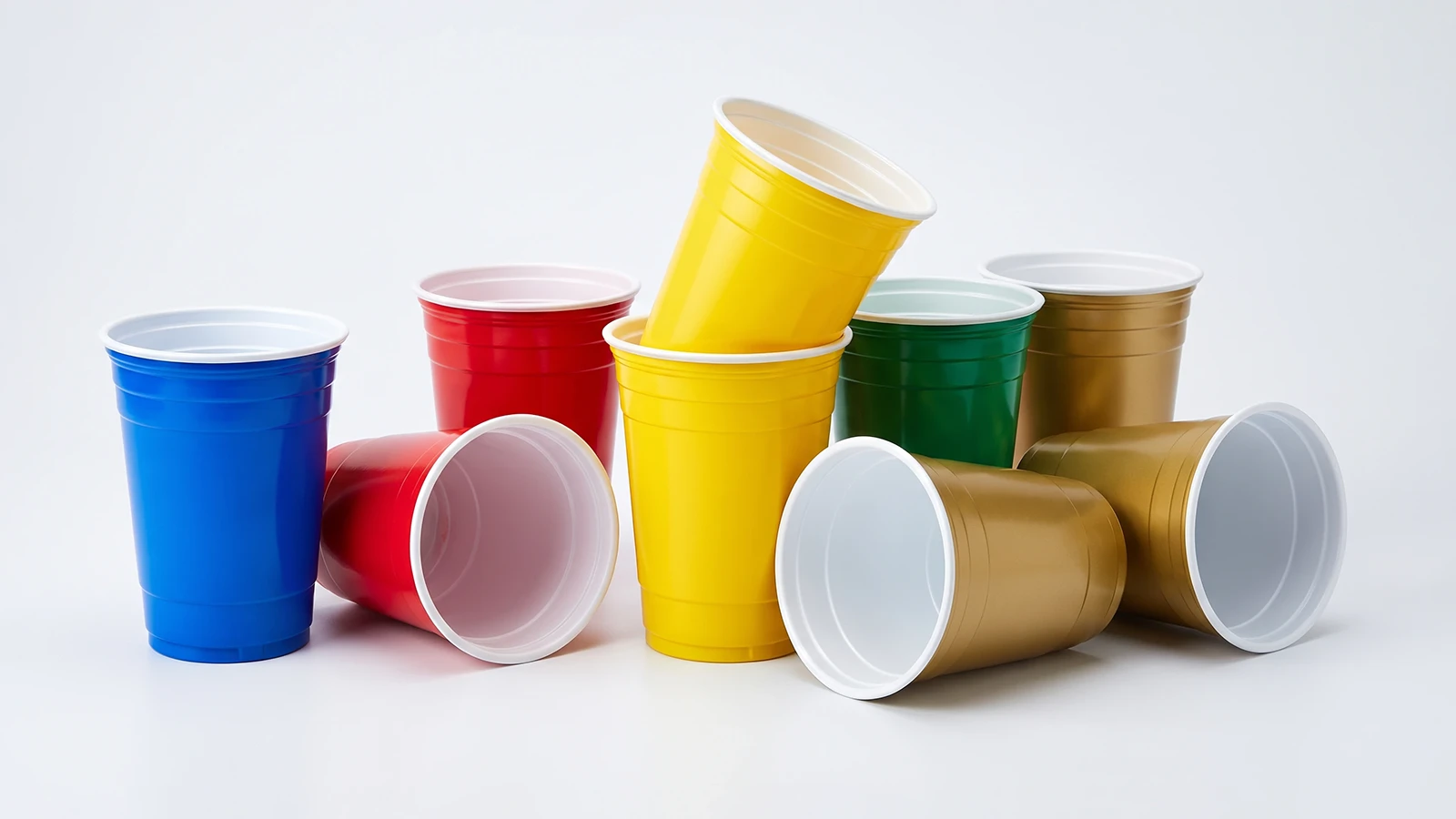
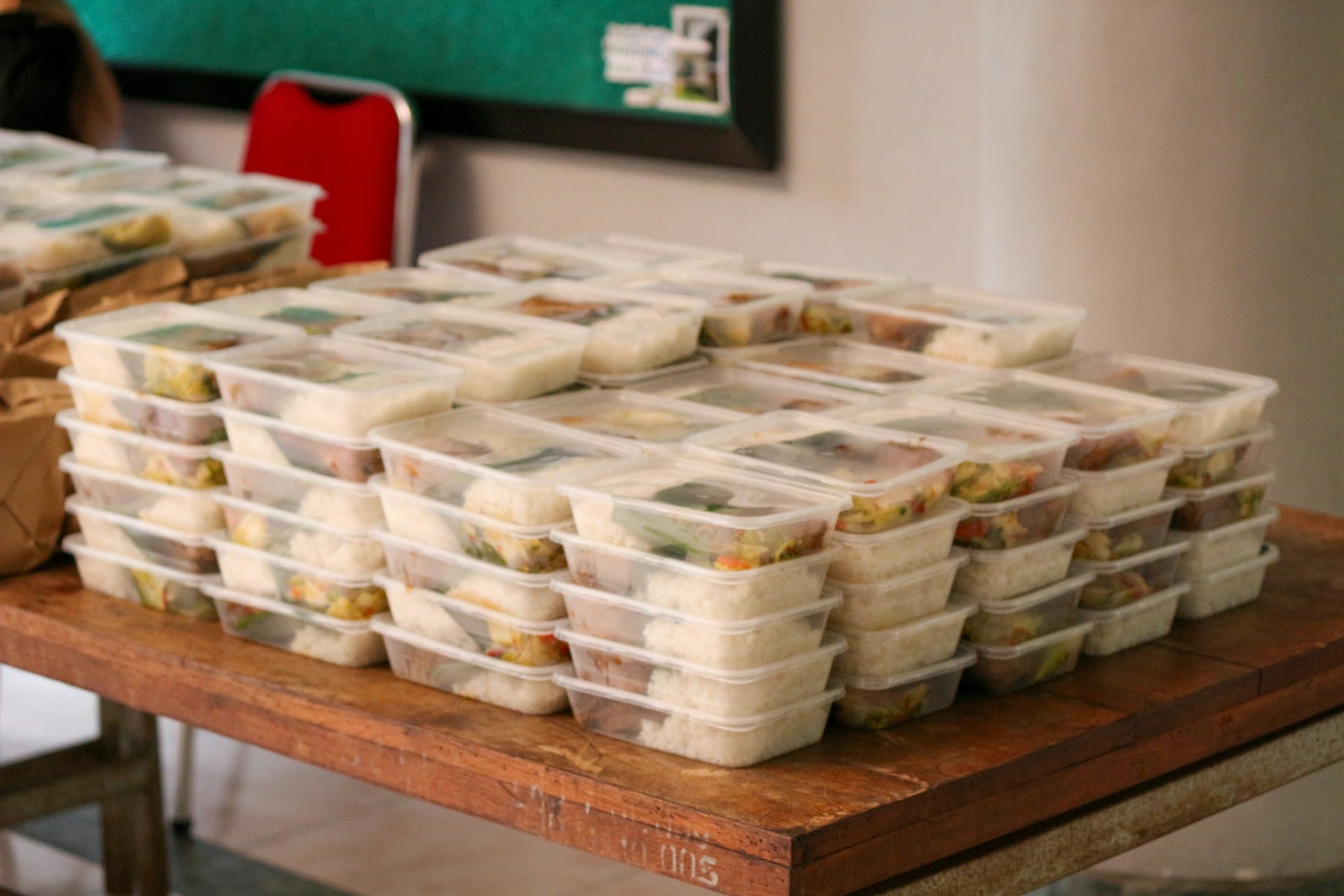
Plastic food boxes have become an indispensable part of modern life, revolutionizing how we store, transport, and consume food. From their humble beginnings as simple containers, these versatile plastic food boxes have undergone significant transformations, driven by evolving consumer demands, technological advancements, and a growing global emphasis on sustainability. This blog post explores the fascinating journey of plastic food boxes, highlighting their key milestones and the shift towards more environmentally conscious solutions. For businesses in the food industry, understanding this evolution is crucial for making informed packaging choices that balance convenience, food safety, and environmental responsibility.
Early Innovations: The Dawn of Plastic Packaging
The story of plastic food boxes begins in the mid-20th century with the advent of synthetic polymers. Early plastics like polyethylene and polystyrene offered unprecedented advantages over traditional materials such as glass and metal. They were lightweight, durable, and inexpensive to produce, making them ideal for mass-produced food items.
The Rise of Convenience
Initially, the primary focus was on convenience. Plastic food boxes made it easier for consumers to store leftovers, pack lunches, and enjoy ready-to-eat meals. This era saw the widespread adoption of disposable plastic food containers, catering to a fast-paced lifestyle.
The Era of Specialization: Meeting Diverse Needs
As the food industry diversified, so did the demand for specialized plastic food boxes. Manufacturers began developing containers tailored to specific food types and applications, leading to innovations in design and material properties.
Enhancing Food Preservation
One significant development was the creation of plastic food boxes with improved barrier properties. These advanced materials helped extend the shelf life of perishable goods by protecting them from oxygen, moisture, and other external factors. This was a game-changer for food manufacturers and distributors, reducing waste and expanding market reach.
Microwave-Safe and Freezer-Friendly Solutions
The introduction of microwave-safe and freezer-friendly plastic food boxes further enhanced their utility. Consumers could now conveniently heat or freeze food directly in its original packaging, adding another layer of convenience. This adaptability made plastic food boxes an essential item in every household and commercial kitchen.
The Sustainability Imperative: A New Chapter
In recent decades, environmental concerns have reshaped the packaging industry. The focus has shifted from mere convenience to sustainability, prompting manufacturers to innovate and develop more eco-friendly plastic food boxes.
Recyclable and Reusable Designs
The push for sustainability has led to the widespread adoption of recyclable plastic food boxes. Materials like PET (Polyethylene Terephthalate) and PP (Polypropylene) are now commonly used due to their recyclability. Furthermore, the market has seen a rise in reusable plastic food containers, encouraging a circular economy approach.
Exploring Bio-based and Biodegradable Alternatives
Beyond traditional recycling, research and development are actively exploring bio-based and biodegradable plastics. These innovative materials offer the potential to reduce reliance on fossil fuels and minimize environmental impact at the end of their life cycle. While still evolving, these alternatives represent the future of sustainable plastic food packaging.
The Role of Technology in Modern Plastic Food Boxes
Technology continues to play a pivotal role in the evolution of plastic food boxes, driving advancements in manufacturing, material science, and smart packaging solutions.
Advanced Manufacturing Techniques
Modern manufacturing techniques allow for the production of highly precise and efficient plastic food boxes. Innovations like injection molding and thermoforming enable complex designs that optimize material usage and enhance product performance. Reliancepak, for instance, leverages advanced production lines to ensure high-quality and consistent plastic food box manufacturing.
Smart Packaging Integration
The future of plastic food boxes may include smart packaging features. These could involve embedded sensors that monitor food freshness, QR codes for traceability, or even interactive elements that engage consumers. Such innovations promise to further enhance food safety and consumer experience.
Choosing the Right Plastic Food Box for Your Business
For B2B clients, selecting the appropriate plastic food box involves considering various factors, including material type, design, and sustainability credentials. Reliancepak offers a wide range of plastic food boxes, including PET plastic food boxes, designed to meet diverse business needs.
| Material Type | Key Properties | Common Applications |
|---|---|---|
| PET (Polyethylene Terephthalate) | Clear, strong, lightweight, recyclable, excellent barrier properties | Beverage bottles, food jars, clam shells, bakery containers |
| PP (Polypropylene) | Durable, heat-resistant, microwave-safe, good chemical resistance | Microwaveable containers, deli containers, yogurt cups |
| PS (Polystyrene) | Rigid, clear, inexpensive, good for cold foods | Disposable cups, clear lids, salad containers |
Conclusion: A Sustainable Future for Food Packaging
The evolution of plastic food boxes is a testament to human ingenuity and adaptability. From basic convenience items to sophisticated, sustainable solutions, these containers continue to play a vital role in the food supply chain. As the industry moves forward, the emphasis on environmentally friendly materials, advanced manufacturing, and smart technologies will only grow. Businesses partnering with manufacturers like Reliancepak can ensure they are at the forefront of this evolution, providing high-quality, safe, and sustainable plastic food packaging solutions.
FAQ
Q1: What are the main benefits of plastic food boxes for B2B?
A1: Lightweight, durable, versatile, cost-effective, extend shelf life, and ensure hygiene.
Q2: How do plastic food boxes ensure food safety?
A2: They are food-grade, prevent chemical leaching, and protect food from contaminants, moisture, and oxygen.
Q3: Are all plastic food boxes recyclable?
A3: Many are (e.g., PET, PP), but recyclability depends on plastic type and local facilities.
Q4: Why is PET important in food packaging?
A4: PET offers excellent clarity, strength, superior barriers, and high recyclability.
Q5: How can businesses choose sustainable plastic packaging?
A5: Prioritize recyclable materials (PET, PP), consider recycled content, reusable options, and bio-based alternatives. Partner with sustainable suppliers.