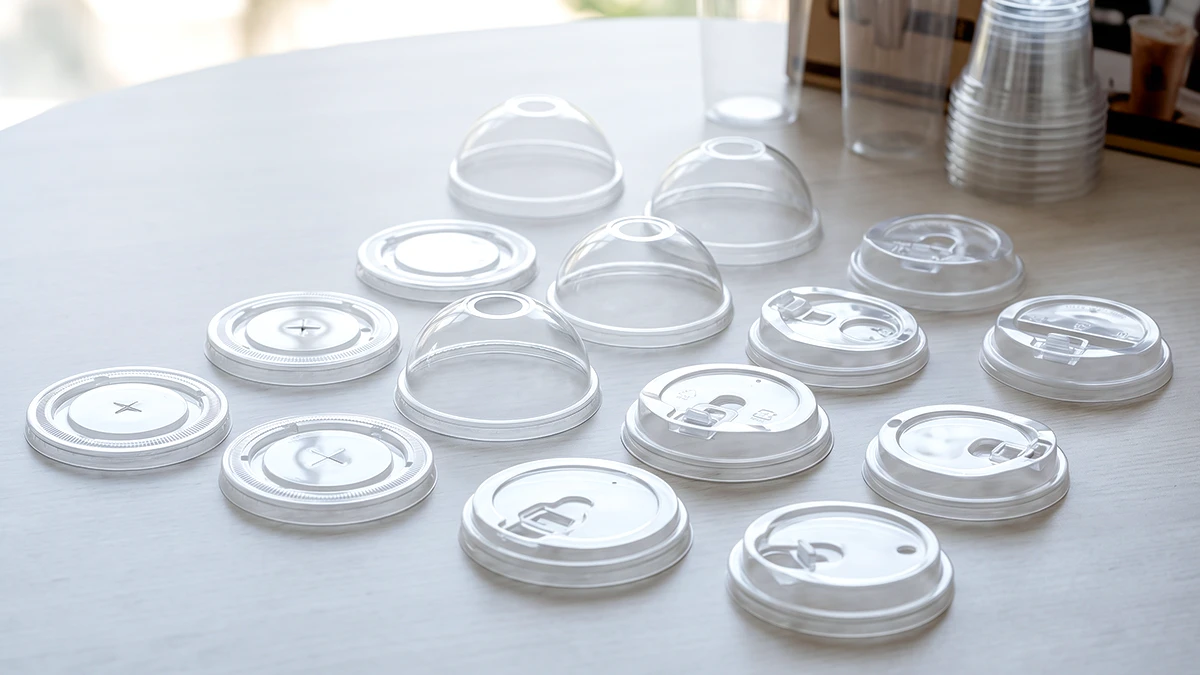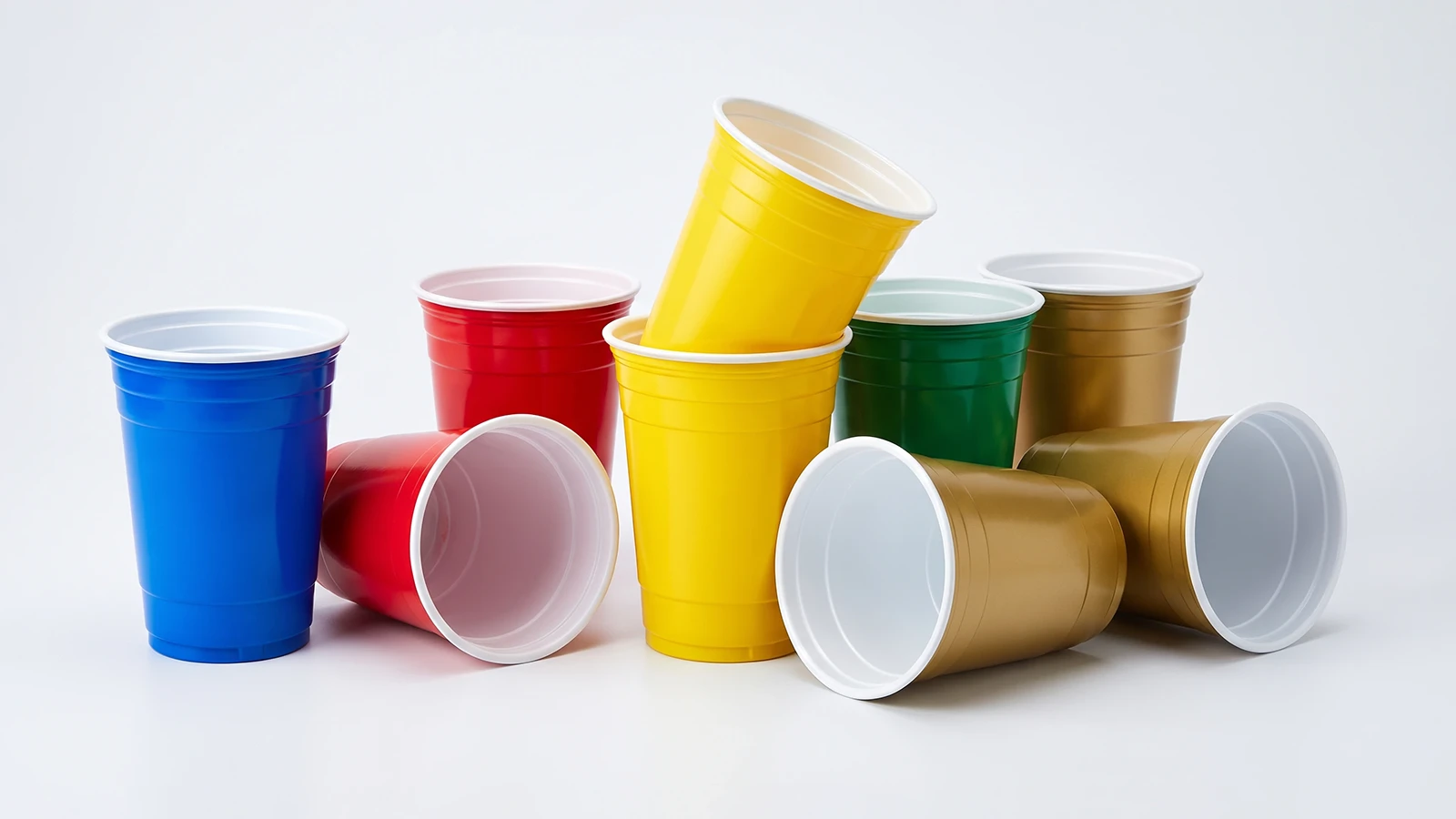
Sustainable food container bulk trends involve the integration of recycled resins, plant-based fibers, and biodegradable polymers into large-scale manufacturing to satisfy international environmental standards and consumer demand for circular packaging.
You are likely observing a rapid shift in the packaging landscape where traditional plastics are being replaced by bio-based and recycled alternatives. The pressure from national governments and global environmental agencies suggests that maintaining an inventory of non-compliant materials could result in stranded assets and lost market share. This guide outlines the specific trends and regulatory requirements th at are reshaping the food container bulk sector. By aligning your procurement strategy with these developments, you can maintain compliance while offering your clients the sustainable solutions they require.
How are global regulations impacting food container bulk procurement?
Global regulations act as the primary catalyst for change in the packaging industry by mandating the use of recycled content and restricting specific single-use plastics. Integrating these standards into your food container bulk strategy ensures that your products remain legal for sale in high-value markets like the European Union and North America.
The impact of single-use plastic bans
Here is the deal.
- The EU Single-Use Plastics Directive has banned several items and requires a 25% recycled content minimum for PET bottles by 2025.
- Many regions are implementing “Extended Producer Responsibility” (EPR) schemes that penalize distributors for non-recyclable packaging.
- National governments in Asia are following suit by restricting non-biodegradable food containers in urban centers.
- These mandates require you to verify the material composition of every wholesale batch to avoid customs rejections.
Mandatory carbon footprint reporting
Think about this.
- Large-scale enterprise buyers now require Tier 3 emissions data from their packaging suppliers.
- You must provide documentation showing the energy consumption and carbon output of the manufacturing process.
- Certifications like ISO 14001 are becoming a standard requirement for B2B procurement contracts.
- Transparency in the supply chain is no longer a choice but a legal necessity for international trade.
| Regulation Type | Target Metric | Market Area |
| EU SUP Directive | 25% Recycled Content | Europe |
| EPR Schemes | Recyclability Rating | Global |
| Plastic Taxes | Virgin Resin Surcharges | UK/Spain |
The shift from voluntary to mandatory compliance is accelerating the transition toward circular packaging models across all industrial sectors.
Key Takeaway: Regulatory compliance is a fundamental requirement that determines the longevity and profitability of your wholesale packaging inventory.
Which eco-friendly materials are dominating the food container bulk market?
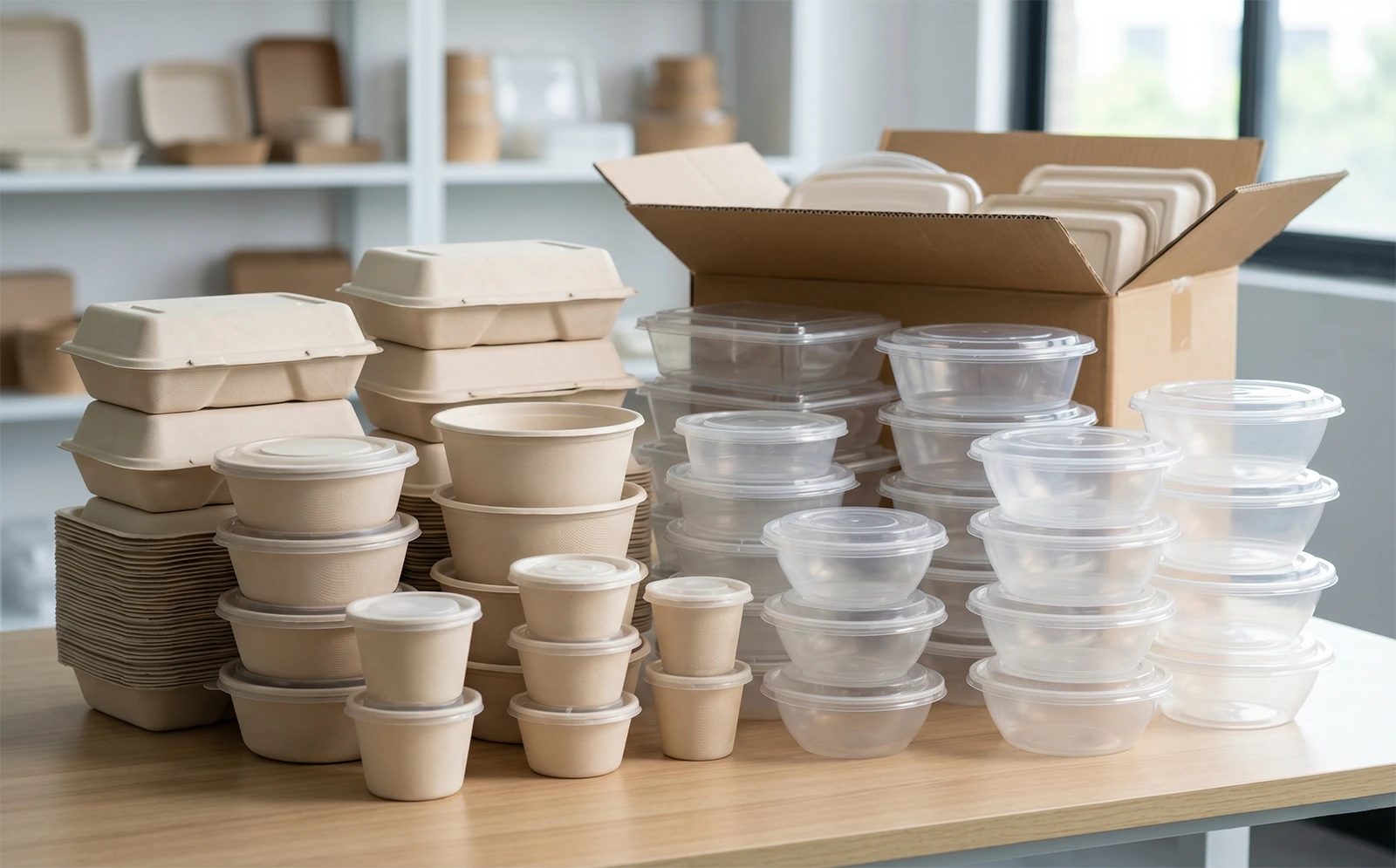
Eco-friendly materials such as rPET, sugarcane bagasse, and mineral-filled polypropylene are replacing virgin plastics in the food container bulk market due to their improved environmental profiles. These materials provide the necessary durability and barrier properties while reducing the overall dependency on fossil fuels.
The rise of rPET and circular resins
Let’s look at the facts.
- Recycled Polyethylene Terephthalate (rPET) reduces energy consumption by up to 79% during the production phase.
- It maintains the high clarity required for retail food displays, making it a perfect substitute for virgin PET.
- Circular resins allow you to market your products as being part of a closed-loop system, which appeals to eco-conscious restaurant chains.
- High-quality rPET is food-grade certified and meets the stringent safety requirements of the FDA and EFSA.
Compostable fibers and bio-plastics
You should know.
- Sugarcane bagasse is a byproduct of the sugar industry that offers a high-performance, compostable alternative for hot food containers.
- PLA (Polylactic Acid) is derived from renewable corn starch and provides a biodegradable solution for cold-use items.
- These materials break down in commercial composting facilities, reducing the burden on municipal landfills.
- Using bio-based fibers allows you to bypass many of the taxes currently applied to petroleum-based polymers.
| Material | Environmental Benefit | Best Use Case |
| rPET | 100% Recyclable | Cold Food & Salads |
| Bagasse | Compostable | Hot Meals & Soups |
| PLA | Bio-based | Clear Cups & Lids |
Diversifying your material selection helps you mitigate the risks associated with resin price volatility and regulatory changes.
Key Takeaway: Selecting the right eco-material is a balance between functional performance and meeting the environmental expectations of your B2B customers.
How can you optimize the recyclability of large volume packaging?
Optimizing recyclability requires a focus on monomaterial construction and the removal of contaminants such as dark pigments or permanent adhesives. In the food container bulk industry, simplicity in design is the most effective way to ensure that products are actually processed by recycling machinery.
Moving toward monomaterial design
Here is the truth.
- Multi-layer plastics are difficult to separate and often end up as waste because they contaminate recycling streams.
- Designing a container and lid from the same polymer, such as 100% Polypropylene, makes the entire unit easier to recycle.
- Monomaterial structures simplify the procurement process by reducing the number of resin types you need to manage.
- Clear or light-colored plastics have a higher market value in the recycling industry compared to black or opaque materials.
Integrating standardized recycling labels
You might also consider.
- Adding “How2Recycle” or similar clear icons helps end-users dispose of the packaging correctly.
- These labels reduce the risk of greenwashing claims and build trust with retail consumers.
- Standardized labeling facilitates faster sorting at material recovery facilities.
- Accurate labeling is often a prerequisite for obtaining green certifications in Western markets.
| Design Strategy | Action Item | Expected Result |
| Monomaterial | Use single resin types | 100% Recyclability |
| Color Control | Use clear/natural resins | Higher Scrap Value |
| Labeling | Add clear disposal icons | Reduced Contamination |
Design simplicity is the most reliable path toward achieving true circularity in the mass-market food service industry.
Key Takeaway: Effective packaging design focuses on the end-of-life stage to ensure that bulk products contribute to a sustainable waste management system.
What can we offer?
Reliancepak provides a stable supply of food-grade packaging with the speed and professional service your business requires. Our 9 production lines are equipped to handle the latest sustainable materials, from rPET to compostable fibers, ensuring that your food container bulk needs are met with environmental responsibility. Contact us today to discuss how our integrated manufacturing and trading services can help you adapt to the latest green trends and regulations.
We believe that reliable, safe, and sustainable packaging is the foundation of a successful global food supply chain.
FAQ
Can I switch my entire inventory to compostable materials?
Yes. It is possible, but you should evaluate the storage conditions and shelf-life requirements of your clients, as bio-materials can be sensitive to moisture and heat over long periods.
How do I verify the recycled content percentage in a bulk order?
Yes, you can request a “Chain of Custody” certificate or a third-party audit report from the manufacturer to confirm the exact ratio of recycled to virgin resin used.
Are sustainable materials more expensive than traditional plastics?
Yes. Eco-materials often carry a price premium due to the costs of processing recycled resins or bio-fibers, though this gap is closing as production scales globally.
Do eco-friendly containers require different shipping conditions?
Yes, certain bio-plastics like PLA have a lower melting point and might require temperature-controlled shipping if they are being transported through high-heat regions.
Does a compostable label mean the product will break down in a backyard?
No. Most compostable food containers are “Industrially Compostable,” meaning they require the high-heat conditions of a professional facility to decompose within the specified timeframe.