
1. Understanding Food-Grade Clear Plastic Trays: Key Features and Benefits
Food-grade clear plastic trays are widely used in the food industry due to their transparency, durability, and compliance with safety standards. These trays allow consumers to see the product while keeping it fresh and protected.
Key Features of Food-Grade Clear Plastic Trays
- Transparency: Enhances product visibility, making it easier for consumers to assess freshness.
- Lightweight and Durable: Compared to glass or metal, plastic trays are easy to handle and transport.
- Moisture and Leak Resistance: Prevents contamination and maintains food integrity.
- Temperature Tolerance: Suitable for refrigeration and sometimes microwave use, depending on the material.
Benefits of Using Clear Plastic Trays
- Extended Shelf Life: Proper sealing prevents oxidation and bacterial growth.
- Improved Product Presentation: Enhances the visual appeal of food items in retail settings.
- Cost-Effective Solution: More affordable than alternative materials like glass or aluminum.
- Versatile Applications: Used for baked goods, fresh produce, deli meats, and ready-to-eat meals.
2. Common Materials Used in Food-Grade Clear Plastic Trays: PP, PET, and More
Selecting the right material for clear plastic trays is crucial for ensuring food safety and meeting industry requirements. The most common materials include PP (polypropylene) and PET (polyethylene terephthalate), among others.
Comparison of Common Materials for Clear Plastic Trays
| Material | Transparency | Heat Resistance | Recyclability | Common Applications |
|---|---|---|---|---|
| PET (Polyethylene Terephthalate) | High | Moderate | Highly recyclable | Bakery, salads, fruit packaging |
| PP (Polypropylene) | Moderate | High | Recyclable | Microwaveable meal trays, takeout containers |
| PS (Polystyrene) | High | Low | Limited recyclability | Dessert trays, cake boxes |
PET is preferred for its clarity and recyclability, while PP is ideal for heat-resistant applications. PS, though transparent, is less eco-friendly and primarily used for non-microwavable food packaging.
3. How Clear Plastic Trays Ensure Food Safety and Compliance
Food safety regulations require plastic trays to meet strict standards to prevent contamination and maintain hygiene.
Compliance with Food Safety Standards
- FDA & EU Regulations: PET and PP trays must comply with food-contact safety regulations.
- BPA-Free Materials: Ensuring no harmful chemicals leach into food.
- Tamper-Proof and Sealed Packaging: Helps prevent contamination and extends shelf life.
Hygiene and Contamination Prevention
- Sterile Manufacturing Process: Many food-grade plastic trays are produced in clean-room environments.
- Anti-Fog Coatings: Maintains visibility in refrigerated conditions.
- Resistance to Grease and Moisture: Essential for packaging oily or wet food items.
Manufacturers must ensure their products undergo rigorous quality testing to meet global safety standards.
4. Key Factors to Consider When Choosing Food-Grade Clear Plastic Trays
When selecting clear plastic trays for food packaging, B2B buyers should consider multiple factors to balance quality, cost, and sustainability.
1. Material Selection
- PET for high transparency and recyclability.
- PP for heat resistance and microwave-safe applications.
- PS for cost-effective, lightweight packaging.
2. Thickness and Durability
- Thin trays are cost-effective but may compromise strength.
- Thicker trays offer better protection but increase material costs.
3. Sealing and Compatibility
- Ensure compatibility with sealing machines for leak-proof packaging.
- Consider trays that support MAP (Modified Atmosphere Packaging) for extended shelf life.
4. Customization Options
- Branding elements like embossed logos or printed designs.
- Shape and compartment customization to fit specific food products.
5. Sustainability
- Choose recyclable or biodegradable materials to meet eco-friendly packaging trends.
- Opt for lightweight designs to reduce shipping and material costs.
By carefully evaluating these factors, businesses can ensure they invest in high-quality, food-safe, and cost-efficient clear plastic trays.
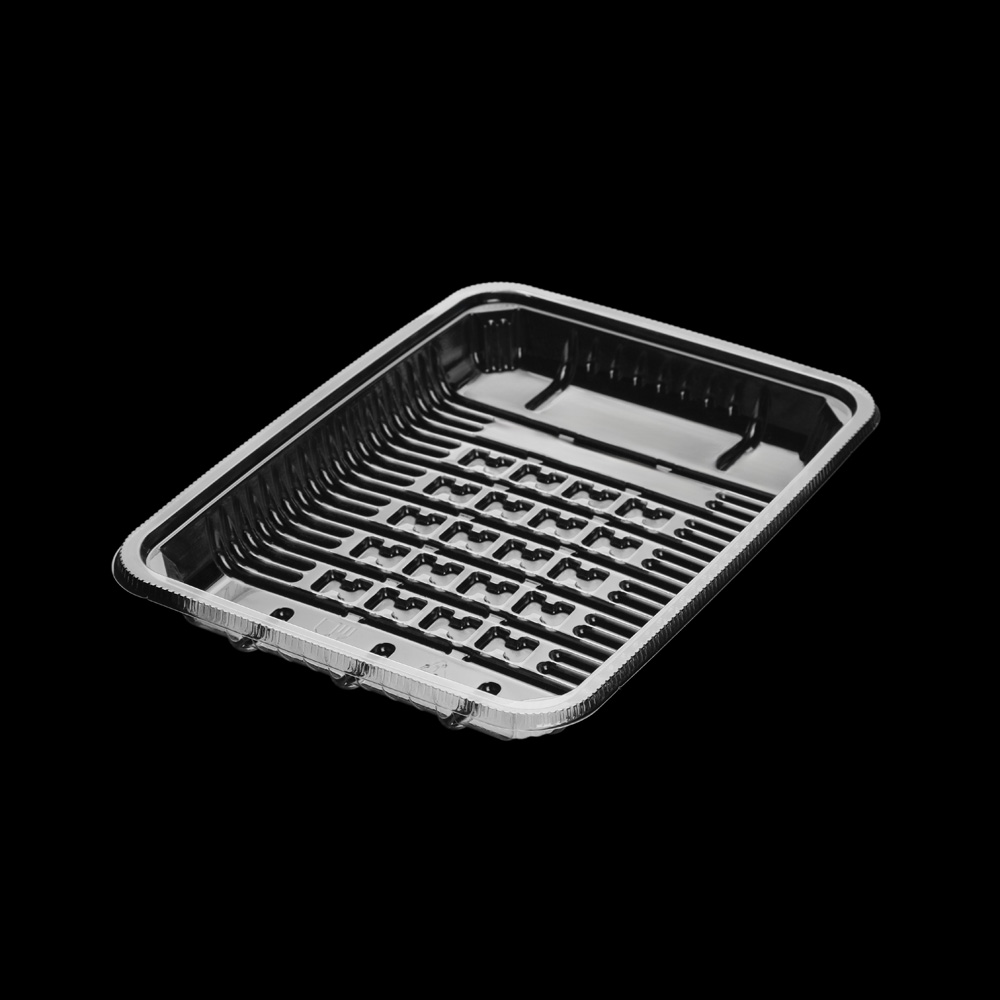
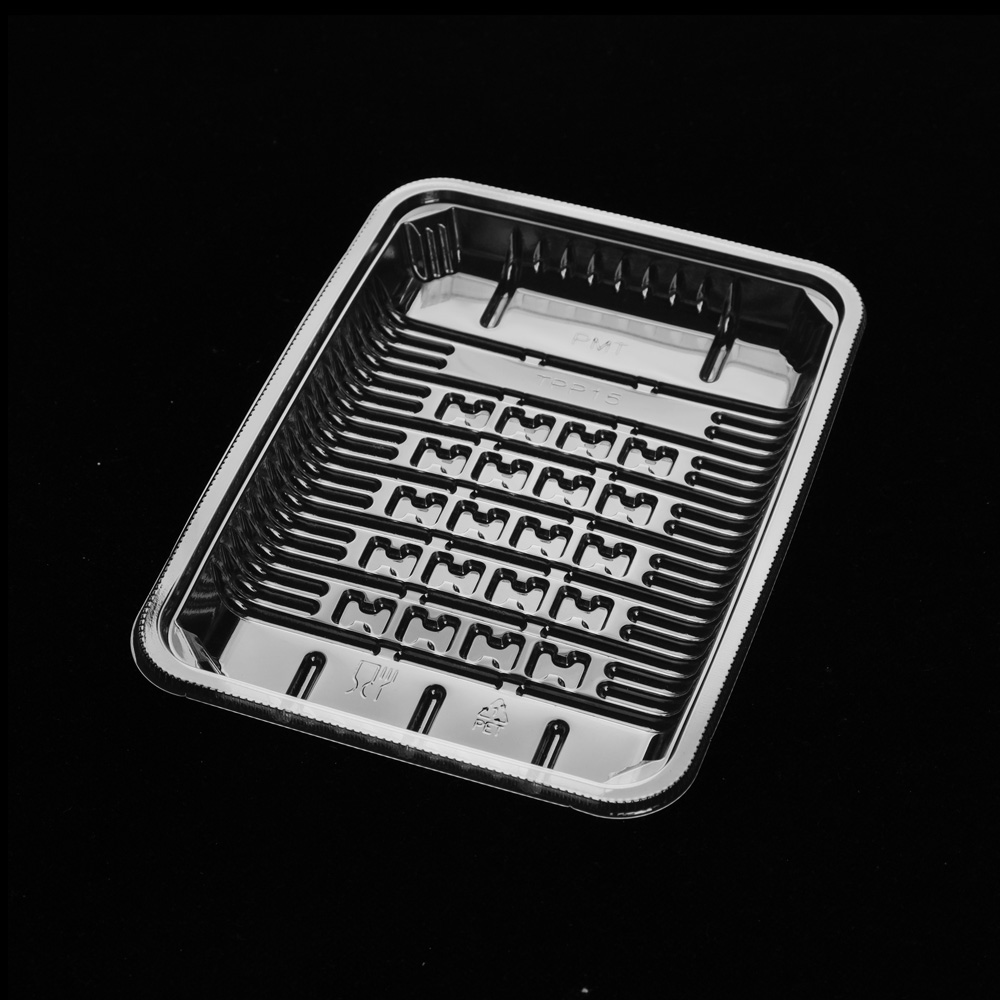

5. Customization Options for Clear Plastic Trays: Enhancing Brand Identity
Customization is essential for businesses looking to differentiate their food packaging. Clear plastic trays can be tailored to meet industry-specific requirements while reinforcing brand recognition.
Branding Through Custom Designs
- Embossed or Debossed Logos: A cost-effective way to display brand identity.
- Printed Labels and Inserts: Adds branding while providing product information.
- Color-Tinted Clear Trays: Helps distinguish different product lines while maintaining transparency.
Custom Shapes and Sizes
- Multi-Compartment Designs: Ideal for meal prep, bento boxes, and snack packs.
- Tailored Dimensions: Optimized to fit food portions while reducing material waste.
- Reinforced Edges and Lids: Prevents leaks and enhances durability.
Special Features for Enhanced Functionality
- Anti-Fog Coatings: Ensures product visibility even in refrigerated conditions.
- Microwave and Freezer Compatibility: Extends usability for frozen and ready-to-eat meals.
- Tamper-Evident Seals: Boosts food safety and consumer trust.
With these customization options, businesses can strengthen their branding while improving packaging efficiency and product appeal.
6. Comparing Clear Plastic Trays: PP vs. PET vs. Other Materials
Selecting the right material is crucial for food-grade plastic trays. Each material offers unique benefits in terms of durability, clarity, and sustainability.
Material Comparison Chart
| Material | Transparency | Heat Resistance | Recyclability | Cost Efficiency | Common Uses |
|---|---|---|---|---|---|
| PET (Polyethylene Terephthalate) | High | Moderate | Highly recyclable | Moderate | Fresh produce, bakery items, deli trays |
| PP (Polypropylene) | Moderate | High (Microwave-safe) | Recyclable | Cost-effective | Microwave meals, takeout containers |
| PS (Polystyrene) | High | Low | Limited | Low | Dessert packaging, disposable trays |
Key Considerations When Choosing a Material
- For Maximum Clarity: PET is the best choice for product visibility.
- For Heat Resistance: PP works well for hot food and microwave applications.
- For Cost-Effectiveness: PS is the most budget-friendly but lacks recyclability.
Choosing the right material depends on the specific food application and sustainability goals of the business.
7. Sustainable and Recyclable Food-Grade Clear Plastic Trays: An Eco-Friendly Choice
As sustainability becomes a top priority in food packaging, businesses are looking for greener alternatives in clear plastic trays.
The Shift Towards Eco-Friendly Plastic Trays
- Increased Demand for Recyclable Materials: PET and PP trays are widely accepted in recycling programs.
- Biodegradable Alternatives: Emerging bio-based plastics are offering compostable solutions.
- Lightweight Designs: Reduces plastic usage and lowers transportation emissions.
Recyclability of Clear Plastic Tray Materials
| Material | Recyclability Level | Common Recycling Code |
|---|---|---|
| PET | High | ♳ (Code 1) |
| PP | Moderate | ♷ (Code 5) |
| PS | Low | ♶ (Code 6) |
How Businesses Can Reduce Plastic Waste
- Opt for Mono-Material Trays: Easier to recycle than multi-layered plastics.
- Encourage Consumer Recycling: Clear labeling and recycling instructions help customers dispose of packaging responsibly.
- Use Post-Consumer Recycled (PCR) Materials: Reduces reliance on virgin plastic production.
Investing in sustainable packaging not only benefits the environment but also enhances brand reputation and meets consumer expectations.
8. How Clear Plastic Trays Improve Food Packaging Efficiency and Shelf Appeal
Clear plastic trays play a crucial role in optimizing food packaging efficiency while enhancing product presentation.
Enhancing Operational Efficiency
- Pre-formed Trays for Faster Packaging: Speeds up production lines compared to manual wrapping.
- Sealable and Stackable Designs: Saves space during storage and transportation.
- Lightweight Construction: Reduces shipping costs while maintaining durability.
Improving Shelf Appeal in Retail
- High Transparency for Product Visibility: Consumers can easily assess freshness and quality.
- Sleek and Modern Design: Creates a premium look for packaged foods.
- Consistent Tray Sizing: Ensures uniform presentation across different product categories.
Data on Consumer Preferences for Packaging
- Studies show that 72% of shoppers prefer clear packaging to see the product inside before purchasing.
- 67% of consumers associate premium-looking packaging with higher product quality.
By using well-designed clear plastic trays, businesses can improve both efficiency and consumer perception, leading to increased sales and brand loyalty.
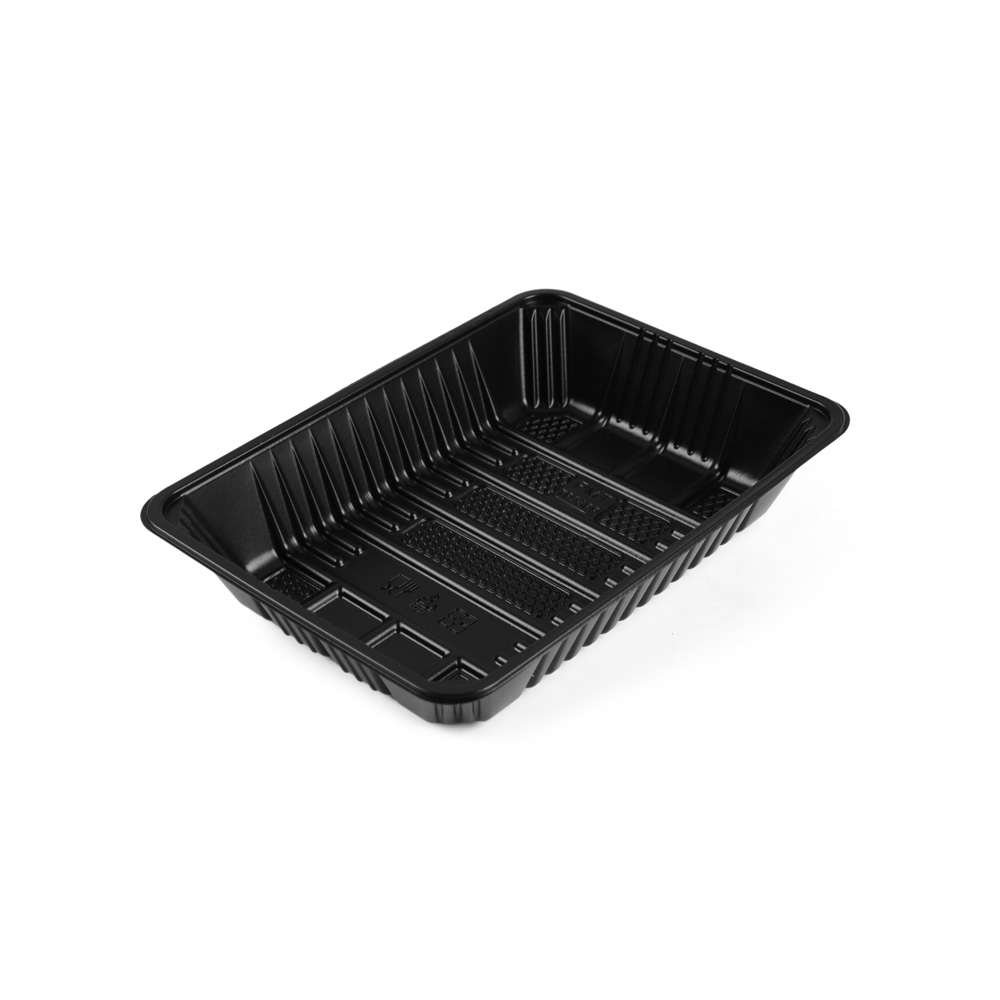
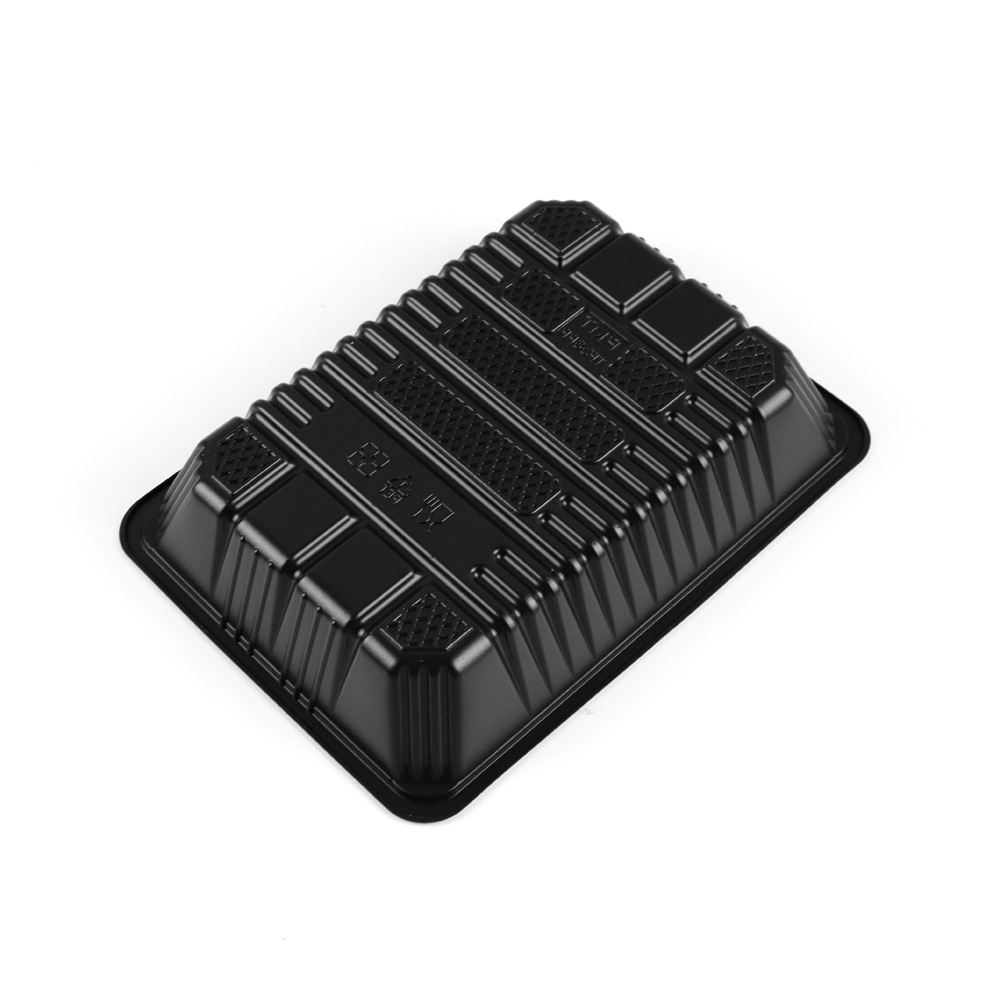
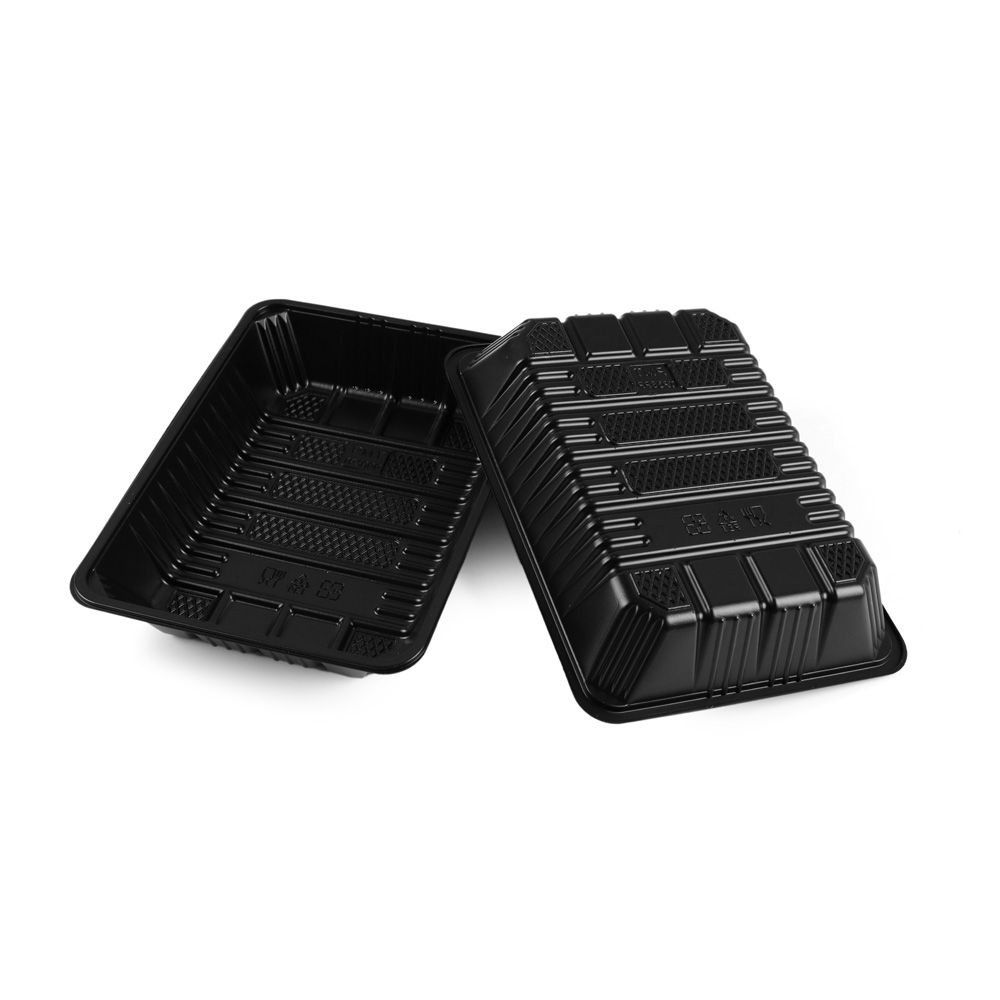
9. Industry Applications: Where Food-Grade Clear Plastic Trays Are Used
Clear plastic trays are widely used in the food industry, offering durability, hygiene, and product visibility. From fresh produce to ready-to-eat meals, these trays enhance food preservation and presentation.
Key Industry Applications
| Industry | Application | Recommended Material |
|---|---|---|
| Fresh Produce | Fruit and vegetable packaging | PET, RPET |
| Bakery & Pastry | Cakes, cookies, and pastries | PET, PS |
| Meat & Seafood | Vacuum-sealed fresh and frozen meat trays | PP, PET |
| Ready Meals | Microwave-safe meal trays | PP |
| Dairy Products | Cheese, yogurt, and dessert packaging | PET, PS |
Why Clear Plastic Trays?
- Product Visibility: Allows consumers to inspect freshness.
- Extended Shelf Life: Prevents contamination and preserves quality.
- Customizable Designs: Supports branding and portion control.
These factors make clear plastic trays an essential packaging solution across multiple food industries.
10. Finding the Right Supplier: Tips for B2B Buyers of Clear Plastic Trays
Choosing a reliable supplier is crucial for businesses sourcing food-grade clear plastic trays. Here’s how to evaluate suppliers effectively.
Key Factors to Consider
| Factor | Why It Matters |
|---|---|
| Material Quality | Ensures compliance with food safety regulations (FDA, EU standards) |
| Customization Options | Allows branding, unique designs, and specific functionality |
| Production Capacity | Can meet demand fluctuations and large orders |
| Sustainability Practices | Supports eco-friendly initiatives and recyclability |
| Cost Efficiency | Balances pricing with quality and long-term savings |
Questions to Ask a Supplier
- What certifications do you hold for food safety compliance?
- Do you offer recyclable or biodegradable tray options?
- What is your lead time for bulk orders?
- Can you provide samples for quality inspection?
Partnering with the right supplier ensures long-term business success and consistent product quality.
11. Future Trends in Food-Grade Clear Plastic Tray Manufacturing
The food packaging industry is evolving, and clear plastic trays are adapting to new trends in sustainability, technology, and consumer preferences.
Emerging Trends in Clear Plastic Trays
| Trend | Impact on the Industry |
|---|---|
| Increased Use of Recycled Plastics | Reduces reliance on virgin plastic, supports circular economy |
| Biodegradable & Compostable Materials | Expands eco-friendly options for food packaging |
| Smart Packaging Technologies | Incorporates freshness indicators and QR codes for tracking |
| Lightweight & Minimalist Designs | Reduces material usage and lowers carbon footprint |
| Automation in Production | Enhances efficiency and consistency in tray manufacturing |
The Rise of Sustainable Packaging
- Regulatory Push: Governments worldwide are enforcing stricter recycling mandates.
- Consumer Demand: Studies show 74% of consumers prefer sustainable packaging.
- Brand Responsibility: Companies are committing to plastic reduction initiatives.
Staying ahead of these trends helps businesses remain competitive and environmentally responsible.
12. Conclusion: Why Food-Grade Clear Plastic Trays Are a Must for the Food Industry
Clear plastic trays are an essential packaging solution for food businesses, providing hygiene, durability, and excellent presentation.
Key Takeaways
- Versatile Applications: Used in fresh produce, bakery, meat, and ready meals.
- Material Choices Matter: PET and PP offer recyclability and food safety benefits.
- Customization Enhances Branding: Logos, shapes, and functional coatings improve appeal.
- Sustainability is the Future: Recyclable and biodegradable options are gaining traction.
For businesses looking to enhance food packaging, investing in high-quality clear plastic trays ensures long-term efficiency, sustainability, and consumer satisfaction.