
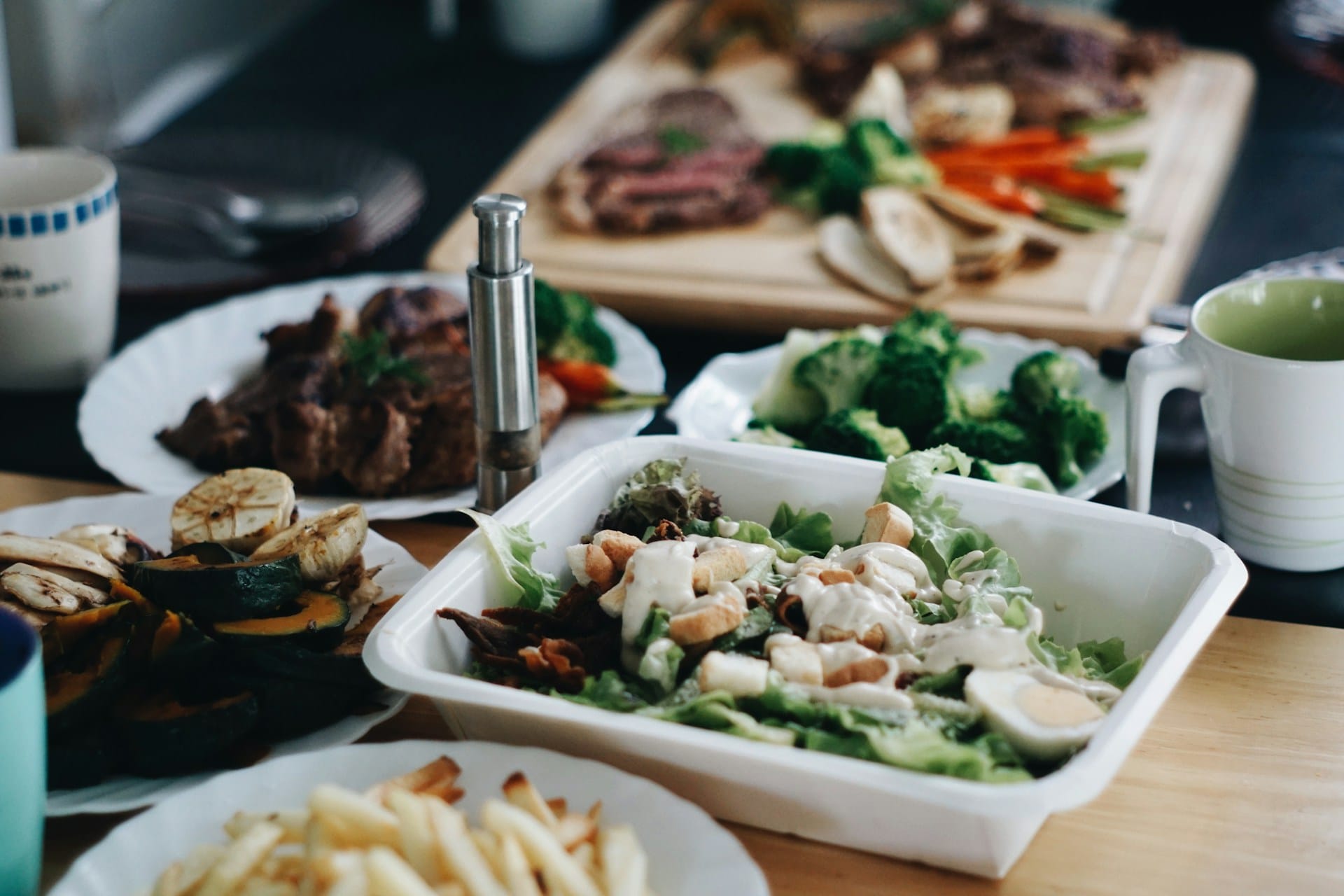
In the food packaging industry, plastic containers serve as critical barriers that protect products, preserve freshness, and enable safe distribution. These versatile packaging solutions must meet rigorous safety standards to ensure that foods and beverages reach consumers in optimal condition without chemical contamination or quality compromise. This comprehensive overview examines the critical aspects of food-safe plastic containers, from material selection to regulatory compliance and best practices for implementation.
Understanding Food-Grade Plastic Requirements
Food-grade plastic containers must meet specific requirements to ensure they don’t transfer harmful substances to the foods and beverages they contain.
Material Safety Fundamentals
The foundation of food-safe plastic containers begins with appropriate material selection:
- Non-Toxic Base Polymers: Using plastic resins designated as safe for food contact
- Controlled Additives: Only incorporating approved plasticizers, stabilizers, and colorants
- Migration Limits: Ensuring any potential transfer of substances remains below safe thresholds
- Chemical Stability: Maintaining integrity under intended use conditions (temperature, pH, etc.)
These fundamental requirements ensure that the plastic container itself doesn’t compromise food safety. FDA Food Contact
Common Food-Grade Plastic Types
Several plastic polymers are widely accepted for food contact applications, each with distinct properties:
Polyethylene Terephthalate (PET/PETE) – #1
PET is one of the most common food-grade plastics, especially for beverages:
- Safety Profile: Generally considered safe for single-use food applications
- Performance Qualities: Excellent clarity, good barrier properties, lightweight
- Typical Applications: Water bottles, cooking oil containers, condiment bottles
- Limitations: Not recommended for high-heat applications or repeated reuse
PET is valued for its clarity, which allows consumers to see the product, and its effective barrier properties that maintain product freshness. Acme Plastics
High-Density Polyethylene (HDPE) – #2
HDPE offers excellent chemical resistance and durability:
- Safety Profile: Highly stable, minimal leaching concerns, widely considered safe
- Performance Qualities: Excellent moisture barrier, good chemical resistance, durable
- Typical Applications: Milk jugs, juice containers, cereal box liners, yogurt tubs
- Limitations: Opaque or translucent rather than clear, less rigid than some alternatives
HDPE is considered among the safest plastics for food storage, with excellent stability across a range of products. Palmetto Industries
Polypropylene (PP) – #5
PP is valued for its heat resistance and chemical stability:
- Safety Profile: Highly stable, minimal leaching, safe for hot foods
- Performance Qualities: Heat resistant, chemical resistant, dishwasher safe
- Typical Applications: Hot food containers, microwave-safe containers, yogurt cups
- Limitations: Less transparent than PET unless clarified, somewhat more brittle in cold
PP is considered one of the safest plastics for food applications, particularly for hot foods and microwave use. USU Extension
Low-Density Polyethylene (LDPE) – #4
LDPE offers flexibility and chemical resistance:
- Safety Profile: Generally considered safe, minimal leaching concerns
- Performance Qualities: Flexible, chemical resistant, moisture barrier
- Typical Applications: Squeeze bottles, bread bags, food wraps, flexible lids
- Limitations: Not suitable for high-heat applications, less commonly recycled
LDPE’s flexibility makes it ideal for applications requiring squeezable containers or flexible packaging components.
Food-Grade Verification and Testing
Ensuring plastic containers truly meet food-grade requirements involves rigorous testing:
- Migration Testing: Measuring the transfer of substances from packaging to food under various conditions
- Extractable Testing: Identifying substances that could potentially migrate from the packaging
- Physical Performance Testing: Evaluating durability, barrier properties, and integrity
- Chemical Resistance Testing: Assessing container stability when exposed to food acids, oils, and other contents
These testing protocols verify that containers will perform safely across their intended applications and conditions. PMC Article
Global Regulatory Framework for Food-Contact Plastics
Food-grade plastic containers must comply with regulatory requirements that vary by region but share common safety objectives.
FDA Regulations (United States)
The U.S. Food and Drug Administration oversees food-contact materials through several mechanisms:
- 21 CFR 174-178: Regulations covering components of food-contact materials
- Food Contact Notifications (FCNs): Pre-market notifications for new food-contact substances
- Generally Recognized as Safe (GRAS): Status for substances with established safety records
- Good Manufacturing Practices (GMPs): Requirements for manufacturing processes
FDA compliance requires extensive documentation and often includes specific use conditions or limitations. Containers must be manufactured from permitted substances under appropriate conditions.
EU Framework Regulation
The European Union maintains comprehensive requirements for food-contact materials:
- Framework Regulation (EC) No 1935/2004: Overarching safety requirements for all food-contact materials
- Plastic Implementation Measure (EU) No 10/2011: Specific requirements for plastic materials including authorized substances
- Good Manufacturing Practice Regulation (EC) No 2023/2006: Standards for production processes
- Declaration of Compliance: Required documentation confirming compliance with regulations
EU regulations include detailed positive lists of approved substances and specific migration limits (SMLs) for various compounds. European Commission
Other International Standards
Many countries have established their own frameworks for food-contact materials:
- GB Standards (China): National food safety standards (GB 4806 series) for food-contact materials
- Japan Positive List System: Regulations for food-contact materials in Japan
- Mercosur Resolutions: Standards for South American countries
- Australia and New Zealand Food Standards Code: Requirements for packaging materials
For global businesses, navigating these varying regulatory landscapes requires significant expertise and careful documentation.
Best Practices for Food-Safe Plastic Container Design
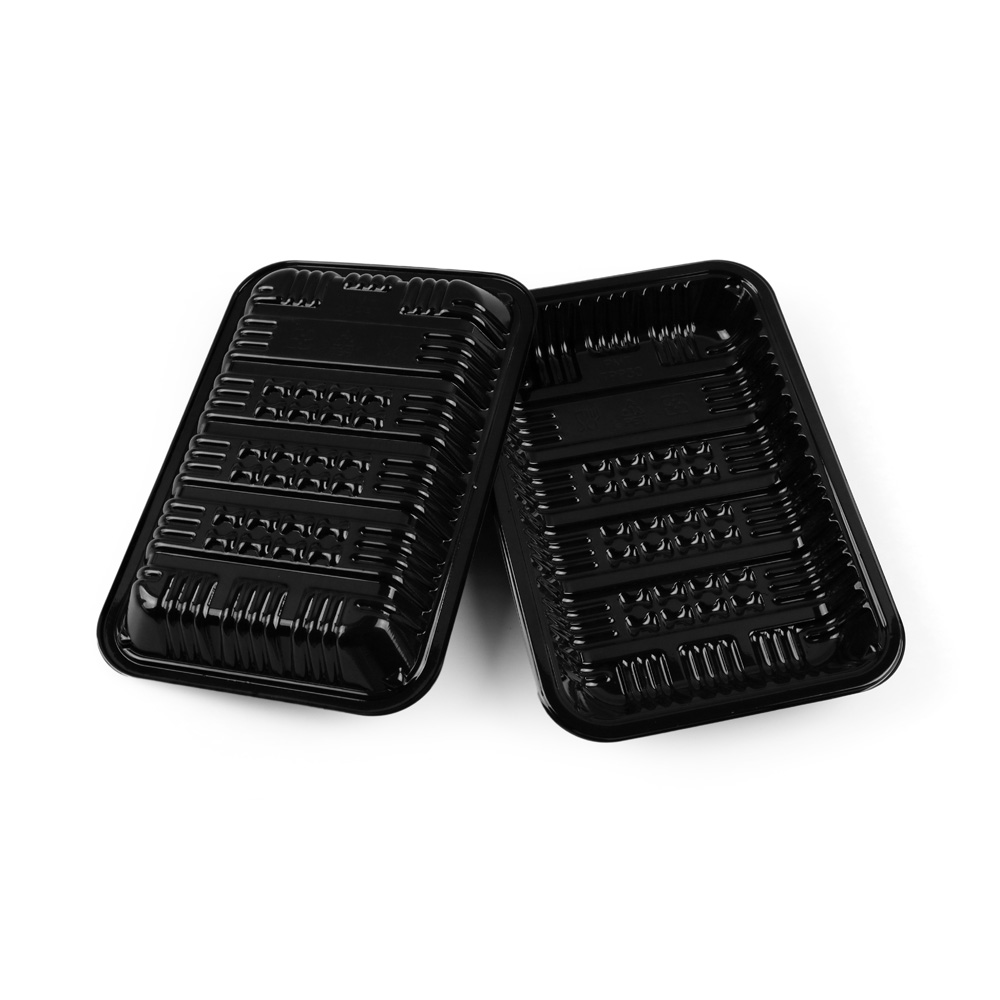
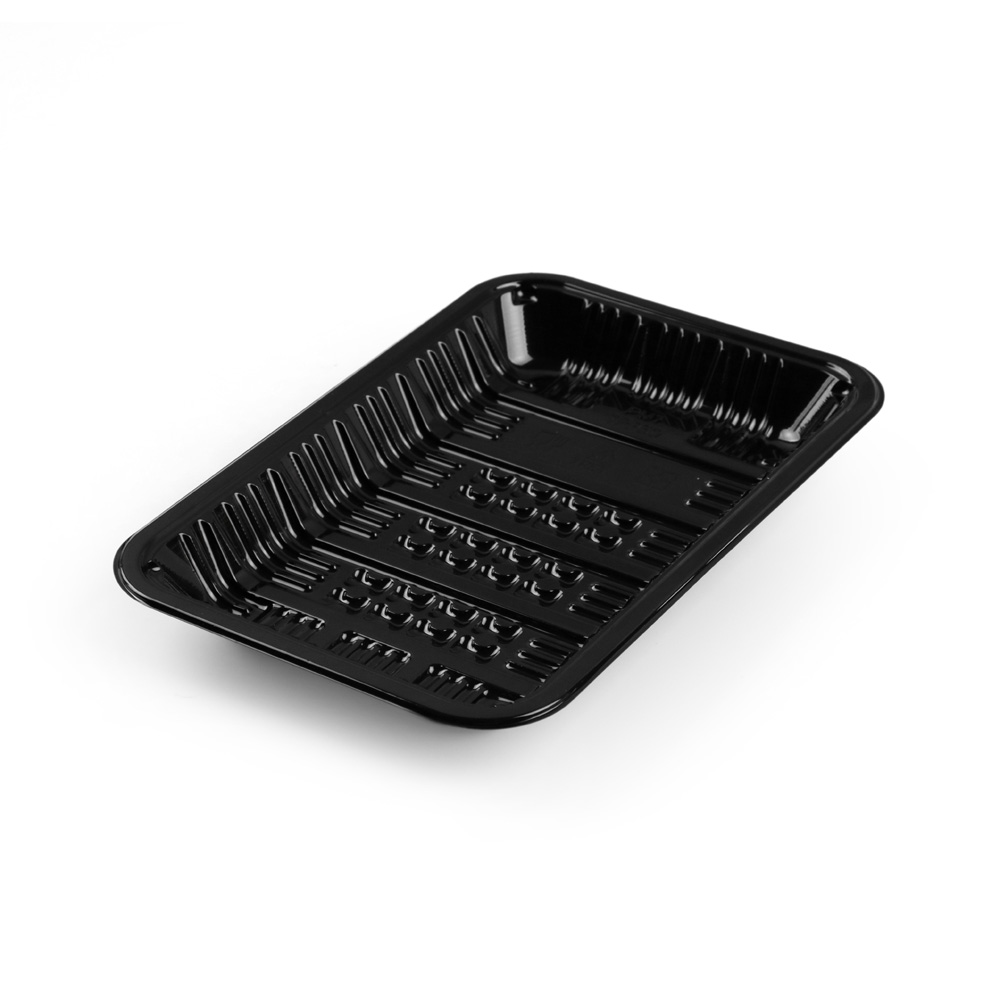
Creating truly safe food packaging requires attention to multiple design considerations beyond basic material selection.
Application-Specific Design
Different food products require containers tailored to their specific characteristics:
- Product Compatibility: Matching container properties to food characteristics (acidity, fat content, etc.)
- Intended Use Conditions: Designing for temperature exposures (hot-fill, refrigeration, freezing, microwaving)
- Shelf-Life Requirements: Engineering barrier properties for expected storage duration
- Distribution Environment: Considering protection needs during shipping and handling
Understanding the specific requirements of each application ensures the container will maintain food safety throughout its lifecycle.
Closure and Seal Design
Effective sealing systems are critical for both safety and quality:
- Hermetic Seals: Preventing oxygen ingress and product leakage
- Tamper Evidence: Features confirming package integrity at point of purchase
- Resealability: Maintaining freshness after initial opening
- Ease of Use: Ensuring consumers can properly close containers after opening
Well-designed closure systems protect product quality while preventing contamination. Monouso Direct Academy
Barrier Enhancement Strategies
Additional technologies can improve container performance for sensitive products:
- Oxygen Barriers: Preventing oxidation to extend shelf life
- UV Protection: Shielding light-sensitive products
- Moisture Barriers: Preventing humidity exchange
- Multilayer Structures: Combining materials to achieve multiple barrier properties
These enhancements can be crucial for products requiring extended shelf life or protection from specific environmental factors.
Testing for Real-World Conditions
Verifying container performance under actual use conditions:
- Accelerated Aging Tests: Simulating long-term storage effects
- Distribution Simulation: Replicating shipping and handling stresses
- Temperature Cycling: Testing performance across temperature variations
- Consumer Use Studies: Observing how packaging functions in actual use
These tests confirm that containers will perform as expected throughout their lifecycle.
Safety Concerns and Mitigation Strategies
While food-grade plastics are designed to be safe, specific concerns require attention and mitigation.
Chemical Migration Management
Strategies to minimize the potential transfer of chemicals from packaging to food:
- Strict Material Selection: Choosing plastics with minimal migration potential
- Processing Controls: Manufacturing conditions that minimize residual monomers and additives
- Barrier Layers: Incorporating protective barriers to prevent migration
- Use Limitations: Clear guidance on appropriate usage (temperature restrictions, food type limitations)
These approaches help ensure that any migration remains well below regulatory thresholds and safety concerns. Center for Research on Health
Endocrine Disruptor Avoidance
Addressing concerns about hormone-mimicking chemicals:
- BPA Elimination: Moving away from Bisphenol A in food-contact applications
- Phthalate Alternatives: Using safer plasticizers when flexibility is required
- Careful Additive Selection: Screening for potential endocrine activity
- Regular Reevaluation: Staying current with emerging research and concerns
The industry continues to evolve in response to scientific findings about these compounds. Moms Clean Air Force
Microplastics Considerations
Addressing emerging concerns about small plastic particles:
- Surface Smoothness: Minimizing abrasion and particle generation
- Degradation Resistance: Formulations that resist breakdown into microparticles
- Quality Manufacturing: Processes that minimize particulate contamination
- Research Support: Contributing to studies on microplastics presence and impacts
While research on microplastics continues, container manufacturers are adopting preventive approaches to minimize potential issues. CNN Health Report
Allergen Management
Preventing allergen cross-contamination through packaging:
- Dedicated Equipment: Manufacturing food-contact containers on dedicated lines
- Cleaning Validation: Thorough cleaning protocols between production runs
- Material Traceability: Complete documentation of all inputs and processing aids
- Testing Protocols: Verifying the absence of common allergens
These practices are especially important for containers used with products marketed as allergen-free.
Manufacturing Best Practices for Food-Safe Containers
Producing truly food-safe containers requires rigorous manufacturing controls beyond material selection.
Clean Production Environment
Manufacturing conditions that prevent contamination:
- Controlled Access Areas: Restricted entry to production zones
- Positive Air Pressure: Preventing ingress of outside contaminants
- Filtration Systems: Removing particulates from air and water
- Regular Environmental Monitoring: Testing for potential contaminants
These controls ensure that even properly formulated plastics don’t become contaminated during production.
Quality Control Systems
Comprehensive quality verification throughout production:
- Raw Material Testing: Verifying incoming materials meet specifications
- In-Process Monitoring: Continuous checks during manufacturing
- Finished Product Inspection: Testing completed containers
- Traceability Systems: Tracking all materials and processes
Strict quality control prevents substandard containers from reaching food manufacturers. Michigan State University Extension
Good Manufacturing Practices (GMPs)
Following established industry standards for food-contact materials:
- Personnel Training: Ensuring staff understand food safety requirements
- Documented Procedures: Clear instructions for all processes
- Preventive Maintenance: Regular equipment care to prevent contamination
- Corrective Action Protocols: Standardized responses to any deviations
GMPs provide a framework for consistently producing containers that meet safety standards.
Documentation and Certification
Maintaining comprehensive records to demonstrate compliance:
- Material Specifications: Detailed information on all raw materials
- Process Records: Documentation of manufacturing conditions
- Test Results: Outcomes of all safety and performance testing
- Compliance Declarations: Formal statements of regulatory conformity
Thorough documentation supports both regulatory compliance and customer confidence.
Guidance for Food Manufacturers Using Plastic Containers
Food companies must also follow best practices when utilizing plastic packaging.
Supplier Qualification
Verifying that container suppliers meet necessary standards:
- Documentation Review: Examining compliance certifications and test results
- Audit Programs: On-site verification of manufacturing conditions
- Performance Testing: Confirming containers perform as required with specific products
- Ongoing Monitoring: Regular reassessment of supplier compliance
Thorough supplier qualification ensures containers truly meet food safety requirements. Eat Right – Academy of Nutrition and Dietetics
Compatibility Testing
Verifying that specific containers work properly with particular food products:
- Migration Studies: Product-specific testing for potential chemical transfer
- Shelf-Life Validation: Confirming expected product durability in the container
- Organoleptic Testing: Ensuring no flavor or odor transfer from packaging
- Stability Testing: Verifying container integrity throughout product lifecycle
These tests confirm that the selected containers will maintain both safety and quality for the specific application.
Proper Handling and Filling
Processes that maintain container integrity:
- Storage Controls: Proper warehouse conditions for empty containers
- Contamination Prevention: Protecting containers prior to filling
- Filling Parameters: Appropriate temperatures and procedures
- Seal Verification: Confirming proper closure application
Even the best containers can be compromised by improper handling during the packaging process.
Consumer Communication
Providing guidance on proper container use:
- Usage Instructions: Clear directions for appropriate use conditions
- Temperature Limitations: Guidance on heating, freezing, and microwaving
- Reuse Guidelines: Information on whether single-use or reusable
- Recycling Information: Instructions for proper disposal
Clear communication helps consumers use containers safely while maximizing product quality and container lifespan.
Future Trends in Food-Safe Plastic Containers
The food-grade plastic container industry continues to evolve in response to new challenges and opportunities.
Smart Packaging Technologies
Intelligent features enhancing food safety:
- Time-Temperature Indicators: Visual cues showing if products have been temperature abused
- Freshness Sensors: Technologies that detect spoilage markers
- Authenticity Features: Elements that verify product legitimacy
- Digital Connectivity: QR codes or NFC tags linking to detailed product information
These innovations add value by enhancing food safety monitoring and information accessibility.
Sustainable Food-Grade Solutions
Balancing safety with environmental responsibility:
- Recycled Content Certification: Processes ensuring recycled plastic meets food-grade standards
- Biobased Food-Grade Plastics: Materials derived from renewable resources
- Mono-Material Designs: Containers engineered for improved recyclability
- Reusable Container Systems: Durable designs intended for multiple use cycles
These developments address growing demands for more sustainable packaging without compromising safety.
Antimicrobial Technologies
Container innovations that actively protect food products:
- Built-in Antimicrobials: Materials that inhibit microbial growth
- Surface Treatments: Coatings that reduce bacterial adhesion
- Natural Antimicrobial Compounds: Plant-based additives with preservative effects
- Physical Barrier Enhancements: Structures preventing microbial intrusion
These technologies can provide additional protection for sensitive food products.
Regulatory Evolution
Anticipated developments in food-contact material regulation:
- Expanded Testing Requirements: More comprehensive migration studies
- New Substance Evaluations: Ongoing assessment of previously approved materials
- Harmonization Efforts: Greater alignment of international standards
- Non-Intentionally Added Substances (NIAS): Increased focus on breakdown products and contaminants
Staying current with evolving regulations will remain critical for container manufacturers and users.
Case Studies: Successful Food-Safe Plastic Container Applications
Dairy Product Innovation
A yogurt manufacturer partnered with a container supplier to develop a specialized polypropylene container:
- Challenge: Creating a lightweight container that maintained product freshness while withstanding filling temperatures
- Solution: Custom PP formulation with optimized barrier properties and structural design
- Safety Features: Enhanced seal design, tamper-evident lid, oxygen barrier
- Results: 18% reduction in plastic use, 25-day shelf life achievement, zero safety incidents
This collaboration resulted in a container that balanced safety, performance, and sustainability.
Prepared Meals Solution
A prepared meals company implemented a new microwaveable container system:
- Challenge: Finding a container safe for freezing, microwave heating, and consumption
- Solution: Multi-layer PP container with specialized venting system
- Safety Features: Heat-resistant formulation, steam release mechanism, stable base design
- Results: Enhanced meal quality, improved customer convenience, positive safety record
The container design addressed the complex requirements of multiple temperature exposures while maintaining food safety.
Beverage Packaging Advancement
A beverage company transitioned from glass to PET bottles:
- Challenge: Matching the barrier properties and shelf life of glass with lighter plastic
- Solution: Multi-layer PET bottle with oxygen scavenger technology
- Safety Features: UV protection layer, enhanced seal design, optimized material distribution
- Results: 87% weight reduction, maintained 12-month shelf life, zero quality incidents
This transition maintained product safety while delivering significant sustainability and logistics benefits.
Conclusion
Food-safe plastic containers play a vital role in our modern food system, helping to protect products, extend shelf life, and enable efficient distribution. Understanding the materials, regulations, and best practices surrounding these containers is essential for both packaging manufacturers and food companies.
By prioritizing appropriate material selection, rigorous testing, regulatory compliance, and proper manufacturing practices, the industry ensures that plastic food containers perform their critical function without compromising safety. As technology advances, we can expect continued innovation that enhances both safety features and sustainability credentials.
At Reliancepak, we’re committed to providing food-grade plastic containers that meet the highest safety standards while delivering the performance, convenience, and sustainability benefits that modern food businesses demand. Our comprehensive understanding of materials, regulations, and application requirements enables us to offer solutions that protect both your products and your consumers.