
TL;DR The manufacturing of food-grade kraft boxes is a highly controlled, multi-stage kraft production process that transforms sustainably sourced wood chips into safe, strong, and customizable packaging, adhering to strict food safety standards at every step.
Food-grade kraft boxes are manufactured through a precise sequence of packaging manufacturing steps. It begins with the Kraft pulping process, which uses a chemical method to separate long cellulose fibers from wood lignin, resulting in high-strength kraft pulp. This pulp is then formed into paper, treated with food-safe coatings (like water-based or biodegradable barriers), and finally converted into boxes via printing, die-cutting, and gluing. Crucially, the entire food-grade kraft box manufacturing chain, from raw material to the finished product, must comply with certifications like FDA or EU regulations to prevent chemical migration and ensure product safety.
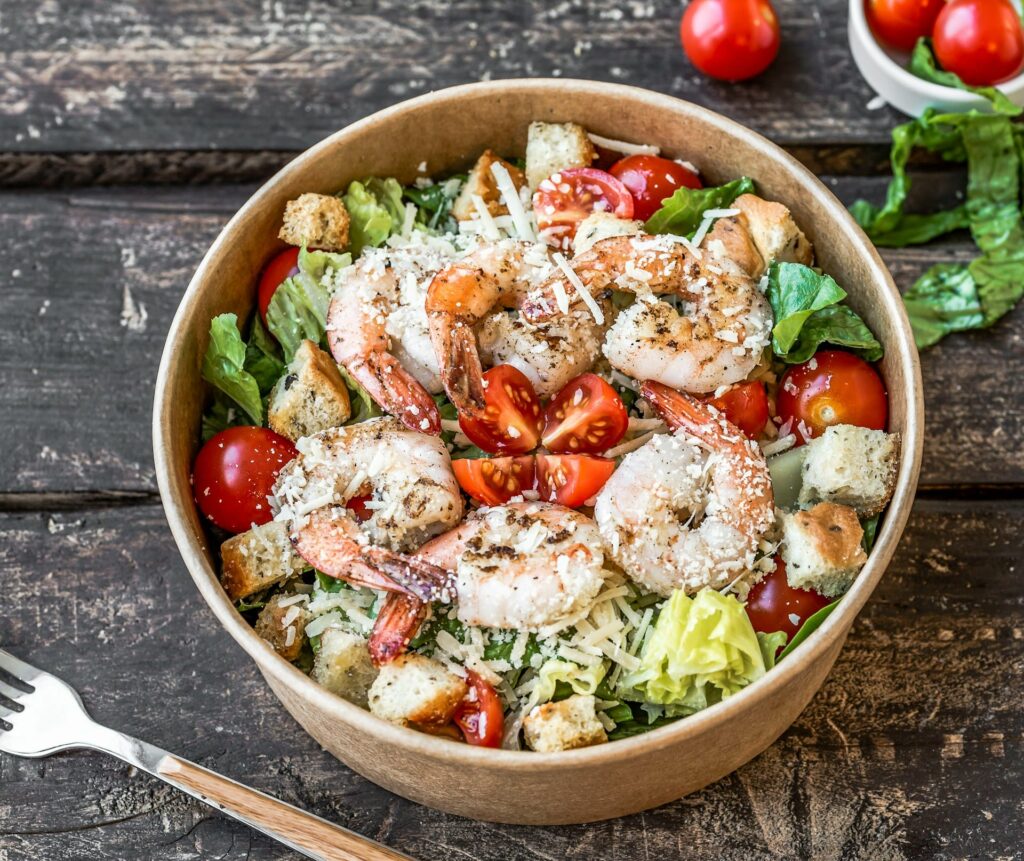
In today’s market, where sustainability and consumer safety are paramount, the humble kraft box has become a powerhouse of eco-friendly box production. But how does a simple wood chip become the safe, sturdy container holding your takeout meal or bakery treat? For B2B buyers, understanding the intricate journey from raw material to final product is essential for evaluating quality, ensuring compliance, and optimizing procurement. This detailed breakdown will take you inside the kraft box factory to explore the complex, standardized process that creates food-safe packaging.
1. The Foundation: From Wood to High-Strength Kraft Pulp
The journey of any kraft box begins in the forest, but the true magic happens in the pulping mill. The core of the process is the kraft production process, also known as the sulfate process, which is favored because it produces paper with superior strength compared to other methods.
1.1 Sourcing and Chipping the Wood
The process starts with wood, typically fast-growing softwoods like pine or spruce, which have long fibers ideal for strength. The wood is debarked and then fed into chippers, which reduce the logs into small, uniform chips. This uniformity is vital for the next stage.
1.2 The Chemical Digestion (Pulping)
The wood chips are cooked in large pressure vessels called digesters, using a solution of sodium hydroxide and sodium sulfide, known as white liquor. This is the heart of the Kraft process. The chemicals dissolve the lignin—the natural glue that binds the wood fibers—leaving behind nearly pure cellulose fibers. This process is highly efficient, allowing for the recovery and reuse of most of the cooking chemicals, making it an inherently more sustainable method.
1.3 Washing and Screening
After digestion, the resulting mixture is a dark, thick slurry called brown stock. This stock is thoroughly washed to remove the spent cooking liquor (black liquor), which is then sent for chemical recovery and energy generation. The clean pulp is then screened to remove any remaining knots or undigested wood pieces, ensuring a smooth, consistent fiber base for the paper.
2. Papermaking and Achieving Food-Grade Status
Once the high-strength kraft pulp is ready, it is formed into large rolls of paperboard. This stage includes the critical steps that elevate standard kraft paper to a food-safe material.
2.1 Forming the Paperboard
The pulp slurry, now heavily diluted with water, is pumped onto a fast-moving screen (the Fourdrinier machine). As the water drains away, the fibers interlock to form a wet sheet. This sheet is then pressed between heavy rollers to remove more water and consolidate the structure, followed by drying in heated sections. The result is a massive roll of kraft paperboard, the raw material for the boxes.
2.2 The Food-Grade Treatment and Barrier Application
This is the most critical distinction in food-grade kraft box manufacturing. Standard kraft paper may contain trace chemicals or recycled fibers unsuitable for direct food contact. To achieve food-grade status, the paper must be made from virgin pulp and often undergoes specific treatments:
- Chemical Purity: The paper must be free from optical brighteners, heavy metals, and other harmful substances that could migrate into the food.
- Barrier Coatings: Since paper is naturally porous, a barrier is often applied to provide grease and moisture resistance. Common food-safe barriers include water-based coatings, biodegradable polymers (like PLA), or thin layers of food-grade polyethylene (PE). This coating ensures the box maintains its structural integrity and prevents leaks.
This focus on safety and purity is what sets the material apart and is a key consideration in the broader procurement process. For a comprehensive overview of material selection and other factors, we encourage you to consult our main guide: [Your Guide to Kraft Box Procurement & Applications].
3. Box Conversion: From Roll to Ready-to-Assemble
The large rolls of food-grade kraft paperboard are now ready to be converted into the final box shape. This conversion process is where precision engineering meets customization.
3.1 Printing and Design Application
The paperboard is fed into high-speed printing presses. Depending on the complexity and volume, flexography (for simple, high-volume designs) or offset printing (for high-resolution graphics) is used. Food-grade inks, which are non-toxic and compliant with food contact regulations, are mandatory at this stage.
3.2 Die-Cutting: Precision Shaping
The printed sheets move to the die-cutting machine. A custom-made steel rule die, resembling a giant cookie cutter, presses down on the paperboard. This step performs two functions: cutting the outer perimeter of the box and creating the score lines (creases) that allow the box to be folded accurately. The precision of this step is vital for ensuring the boxes assemble correctly on the customer’s end.
3.3 Gluing and Folding
The final packaging manufacturing steps involve gluing and folding. The flat, die-cut blanks are fed into a folder-gluer machine. This machine applies a thin bead of food-safe adhesive to the designated glue tabs and folds the box into its final, flat-packed form. This automated process ensures consistency and speed, preparing the boxes for shipment to the customer.
4. Quality Control and Sustainability in the Kraft Box Factory
A modern kraft box factory operates under stringent quality control protocols, especially when producing food-grade packaging.
4.1 Rigorous Quality Checks
Quality control is integrated throughout the entire process. Checks include:
- Material Testing: Verifying the paperboard’s basis weight, moisture content, and burst strength.
- Food Safety Compliance: Regular testing for chemical migration from the paper or coatings into food simulants.
- Structural Integrity: Testing the folding endurance and compression strength of the finished boxes.
- Print Accuracy: Ensuring color consistency and registration are perfect.
4.2 Eco-Friendly Box Production
The commitment to sustainability is a major driver for the popularity of kraft packaging. The eco-friendly box production model includes:
- Sustainable Sourcing: Using wood from responsibly managed forests (often certified by FSC).
- Chemical Recovery: The Kraft process’s high chemical recovery rate minimizes waste.
- Recyclability: The final boxes, especially those with water-based or biodegradable coatings, remain highly recyclable or compostable, closing the loop on the material lifecycle.
By understanding these detailed packaging manufacturing steps, B2B buyers can better appreciate the value and complexity behind their food-grade kraft packaging, ensuring they source a product that is both safe and sustainable.
FAQ
Q: What makes a kraft box “food-grade”?
A: A kraft box is considered food-grade when it is made from virgin pulp, free of harmful chemicals and recycled content, and often features a food-safe barrier coating to prevent grease or moisture from penetrating the paper.
Q: Is the Kraft pulping process environmentally friendly?
A: Yes, the Kraft process is considered more environmentally friendly than other pulping methods because it is highly efficient at recovering and reusing the cooking chemicals, minimizing chemical waste and often generating its own energy.
Q: What is the purpose of the barrier coating on food-grade kraft boxes?
A: The barrier coating, typically a water-based or biodegradable polymer, provides resistance to grease, oil, and moisture, which is essential for packaging items like bakery goods or takeout food, preventing leaks and maintaining the box’s structure.
Q: How does a kraft box factory ensure the boxes fold correctly?
A: Precision is achieved during the die-cutting stage, where a steel rule die not only cuts the box shape but also creates score lines (creases). These score lines ensure the box folds accurately and consistently during the automated gluing and folding process.
Q: Can food-grade kraft boxes be recycled?
A: Yes, most food-grade kraft boxes are recyclable. However, boxes with heavy PE (polyethylene) coatings may require specialized recycling facilities, while those with water-based or biodegradable coatings are generally easier to recycle or compost.