
Biodegradable packaging will partially replace plastic in bulk food packaging over the next decade, capturing an estimated 20-30% market share in specific applications where food contamination makes recycling impractical, while coexisting with recyclable plastics in applications with established collection and processing infrastructure.
You source thousands of food containers, trays, and wraps each quarter for distribution to food processors, restaurants, or retail chains. Regulatory deadlines loom, customers demand sustainability credentials, and yet your operations require packaging that performs reliably under demanding conditions. The question of whether to transition your bulk food packaging line to biodegradable materials involves weighing regulatory trajectories, material capabilities, cost realities, and disposal infrastructure against your specific operational requirements. This article examines where biodegradable packaging makes practical sense for bulk food applications and where conventional plastics will likely persist.
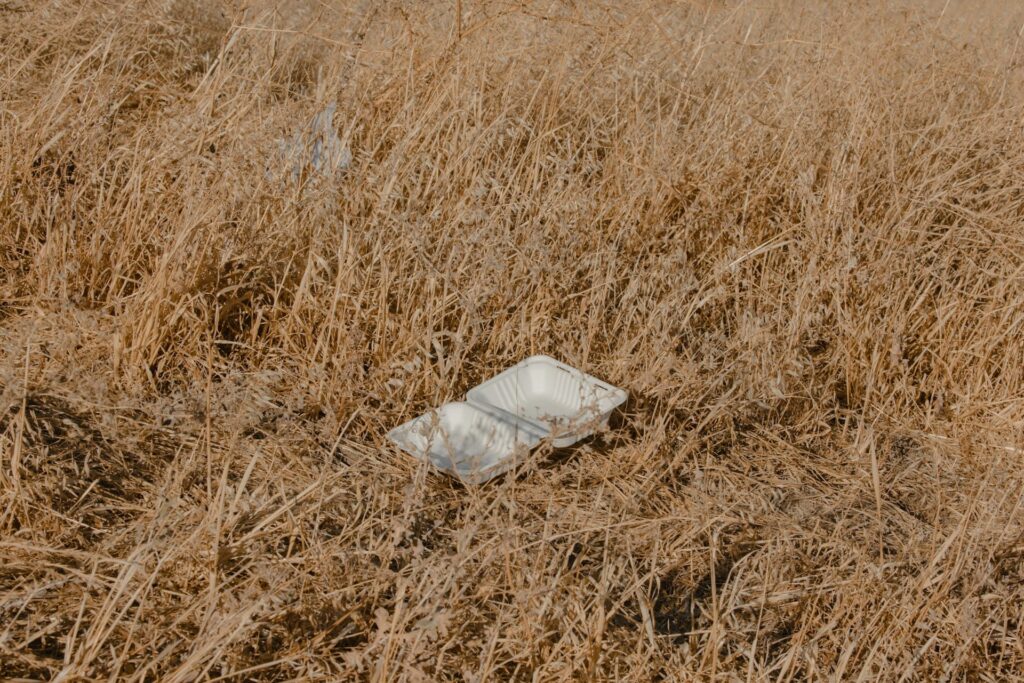
Where Does Biodegradable Packaging Already Outperform Plastic in Food Applications?
Biodegradable materials have achieved clear competitive advantages in food packaging applications where post-consumer contamination prevents effective plastic recycling. Grease-soaked containers, sauce-covered trays, and mixed food residue create contamination levels that recycling facilities cannot process economically.
Here’s the deal: the recycling system was never designed for food-contaminated packaging. When greasy pizza boxes or sauce-covered clamshells enter recycling streams, they contaminate entire batches of otherwise recyclable material. Biodegradable packaging sidesteps this fundamental limitation by design.
Which Bulk Food Categories Favor Biodegradable Solutions?
Certain bulk food packaging applications present ideal conditions for biodegradable material adoption. These applications share common characteristics that make composting more practical than recycling.
Applications where biodegradable packaging excels:
- Fresh produce trays and containers with moisture exposure
- Prepared meal containers with mixed food residues
- Bakery packaging with grease and crumb contamination
- Meat and seafood trays with blood and liquid absorption
- Foodservice bulk containers for catering operations
- Agricultural packaging returning to farm composting systems
Bagasse containers handle hot, wet, and greasy foods that would compromise plastic recycling. Paper-based trays with biodegradable coatings serve produce distribution where moisture contact is unavoidable. These material-application matches deliver genuine environmental benefits rather than mere marketing claims.
What Performance Metrics Now Match Conventional Plastic?
Material science advances have closed critical performance gaps that previously limited biodegradable packaging adoption in demanding bulk applications. Temperature resistance, moisture barriers, and structural integrity have all improved substantially.
Current performance benchmarks:
- Bagasse containers withstand temperatures up to 100°C for hot-fill applications
- CPLA materials maintain integrity at 85°C for extended periods
- Coated paper products resist moisture penetration for 24-48 hours
- Molded fiber strength supports stacking loads comparable to plastic alternatives
- Barrier coatings extend shelf life for refrigerated products to acceptable ranges
| Performance Factor | Conventional Plastic | Current Biodegradable | Gap Status |
|---|---|---|---|
| Heat Resistance | 120°C+ | 85-100°C | Acceptable |
| Moisture Barrier | Excellent | Good (coated) | Application-specific |
| Structural Strength | Excellent | Good to Excellent | Near parity |
| Shelf Life Extension | 30+ days | 7-21 days | Gap remains |
| Cost per Unit | Baseline | 15-40% premium | Narrowing |
The remaining performance gaps concentrate in long shelf-life applications requiring extended barrier properties, where plastic films still outperform biodegradable alternatives significantly.
Key Takeaway: Biodegradable packaging already offers superior practical outcomes in bulk food applications where contamination renders plastic recycling ineffective, making material selection a matter of matching application requirements rather than universal replacement.
What Barriers Prevent Complete Plastic Replacement in Bulk Food Packaging?
Several structural barriers will prevent biodegradable materials from fully replacing plastic in bulk food packaging, even as adoption accelerates in favorable application categories. Understanding these limitations helps procurement professionals make realistic assessments rather than responding to marketing pressure.
The barriers span infrastructure, economics, and technical performance, each requiring different timeframes and investments to address.
How Does Composting Infrastructure Limit Adoption?
Biodegradable packaging requires appropriate end-of-life processing to deliver environmental benefits. Without access to industrial composting facilities, these materials may end up in landfills where anaerobic conditions prevent proper decomposition and generate methane emissions.
Infrastructure reality check:
- Industrial composting facilities serve less than 30% of the US population
- European composting access varies dramatically by country and region
- Many facilities reject food packaging due to contamination concerns or processing limitations
- Home composting certifications apply to limited product categories
- Collection systems for compostable packaging remain fragmented
For B2B buyers, this infrastructure gap creates practical complications. Selling biodegradable bulk packaging to customers without composting access may generate greenwashing accusations rather than environmental benefits. Geographic analysis of your customer base composting access should inform product line decisions.
What Technical Limitations Persist for Demanding Applications?
Certain bulk food packaging applications require performance characteristics that current biodegradable materials cannot match. Extended shelf life, extreme temperature ranges, and high-barrier requirements remain challenging.
Persistent technical gaps:
- Modified atmosphere packaging for extended produce shelf life
- Frozen food packaging requiring freeze-thaw cycling durability
- High-barrier films for oxygen-sensitive products
- Retort packaging for shelf-stable prepared foods
- Heavy-load bulk containers exceeding 20kg capacity
Research continues on bio-based barrier materials and reinforced structures, but commercial solutions at competitive price points remain 3-5 years away for most demanding applications.
| Application Category | Plastic Replacement Feasibility | Timeline |
|---|---|---|
| Fresh produce trays | High | Now |
| Prepared meal containers | High | Now |
| Bakery bulk packaging | High | Now |
| Extended shelf-life | Medium | 3-5 years |
| Frozen food packaging | Low to Medium | 5+ years |
| Retort/shelf-stable | Low | 5-10 years |
Key Takeaway: Complete plastic replacement in bulk food packaging is unlikely within this decade due to infrastructure gaps and technical limitations, but strategic adoption in suitable applications delivers genuine value today.
How Should Bulk Food Packaging Buyers Approach the Transition?
A phased transition strategy allows bulk food packaging buyers to capture biodegradable benefits in favorable applications while maintaining proven plastic solutions where performance requirements or infrastructure limitations dictate. This approach balances environmental progress with operational reliability.
Which Applications Should Transition First?
Prioritize applications where biodegradable materials offer both environmental benefits and practical disposal pathways. Start where success probability is highest.
First-phase transition candidates:
- Foodservice bulk containers for commercial composting customers
- Produce packaging for farm-to-table operations with on-site composting
- Bakery trays where grease contamination prevents plastic recycling
- Event catering packaging with centralized waste management
- Institutional food service with controlled disposal streams
Second-phase candidates include broader retail applications as composting infrastructure expands and material costs decrease. Monitor regulatory developments in your key markets to anticipate mandatory transition timelines.
What Questions Should Guide Supplier Selection for Bulk Orders?
Bulk food packaging procurement requires suppliers who understand both material science and large-scale logistics. The right supplier partnership reduces risk during transition periods.
Supplier evaluation questions:
- What certifications apply specifically to products at bulk packaging scale?
- Can you provide performance data for temperature, moisture, and load requirements?
- What minimum order quantities apply for bulk food packaging configurations?
- How do you ensure consistency between samples and production runs?
- What technical support is available for application-specific challenges?
- Can you supply both biodegradable and conventional options during transition?
Integrated manufacturers with both trading capability and production control offer advantages for bulk buyers, providing customization flexibility without sacrificing quality consistency or delivery reliability.
| Transition Phase | Application Focus | Supplier Requirement |
|---|---|---|
| Phase 1 | High-feasibility categories | Proven products, certification |
| Phase 2 | Expanding retail | Broader range, cost optimization |
| Phase 3 | Demanding applications | Technical partnership, innovation |
Key Takeaway: Phased transition strategies allow bulk food packaging buyers to demonstrate sustainability progress in suitable applications while maintaining reliable supply for demanding requirements, building expertise for broader adoption as conditions improve.
Partner with Reliancepak for Strategic Bulk Packaging Solutions
The bulk food packaging market is transitioning, but the pace and scope vary by application, geography, and infrastructure development. Procurement professionals who develop expertise in both biodegradable and conventional options position their organizations to respond flexibly as market conditions evolve.
Reliancepak offers comprehensive product lines spanning biodegradable containers, trays, and packaging alongside conventional options, enabling strategic sourcing that matches materials to applications. Our integrated manufacturing operation with 9 production lines delivers the volume capability and quality consistency that bulk food packaging demands. EU and FDA food-grade certifications provide compliance documentation across major markets.
Contact admin@bereliance.com to discuss your bulk food packaging requirements and explore which applications in your portfolio are ready for biodegradable transition.
Frequently Asked Questions
Can biodegradable packaging handle the weight requirements for bulk food distribution?
Yes, for most applications. Molded bagasse and reinforced paper products support loads comparable to standard plastic trays for produce, bakery, and prepared food applications. Extremely heavy bulk applications exceeding 20kg may still require conventional materials or specialized biodegradable solutions.
How do I determine if my customers have access to composting facilities?
Research municipal composting programs in your distribution areas, contact commercial waste haulers serving your customer base, and directly survey key accounts about their waste management capabilities. This data informs realistic product recommendations rather than assumptions about disposal pathways.
Will biodegradable bulk packaging costs decrease to plastic parity?
Cost premiums are narrowing and may reach 5-15% within five years for high-volume applications. Complete parity is unlikely in the near term, but regulatory costs for plastic (taxes, EPR fees, disposal restrictions) are simultaneously increasing, changing the comparative economics.
Are there biodegradable options for frozen bulk food packaging?
Current options remain limited. Standard PLA becomes brittle at freezing temperatures, and moisture barrier performance degrades during freeze-thaw cycles. Research continues, but frozen food applications will likely remain plastic-dependent for several more years.
What happens if biodegradable packaging ends up in landfill instead of composting?
Biodegradable materials in anaerobic landfill conditions decompose slowly and may generate methane, a potent greenhouse gas. This outcome negates environmental benefits and underscores the importance of matching biodegradable packaging deployment to actual composting infrastructure availability.