
PLA and bagasse are both genuinely biodegradable materials, though they decompose under different conditions and timelines. PLA requires industrial composting facilities with sustained high temperatures to break down effectively, while bagasse biodegrades in both industrial and home composting environments, making it more versatile for end-of-life disposal.
You have likely seen competing claims from suppliers about biodegrade packaging materials, each promoting their preferred option as the superior choice. The confusion intensifies when certification labels vary and real-world disposal infrastructure does not match laboratory testing conditions. This material comparison delivers the technical facts you need for informed procurement decisions.
What Is the Fundamental Difference Between PLA and Bagasse?
PLA and bagasse originate from entirely different source materials and manufacturing processes, resulting in distinct physical properties and biodegradation behaviors. PLA is a synthesized bioplastic created through chemical processing of plant sugars, while bagasse is a natural fiber material requiring minimal transformation from its original state.
How Do Their Manufacturing Processes Differ?
PLA production begins with extracting starches from crops like corn or sugarcane. Bacterial fermentation converts these starches into lactic acid, which undergoes polymerization to form long molecular chains. This process creates a thermoplastic material similar to petroleum-based plastics like PET.
Here’s the deal: the manufacturing process gives PLA its plastic-like qualities but also creates molecular bonds requiring specific conditions to break apart.
Key differences in material properties:
- PLA offers transparent clarity and smooth surfaces with heat resistance up to 55°C (85°C for CPLA)
- Bagasse provides natural heat resistance exceeding 100°C and sturdy construction
- PLA requires chemical synthesis while bagasse involves simple pulping and molding
- Bagasse fibers remain in forms easily recognized by decomposing microorganisms
| Property | PLA | Bagasse |
|---|---|---|
| Source Material | Corn, sugarcane starches | Sugarcane processing waste |
| Manufacturing | Chemical polymerization | Pulping and molding |
| Appearance | Transparent or translucent | Opaque, natural fiber texture |
| Heat Resistance | 50-55°C (standard), 85°C (CPLA) | 100°C+ |
The structural differences between these materials directly determine their biodegradation pathways and timeline requirements.
Key Takeaway: PLA offers plastic-like performance through chemical synthesis while bagasse delivers natural fiber functionality with minimal processing, making material selection dependent on application needs and disposal infrastructure for biodegrade packaging.
How Do PLA and Bagasse Actually Biodegrade?
The biodegradation mechanisms for PLA and bagasse differ substantially due to their distinct molecular structures. PLA requires a two-stage breakdown process, while bagasse decomposes through direct microbial consumption of natural fibers.
What Conditions Does Each Material Require?
PLA biodegradation occurs through sequential hydrolysis followed by microbial digestion. Water molecules must first penetrate the polymer structure and break ester bonds, requiring sustained temperatures above 55°C. This explains why PLA does not biodegrade meaningfully in home compost piles, landfills, or natural environments.
Bagasse contains cellulose and lignin that soil microorganisms have evolved to decompose over millions of years. Fungi and bacteria produce enzymes that directly attack these plant fibers without requiring pre-treatment stages.
Critical biodegradation differences:
- PLA needs industrial composting at 55-60°C for 60-180 days
- Bagasse breaks down at ambient temperatures above 10°C in 30-90 days
- PLA persists like plastic in landfills and marine environments
- Bagasse decomposes in home composting, industrial facilities, and soil
| Biodegradation Factor | PLA | Bagasse |
|---|---|---|
| Primary Mechanism | Hydrolysis then microbial | Direct enzymatic attack |
| Temperature Required | 55-60°C sustained | Ambient (10°C+) |
| Home Composting | Does not biodegrade | Fully effective |
| Typical Timeline | 60-180 days (industrial) | 30-90 days (composting) |
Understanding these mechanisms helps predict real-world performance when products enter waste streams that may not match ideal laboratory conditions.
Key Takeaway: PLA requires specific industrial composting infrastructure to fulfill its biodegradable promise, while bagasse offers genuine decomposition across diverse disposal environments for biodegrade packaging programs.
What Do Certifications Actually Guarantee?
Certifications provide standardized verification that materials meet defined biodegradation criteria under specific test conditions. Both PLA and bagasse products can achieve major certifications, but the certification scope differs in ways that matter for procurement decisions.
Which Certifications Apply to Each Material?
PLA products qualify for industrial composting certifications (EN 13432, ASTM D6400, OK Compost INDUSTRIAL) that verify breakdown under controlled high-temperature conditions. These certifications confirm biodegradation when processed through proper industrial channels but do not guarantee breakdown in other scenarios.
Here’s what this means for buyers: bagasse products can achieve both industrial and home composting certifications, offering genuine end-of-life flexibility.
Certification comparison:
- EN 13432 and ASTM D6400 apply to both materials for industrial composting
- OK Compost HOME certification available for bagasse, not standard PLA
- Home composting tests occur at lower temperatures (20-30°C) over longer periods
- PLA certifications only validate performance in facilities that may not be accessible to end customers
| Certification | PLA Eligibility | Bagasse Eligibility | Disposal Environment |
|---|---|---|---|
| EN 13432 | Yes | Yes | Industrial composting |
| ASTM D6400 | Yes | Yes | Industrial composting |
| OK Compost HOME | No (standard) | Yes | Home composting |
Requesting specific certification documentation from suppliers reveals whether products meet the disposal pathways relevant to your market.
Key Takeaway: Certification validity depends on matching certified disposal conditions to actual waste management infrastructure, making bagasse certifications more broadly applicable for biodegrade packaging claims.
Which Material Performs Better for Specific Applications?
Application requirements should drive material selection rather than general preferences. PLA and bagasse each excel in different use scenarios, and matching material properties to functional needs optimizes both performance and environmental outcomes.
When Should You Choose Each Material?
PLA offers advantages in applications requiring transparency, precise dimensional tolerance, or smooth surface aesthetics. The material’s plastic-like properties make it preferable for clear cold cups, salad containers, retail clamshells, and products requiring snap-fit lids.
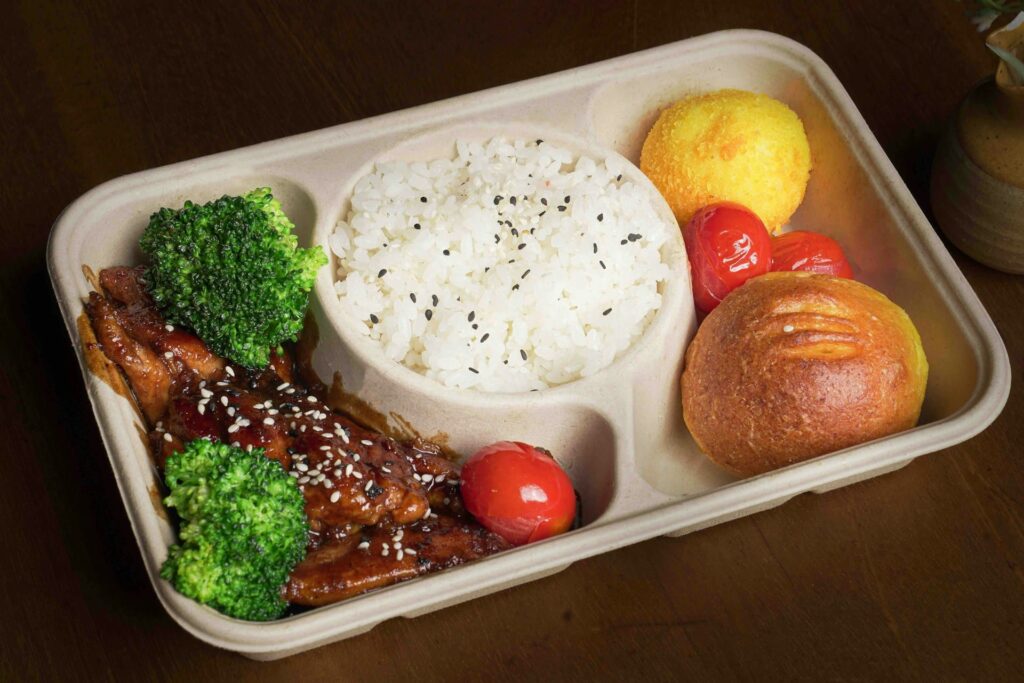
Bagasse excels in applications involving heat, structural demands, or markets where home composting represents the primary disposal pathway. The material suits hot food containers, plates and bowls, compartmentalized takeaway containers, and microwave reheating applications.
Application selection guide:
- Choose PLA for product visibility, cold beverages, and precision fits
- Choose bagasse for hot foods, structural strength, and home composting markets
- Consider disposal infrastructure available to your end customers
- Match material aesthetics to brand positioning requirements
| Application Category | Recommended Material | Primary Reason |
|---|---|---|
| Cold Beverages | PLA | Transparency, condensation handling |
| Hot Food Containers | Bagasse | Natural heat tolerance, sturdiness |
| Salad Containers | PLA | Product visibility |
| Plates and Bowls | Bagasse | Structural strength |
Many successful biodegrade packaging programs incorporate both materials, selecting each for applications where it excels rather than forcing compromise with a single material type.
Key Takeaway: Neither PLA nor bagasse serves as a universal solution, and strategic material selection matching properties to applications yields better performance than defaulting to a single material type.
Connect with Reliancepak for Comprehensive Material Solutions
Selecting between PLA and bagasse, or developing hybrid programs incorporating both materials, requires supplier partners with genuine expertise across material categories. Reliancepak manufactures both PLA and bagasse packaging products, providing the technical knowledge and product range to support informed material decisions.
Our integrated manufacturing operations with 9 production lines deliver consistent quality for both material types, while food-grade certifications including EU and FDA compliance satisfy regulatory requirements across global markets. Free samples enable side-by-side evaluation before volume commitments.
The biodegrade packaging market continues evolving as regulations tighten and disposal infrastructure expands. Partnering with knowledgeable suppliers positions your programs for sustained success.
Contact our team at admin@bereliance.com to discuss material options and request evaluation samples.
Frequently Asked Questions
Can PLA products ever biodegrade in home composting systems?
No. Standard PLA requires sustained temperatures above 55°C to initiate hydrolysis, conditions not achievable in home composting environments. PLA placed in backyard compost bins will remain intact indefinitely. Only industrial composting facilities maintaining controlled high temperatures can break down PLA products within certification timeframes.
How can I tell if my local area has industrial composting facilities that accept PLA?
Contact your local waste management authority or search online databases maintained by organizations like the US Composting Council. Industrial composting facilities that accept food service packaging will specify acceptable materials in their guidelines. Many regions lack such facilities, making bagasse more practical for genuine biodegradation outcomes.
Will bagasse products hold liquids without leaking?
Bagasse products require coatings or linings to contain liquids effectively. Uncoated bagasse is porous and will absorb moisture. Products designed for liquid applications feature biodegradable coatings that provide adequate moisture barriers while maintaining compostability. Specify liquid-appropriate products when ordering containers for soups or sauces.
Are there situations where neither PLA nor bagasse is appropriate?
Yes. Applications requiring extended shelf life, extreme temperature exposure, or exceptional barrier properties may exceed current biodegradable material capabilities. Long-term frozen storage and applications involving very hot oils may require alternative solutions or material combinations with barrier layers.
How do I communicate material differences to end customers?
Clear labeling indicating proper disposal methods serves customers better than technical material names. Specify whether products require industrial composting or suit home composting. Pictograms and simple disposal instructions reduce confusion, so focus communication on actionable guidance rather than technical specifications.