
Disposable cups are a staple for businesses, events, and even home use. But with so many options available, figuring out the cost and the best place to buy them in bulk can be overwhelming. At Reliancepak, we specialize in packaging solutions and understand the importance of cost-effective and high-quality disposable products. Let’s break down the pricing and purchasing of disposable cups.
Why Use Disposable Cups?
Before diving into costs, let’s quickly review why disposable cups are so popular:
- Convenience: No washing required, saving time and labor.
- Hygiene: Single-use eliminates the risk of cross-contamination.
- Portability: Easy to transport for events, catering, and on-the-go use.
- Variety: Available in numerous sizes, materials, and designs.
- Cost-Effectiveness: Often cheaper than repeatedly washing reusable cups, especially for large events.
What Factors Influence the Cost of Disposable Cups?
Several factors affect the price of disposable cups. Understanding these will help you make informed purchasing decisions:
- Material:
- Paper: Generally more expensive than plastic but considered more eco-friendly.
- Plastic: Usually the most affordable option, but environmental concerns are increasing. Different types of plastic (e.g., PET, PP, PS) also have varying costs.
- Foam (Styrofoam): Lightweight and good for insulation, but increasingly restricted due to environmental impact.
- Compostable/Biodegradable1: Made from materials like PLA or sugarcane, these are the most eco-friendly but also the most expensive.
- Size: Larger cups cost more due to the increased material used.
- Quantity: Buying in bulk significantly reduces the per-cup cost.
- Features: Lids, straws, and double-walled insulation add to the price.
- Printing/Customization: Custom logos and designs increase the cost.
- Brand: Well-known brands often command a premium.
- Vendor: Prices can vary significantly between different suppliers.
- Market Conditions2: Fluctuations in raw material costs (e.g., paper pulp, petroleum) can impact prices.
- Certifications: Cups with specific certifications (e.g., BPI compostable, FSC certified) might have a higher price point due to the cost of compliance and auditing.
How Much Do Disposable Cups Cost? A Detailed Price Breakdown
Let’s look at estimated costs for different types of disposable cups purchased in bulk (typically 1000+ cups):
Paper Cups
- Single-Wall Paper Cups:
- Cost: $0.08 – $0.15 per cup
- Usage: Coffee, tea, water
- Notes: Suitable for hot and cold beverages. May require a sleeve for hot drinks.
- Double-Wall Paper Cups:
- Cost: $0.15 – $0.25 per cup
- Usage: Coffee, tea, hot chocolate
- Notes: Better insulation, no sleeve required. More comfortable to hold.
- Paper Cold Cups (Wax-Lined):
- Cost: $0.10 – $0.20 per cup
- Usage: Cold drinks, smoothies, iced coffee
- Notes: Wax lining prevents leaks and condensation.
Plastic Cups
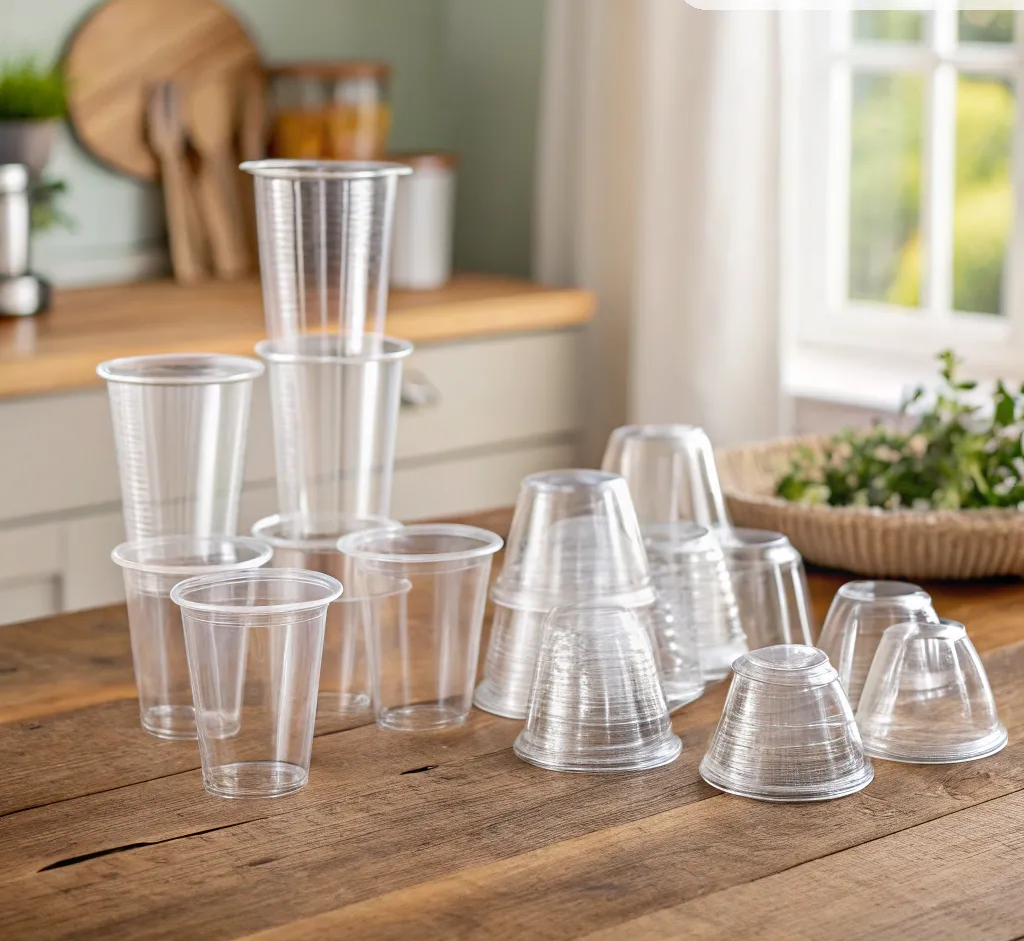
- Clear Plastic Cups (PET):
- Cost: $0.05 – $0.12 per cup
- Usage: Cold drinks, iced beverages, smoothies
- Notes: Good clarity, recyclable in some areas.
- Plastic Cups (PP):
- Cost: $0.04 – $0.10 per cup
- Usage: Cold drinks, general use
- Notes: More flexible than PET, often used for vending machines.
- Plastic Cups (PS):
- Cost: $0.03 – $0.08 per cup
- Usage: Cold drinks, events
- Notes: Less durable than PET or PP, often used for short-term events.
Foam (Styrofoam) Cups
- Foam Cups:
- Cost: $0.06 – $0.14 per cup
- Usage: Hot and cold beverages
- Notes: Excellent insulation, but environmentally problematic and being phased out in many locations.
Compostable/Biodegradable Cups
- PLA Cups:
- Cost: $0.20 – $0.40 per cup
- Usage: Cold drinks, iced beverages
- Notes: Made from plant-based materials. Requires commercial composting facilities.
- Sugarcane Cups:
- Cost: $0.25 – $0.45 per cup
- Usage: Hot and cold beverages
- Notes: Made from sugarcane pulp, a byproduct of sugar production. Compostable.
Here’s a table summarizing the approximate costs:
| Cup Type | Material | Estimated Cost per Cup (Bulk) | Common Usage | Notes |
|---|---|---|---|---|
| Single-Wall Paper | Paper | $0.08 – $0.15 | Coffee, Tea, Water | Sleeve may be needed for hot drinks |
| Double-Wall Paper | Paper | $0.15 – $0.25 | Coffee, Tea, Hot Chocolate | Better insulation, no sleeve needed |
| Paper Cold Cups | Paper (Wax-Lined) | $0.10 – $0.20 | Cold Drinks, Smoothies, Iced Coffee | Wax lining prevents leaks |
| Clear Plastic (PET) | PET | $0.05 – $0.12 | Cold Drinks, Iced Beverages, Smoothies | Good clarity, recyclable in some areas |
| Plastic (PP) | PP | $0.04 – $0.10 | Cold Drinks, General Use | More flexible, often used in vending machines |
| Plastic (PS) | PS | $0.03 – $0.08 | Cold Drinks, Events | Less durable, used for short-term events |
| Foam (Styrofoam) | Foam | $0.06 – $0.14 | Hot & Cold Beverages | Excellent insulation, environmentally problematic |
| PLA | PLA | $0.20 – $0.40 | Cold Drinks, Iced Beverages | Plant-based, requires commercial composting |
| Sugarcane | Sugarcane Pulp | $0.25 – $0.45 | Hot & Cold Beverages | Compostable |
Note: These prices are estimates and can vary based on the factors mentioned earlier.
Where Can I Buy Disposable Cups in Bulk? Top Suppliers and Considerations
Finding a reliable supplier is crucial. Here are several options:
- Restaurant Supply Stores:
- Pros: Wide selection, immediate availability, good for smaller quantities.
- Cons: Prices may be higher than online retailers for bulk purchases.
- Examples: Sysco, US Foods, local restaurant supply stores.
- Online Retailers:
- Pros: Competitive pricing, extensive selection, convenient ordering.
- Cons: Shipping costs can add up, lead times may be longer.
- Examples: Amazon, WebstaurantStore, Alibaba (for very large quantities).
- Wholesale Clubs:
- Pros: Good prices for members, decent selection.
- Cons: Requires membership, limited selection compared to specialized suppliers.
- Examples: Costco, Sam’s Club, BJ’s Wholesale Club.
- Direct Manufacturers:
- Pros: Best prices for very large orders, customization options.
- Cons: High minimum order quantities, longer lead times.
- Examples: Contact manufacturers directly (often found through industry directories).
- Packaging Suppliers:
- Pros: Wide range of packaging solutions, expertise in materials, can offer customized solutions.
- Cons: Might not always be the cheapest option for standard disposable cups.
- Examples: Companies like Reliancepak can often connect you with suitable suppliers or offer guidance on choosing the right packaging partners.
Key Considerations When Choosing a Supplier:
- Price: Compare prices from multiple suppliers, factoring in shipping costs.
- Product Quality: Request samples to ensure the cups meet your quality standards.
- Minimum Order Quantity (MOQ): Ensure the MOQ aligns with your needs.
- Shipping Costs and Lead Times: Understand shipping costs and delivery timelines.
- Payment Terms: Check accepted payment methods and credit options.
- Return Policy: Review the supplier’s return policy in case of damaged or defective products.
- Sustainability Credentials: If sustainability is important, verify the supplier’s certifications and environmental practices.
How to Calculate the Total Cost of Disposable Cups
To accurately assess the cost, consider these factors:
- Cup Cost: Price per cup * quantity needed.
- Lid Cost (if applicable): Price per lid * quantity needed.
- Shipping Costs: Obtain shipping quotes from different suppliers.
- Taxes: Calculate applicable sales tax.
- Storage Costs: Factor in any costs associated with storing the cups.
- Waste Disposal Costs: Consider the cost of disposing of the cups (especially important for non-recyclable options).
- Hidden Fees: Look out for any hidden fees, such as handling charges or restocking fees.
Example:
Let’s say you need 5,000 single-wall paper cups.
- Cup Cost: $0.10 per cup * 5,000 cups = $500
- Lid Cost: $0.05 per lid * 5,000 lids = $250
- Shipping: $50
- Taxes: $40
- Total Cost: $500 + $250 + $50 + $40 = $840
The Environmental Impact of Disposable Cups and Sustainable Alternatives
Disposable cups contribute significantly to waste. Here’s a look at the environmental impact and some sustainable alternatives:
- Plastic Cups: Made from petroleum, contribute to plastic pollution, and take hundreds of years to decompose. Recycling rates are low.
- Foam Cups: Non-biodegradable and difficult to recycle. Production releases harmful chemicals. Being banned in many areas.
- Paper Cups: Require trees and energy to produce. Often lined with plastic (polyethylene), making them difficult to recycle.
- Compostable Cups: Made from renewable resources and break down in commercial composting facilities. A more sustainable option, but require proper disposal.
Sustainable Alternatives:
- Reusable Cups: Encourage customers to bring their own cups with discounts or loyalty programs.
- Compostable Cups: Opt for PLA or sugarcane cups and ensure access to composting facilities.
- Recyclable Cups: Choose cups made from easily recyclable materials like PET and promote recycling.
- Reduced Packaging: Minimize packaging and offer lid-optional programs.
- Eco-Friendly Linings: Look for paper cups with plant-based or compostable linings.
Reliancepak’s Perspective on Disposable Cups: Balancing Cost and Sustainability
At Reliancepak, we believe in providing packaging solutions that are both cost-effective and environmentally responsible. While disposable cups offer convenience, it’s crucial to consider their environmental impact. We encourage businesses to:
- Prioritize Sustainable Materials: Choose compostable or recyclable options whenever possible.
- Optimize Packaging: Reduce the amount of packaging used and explore eco-friendly alternatives.
- Educate Consumers: Inform customers about the environmental impact of disposable cups and encourage them to choose sustainable options.
- Partner with Responsible Suppliers: Work with suppliers who prioritize sustainability and ethical sourcing.
We help businesses navigate the complex world of packaging by offering expert advice, connecting them with sustainable suppliers, and providing customized solutions that meet their specific needs.
Industry Trends in Disposable Cups
The disposable cup industry is constantly evolving. Here are some key trends:
- Increased Demand for Sustainable Options: Consumers are increasingly demanding eco-friendly alternatives.
- Innovation in Materials: New materials, such as mushroom packaging and seaweed-based plastics, are being developed.
- Focus on Compostability: More emphasis on cups that can be easily composted in commercial facilities.
- Government Regulations: Bans on single-use plastics and foam cups are becoming more common.
- Technological Advancements: Improved manufacturing processes and printing techniques are reducing costs and improving quality.
- Customization: Growing demand for custom-printed cups for branding and marketing purposes.
Conclusion: Making Informed Decisions About Disposable Cups
The cost of disposable cups depends on various factors, including material, size, quantity, and supplier. By understanding these factors and exploring sustainable alternatives, you can make informed purchasing decisions that balance cost-effectiveness and environmental responsibility. Remember to partner with reliable suppliers and consider the total cost of ownership, including waste disposal. At Reliancepak, we’re committed to helping businesses find the right packaging solutions for their needs, so they can thrive while minimizing their environmental impact.
FAQ: Your Disposable Cup Questions Answered
- Q: Are paper cups really more eco-friendly than plastic cups?
- A: Not always. Paper cups require trees and energy to produce, and many are lined with plastic, making them difficult to recycle. Compostable paper cups are a better option if composting facilities are available.
- Q: How can I encourage customers to use reusable cups?
- A: Offer discounts for customers who bring their own cups, provide attractive reusable cups for sale, and promote your commitment to sustainability.
- Q: What’s the best way to dispose of disposable cups?
- A: Recycle plastic and paper cups whenever possible. Compost compostable cups in commercial composting facilities. Dispose of non-recyclable cups responsibly.
- Q: Where can I find certified compostable cups?
- A: Look for cups with certifications from organizations like the Biodegradable Products Institute (BPI) or similar reputable certifiers.
- Q: What are the latest regulations on disposable cups?
- A: Check with your local and state governments for the latest regulations on single-use plastics and foam cups.
This comprehensive guide should equip you with the knowledge you need to make informed decisions about disposable cups!